Cancer immunotherapy has transformed the treatment of many cancers, giving patients new hope by helping their immune systems recognize and attack cancer cells. However, new research involving nearly 98,000 cancer patients has uncovered a potentially important factor that could influence how well these treatments work: antibiotic use. A major analysis published in Cancer Cell on October 27, 2026, found that cancer patients receiving immune checkpoint inhibitor therapy who were also exposed to antibiotics had significantly worse survival outcomes than those who were not exposed. The findings raise important questions about the relationship between antibiotics, gut health, and the body’s ability to fight cancer.
The study, which combined evidence from 116 patient cohorts involving 97,850 individuals, found that antibiotic exposure was associated with a 49% higher hazard of death and a 44% higher hazard of cancer progression or death. Researchers believe that the disruption of beneficial gut bacteria may help explain this relationship. Because the gut microbiome plays an important role in regulating immune activity, changes in its composition could potentially interfere with the effectiveness of certain cancer treatments. Although the findings do not prove that antibiotics directly cause poorer outcomes, they highlight the importance of responsible antibiotic prescribing and closer communication between cancer patients and their healthcare teams.
What Did the Study Find?
The updated meta-analysis, titled Antibiotics and Outcomes of Cancer Immunotherapy: An Updated Meta-Analysis and Clinical Applications, examined the relationship between antibiotic exposure and outcomes among patients receiving immune checkpoint inhibitors (ICIs).
Researchers analyzed 116 patient cohorts representing 97,850 cancer patients treated with immunotherapy. The investigation explored whether exposure to antibiotics was associated with differences in overall survival and progression-free survival.
The results revealed two important associations:
- 49% higher hazard of death: Patients exposed to antibiotics had an overall survival hazard ratio (HR) of 1.49, with a 95% confidence interval of 1.34–1.65.
- 44% higher hazard of disease progression or death: Antibiotic exposure was associated with a progression-free survival hazard ratio of 1.44, with a 95% confidence interval of 1.31–1.58.
These findings suggest that antibiotic exposure may be an important consideration when evaluating treatment outcomes in patients receiving immunotherapy.
However, a higher hazard ratio does not mean that patients experienced a 49-percentage-point increase in their absolute risk of death. It represents a difference in the relative rate of an event over the study’s observation period.
The researchers also highlighted that nearly 30% of patients receiving immune checkpoint inhibitors are prescribed antibiotics, making this a clinically relevant issue in cancer care.
Why Are Antibiotics Potentially Linked to Poorer Immunotherapy Outcomes?
One possible explanation involves the gut microbiome.
The gut microbiome refers to the diverse community of bacteria and other microorganisms living in the digestive tract. These microorganisms do more than help digest food. They also contribute to immune system development, inflammation regulation, and the body’s defense against harmful pathogens.
Certain beneficial gut bacteria appear to help support the immune responses needed for cancer immunotherapy to work effectively.
Antibiotics are designed to eliminate harmful bacteria responsible for infections. However, depending on the medication, they can also affect beneficial microorganisms in the gut.
This disruption, known as dysbiosis, can change the balance and diversity of intestinal bacteria.
Researchers believe that antibiotic-related changes in the microbiome may interfere with several immune processes, including:
- Activation of immune cells involved in recognizing cancer.
- Regulation of inflammatory responses.
- Communication between gut microorganisms and the immune system.
- The activity of immune cells responsible for attacking tumor cells.
- The balance between immune-stimulating and immune-suppressing bacteria.
When these processes are disrupted, the immune system may become less effective at supporting the response to certain immunotherapy drugs.
Although the exact biological mechanisms are still being investigated, previous research has provided evidence that gut bacteria can influence how patients respond to immune checkpoint inhibitors.
Understanding How Immunotherapy Works
To understand why antibiotics may matter, it is important to know how immune checkpoint inhibitors work.
Normally, the immune system uses specialized proteins called immune checkpoints to prevent excessive immune activity and protect healthy tissues.
Unfortunately, some cancer cells exploit these natural protective mechanisms to avoid being attacked by the immune system.
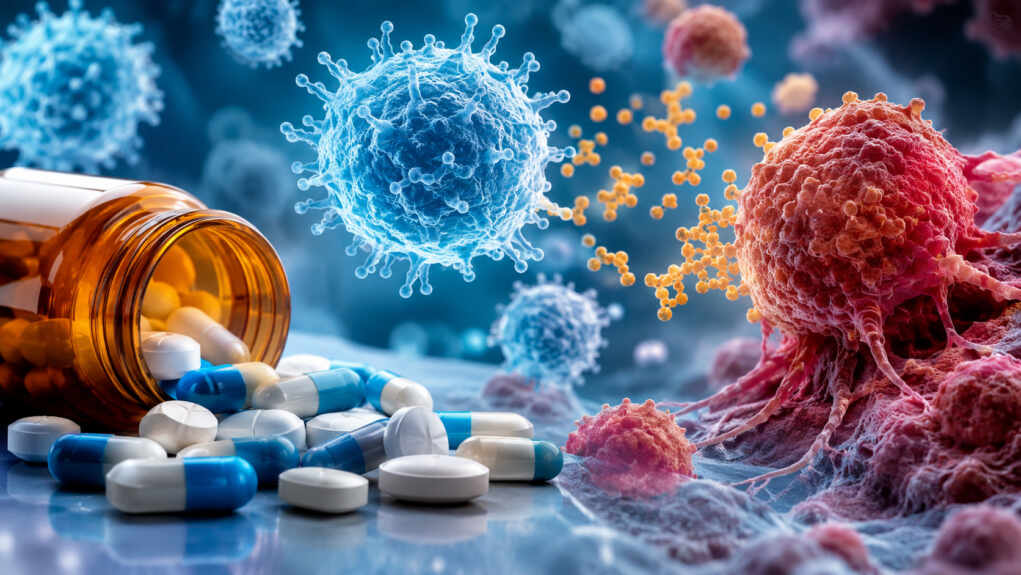
Immune checkpoint inhibitors are medications designed to block specific checkpoint proteins, allowing immune cells to recognize and attack cancer cells more effectively.
Common targets include:
- PD-1: A protein found on certain immune cells that helps regulate immune activity.
- PD-L1: A protein that can be produced by cancer cells and other cells to suppress immune responses.
- CTLA-4: An immune checkpoint protein that helps regulate T-cell activation.
By blocking these pathways, immunotherapy can help restore the immune system’s ability to fight cancer.
These medications are used to treat several types of cancer, including lung cancer, melanoma, kidney cancer, bladder cancer, and certain gastrointestinal cancers.
However, immunotherapy does not work equally well for every patient. Researchers continue to investigate how factors such as genetics, tumor characteristics, previous treatments, and gut microbiome composition influence treatment effectiveness.
The Gut Microbiome May Play a Bigger Role in Cancer Treatment Than Previously Thought
The relationship between gut bacteria and cancer immunotherapy has become an important area of medical research.
Earlier studies have identified associations between particular gut microorganisms and better responses to immune checkpoint inhibitors.
For example, research published in Science in 2018 highlighted the potential importance of gut bacteria in determining how patients respond to anti-PD-1 immunotherapy.
Some studies identified bacteria such as Akkermansia muciniphila and certain Faecalibacterium species as potentially beneficial microorganisms associated with favorable immunotherapy responses.
These findings suggest that the gut microbiome may influence the immune system’s ability to recognize and attack cancer cells.
Antibiotics could potentially interfere with this relationship by reducing beneficial bacterial populations and changing the overall microbial environment.
However, scientists have not yet established a single ideal gut microbiome composition that guarantees a successful response to immunotherapy.
More research is needed to determine which bacterial populations matter most, how antibiotic exposure affects them, and whether microbiome-focused interventions can improve cancer treatment outcomes.
Does the Timing of Antibiotic Use Matter?
One important question is whether antibiotics have different effects depending on when patients take them.
Previous research has suggested that antibiotic exposure shortly before or during immunotherapy may be particularly relevant.
For example, studies involving patients receiving immune checkpoint inhibitors have reported associations between antibiotic use around the beginning of treatment and poorer clinical outcomes.
This has led researchers to investigate whether the following factors influence the relationship:
- Timing: Whether antibiotics are taken before, during, or after immunotherapy begins.
- Duration: How long the patient receives antibiotic treatment.
- Type of antibiotic: Whether the medication has a narrow or broad antibacterial spectrum.
- Underlying infection: Whether the patient has a serious infection or another condition affecting overall health.
- Cancer characteristics: The type, stage, and severity of the patient’s cancer.
Broad-spectrum antibiotics can affect a wider range of bacterial species, potentially causing more extensive changes to the gut microbiome.
Nevertheless, the available evidence does not establish that every antibiotic has the same effect or that all patients receiving antibiotics will experience reduced immunotherapy effectiveness.
The timing and type of antibiotic exposure remain important subjects for future investigation.
Should Cancer Patients Avoid Antibiotics During Immunotherapy?
Despite the concerning findings, patients should not interpret the research as a reason to avoid medically necessary antibiotics.
Antibiotics remain essential medications for treating bacterial infections, including potentially life-threatening infections.
Cancer patients may be particularly vulnerable to infections because of their underlying disease, cancer treatments, or weakened immune systems.
In certain circumstances, delaying antibiotic treatment could create serious health risks.
The important distinction is between unnecessary antibiotic exposure and appropriate treatment of a confirmed or strongly suspected bacterial infection.
Healthcare professionals should carefully evaluate whether antibiotics are needed and select an appropriate medication based on the patient’s condition.
For patients receiving immunotherapy, this may involve considering:
- Whether an infection is actually present.
- Whether antibiotic treatment is medically necessary.
- Whether a narrower-spectrum antibiotic is appropriate.
- The shortest effective treatment duration.
- Potential interactions with the patient’s existing cancer treatment.
- Whether the oncology team should coordinate with the physician prescribing the antibiotics.
Patients should always inform their oncologists about antibiotics prescribed by other healthcare professionals.
Most importantly, patients should never stop prescribed antibiotics, delay infection treatment, or change medication doses without consulting their healthcare providers.
Can Diet and Probiotics Help Protect the Gut Microbiome?
Because gut bacteria may influence immunotherapy outcomes, researchers are investigating whether dietary changes and microbiome-focused treatments could help support beneficial microorganisms.
A healthy, balanced diet can provide nutrients and dietary fiber that support normal gut function.
Some practical dietary approaches include:
1. Eat more fiber-rich foods
Vegetables, fruits, legumes, whole grains, nuts, and seeds provide dietary fiber that beneficial gut bacteria can use.
2. Include a variety of plant foods
Eating different types of plant-based foods helps provide a broader range of nutrients and fibers that support gut health.
3. Consider fermented foods
Foods such as yogurt with live cultures and other fermented foods may provide beneficial microorganisms, depending on their preparation.
4. Maintain adequate nutrition
Cancer patients should prioritize sufficient calories, protein, fluids, and essential nutrients to support their overall health during treatment.
5. Discuss probiotics with an oncologist
Probiotic supplements are being investigated for their potential effects on the gut microbiome. However, they are not established treatments for improving immunotherapy survival.
Some cancer patients, particularly those with weakened immune systems, may face risks from certain probiotic products. Medical guidance is essential before starting supplementation.
It is also important to recognize that researchers have not yet established that dietary changes, probiotics, or other microbiome interventions can reverse the survival associations reported in the new meta-analysis.
What Are the Limitations of the Research?
Although the analysis involving 97,850 patients provides an important overview of the relationship between antibiotics and immunotherapy outcomes, several limitations deserve attention.
Association does not establish causation.
The findings show that antibiotic exposure was associated with worse survival outcomes. They do not prove that antibiotics directly caused patients to experience poorer results.
Patients who need antibiotics may already have more serious infections, additional medical complications, or poorer overall health. These factors could independently influence survival.
Differences between cancer types
The analysis included patients from multiple cohorts, and cancer types may respond differently to immunotherapy. The relationship between antibiotics and treatment outcomes may not be identical across all malignancies.
Differences in antibiotic exposure
Antibiotic type, timing, duration, and treatment indications may vary between studies. These differences can influence the results.
Variations in study design
Combining evidence from multiple patient cohorts can provide a much larger picture, but differences in study methods and patient characteristics may introduce uncertainty.
The need for prospective clinical trials
Further research is necessary to determine whether reducing unnecessary antibiotic exposure or protecting the gut microbiome can directly improve immunotherapy outcomes.
These limitations are important because they prevent researchers from concluding that antibiotics should be withheld from patients receiving cancer treatment.
What Does This Mean for the Future of Cancer Immunotherapy?
The findings involving 97,850 patients highlight the growing importance of understanding factors beyond the cancer itself when evaluating treatment effectiveness.
For years, cancer research has focused heavily on tumor genetics, immune checkpoint proteins, and the development of more targeted treatments.
However, growing evidence suggests that the microorganisms living inside the human body may also influence how well certain cancer therapies work.
The gut microbiome could eventually become an important consideration in personalized cancer treatment.
Future research may help physicians identify patients who are more vulnerable to antibiotic-related microbiome disruption, determine which antibiotic treatments carry the greatest potential risks, and develop strategies to maintain healthy microbial diversity.
Scientists are also exploring fecal microbiota transplantation, specialized probiotics, dietary interventions, and other microbiome-based approaches.
These strategies remain under investigation and should not be considered proven methods of improving cancer survival.
Ultimately, the goal is not to eliminate antibiotic use in cancer patients. It is to ensure that antibiotics are prescribed appropriately while researchers continue investigating how gut health influences immunotherapy.
The Bottom Line
The analysis of 97,850 cancer patients provides an important warning about the potential relationship between antibiotic exposure and immunotherapy outcomes.
Researchers found that antibiotic exposure was associated with a 49% higher hazard of death and a 44% higher hazard of disease progression or death among patients receiving immune checkpoint inhibitors.
One possible explanation is that antibiotics disrupt beneficial gut bacteria involved in regulating immune responses, potentially affecting the effectiveness of cancer immunotherapy.
However, these findings do not prove that antibiotics directly cause poorer survival, and medically necessary antibiotics remain essential for treating bacterial infections.
For cancer patients, the most important takeaway is to communicate openly with their oncology teams about antibiotic use, avoid unnecessary medication, and never delay essential infection treatment.
As research into the gut microbiome continues to advance, understanding the relationship between antibiotics, beneficial bacteria, and immune function could become an increasingly important part of personalized cancer care.
Sources:
- Cancer Cell – Antibiotics and Outcomes of Cancer Immunotherapy: An Updated Meta-Analysis and Clinical Applications
- National Cancer Institute – Gut Bacteria Affect Immunotherapy Response
- MD Anderson Cancer Center – Antibiotics and Cancer Treatment: 7 Questions, Answered
- American Society of Clinical Oncology – Gut Microbiota in Immuno-Oncology: A Practical Guide for Medical Oncologists With a Focus on Antibiotics Stewardship
- National Institutes of Health – The Gut Microbiome and Cancer Response to Immune Checkpoint Inhibitors
- National Cancer Institute – Immune Checkpoint Inhibitors
- PubMed – Gut Microbiome, Antibiotic Use, and Immunotherapy Responsiveness in Cancer
Website operated and published by:
FAB LTD
Ground Floor, 14 Stewart Dr.
Berea, East London 5241
South Africa
Disclaimer
The watching, interacting, and participation of any kind with anything on this page does not constitute or initiate a doctor-patient relationship with Dr. Farrah™. None of the statements here have been evaluated by the Food and Drug Administration (FDA). The products of Dr. Farrah™ are not intended to diagnose, treat, cure, or prevent any disease. The information being provided should only be considered for education and entertainment purposes only. If you feel that anything you see or hear may be of value to you on this page or on any other medium of any kind associated with, showing, or quoting anything relating to Dr. Farrah™ in any way at any time, you are encouraged to and agree to consult with a licensed healthcare professional in your area to discuss it. If you feel that you’re having a healthcare emergency, seek medical attention immediately. The views expressed here are simply either the views and opinions of Dr. Farrah™ or others appearing and are protected under the First Amendment.
Dr. Farrah™ is a highly experienced Licensed Medical Doctor certified in evidence-based clinical nutrition, not some enthusiast, formulator, or medium promoting the wild and unrestrained use of nutrition products for health issues without clinical experience and scientific evidence of therapeutic benefit. Dr. Farrah™ has personally and keenly studied everything she recommends, and more importantly, she’s closely observed the reactions and results in a clinical setting countless times over the course of her career involving the treatment of over 150,000 patients.
Dr. Farrah™ promotes evidence-based natural approaches to health, which means integrating her individual scientific and clinical expertise with the best available external clinical evidence from systematic research. By individual clinical expertise, I refer to the proficiency and judgment that individual clinicians acquire through clinical experience and clinical practice.
Dr. Farrah™ does not make any representations or warranties with respect to the accuracy, applicability, fitness, or completeness of any multimedia content provided. Dr. Farrah™ does not warrant the performance, effectiveness, or applicability of any sites listed, linked, or referenced to, in, or by any multimedia content.
To be clear, the multimedia content is not intended to be a substitute for professional medical advice, diagnosis, or treatment. Always seek the advice of your physician or other qualified health providers with any questions you may have regarding a medical condition. Never disregard professional medical advice or delay in seeking it because of something you have read or seen in any website, video, image, or media of any kind. Dr. Farrah™ hereby disclaims any and all liability to any party for any direct, indirect, implied, punitive, special, incidental, or other consequential damages arising directly or indirectly from any use of the content, which is provided as is, and without warranties.