
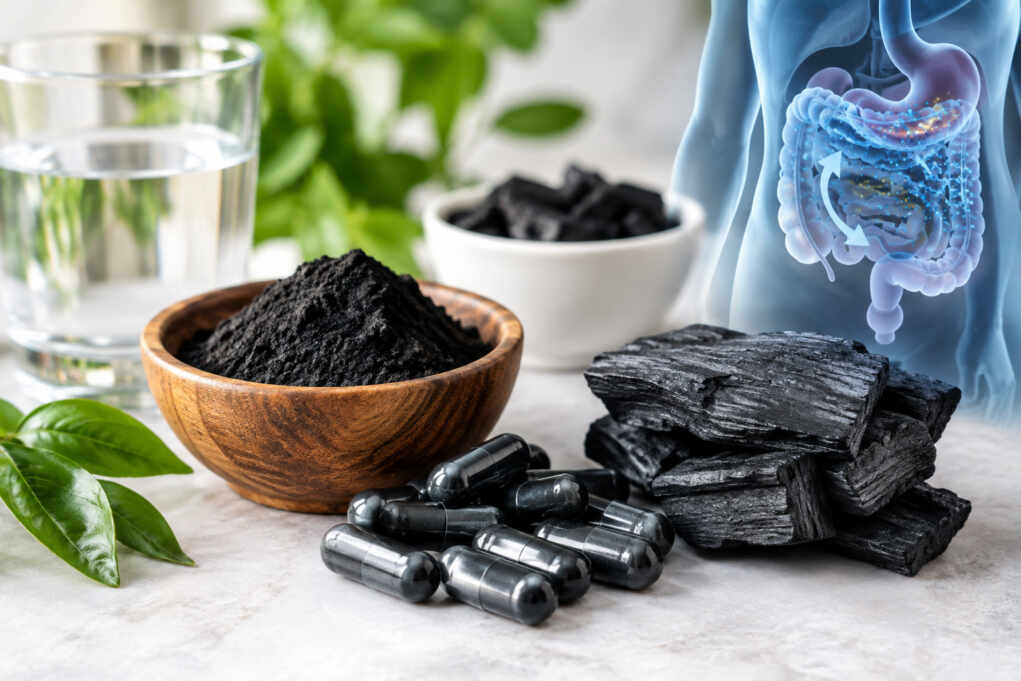
Activated charcoal has gained popularity as a wellness ingredient in supplements, digestive health products, skincare formulas, and emergency treatments for certain types of poisoning. Known for its highly porous structure and ability to bind to specific substances, activated charcoal is different from the charcoal used for grilling or heating. It is specially processed to create millions of tiny pores that increase its surface area, allowing it to trap certain chemicals and toxins under the right conditions. But while activated charcoal has legitimate medical applications, not every health claim surrounding it is supported by strong scientific evidence.
Understanding activated charcoal’s uses, potential benefits, side effects, and appropriate dosage is essential before deciding whether it belongs in your health routine. From its role in treating selected cases of poisoning to its widely marketed use for bloating, gas, and detoxification, this guide explores what activated charcoal can and cannot do. You’ll also learn about important safety precautions, possible medication interactions, and why the correct dose depends on the intended use and the advice of a qualified healthcare professional.
What Is Activated Charcoal?
Activated charcoal is a specially processed form of carbon made from materials such as wood, coconut shells, or other carbon-rich substances. Manufacturers heat these materials under controlled conditions to develop a network of tiny pores, increasing the charcoal’s surface area and its ability to bind certain substances.
The primary mechanism behind activated charcoal is adsorption, in which molecules attach to the surface of the charcoal. This differs from absorption, which involves a substance entering another material. In medicine, activated charcoal can bind certain drugs and toxic substances in the gastrointestinal tract, reducing the amount that enters the bloodstream.
Activated charcoal is available in several forms, including:
- Powder: Often mixed with liquid for medical use.
- Capsules and tablets: Commonly marketed as dietary supplements for digestive health.
- Liquid suspension: Used in selected medical situations, particularly poisoning.
- Topical products: Added to face masks, cleansers, and toothpaste, although evidence for many of these applications is limited.
It is important to distinguish medical-grade activated charcoal from ordinary charcoal. Grilling charcoal, burned food, and homemade charcoal preparations are not safe substitutes for medicinal activated charcoal.
Activated Charcoal Uses
Activated charcoal has established uses in certain medical emergencies, but its effectiveness varies considerably depending on the substance involved and the reason for using it.
1. Treating Certain Types of Poisoning and Drug Overdose
The best-established medical use of activated charcoal is the management of selected poisonings and medication overdoses. When administered appropriately, it can bind certain substances that remain in the digestive tract and reduce their absorption into the bloodstream.
Healthcare professionals may consider activated charcoal after someone swallows a potentially toxic amount of a medication, provided the substance is suitable for charcoal treatment and the expected benefits outweigh the risks.
Timing is important. Treatment is often most effective when given within approximately one hour of ingestion, although it may still be considered later in specific circumstances.
Activated charcoal does not work against every poison. For example, it generally does not effectively bind alcohol, iron, lithium, strong acids, strong alkalis, or many petroleum products. It is not a universal antidote and should never replace emergency medical care.
Safety note: If poisoning or an overdose is suspected, contact emergency services or a poison information center immediately. Do not attempt to administer activated charcoal at home unless a qualified medical professional specifically directs you to do so.
2. Relieving Gas and Bloating
Activated charcoal supplements are frequently marketed to help relieve intestinal gas, abdominal pressure, and bloating. The theory is that charcoal may bind certain gas-producing compounds in the digestive tract.
However, research findings are mixed, and the available evidence is insufficient to establish that activated charcoal consistently relieves these symptoms. Bloating can have many causes, including constipation, food intolerances, irritable bowel syndrome, and other digestive conditions.
If bloating is persistent, severe, or accompanied by unexplained weight loss, vomiting, blood in the stool, or significant abdominal pain, seek medical advice rather than relying on charcoal supplements.
3. Supporting Cholesterol Management
Some older studies have investigated whether activated charcoal could help lower cholesterol by binding certain substances in the intestine and reducing their absorption. Preliminary findings have suggested possible changes in cholesterol levels, but the evidence is limited and not sufficient to recommend activated charcoal as a cholesterol treatment.
It should not replace prescribed cholesterol-lowering medication, dietary changes, physical activity, or medical monitoring.
4. Teeth Whitening and Oral Care
Activated charcoal toothpaste and powders are popular because of their dark color and claims that they remove stains, whiten teeth, and improve oral hygiene.
Although charcoal particles may help remove some surface discoloration through mechanical abrasion, strong clinical evidence supporting their whitening benefits is lacking. Some products may be abrasive, potentially contributing to enamel wear or irritation with repeated use.
For safer, evidence-based oral care, use fluoride toothpaste, brush gently, and consult a dental professional about appropriate whitening treatments.
5. Skincare and Oil Control
Activated charcoal is often included in facial cleansers, masks, and soaps. Manufacturers may claim that it draws out impurities, absorbs excess oil, or helps clear acne-prone skin.
Charcoal can bind certain substances to its surface, but this property alone does not demonstrate that charcoal skincare products treat acne, prevent aging, or remove toxins from the body. Evidence supporting these claims remains limited.
If you use an activated charcoal skincare product, choose one formulated for your skin type and discontinue it if irritation, dryness, or redness develops.
6. Water Filtration and Odor Control
Activated charcoal also has practical uses outside the body. Its porous structure allows it to adsorb certain compounds from water and air.
Activated carbon is used in many water filters to reduce particular contaminants, improve taste, and remove some unwanted odors. It is also incorporated into selected air filters, odor-control products, and specialized medical dressings.
These applications depend on the filter design and the substances being targeted. Not every activated carbon filter removes all contaminants, so it is important to follow the manufacturer’s replacement schedule and filtration specifications.
Potential Benefits of Activated Charcoal
The potential benefits of activated charcoal depend on how it is used. Its ability to bind certain substances is well established, but many consumer health claims go beyond the available evidence.
|
Potential benefit |
What the evidence suggests |
| Poisoning management | An established medical use for selected ingested drugs and toxins. |
| Gas and bloating relief | Research is mixed; consistent benefits have not been established. |
| Cholesterol reduction | Limited evidence, with insufficient support for routine treatment. |
| Teeth whitening | Limited evidence; abrasive products may damage enamel with repeated use. |
| Skincare and acne | Insufficient evidence to establish meaningful clinical benefits. |
| Detoxification | No convincing evidence that routine supplements detoxify the body in healthy people. |
| Water and odor filtration | Useful for certain applications when the filter is appropriately designed. |
Does Activated Charcoal Detox the Body?
One of the most common claims is that activated charcoal removes everyday toxins, cleanses the digestive system, or supports a general detoxification routine.
However, the body’s liver, kidneys, lungs, and digestive system already play important roles in processing and eliminating waste. There is no convincing evidence that taking activated charcoal supplements routinely improves these natural processes in healthy individuals.
Activated charcoal’s medical role is much more specific: it can reduce absorption of certain swallowed substances under appropriate circumstances. It does not indiscriminately remove toxins that have already entered the bloodstream or accumulated throughout the body.
For general health, adequate hydration, a balanced diet, sufficient sleep, and avoiding unnecessary exposure to harmful substances are more appropriate foundations than unproven detox supplements.
Activated Charcoal Side Effects
Although activated charcoal can be useful in selected medical situations, it may cause adverse effects. The likelihood and severity depend on the dose, formulation, frequency of use, and the individual’s health.
Common Side Effects
Potential side effects include:
- Black stools: A common and expected effect because charcoal is black.
- Nausea and vomiting: Some people experience stomach upset after taking it.
- Constipation: Activated charcoal may slow bowel movements in some individuals.
- Diarrhea: This may occur with certain formulations, particularly those containing a laxative such as sorbitol.
- Abdominal discomfort: Cramping, fullness, or pain may occur.
Black stools can be expected after taking activated charcoal, but do not automatically assume that every black stool is harmless. Tarry stools accompanied by weakness, dizziness, or other concerning symptoms can indicate gastrointestinal bleeding and require urgent medical evaluation.
Serious Side Effects
Less common but potentially serious complications include:
- Intestinal blockage: Risk may be higher in people with existing bowel problems or slowed intestinal movement.
- Aspiration: Charcoal entering the lungs can cause severe respiratory complications, particularly in someone who is drowsy, vomiting, or unable to protect their airway.
- Dehydration: This can occur when vomiting or diarrhea is severe, especially with products containing laxatives.
Repeated or high-dose administration should be undertaken only under medical supervision when clinically indicated.
Who Should Avoid Activated Charcoal?
Activated charcoal may be unsuitable for people with certain medical conditions, including:
- Suspected intestinal obstruction or significantly slowed bowel movement.
- Gastrointestinal perforation or certain forms of gastrointestinal bleeding.
- Reduced consciousness or an unprotected airway, because of aspiration risk.
- Poisoning involving substances that charcoal does not effectively bind.
People who are pregnant or breastfeeding, children, older adults, and individuals with chronic medical conditions should seek advice from a healthcare professional before using activated charcoal supplements.
Activated Charcoal and Medication Interactions
One of the most important risks of activated charcoal is its ability to interfere with medicines taken by mouth. Because it binds certain compounds in the digestive tract, it may reduce the amount of medication absorbed by the body.
Potentially affected products include:
- Prescription medications for mental health conditions.
- Certain heart medications.
- Oral contraceptives.
- Some pain relievers and other oral medicines.
- Vitamins, supplements, and some other orally administered treatments.
The clinical importance of an interaction depends on the particular medicine, dose, and timing. For some medications, reduced absorption can compromise treatment or have serious consequences.
Cleveland Clinic advises separating other medications and supplements from charcoal capsules by at least two hours. However, this is not a universal guarantee of safety; some medications require different precautions.
Before taking activated charcoal, consult your doctor or pharmacist about every prescription medicine, over-the-counter product, and supplement you use. Do not stop prescribed treatment or change medication schedules without professional guidance.
Activated Charcoal Dosage: How Much Should You Take?
There is no universally recommended daily dose of activated charcoal for general wellness, detoxification, or digestive health. The appropriate amount depends on the intended use, the specific product, and individual health factors.
Medical Dosage for Poisoning
In a hospital setting, healthcare professionals may use the following general single-dose ranges for selected cases of poisoning:
| Patient group | Common medical dose range |
| Adults and adolescents | 50–100 grams |
| Children approximately 1–12 years old | 25–50 grams |
| Infants under 1 year | 10–25 grams |
These are general clinical reference ranges, not instructions for self-treatment. The actual dose may depend on body weight, the substance swallowed, the amount involved, the time since ingestion, and the patient’s condition. Some poisonings require additional treatment or repeated doses under close medical supervision.
Activated charcoal should not be administered automatically after every overdose. A medical professional must determine whether it is appropriate and safe.
Dosage for Gas and Bloating
Over-the-counter activated charcoal capsules and tablets come in different strengths, and there is no universally established dose for relieving gas or bloating.
If you are considering a supplement, follow the product label and consult a healthcare professional or pharmacist, especially if you take other medications or have an underlying digestive condition. Do not assume that taking a larger amount will produce better results.
How Often Can You Take Activated Charcoal?
Activated charcoal is not an essential nutrient, and there is no established daily intake requirement for healthy adults. Routine long-term use for detoxification or general wellness is not supported by convincing evidence.
Repeated doses are sometimes used in hospitals for selected serious poisonings, but these protocols are specific to the substance involved and require medical monitoring.
When Is the Best Time to Take Activated Charcoal?
For medical treatment of poisoning, timing is determined by the healthcare team, and earlier administration is often more effective.
For non-emergency supplements, no universally established best time exists. Because activated charcoal can interfere with medication absorption, ask a pharmacist how far apart to take it from your other medicines. Simply spacing products apart does not eliminate every possible interaction.
Frequently Asked Questions About Activated Charcoal
1. Is it safe to take activated charcoal every day?
Daily use is not routinely recommended because evidence supporting long-term wellness benefits is insufficient. Regular use may cause constipation or other digestive problems and may interfere with medications or nutrient absorption.
2. Does activated charcoal help with food poisoning?
Activated charcoal is not a standard home treatment for food poisoning caused by bacteria, viruses, or their toxins. Treatment usually focuses on hydration and managing symptoms, with medical assessment when needed. Seek prompt care for severe dehydration, bloody diarrhea, persistent vomiting, or significant abdominal pain.
3. Does activated charcoal help with diarrhea?
Evidence supporting activated charcoal as a treatment for diarrhea is insufficient. Depending on the formulation, it may cause constipation or diarrhea, and it should not replace appropriate fluid replacement or medical treatment.
4. Can activated charcoal prevent a hangover?
No convincing evidence shows that activated charcoal prevents or treats hangovers. It does not effectively bind alcohol, so it should not be relied on to reduce alcohol absorption or intoxication.
5. Can activated charcoal remove toxins from the bloodstream?
Activated charcoal primarily works in the gastrointestinal tract by binding certain substances before they are absorbed. It does not function as a general blood cleanser and cannot reliably remove toxins that have already entered the bloodstream.
6. Can I take activated charcoal with other medications?
Activated charcoal may reduce the absorption of oral medicines, potentially making them less effective. Consult a healthcare professional about medication-specific timing and interactions before taking it.
7. Is activated charcoal the same as regular charcoal?
No. Activated charcoal undergoes specialized processing to increase its surface area and adsorption capacity. Ordinary grilling charcoal and burned food are not substitutes for medicinal activated charcoal and should never be swallowed for this purpose.
Final Thoughts: Is Activated Charcoal Worth Using?
Activated charcoal has an important role in modern medicine, particularly in the management of certain poisonings and drug overdoses. Its porous structure allows it to bind selected substances in the digestive tract, making it a useful treatment when administered appropriately by trained healthcare professionals.
However, its popularity as a supplement should not be confused with proven health benefits. Evidence for routine detoxification, cholesterol management, bloating relief, teeth whitening, and skincare remains limited or inconsistent. Potential side effects and medication interactions also make unsupervised use a concern.
The safest approach is to use activated charcoal only for an appropriate purpose, understand the limitations of the evidence, and consult a qualified healthcare professional before taking it as a supplement. If poisoning or an overdose is suspected, seek emergency medical assistance immediately rather than attempting home treatment.
Sources:
- Poison Control: Activated Charcoal—An Effective Treatment for Poisonings — Clinical toxicology guidance on how activated charcoal works, its appropriate uses, and its risks.
- Cleveland Clinic: Charcoal Capsules — Information on supplement use, precautions, and medication interactions.
- Cleveland Clinic: Activated Charcoal Oral Suspension — Medical guidance on treating selected poisonings, administration, and potential adverse effects.
- WebMD: Activated Charcoal—Benefits, Uses, and Risks — Overview of proposed benefits, evidence limitations, dosage, and safety concerns.
- NCBI Bookshelf: Activated Charcoal—StatPearls
https://www.ncbi.nlm.nih.gov/books/NBK48…
— Clinical reference covering pharmacology, indications, contraindications, dosing, and adverse effects.
- MedlinePlus: Activated Charcoal Supplement Information — Reference information on studied doses and the scientific literature concerning activated charcoal.
- NHS: Poisoning — Guidance on recognizing poisoning, obtaining emergency care, and understanding hospital treatment options.
Website operated and published by:
FAB LTD
Ground Floor, 14 Stewart Dr.
Berea, East London 5241
South Africa
Disclaimer
The watching, interacting, and participation of any kind with anything on this page does not constitute or initiate a doctor-patient relationship with Dr. Farrah™. None of the statements here have been evaluated by the Food and Drug Administration (FDA). The products of Dr. Farrah™ are not intended to diagnose, treat, cure, or prevent any disease. The information being provided should only be considered for education and entertainment purposes only. If you feel that anything you see or hear may be of value to you on this page or on any other medium of any kind associated with, showing, or quoting anything relating to Dr. Farrah™ in any way at any time, you are encouraged to and agree to consult with a licensed healthcare professional in your area to discuss it. If you feel that you’re having a healthcare emergency, seek medical attention immediately. The views expressed here are simply either the views and opinions of Dr. Farrah™ or others appearing and are protected under the First Amendment.
Dr. Farrah™ is a highly experienced Licensed Medical Doctor certified in evidence-based clinical nutrition, not some enthusiast, formulator, or medium promoting the wild and unrestrained use of nutrition products for health issues without clinical experience and scientific evidence of therapeutic benefit. Dr. Farrah™ has personally and keenly studied everything she recommends, and more importantly, she’s closely observed the reactions and results in a clinical setting countless times over the course of her career involving the treatment of over 150,000 patients.
Dr. Farrah™ promotes evidence-based natural approaches to health, which means integrating her individual scientific and clinical expertise with the best available external clinical evidence from systematic research. By individual clinical expertise, I refer to the proficiency and judgment that individual clinicians acquire through clinical experience and clinical practice.
Dr. Farrah™ does not make any representations or warranties with respect to the accuracy, applicability, fitness, or completeness of any multimedia content provided. Dr. Farrah™ does not warrant the performance, effectiveness, or applicability of any sites listed, linked, or referenced to, in, or by any multimedia content.
To be clear, the multimedia content is not intended to be a substitute for professional medical advice, diagnosis, or treatment. Always seek the advice of your physician or other qualified health providers with any questions you may have regarding a medical condition. Never disregard professional medical advice or delay in seeking it because of something you have read or seen in any website, video, image, or media of any kind. Dr. Farrah™ hereby disclaims any and all liability to any party for any direct, indirect, implied, punitive, special, incidental, or other consequential damages arising directly or indirectly from any use of the content, which is provided as is, and without warranties.