
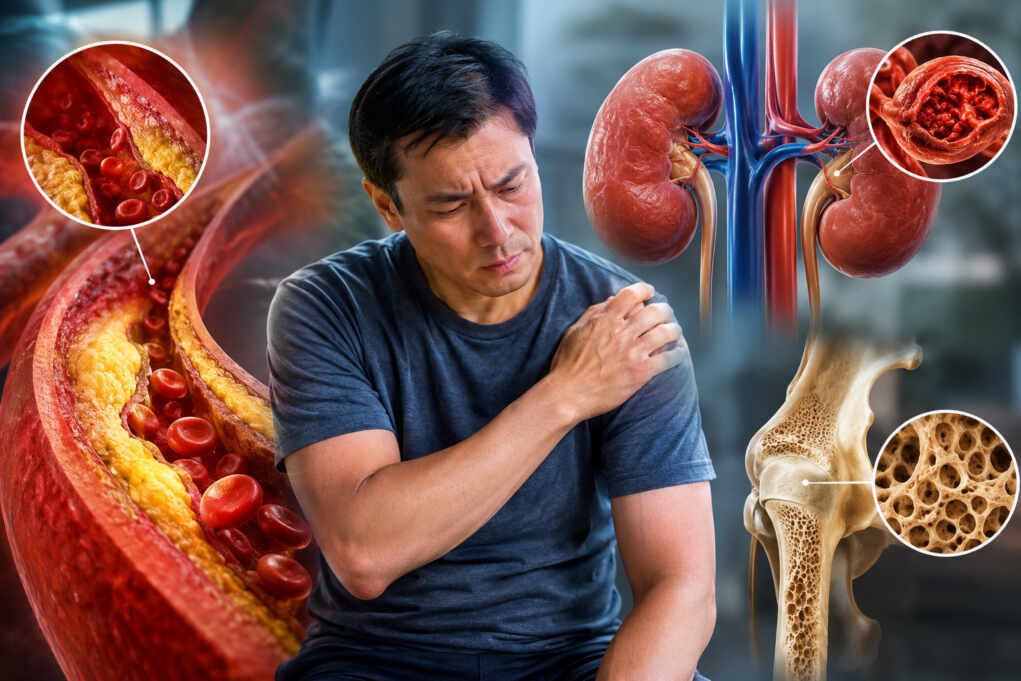
Your arteries may become stiffer, your kidneys may gradually lose their filtering ability, and your bones may grow weaker as you age. But what if these changes are not entirely separate problems? One often-overlooked connection is the way your body regulates essential minerals and hormones. When this delicate balance is disrupted, it can affect your blood vessels, kidney function, and bone strength at the same time. In some people, these changes may begin quietly, long before obvious symptoms appear.
The surprising link is a condition known as chronic kidney disease–mineral and bone disorder (CKD-MBD). It develops when impaired kidney function disrupts the body’s balance of calcium, phosphorus, vitamin D, and parathyroid hormone. These imbalances can weaken bones while encouraging calcium deposits to accumulate in blood vessel walls. The result is a complex cycle that may contribute to premature vascular aging, declining kidney health, and a higher risk of fractures. Understanding this connection can help you recognize important risk factors and take practical steps to protect your long-term health.
The Hidden Connection Between Arteries, Kidneys, and Bones
At first glance, arteries, kidneys, and bones appear to have very different jobs. Arteries carry oxygen-rich blood throughout the body, kidneys filter waste and regulate fluids, and bones provide structural support. However, all three depend on a carefully controlled internal environment to function properly.
Healthy kidneys do much more than remove waste. They help regulate blood pressure, maintain the balance of minerals in the bloodstream, and activate vitamin D, which supports calcium absorption and bone health. They also help control hormones that determine how calcium and phosphorus move between the blood, kidneys, and bones.
When kidney function declines, these processes can become disrupted. Phosphorus may accumulate, vitamin D activation may decrease, and parathyroid hormone levels may rise. Over time, these changes can damage the skeletal system and contribute to the hardening of arteries.
This interconnected process is especially important in people with chronic kidney disease (CKD), although normal aging, diabetes, high blood pressure, and other conditions can also affect vascular and bone health. It is not inevitable that these organs will age prematurely, and having one risk factor does not mean all three will be damaged.
1. How Kidney Problems Can Make Arteries Age Faster
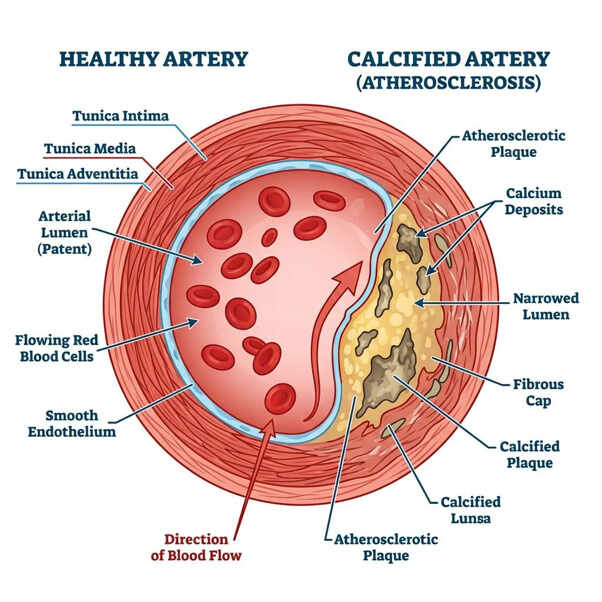
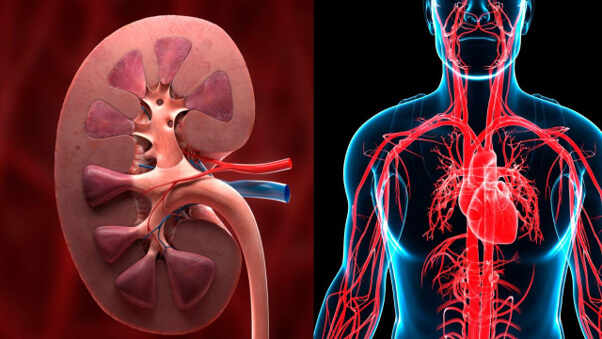
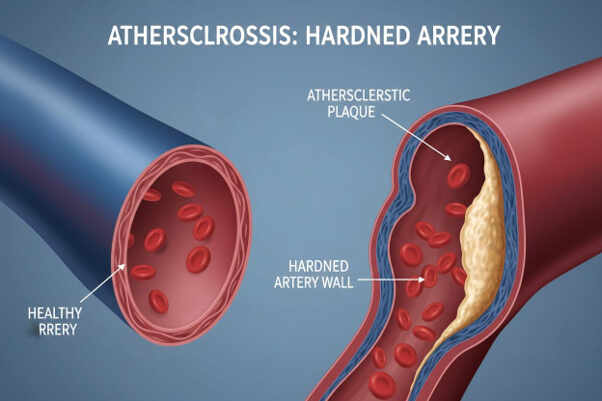
One of the most important changes associated with kidney disease is vascular calcification, a process in which calcium-containing mineral deposits accumulate in blood vessel walls.
Unlike the soft plaque often associated with cholesterol buildup, vascular calcification can involve the middle layer of an artery, making the vessel wall stiffer and less able to expand and contract normally. Calcification can also occur alongside atherosclerosis, in which fatty plaque accumulates inside arteries.
Why phosphorus matters
Phosphorus is an essential mineral that helps maintain healthy bones, produce energy, and support normal cell function. The kidneys normally remove excess phosphorus through urine.
When kidney function deteriorates, phosphorus regulation can become impaired. Changes in phosphorus and calcium balance, together with abnormal hormone activity, may encourage mineral deposition in blood vessels. Research also suggests that vascular calcification is an active biological process involving changes in the behavior of cells within artery walls.
Stiffer arteries can make it harder for the cardiovascular system to manage pressure and blood flow. Vascular calcification is associated with an increased risk of cardiovascular complications, particularly among people with chronic kidney disease.
What this means for healthy aging
Arterial stiffness is associated with aging, but it is not simply a matter of getting older. Kidney dysfunction and disturbances in mineral metabolism may accelerate some of the processes involved.
Other important contributors include:
- High blood pressure, which places ongoing stress on artery walls.
- Diabetes, which can damage blood vessels and kidney filters.
- Smoking, which harms the cardiovascular system.
- Abnormal cholesterol levels, which contribute to atherosclerotic disease.
- Chronic kidney disease, which can affect mineral balance and vascular health.
Protecting your arteries therefore requires more than focusing on cholesterol alone. Blood pressure, blood sugar, kidney function, smoking status, and other cardiovascular risk factors also deserve attention.
2. The Same Process Can Weaken Your Bones

It may seem strange that a condition associated with calcium deposits in arteries can also cause bones to become weak. Shouldn’t more calcium in the body mean stronger bones?
Not necessarily. Bone health depends on how the body absorbs, stores, and regulates minerals—not simply on how much calcium is present.
Your bones are living tissues that continuously break down and rebuild. This process requires a coordinated balance of calcium, phosphorus, vitamin D, and hormones, including parathyroid hormone (PTH).
When kidney function declines, several disruptions can occur.
Vitamin D activation may decrease
The kidneys convert vitamin D into calcitriol, its biologically active form. Calcitriol helps the intestines absorb calcium from food and supports normal bone mineralization.
If the kidneys cannot activate enough vitamin D, calcium absorption may decline. This can trigger hormonal changes that affect the movement of calcium from bones into the bloodstream.
Parathyroid hormone may rise
When calcium regulation becomes impaired, the parathyroid glands may release more PTH. This hormone helps maintain blood calcium levels, partly by increasing the release of calcium from bones.
Persistently elevated PTH can contribute to abnormal bone turnover and weaken the skeleton, particularly when associated with chronic kidney disease.
Bones may become more fragile
Kidney-related mineral and bone disorders can cause several skeletal problems, including:
- Reduced bone strength and increased fracture risk.
- Bone and joint pain.
- Abnormal bone remodeling.
- Osteomalacia, a condition involving inadequate mineralization of bone.
- Other forms of metabolic bone disease, depending on the underlying imbalance.
These changes may develop gradually. Some people have no noticeable symptoms until a fracture or another complication occurs.
It is also important to distinguish CKD-related bone disease from osteoporosis. The two conditions can overlap, but they are not identical, and they may require different approaches to evaluation and treatment.
3. Why Arteries Can Harden While Bones Become Weaker
The apparent contradiction between hardening arteries and weakening bones is one of the most intriguing aspects of mineral metabolism.
In chronic kidney disease, the body may struggle to keep calcium, phosphorus, vitamin D, and PTH within appropriate ranges. These disturbances can affect both the skeleton and blood vessels.
In simplified terms, the process can unfold like this:
- Reduced kidney function
The regulation of minerals, hormones, and vitamin D becomes less effective.
- Mineral and hormonal imbalance
Calcium, phosphorus, vitamin D, and PTH may become abnormal.
- Artery changes
Mineral deposits and arterial stiffness may increase.
- Bone changes
Abnormal remodeling and mineralization may weaken bones.
Scientists have also identified signaling molecules involved in bone and mineral regulation, including fibroblast growth factor 23 (FGF23) and proteins that influence bone remodeling and vascular calcification. These pathways help explain why kidney disease can affect multiple organ systems simultaneously.
However, the biology is complex. Arterial calcification is not simply calcium being removed from bones and deposited directly into arteries. Both processes involve distinct mechanisms, and their relationship is influenced by kidney function, inflammation, hormones, age, and other health conditions.
The important takeaway is that the health of your bones and blood vessels is connected through a larger system of mineral and hormonal regulation.
4. The Problem Can Develop Without Obvious Symptoms
One reason kidney-related complications can be overlooked is that early chronic kidney disease often causes few, if any, noticeable symptoms.
A person may feel relatively healthy while kidney function gradually declines. Meanwhile, high blood pressure, diabetes, and mineral imbalances may be developing or worsening.
When symptoms eventually appear, they can be nonspecific. Depending on the condition and its severity, possible warning signs include:
- Persistent fatigue or reduced energy.
- Swelling in the feet, ankles, or legs.
- Changes in urination.
- Bone or joint pain.
- Muscle weakness or cramps.
- High blood pressure that is difficult to control.
These symptoms have many possible causes and do not establish a diagnosis of kidney disease or mineral imbalance. Some people with kidney disease experience none of them.
Similarly, vascular calcification generally cannot be identified reliably by how a person feels. It may be detected through imaging performed for a specific clinical reason.
Who should pay particular attention?
People with the following risk factors may benefit from discussing kidney and cardiovascular screening with a healthcare professional:
- Diabetes.
- High blood pressure.
- Established cardiovascular disease.
- A family history of kidney disease.
- Previous episodes of kidney injury.
- Known chronic kidney disease.
- Older age, especially when accompanied by other risk factors.
Screening is especially important for people who have diabetes or hypertension because both conditions are leading causes of chronic kidney disease.
5. How to Protect Your Arteries, Kidneys, and Bones as You Age
The encouraging news is that several practical habits can help reduce the risk of kidney disease, cardiovascular complications, and bone problems. No single habit can guarantee protection, but a consistent approach can make a meaningful difference.
Keep your blood pressure under control
High blood pressure can damage the small blood vessels that filter blood inside your kidneys. Kidney damage can then make blood pressure harder to control, creating a harmful cycle.
Have your blood pressure checked regularly and follow an individualized treatment plan if it is elevated. Your healthcare professional may recommend lifestyle changes, medication, or both.
Manage blood sugar levels
Persistently high blood glucose can damage kidney filters and blood vessels. If you have diabetes or prediabetes, work with your healthcare team to manage blood sugar and monitor kidney health when appropriate.
Eat a balanced diet
A balanced eating pattern can support cardiovascular health, bone health, and kidney function.
Consider emphasizing:
- Vegetables and fruits appropriate for your individual health needs.
- Whole grains and other minimally processed foods.
- Suitable sources of protein.
- Foods that provide calcium and vitamin D.
- Meals with less excess sodium and fewer highly processed ingredients.
However, people with chronic kidney disease may need individualized dietary guidance. Some otherwise nutritious foods can be high in potassium or phosphorus, and the right dietary restrictions depend on kidney function, blood test results, medications, and other conditions.
Avoid starting a restrictive kidney diet without medical advice.
Stay physically active
Regular physical activity can help support healthy blood pressure, improve glucose control, maintain mobility, and preserve bone strength.
A practical routine may combine walking or other aerobic activity, resistance exercises, and balance training, adjusted for your age and abilities.
If you have advanced kidney disease, significant bone disease, or a high risk of fractures, ask your healthcare professional which activities are appropriate.
Avoid smoking
Smoking increases cardiovascular risk and can harm blood vessels. Quitting can improve your overall cardiovascular health and reduce exposure to substances that damage the body.
If quitting is difficult, ask a healthcare professional about counseling, support programs, and evidence-based treatments.
Be cautious with supplements and medications
Calcium and vitamin D are important for health, but taking more is not always better. In people with kidney disease, unnecessary or excessive supplementation can complicate mineral balance and may be harmful.
Certain pain medicines, particularly nonsteroidal anti-inflammatory drugs (NSAIDs), can also damage the kidneys in some circumstances, especially with prolonged use, dehydration, or pre-existing kidney disease.
Discuss supplements, over-the-counter medicines, and herbal products with a healthcare professional or pharmacist, particularly if you have kidney problems.
Do not ignore routine health checks
Depending on your risk factors, your clinician may recommend:
- Blood pressure measurements.
- Blood tests for creatinine and estimated glomerular filtration rate (eGFR).
- Urine testing for albumin, a marker of kidney damage.
- Blood tests for calcium, phosphorus, PTH, and vitamin D when indicated.
- Bone-density testing or other investigations when clinically appropriate.
Not everyone needs every test. The right screening plan depends on personal risk, symptoms, medical history, and previous results.
6. What Tests Can Reveal About Kidney and Bone Health?
There is no single routine test that fully measures the health of your arteries, kidneys, and bones. Instead, healthcare professionals use a combination of tests to evaluate specific risks and identify abnormalities.
|
Test |
What it helps assess |
| Serum creatinine and eGFR | How well the kidneys filter blood. |
| Urine albumin-to-creatinine ratio | Whether abnormal amounts of albumin are leaking into urine. |
| Blood calcium and phosphorus | Mineral balance, interpreted alongside kidney function and other findings. |
| PTH and vitamin D tests | Hormonal and vitamin-related factors affecting bone and mineral metabolism. |
| Bone-density scan | Bone mineral density and fracture risk in appropriate patients. |
| Vascular imaging | Calcification or other vascular abnormalities when imaging is clinically indicated. |
For people with known chronic kidney disease, doctors may track changes in laboratory results over time rather than relying on one isolated measurement.
For example, calcium and phosphorus levels can sometimes remain within their usual ranges even as other aspects of mineral metabolism begin to change. A healthcare professional may therefore consider trends in results, PTH, kidney function, medications, and clinical history together.
Imaging tests for arterial calcification are not routinely necessary for every healthy adult. They are used selectively when the results may help guide medical decisions.
7. Can You Reverse Premature Aging of the Arteries, Kidneys, and Bones?
The answer depends on what is causing the changes and how advanced they are.
Some contributors to accelerated organ damage are modifiable. Controlling blood pressure and blood sugar, stopping smoking, improving dietary habits, and treating underlying conditions can help reduce further damage.
In chronic kidney disease, appropriate treatment may also include managing phosphorus levels, correcting selected vitamin D or hormonal abnormalities, and prescribing medications that help regulate mineral balance. Treatment is tailored to the individual’s laboratory results and stage of kidney disease.
However, established arterial calcification, advanced kidney damage, and significant bone loss cannot always be reversed. The goal is often to slow progression, reduce complications, and preserve function.
It is equally important not to assume that a single supplement or so-called detox can restore kidney function, remove calcium deposits from arteries, or rebuild weakened bones. Such claims are not a substitute for evidence-based medical care.
If you have known kidney disease or abnormal mineral levels, consult your healthcare professional before changing your diet substantially or taking calcium, vitamin D, or other supplements.
Frequently Asked Questions
1. Does kidney disease really affect both bones and arteries?
Yes. Chronic kidney disease can disrupt calcium and phosphorus balance, vitamin D activation, and hormone regulation. These changes can contribute to weakened bones and calcification of blood vessels, a combination known as CKD-related mineral and bone disorder.
2. Can you have kidney disease without knowing it?
Yes. Early chronic kidney disease frequently has no obvious symptoms. Blood and urine tests can help detect kidney problems before symptoms develop, particularly in people with diabetes, high blood pressure, or other risk factors.
3. Does eating more calcium prevent weak bones?
Not necessarily. Adequate calcium is important, but bone health also depends on vitamin D, hormones, physical activity, and other factors. In people with kidney disease, excess calcium from supplements or certain treatments may be harmful. Supplement needs should be assessed individually.
4. Is arterial calcification the same as clogged arteries?
No. Arterial calcification refers to mineral deposits within the vessel wall. Atherosclerosis involves the buildup of plaque containing cholesterol, inflammatory cells, and other substances within the artery wall. They can occur together, but they are not the same process.
5. What is the best way to protect all three organs?
Start with the fundamentals: control blood pressure, manage diabetes, avoid smoking, stay physically active, eat an appropriate balanced diet, and follow recommended health screenings. If you have chronic kidney disease, individualized management of mineral and hormone levels may also be essential.
Final Takeaway: Healthy Aging Starts With Protecting More Than One Organ
The hidden connection between your arteries, kidneys, and bones shows why healthy aging requires a whole-body approach. Kidney function helps regulate the minerals and hormones that maintain strong bones and healthy blood vessels. When this balance is disrupted, vascular calcification, bone weakness, and cardiovascular complications may develop together.
Although aging itself cannot be stopped, many risk factors for premature organ damage can be managed. Maintaining healthy blood pressure and blood sugar, staying active, avoiding smoking, and getting appropriate kidney and bone health assessments can help you make informed decisions about your long-term well-being.
The most important lesson is simple: protecting your kidneys may also help protect your heart and bones. If you have diabetes, high blood pressure, known kidney disease, or unexplained changes in bone health, talk with a healthcare professional about which tests and preventive measures are right for you.
Sources:
- National Institute of Diabetes and Digestive and Kidney Diseases (NIDDK) — Mineral and Bone Disorder in Chronic Kidney Disease
- National Kidney Foundation — Mineral and Bone Disorder (CKD-MBD)
- American Kidney Fund — Bone Health and Kidney Disease
- Kidney Disease: Improving Global Outcomes (KDIGO) — CKD-Mineral and Bone Disorder Clinical Practice Guidelines
- Cleveland Clinic — Extraosseous Calcification in Kidney Disease: Pathogenesis, Presentation and Diagnosis
- National Institute of Diabetes and Digestive and Kidney Diseases (NIDDK) — Chronic Kidney Disease in Adults
- PubMed — Bone and Mineral Disorders in Chronic Kidney Disease: Implications for Cardiovascular Health and Ageing
Website operated and published by:
FAB LTD
Ground Floor, 14 Stewart Dr.
Berea, East London 5241
South Africa
Disclaimer
The watching, interacting, and participation of any kind with anything on this page does not constitute or initiate a doctor-patient relationship with Dr. Farrah™. None of the statements here have been evaluated by the Food and Drug Administration (FDA). The products of Dr. Farrah™ are not intended to diagnose, treat, cure, or prevent any disease. The information being provided should only be considered for education and entertainment purposes only. If you feel that anything you see or hear may be of value to you on this page or on any other medium of any kind associated with, showing, or quoting anything relating to Dr. Farrah™ in any way at any time, you are encouraged to and agree to consult with a licensed healthcare professional in your area to discuss it. If you feel that you’re having a healthcare emergency, seek medical attention immediately. The views expressed here are simply either the views and opinions of Dr. Farrah™ or others appearing and are protected under the First Amendment.
Dr. Farrah™ is a highly experienced Licensed Medical Doctor certified in evidence-based clinical nutrition, not some enthusiast, formulator, or medium promoting the wild and unrestrained use of nutrition products for health issues without clinical experience and scientific evidence of therapeutic benefit. Dr. Farrah™ has personally and keenly studied everything she recommends, and more importantly, she’s closely observed the reactions and results in a clinical setting countless times over the course of her career involving the treatment of over 150,000 patients.
Dr. Farrah™ promotes evidence-based natural approaches to health, which means integrating her individual scientific and clinical expertise with the best available external clinical evidence from systematic research. By individual clinical expertise, I refer to the proficiency and judgment that individual clinicians acquire through clinical experience and clinical practice.
Dr. Farrah™ does not make any representations or warranties with respect to the accuracy, applicability, fitness, or completeness of any multimedia content provided. Dr. Farrah™ does not warrant the performance, effectiveness, or applicability of any sites listed, linked, or referenced to, in, or by any multimedia content.
To be clear, the multimedia content is not intended to be a substitute for professional medical advice, diagnosis, or treatment. Always seek the advice of your physician or other qualified health providers with any questions you may have regarding a medical condition. Never disregard professional medical advice or delay in seeking it because of something you have read or seen in any website, video, image, or media of any kind. Dr. Farrah™ hereby disclaims any and all liability to any party for any direct, indirect, implied, punitive, special, incidental, or other consequential damages arising directly or indirectly from any use of the content, which is provided as is, and without warranties.