
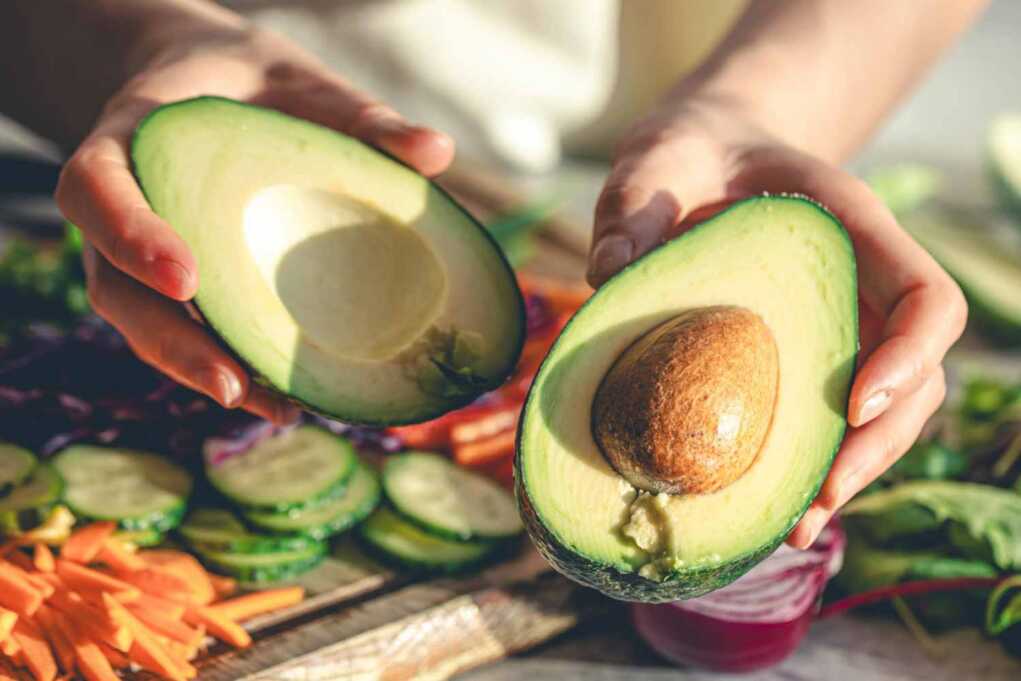
Avocados have become one of the most talked‑about foods in nutrition circles — often crowned a “superfood” or most nutrition‑packed food on Earth. Their creamy texture and mild flavor have turned them into a culinary staple, from avocado toast trending on social media to guacamole at gatherings. But beyond taste and trendiness, avocados are genuinely nutrient‑dense, offering combinations of healthy fats, fiber, vitamins, minerals, and antioxidants that are hard to find in a single food. They provide heart‑healthy monounsaturated fats, a wealth of micronutrients like potassium and folate, and phytonutrients that support antioxidant and anti‑inflammatory functions in the body. These properties — paired with strong research linking avocado consumption to improved heart health — make them more than just another fruit on the grocery list.
Yet, calling avocados the most nutrition‑packed food requires nuance. While they rank impressively in terms of overall nutrient density and health benefits, most dietitians and nutrition experts agree that no single food can meet all of the body’s needs or replace the benefits of a varied, balanced diet. Still, when compared with many other fruits and vegetables, avocados stand out due to their unique combination of both macro‑ and micronutrients — especially healthy fats and fiber that support long‑term health in multiple ways.
What Makes Avocados Nutrient‑Dense?
1. A Unique Macronutrient and Micronutrient Profile
Unlike many fruits that are primarily carbohydrates, avocados are rich in healthy fats — particularly monounsaturated fats like oleic acid — that support heart health and help with the absorption of fat‑soluble vitamins (A, D, E, and K). They are also a good source of fiber and provide essential micronutrients such as potassium, folate, vitamin K, vitamin E, vitamin C, and magnesium, many of which are nutrients people often lack in modern diets.
2. Heart Health Benefits
Research suggests that regularly consuming avocados may help lower “bad” LDL cholesterol and raise “good” HDL cholesterol, improve blood pressure due to their high potassium and magnesium content, and reduce inflammation — all of which support cardiovascular health. The combination of heart‑healthy fats and potassium makes them a smart addition to heart‑conscious eating patterns.
3. Fiber for Digestive Health
Avocados are high in dietary fiber, containing both soluble and insoluble forms. This not only helps with digestion and regular bowel movements but also feeds beneficial gut bacteria, supporting long‑term gut health and metabolic function. High‑fiber foods are also linked to improved satiety — keeping you fuller longer and potentially helping with weight management.
4. Antioxidants and Anti‑Inflammatory Compounds
Avocados contain several bioactive compounds such as carotenoids (e.g., lutein and zeaxanthin), vitamin C, and vitamin E, which have antioxidant and anti‑inflammatory effects. These nutrients help protect cells from oxidative stress, promote eye health, and may contribute to cognitive well‑being.
5. Weight Management and Metabolic Health
Although avocados are relatively calorie‑dense, their combination of healthy fats, fiber, and low sugar content can help increase satiety and stabilize blood sugar, which may support healthy weight management when eaten as part of a balanced diet. Research indicates that diets higher in fiber and healthy fats can help manage appetite and reduce overeating.
Where Avocados Fit in a Healthy Diet
Despite their many benefits, avocados are best viewed as one piece of a nutrition‑rich diet rather than a solitary “miracle food.” Their strengths — healthy fats, fiber, micronutrients, and phytonutrients — make them stand out among many individual foods. However, other plant foods like leafy greens, berries, nuts, seeds, and legumes also offer unique nutrient profiles that avocados can’t match on their own. Eating a variety of nutrient‑dense foods ensures comprehensive coverage of essential vitamins, minerals, and protective compounds.
Avocados also shine as a culinary partner: they can improve the absorption of nutrients from other foods and often replace less nutritious fats or high‑calorie condiments in meals. For example, mashed avocado can stand in for butter or mayo in recipes, adding texture and nutrition with healthier fats and fiber.
Conclusion
So, do avocado benefits make it the most nutrition‑packed food on the planet? The answer depends on how you define “nutrition‑packed.” If that means a single food with a wide spectrum of beneficial nutrients and health effects, avocados certainly make a strong case. With high levels of healthy fats, fiber, vitamins, minerals, and antioxidants — alongside documented benefits for heart health, digestion, and metabolic stability — they deserve their reputation as a standout nutrient‑dense food. However, no single food, including avocados, can provide all the nutrients the body needs. They are best enjoyed as part of a diverse, balanced diet that includes many other nutrient‑rich foods.
Sources:
- Harvard Health Publishing – Avocado nutrition: Health benefits and easy recipes — https://www.health.harvard.edu/nutrition/avocado-nutrition-health-benefits-and-easy-recipes
- Healthline – 7 Health Benefits of Avocados — https://www.healthline.com/nutrition/avocado-nutrition
- Cleveland Clinic – Why Avocados Are So Good for You — https://health.clevelandclinic.org/why-avocados-are-a-healthy-addition-to-your-diet
- Medical News Today – Avocado: Nutrition, Benefits, and More — https://www.medicalnewstoday.com/articles/318620
- National Nutrition Council (Republic of the Philippines) – Health Benefits of Fats in Avocado — https://nnc.gov.ph/mindanao-region/health-benefits-of-fats-in-avocado/
Disclaimer
The watching, interacting, and participation of any kind with anything on this page does not constitute or initiate a doctor-patient relationship with Dr. Farrah™. None of the statements here have been evaluated by the Food and Drug Administration (FDA). The products of Dr. Farrah™ are not intended to diagnose, treat, cure, or prevent any disease. The information being provided should only be considered for education and entertainment purposes only. If you feel that anything you see or hear may be of value to you on this page or on any other medium of any kind associated with, showing, or quoting anything relating to Dr. Farrah™ in any way at any time, you are encouraged to and agree to consult with a licensed healthcare professional in your area to discuss it. If you feel that you’re having a healthcare emergency, seek medical attention immediately. The views expressed here are simply either the views and opinions of Dr. Farrah™ or others appearing and are protected under the first amendment.
Dr. Farrah™ is a highly experienced Licensed Medical Doctor certified in evidence-based clinical nutrition, not some enthusiast, formulator, or medium promoting the wild and unrestrained use of nutrition products for health issues without clinical experience and scientific evidence of therapeutic benefit. Dr. Farrah™ has personally and keenly studied everything she recommends, and more importantly, she’s closely observed the reactions and results in a clinical setting countless times over the course of her career involving the treatment of over 150,000 patients.
Dr. Farrah™ promotes evidence-based natural approaches to health, which means integrating her individual scientific and clinical expertise with the best available external clinical evidence from systematic research. By individual clinical expertise, I refer to the proficiency and judgment that individual clinicians acquire through clinical experience and clinical practice.
Dr. Farrah™ does not make any representation or warranties with respect to the accuracy, applicability, fitness, or completeness of any multimedia content provided. Dr. Farrah™ does not warrant the performance, effectiveness, or applicability of any sites listed, linked, or referenced to, in, or by any multimedia content.
To be clear, the multimedia content is not intended to be a substitute for professional medical advice, diagnosis, or treatment. Always seek the advice of your physician or other qualified health providers with any questions you may have regarding a medical condition. Never disregard professional medical advice or delay in seeking it because of something you have read or seen in any website, video, image, or media of any kind. Dr. Farrah™ hereby disclaims any and all liability to any party for any direct, indirect, implied, punitive, special, incidental, or other consequential damages arising directly or indirectly from any use of the content, which is provided as is, and without warranties.