
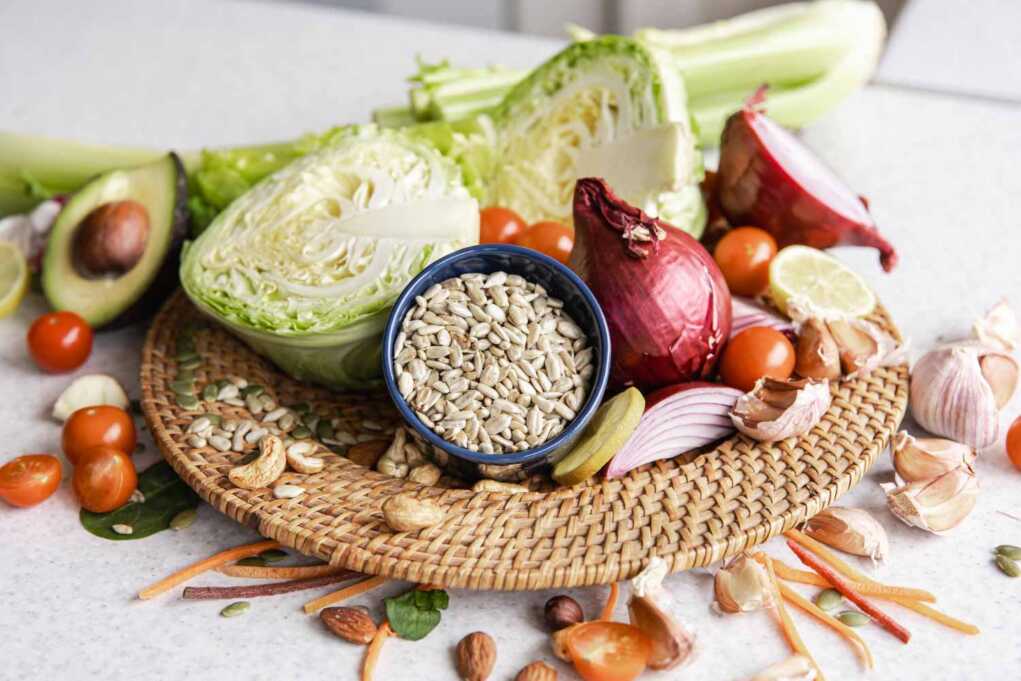
When people think of fiber-rich foods, apples often come to mind first — thanks to the old adage “an apple a day keeps the doctor away.” A medium apple with its skin on contains a respectable amount of dietary fiber, usually around 3–4.5 grams per fruit, which helps support digestion, steady blood sugar, and heart health. However, while apples are healthy and convenient, there’s a wide range of foods that contain more fiber per serving — sometimes significantly more — and offer additional nutrients that support overall well-being.
Increasing your fiber intake isn’t just about digestion. Dietary fiber plays a role in lowering LDL (“bad”) cholesterol, feeding beneficial gut bacteria, promoting satiety (which helps with weight management), and even reducing the risk of chronic diseases like cardiovascular disease and type 2 diabetes. Yet many people fall short of recommended fiber levels — generally about 25–38 grams per day for adults, depending on age and sex. This article highlights numerous plant-based foods that outpace apples in fiber content, how they benefit your health, and practical ways to include them in your meals.
🍇 Top Fiber-Packed Fruits
Berries
Small but mighty, berries stand out for both fiber and antioxidants.
- Raspberries — About 8 grams of fiber per cup, roughly double that of an apple.
- Blackberries — Similar to raspberries, providing a high fiber boost along with vitamins and polyphenols.
Avocado
Often called a “healthy fat fruit,” avocado delivers about 10 grams of fiber per medium fruit, making it one of the most fiber-dense fruits available.
Pear and Other Fruits
- Pears tend to have more fiber than apples, with around 6 grams per medium fruit.
- Tropical fruits like guava and passion fruit also offer remarkable fiber amounts — in some cases much more than a cup of raspberries.
Adding these fruits to your breakfast bowl, salads, or smoothies can easily increase your daily fiber totals without feeling like a chore.
🫘 Legumes, Seeds & Whole Grains: Fiber Heavyweights
Legumes
Beans, lentils, and peas are some of the most concentrated plant sources of fiber:
- Lentils — A cooked cup can provide around 15 grams (many times more than an apple).
- Black beans and other beans also deliver strong fiber punches, often in addition to protein and micronutrients.
Seeds
- Chia seeds — Just 2 tablespoons can provide about 10 grams of fiber.
- Flaxseeds are similarly dense and add omega-3 fats to boot.
Whole Grains
Whole grains like oats, barley, quinoa, and whole-wheat products contain significantly more fiber per serving than refined grains, often around 8–10 grams per cooked cup.
Incorporating legumes and whole grains into your meals not only boosts fiber but also protein and complex carbohydrates that stabilize energy levels throughout the day.
🥦 Fiber-Rich Vegetables
Many vegetables surpass apples in fiber and bring essential vitamins, minerals, and antioxidants along with it:
- Artichokes — One cooked artichoke can contain around 10 grams of fiber, making it one of the most fibrous vegetables.
- Broccoli, Brussels sprouts, and sweet potatoes — Often provide about 4–5 grams or more per serving and contribute significantly when eaten regularly.
Vegetables like these are versatile — roasted, steamed, or added to soups and stir-fries — and help diversify your fiber sources.
🧠 Health Benefits of Going Beyond the Apple
Eating a variety of high-fiber foods helps you tap into both soluble and insoluble fiber, each with unique benefits. Soluble fiber — found in oats, legumes, and many fruits — helps with blood lipid and glucose control. Insoluble fiber — common in whole grains, seeds, and vegetable skins — adds bulk to stool and supports regularity.
Beyond digestive comfort, higher fiber diets are associated with lower risks of heart disease, improved weight management, and better metabolic health. But for many people, sudden increases in fiber can cause gas or bloating, so it’s best to increase intake gradually and stay well-hydrated as you add more whole plant foods.
📚 Sources:
Here are the reputable health resources used to inform this article:
- 5 fibre rich foods other than apple – HealthShots
https://www.healthshots.com/healthy-eating/nutrition/fibre-rich-foods-other-than-apple/ - High Fiber Foods: Fruits, Vegetables, and More – Healthline
https://www.healthline.com/nutrition/22-high-fiber-foods/ - Dietary fiber: Essential for a healthy diet – Mayo Clinic
https://www.mayoclinic.org/healthy-lifestyle/nutrition-and-healthy-eating/in-depth/fiber/art-20043983 - High-Fiber Foods You Should Eat – Cleveland Clinic
https://health.clevelandclinic.org/high-fiber-foods/ - Apples vs Pears: Nutritional differences, fiber content & health benefits – Economic Times
https://economictimes.indiatimes.com/news/international/us/apples-vs-pears-nutritional-differences-fiber-content-health-benefits/articleshow/122373374.cms
Disclaimer
The watching, interacting, and participation of any kind with anything on this page does not constitute or initiate a doctor-patient relationship with Dr. Farrah™. None of the statements here have been evaluated by the Food and Drug Administration (FDA). The products of Dr. Farrah™ are not intended to diagnose, treat, cure, or prevent any disease. The information being provided should only be considered for education and entertainment purposes only. If you feel that anything you see or hear may be of value to you on this page or on any other medium of any kind associated with, showing, or quoting anything relating to Dr. Farrah™ in any way at any time, you are encouraged to and agree to consult with a licensed healthcare professional in your area to discuss it. If you feel that you’re having a healthcare emergency, seek medical attention immediately. The views expressed here are simply either the views and opinions of Dr. Farrah™ or others appearing and are protected under the first amendment.
Dr. Farrah™ is a highly experienced Licensed Medical Doctor certified in evidence-based clinical nutrition, not some enthusiast, formulator, or medium promoting the wild and unrestrained use of nutrition products for health issues without clinical experience and scientific evidence of therapeutic benefit. Dr. Farrah™ has personally and keenly studied everything she recommends, and more importantly, she’s closely observed the reactions and results in a clinical setting countless times over the course of her career involving the treatment of over 150,000 patients.
Dr. Farrah™ promotes evidence-based natural approaches to health, which means integrating her individual scientific and clinical expertise with the best available external clinical evidence from systematic research. By individual clinical expertise, I refer to the proficiency and judgment that individual clinicians acquire through clinical experience and clinical practice.
Dr. Farrah™ does not make any representation or warranties with respect to the accuracy, applicability, fitness, or completeness of any multimedia content provided. Dr. Farrah™ does not warrant the performance, effectiveness, or applicability of any sites listed, linked, or referenced to, in, or by any multimedia content.
To be clear, the multimedia content is not intended to be a substitute for professional medical advice, diagnosis, or treatment. Always seek the advice of your physician or other qualified health providers with any questions you may have regarding a medical condition. Never disregard professional medical advice or delay in seeking it because of something you have read or seen in any website, video, image, or media of any kind. Dr. Farrah™ hereby disclaims any and all liability to any party for any direct, indirect, implied, punitive, special, incidental, or other consequential damages arising directly or indirectly from any use of the content, which is provided as is, and without warranties.