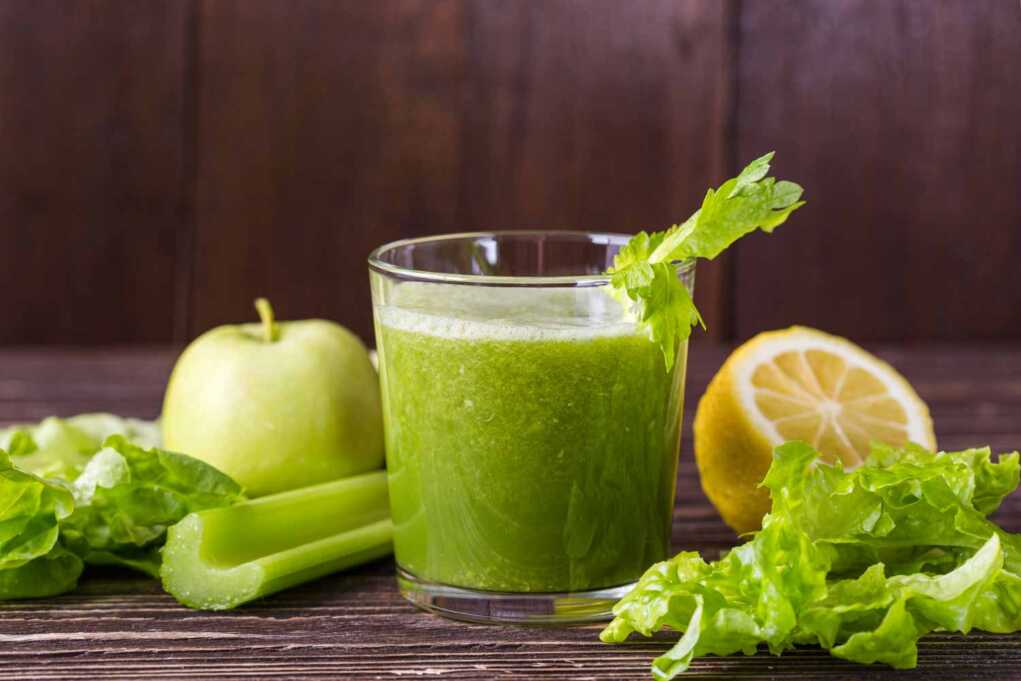
In recent years, celery juice has gone from humble salad-staple to poster child of the wellness world. Social media influencers, wellness bloggers, and even some “health gurus” have touted it as a morning elixir — promising benefits ranging from better digestion, clearer skin, more energy, to detoxification and protection against serious diseases. The appeal is understandable: celery is inexpensive, widely available, and juiced — it’s easy to drink. But in a world where “superfood” claims are often exaggerated, it’s worth asking: does celery juice really deliver real, science-backed benefits, or is it mostly hype?
To answer this, it helps to step back and examine what celery juice actually offers — in terms of nutritional content — and what the most reliable scientific or medical sources say about its effects.
What Celery Juice Does Provide
- Nutrients and hydration. Celery juice is mostly water and is low in calories. A standard cup yields roughly 33 calories, along with small amounts of protein and carbohydrates, and containing vitamins and minerals such as vitamins A, C, and K, calcium, magnesium, potassium, and folate.
- Antioxidants and anti-inflammatory compounds. Celery (and its juice) contains plant compounds such as flavonoids and phenolic acids, like apigenin and luteolin, which act as antioxidants and may help counter oxidative stress and inflammation.
- Potential for hydration and low sugar intake. Because the juice is largely water and naturally low in sugar, it can be a healthier alternative to sugary drinks or sodas.
These characteristics — hydration, some essential nutrients, and antioxidants — suggest that celery juice can certainly be a part of a healthy diet.
What the Evidence Does Not Support — And The Claims That Are Likely Overblown
Despite its popularity, many of the extravagant claims about celery juice lack solid scientific backing. Here’s how the science stacks up:
- No strong evidence for “miracle cures.” While celery contains beneficial compounds, there is no substantial evidence that drinking celery juice alone can “detoxify” the body, cure chronic illnesses, or dramatically prevent cancer. Clouds of bold claims — like those presenting celery juice as a cure-all — tend to come from anecdotal reports, not rigorous human studies.
- Fiber loss when juiced. One common motive for juicing is gut health or digestion, but juicing often removes much of the natural fiber that celery offers. Since dietary fiber is important for bowel regularity, cholesterol management, and sustained fullness, juiced celery may offer fewer of those benefits compared to eating whole celery stalks.
- Limited or weak evidence for blood-pressure or heart-health benefits. Some small studies or lab-based experiments suggest that certain celery-derived compounds may relax blood vessels or modulate blood pressure. But these findings — often based on celery extracts or seeds — do not directly translate to daily consumption of celery juice.
- Over-reliance on one “magic” food — undermines the value of dietary variety. Experts often note that many of the purported benefits (antioxidants, vitamins, hydration) are not unique to celery juice; similar — and sometimes stronger — benefits can be achieved through a balanced diet rich in a variety of fruits and vegetables. Focusing obsessively on a single food item may lead to neglect of other important nutrients.
In short: while celery juice is not inherently harmful and may provide some modest health perks, treating it as a “superfood cure” goes well beyond what current evidence supports.
The Bottom Line: Celery Juice — Helpful, Not Magical
Celery juice can be a beneficial addition to a healthy diet, especially if you enjoy it and use it to replace sugary or highly processed drinks. It offers hydration, some vitamins and minerals, and antioxidant compounds — all of which matter for general health.
However, it’s not a magic potion. The most sweeping claims — detoxing your body, curing chronic illnesses, dramatically improving blood pressure or skin, or boosting thyroid function — remain unproven. If you want to support inflammation reduction, cardiovascular health, stable digestion, and better nutrient intake, you’re likely better off focusing on a varied diet that includes whole vegetables (not just celery) — and using celery juice as a complement, not a cornerstone.
If you like, I can also include a short “what to know before you drink celery juice” guide (with cautions and when to avoid it) — that tends to be useful.
Sources:
- WebMD – “Celery Juice: Is It Good for You? Pros and Cons, Nutrition Information, and More” WebMD
- Healthline – “Is Celery Juice Healthy? All You Need to Know” Healthline
- Cleveland Clinic – “Celery Juice Is a Trendy Detox Drink — But Does It Actually Have Benefits?” Cleveland Clinic
- MDPI Scientific Study – “Comprehensive Quality and Bioactive Constituent Analysis of Celery Juice Made from Different Cultivars” mdpi.com
- MedicalNewsToday – “Celery juice: Benefits and myths” Medical News Today
Disclaimer
The watching, interacting, and participation of any kind with anything on this page does not constitute or initiate a doctor-patient relationship with Dr. Farrah™. None of the statements here have been evaluated by the Food and Drug Administration (FDA). The products of Dr. Farrah™ are not intended to diagnose, treat, cure, or prevent any disease. The information being provided should only be considered for education and entertainment purposes only. If you feel that anything you see or hear may be of value to you on this page or on any other medium of any kind associated with, showing, or quoting anything relating to Dr. Farrah™ in any way at any time, you are encouraged to and agree to consult with a licensed healthcare professional in your area to discuss it. If you feel that you’re having a healthcare emergency, seek medical attention immediately. The views expressed here are simply either the views and opinions of Dr. Farrah™ or others appearing and are protected under the first amendment.
Dr. Farrah™ is a highly experienced Licensed Medical Doctor certified in evidence-based clinical nutrition, not some enthusiast, formulator, or medium promoting the wild and unrestrained use of nutrition products for health issues without clinical experience and scientific evidence of therapeutic benefit. Dr. Farrah™ has personally and keenly studied everything she recommends, and more importantly, she’s closely observed the reactions and results in a clinical setting countless times over the course of her career involving the treatment of over 150,000 patients.
Dr. Farrah™ promotes evidence-based natural approaches to health, which means integrating her individual scientific and clinical expertise with the best available external clinical evidence from systematic research. By individual clinical expertise, I refer to the proficiency and judgment that individual clinicians acquire through clinical experience and clinical practice.
Dr. Farrah™ does not make any representation or warranties with respect to the accuracy, applicability, fitness, or completeness of any multimedia content provided. Dr. Farrah™ does not warrant the performance, effectiveness, or applicability of any sites listed, linked, or referenced to, in, or by any multimedia content.
To be clear, the multimedia content is not intended to be a substitute for professional medical advice, diagnosis, or treatment. Always seek the advice of your physician or other qualified health providers with any questions you may have regarding a medical condition. Never disregard professional medical advice or delay in seeking it because of something you have read or seen in any website, video, image, or media of any kind. Dr. Farrah™ hereby disclaims any and all liability to any party for any direct, indirect, implied, punitive, special, incidental, or other consequential damages arising directly or indirectly from any use of the content, which is provided as is, and without warranties.