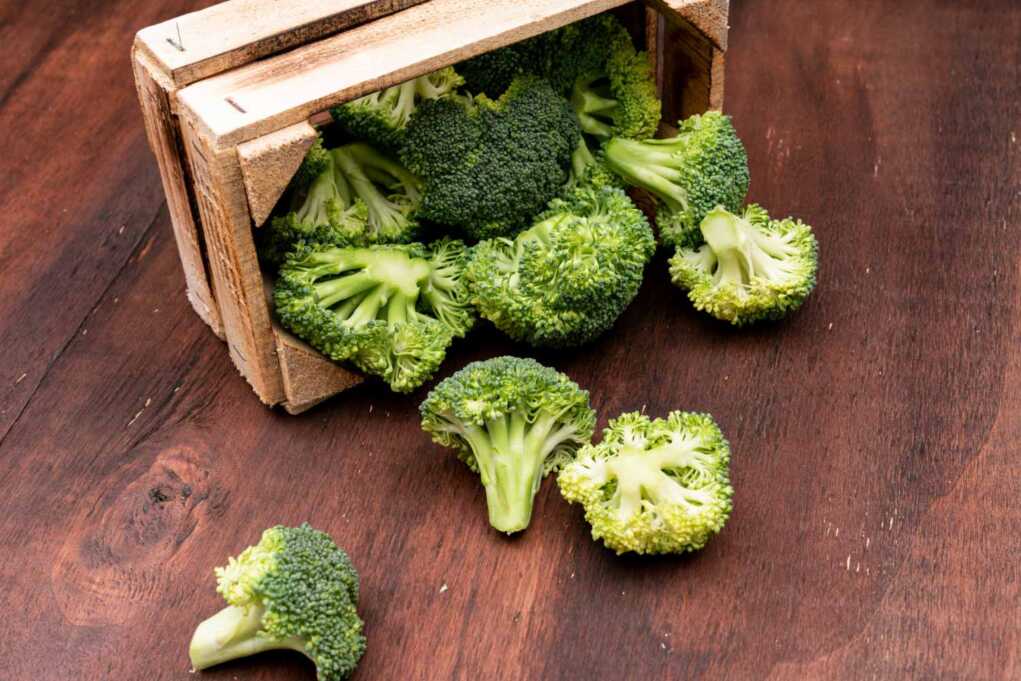
Colon cancer remains one of the most prevalent—and preventable—forms of cancer worldwide. While genetics and lifestyle factors play a role, diet is one of the most powerful tools we have for reducing risk. Among the many foods studied for their potential cancer-fighting properties, broccoli and other cruciferous vegetables consistently stand out. Rich in fiber, antioxidants, and unique plant compounds, broccoli may offer significant protection against colorectal cancer when consumed regularly.
Recent studies suggest that even modest daily servings of broccoli—about half a cup—could lower your risk of developing colon cancer. But how strong is the science behind this claim? And how much broccoli is enough to make a meaningful difference? In this article, we explore what the latest research from leading health organizations and scientific journals reveals about broccoli’s potential role in colon cancer prevention.
1. A Dose‑Response Relationship: How Much Helps?
A recent 2025 meta-analysis in BMC Gastroenterology synthesized data from 17 studies and found an inverse, nonlinear dose–response between cruciferous vegetable intake (including broccoli) and colon cancer incidence. The greatest protective benefits emerged at about 20–40 grams per day, with the risk continuing to decline up to around 60 grams before plateauing. Another review echoed this, noting that eating 20–40 grams daily was linked to roughly a 20% lower risk of colon cancer.
2. How Broccoli Might Protect You
Broccoli is rich in compounds like sulforaphane, glucosinolates, indoles, and antioxidants (e.g., vitamin C, carotenoids). These substances may help:
- Detoxify carcinogens
- Induce cancer cell death (apoptosis)
- Arrest tumor cell development
- Reduce inflammation and oxidative damage
- Support healthy gut microbiota thanks to fiber and bioactive compounds
Laboratory studies and observational data suggest these mechanisms help explain broccoli’s potential to lower cancer risk, including in the colon.
3. Evidence from Human Studies: Mixed but Promising
- A comprehensive systematic review incorporating 23 case–control and 12 cohort studies found that people with higher broccoli consumption had 36% lower odds of developing cancer in case–control studies (OR ~ 0.64), and a modest but notable risk reduction in cohort studies (RR ~ 0.89). However, in cohort studies, the reduction in colorectal cancer specifically was not always statistically significant, though trends were favorable.
- Broader meta-analyses of cruciferous vegetables including broccoli show an overall relative risk around 0.82 for colorectal cancer—an 18% reduction when comparing highest vs. lowest intake groups.
Thus, while cohort studies sometimes yield borderline significance, the collective evidence supports a protective association.
4. Supporting Evidence from Health Experts
- EatingWell highlights broccoli (especially sprouts) for its high sulforaphane content and its ability to support detoxification and protect DNA—citing it as a top food choice for lowering colon cancer risk.
- A 2025 aggregated analysis of nearly 640,000 individuals found consuming 40–60 grams of cruciferous veggies daily corresponded to 20–26% lower colorectal cancer risk. Benefits plateaued beyond that intake.
- UCLA Health experts affirm that broccoli provides anticarcinogenic phytochemicals linked to reducing risks across multiple cancers, including colon cancer.
5. Practical Takeaway: What to Eat and How Much
- Eat at least 20–40 grams of broccoli (or other cruciferous vegetables) daily. That’s about half a cup of chopped broccoli—simple to integrate into meals.
- Higher intake up to 60 grams per day offers more benefit, but benefits tend to plateau beyond that level.
- Incorporate variety: Broccoli, cauliflower, cabbage, kale, Brussels sprouts—all contribute similar benefits.
- Combine with an overall healthy diet and lifestyle: High fiber intake, regular physical activity, weight management, limiting red/processed meat, avoiding smoking, and adhering to screening guidelines.
In Summary
Yes—eating more broccoli and related cruciferous vegetables is associated with a notable reduction in colon cancer risk, backed by multiple epidemiological studies and expert consensus. Aiming for about 20–60 grams per day—with 40 grams (half a cup chopped) being an effective target—is a practical and achievable strategy to support colon health. Let me know if you’d like tips on preparation, recipes, or integrating more of these veggies into your routine!
References / Further Reading:
- Cruciferous vegetables intake and risk of colon cancer: a dose–response meta-analysis (BMC Gastroenterology, August 2025) BioMed Central
- Broccoli consumption and cancer risk: updated systematic review and meta‑analysis of observational studies MDPIPubMed
- Medical News Today coverage: 20–40 g of cruciferous veg/day linked to highest colon cancer protection Medical News Today
- Meta‑analysis of cruciferous vegetable intake and colorectal cancer risk (Annals of Oncology, 2012) PMCPubMed
- EatingWell article: “6 Foods to Eat Weekly to Lower Your Risk of Colon Cancer” (July 2025) EatingWell
- New study: 40–60 g cruciferous veggies daily lowers colorectal cancer risk by 20–26% (Aug 2025) New York Post
- UCLA Health article on broccoli’s cancer‑fighting properties by Chayil Champion (Dec 2023) UCLA Health
Disclaimer
The watching, interacting, and participation of any kind with anything on this page does not constitute or initiate a doctor-patient relationship with Dr. Farrah™. None of the statements here have been evaluated by the Food and Drug Administration (FDA). The products of Dr. Farrah™ are not intended to diagnose, treat, cure, or prevent any disease. The information being provided should only be considered for education and entertainment purposes only. If you feel that anything you see or hear may be of value to you on this page or on any other medium of any kind associated with, showing, or quoting anything relating to Dr. Farrah™ in any way at any time, you are encouraged to and agree to consult with a licensed healthcare professional in your area to discuss it. If you feel that you’re having a healthcare emergency, seek medical attention immediately. The views expressed here are simply either the views and opinions of Dr. Farrah™ or others appearing and are protected under the first amendment.
Dr. Farrah™ is a highly experienced Licensed Medical Doctor certified in evidence-based clinical nutrition, not some enthusiast, formulator, or medium promoting the wild and unrestrained use of nutrition products for health issues without clinical experience and scientific evidence of therapeutic benefit. Dr. Farrah™ has personally and keenly studied everything she recommends, and more importantly, she’s closely observed the reactions and results in a clinical setting countless times over the course of her career involving the treatment of over 150,000 patients.
Dr. Farrah™ promotes evidence-based natural approaches to health, which means integrating her individual scientific and clinical expertise with the best available external clinical evidence from systematic research. By individual clinical expertise, I refer to the proficiency and judgment that individual clinicians acquire through clinical experience and clinical practice.
Dr. Farrah™ does not make any representation or warranties with respect to the accuracy, applicability, fitness, or completeness of any multimedia content provided. Dr. Farrah™ does not warrant the performance, effectiveness, or applicability of any sites listed, linked, or referenced to, in, or by any multimedia content.
To be clear, the multimedia content is not intended to be a substitute for professional medical advice, diagnosis, or treatment. Always seek the advice of your physician or other qualified health providers with any questions you may have regarding a medical condition. Never disregard professional medical advice or delay in seeking it because of something you have read or seen in any website, video, image, or media of any kind. Dr. Farrah™ hereby disclaims any and all liability to any party for any direct, indirect, implied, punitive, special, incidental, or other consequential damages arising directly or indirectly from any use of the content, which is provided as is, and without warranties.