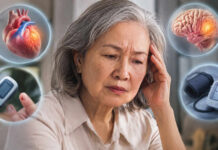

The connection between the mind and body is far more powerful than many people realize. While emotional pain is often viewed as something that exists only in our thoughts and feelings, modern medicine has shown that severe psychological distress can trigger real physical changes throughout the body. Among the most striking examples is the impact that intense emotional stress can have on the heart. Grief, trauma, anxiety, and overwhelming life events can affect cardiovascular health in ways that are both measurable and potentially dangerous.
For generations, the phrase “broken heart” was considered a metaphor for emotional suffering. Today, healthcare professionals recognize that extreme emotional or physical stress can contribute to a condition known as broken heart syndrome, or stress-induced cardiomyopathy. This condition demonstrates that the boundary between emotional and physical health is not as clear as once believed. When the mind is pushed beyond its limits, the heart may respond in ways that mimic a heart attack, reminding us that mental well-being is inseparable from overall health.
The Mind-Heart Connection
The brain and heart communicate continuously through complex networks involving hormones, nerves, and chemical signals. During stressful situations, the body activates its “fight-or-flight” response, releasing stress hormones such as adrenaline. In moderate amounts, this response helps people react to challenges. However, prolonged or extreme stress can place significant strain on the cardiovascular system.
Research has shown that emotional distress can contribute to increased blood pressure, inflammation, changes in heart rhythm, and other cardiovascular risks. Chronic stress, anxiety, and depression have all been linked to poorer heart health outcomes. While not everyone experiencing emotional pain will develop heart problems, the relationship between psychological and cardiovascular health is well established.
What Is Broken Heart Syndrome?
Broken heart syndrome, medically known as Takotsubo cardiomyopathy or stress cardiomyopathy, is a temporary weakening of the heart muscle that often occurs after a sudden emotional or physical shock. Common triggers include the death of a loved one, divorce, financial hardship, severe illness, surgery, accidents, or other highly stressful events.
The condition can cause symptoms that closely resemble a heart attack, including chest pain, shortness of breath, dizziness, and irregular heartbeat. Unlike a heart attack, however, broken heart syndrome is not typically caused by blocked coronary arteries. Instead, experts believe that a sudden surge of stress hormones temporarily disrupts the heart’s ability to pump effectively.
Why Emotional Trauma Affects the Body
Emotional trauma does not remain confined to the mind. When people experience grief, fear, or profound sadness, the body’s stress response can become overwhelmed. Elevated stress hormones may affect blood vessels, heart muscle function, and blood flow. In some individuals, these changes are significant enough to produce physical symptoms that require medical attention.
This phenomenon highlights an important reality: mental health challenges are not merely emotional experiences. They can influence sleep, immunity, digestion, energy levels, and cardiovascular function. The body often carries the burden of emotional suffering, even when the source of the pain originates in the mind.
Recovery and Healing
The encouraging news is that most people diagnosed with broken heart syndrome recover fully with appropriate medical care. Symptoms often improve within days or weeks, and heart function commonly returns to normal within a relatively short period. Nevertheless, the condition can sometimes lead to complications, making prompt medical evaluation essential whenever symptoms such as chest pain or difficulty breathing occur.
Recovery extends beyond physical healing. Managing stress, seeking emotional support, maintaining healthy relationships, engaging in physical activity, and accessing mental health care when needed can all play important roles in protecting both mental and cardiovascular health. Recognizing emotional distress early may help reduce its impact on the body and improve long-term well-being.
Conclusion
The idea that a broken heart can be more than a figure of speech is supported by growing scientific evidence. Severe emotional stress can trigger genuine physiological changes, including conditions that directly affect the heart. The relationship between the mind and body reminds us that emotional health deserves the same attention and care as physical health. When the mind breaks under the weight of grief, trauma, or overwhelming stress, the heart may feel the consequences as well. Understanding this connection is a powerful step toward healthier, more compassionate approaches to both mental and physical wellness.
Sources:
- Mayo Clinic – Broken Heart Syndrome:
https://www.mayoclinic.org/diseases-conditions/broken-heart-syndrome/symptoms-causes/syc-20354617 - Cleveland Clinic – Broken Heart Syndrome:
https://my.clevelandclinic.org/health/diseases/17857-broken-heart-syndrome - American Heart Association – Is Broken Heart Syndrome Real?
https://www.heart.org/en/health-topics/cardiomyopathy/what-is-cardiomyopathy-in-adults/is-broken-heart-syndrome-real - Harvard Health Publishing – What Is Broken Heart Syndrome?
https://www.health.harvard.edu/heart-health/what-is-broken-heart-syndrome - Mayo Clinic Health System – Your Heart Can Break from Stress:
https://www.mayoclinichealthsystem.org/hometown-health/speaking-of-health/your-heart-can-break-from-stress
Disclaimer
The watching, interacting, and participation of any kind with anything on this page does not constitute or initiate a doctor-patient relationship with Dr. Farrah™. None of the statements here have been evaluated by the Food and Drug Administration (FDA). The products of Dr. Farrah™ are not intended to diagnose, treat, cure, or prevent any disease. The information being provided should only be considered for education and entertainment purposes only. If you feel that anything you see or hear may be of value to you on this page or on any other medium of any kind associated with, showing, or quoting anything relating to Dr. Farrah™ in any way at any time, you are encouraged to and agree to consult with a licensed healthcare professional in your area to discuss it. If you feel that you’re having a healthcare emergency, seek medical attention immediately. The views expressed here are simply either the views and opinions of Dr. Farrah™ or others appearing and are protected under the first amendment.
Dr. Farrah™ is a highly experienced Licensed Medical Doctor certified in evidence-based clinical nutrition, not some enthusiast, formulator, or medium promoting the wild and unrestrained use of nutrition products for health issues without clinical experience and scientific evidence of therapeutic benefit. Dr. Farrah™ has personally and keenly studied everything she recommends, and more importantly, she’s closely observed the reactions and results in a clinical setting countless times over the course of her career involving the treatment of over 150,000 patients.
Dr. Farrah™ promotes evidence-based natural approaches to health, which means integrating her individual scientific and clinical expertise with the best available external clinical evidence from systematic research. By individual clinical expertise, I refer to the proficiency and judgment that individual clinicians acquire through clinical experience and clinical practice.
Dr. Farrah™ does not make any representation or warranties with respect to the accuracy, applicability, fitness, or completeness of any multimedia content provided. Dr. Farrah™ does not warrant the performance, effectiveness, or applicability of any sites listed, linked, or referenced to, in, or by any multimedia content.
To be clear, the multimedia content is not intended to be a substitute for professional medical advice, diagnosis, or treatment. Always seek the advice of your physician or other qualified health providers with any questions you may have regarding a medical condition. Never disregard professional medical advice or delay in seeking it because of something you have read or seen in any website, video, image, or media of any kind. Dr. Farrah™ hereby disclaims any and all liability to any party for any direct, indirect, implied, punitive, special, incidental, or other consequential damages arising directly or indirectly from any use of the content, which is provided as is, and without warranties.