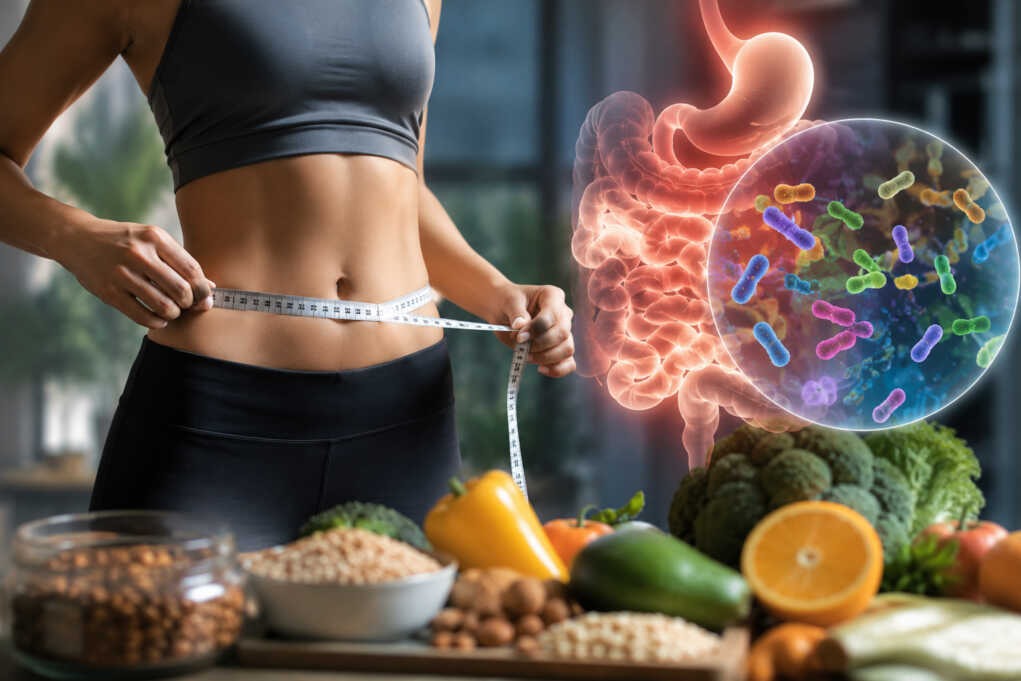
Weight loss is often associated with eating fewer calories and exercising more, but research suggests there may be another important factor involved: gut health. The human digestive system is home to trillions of microorganisms, collectively known as the gut microbiome. These bacteria, fungi, and other microbes play a vital role in digestion, metabolism, immune function, and overall health. Scientists continue to explore how the balance of these microorganisms may influence body weight and the ability to lose excess fat.
Although maintaining a healthy gut is not a magic solution for weight loss, it may support many of the body’s natural processes that contribute to healthy weight management. A balanced gut microbiome can help regulate appetite, improve digestion, reduce inflammation, and influence how the body stores and uses energy. When combined with a nutritious diet, regular physical activity, quality sleep, and stress management, good gut health may become a valuable part of a sustainable weight-loss journey.
What Is Gut Health?
Gut health refers to the proper functioning of the digestive tract and the balance of microorganisms living in the intestines. These microbes help digest certain foods, produce essential vitamins, strengthen the immune system, and protect against harmful bacteria.
A diverse and balanced gut microbiome is generally associated with better health outcomes. However, factors such as poor diet, chronic stress, lack of sleep, illness, smoking, and unnecessary antibiotic use can disrupt this balance, a condition sometimes referred to as gut dysbiosis.
How the Gut May Influence Weight Loss
Researchers have identified several ways the gut microbiome may affect body weight and metabolism.
1. Appetite Regulation
The gut communicates with the brain through a complex network known as the gut-brain axis. Certain gut bacteria help produce hormones involved in hunger and fullness, including ghrelin, leptin, GLP-1, and peptide YY. A healthier gut may help regulate appetite, making it easier to recognize when you’re hungry or satisfied.
2. Energy Extraction From Food
Different types of gut bacteria process food differently. Some microbes are more efficient at extracting calories from food than others. While this area of research is still developing, scientists believe that differences in gut bacteria may partially explain why individuals respond differently to similar diets.
3. Inflammation and Metabolism
An unhealthy gut may contribute to chronic low-grade inflammation, which has been linked to obesity, insulin resistance, and metabolic disorders. Supporting a healthy gut may help reduce inflammation and improve metabolic function.
4. Blood Sugar Control
A balanced gut microbiome may support healthier blood sugar regulation. Stable blood sugar levels can reduce energy crashes and cravings that often lead to overeating.
Foods That Support Gut Health
Eating a variety of nutrient-rich foods helps nourish beneficial gut bacteria.
High-Fiber Foods
Dietary fiber serves as food for beneficial bacteria. Excellent sources include:
- Fruits
- Vegetables
- Whole grains
- Beans and lentils
- Nuts and seeds
Fermented Foods
Fermented foods naturally contain beneficial bacteria that may help support gut diversity.
Examples include:
- Yogurt with live cultures
- Kefir
- Kimchi
- Sauerkraut
- Miso
- Tempeh
Prebiotic Foods
Prebiotics are fibers that feed healthy gut bacteria.
Common prebiotic foods include:
- Garlic
- Onions
- Leeks
- Asparagus
- Bananas
- Oats
- Chicory root
Polyphenol-Rich Foods
Plant compounds called polyphenols may encourage the growth of beneficial bacteria.
Examples include:
- Berries
- Green tea
- Cocoa
- Olive oil
- Grapes
Lifestyle Habits That Improve Gut Health
Healthy daily habits also contribute to a balanced microbiome.
- Exercise regularly.
- Get seven to nine hours of sleep each night.
- Manage stress through relaxation techniques or mindfulness.
- Stay hydrated.
- Avoid smoking.
- Limit highly processed foods and excess added sugars.
- Take antibiotics only when prescribed by a healthcare professional.
Are Probiotics Helpful for Weight Loss?
Probiotics are live microorganisms found in supplements and certain foods. While some studies suggest specific probiotic strains may provide modest support for weight management, current evidence is mixed. Probiotics should not be viewed as a replacement for healthy eating or exercise, and not all products produce the same effects.
Anyone considering probiotic supplements should discuss them with a healthcare provider, especially if they have chronic medical conditions or weakened immune systems.
What the Research Says
Research continues to reveal important connections between the gut microbiome and body weight. However, scientists emphasize that the relationship is highly complex. No single type of bacteria guarantees weight loss, and many factors—including genetics, diet, physical activity, hormones, sleep, and overall lifestyle—play significant roles.
Rather than focusing on quick fixes, experts recommend adopting long-term habits that naturally support both gut health and healthy body weight.
Final Thoughts
A healthy gut can play a supportive role in weight management by promoting better digestion, helping regulate appetite, reducing inflammation, and supporting metabolic health. While improving gut health alone is unlikely to cause significant weight loss, it can complement other healthy lifestyle habits that contribute to lasting success. Eating a fiber-rich diet, including fermented foods, staying active, managing stress, and getting enough sleep are practical ways to care for your gut and your overall health.
Sources:
- Cleveland Clinic – Gut Health: Why It Matters and How to Improve It
https://health.clevelandclinic.org/gut-health - Harvard T.H. Chan School of Public Health – The Nutrition Source: The Microbiome
https://nutritionsource.hsph.harvard.edu/microbiome/ - Johns Hopkins Medicine – The Brain-Gut Connection
https://www.hopkinsmedicine.org/health/wellness-and-prevention/the-brain-gut-connection - Mayo Clinic – Probiotics and Prebiotics: What’s the Difference?
https://www.mayoclinic.org/healthy-lifestyle/consumer-health/in-depth/probiotics/art-20045275 - National Institutes of Health (NIH), National Center for Complementary and Integrative Health – Probiotics: What You Need to Know
https://www.nccih.nih.gov/health/probiotics-what-you-need-to-know
Disclaimer
The watching, interacting, and participation of any kind with anything on this page does not constitute or initiate a doctor-patient relationship with Dr. Farrah™. None of the statements here have been evaluated by the Food and Drug Administration (FDA). The products of Dr. Farrah™ are not intended to diagnose, treat, cure, or prevent any disease. The information being provided should only be considered for education and entertainment purposes only. If you feel that anything you see or hear may be of value to you on this page or on any other medium of any kind associated with, showing, or quoting anything relating to Dr. Farrah™ in any way at any time, you are encouraged to and agree to consult with a licensed healthcare professional in your area to discuss it. If you feel that you’re having a healthcare emergency, seek medical attention immediately. The views expressed here are simply either the views and opinions of Dr. Farrah™ or others appearing and are protected under the first amendment.
Dr. Farrah™ is a highly experienced Licensed Medical Doctor certified in evidence-based clinical nutrition, not some enthusiast, formulator, or medium promoting the wild and unrestrained use of nutrition products for health issues without clinical experience and scientific evidence of therapeutic benefit. Dr. Farrah™ has personally and keenly studied everything she recommends, and more importantly, she’s closely observed the reactions and results in a clinical setting countless times over the course of her career involving the treatment of over 150,000 patients.
Dr. Farrah™ promotes evidence-based natural approaches to health, which means integrating her individual scientific and clinical expertise with the best available external clinical evidence from systematic research. By individual clinical expertise, I refer to the proficiency and judgment that individual clinicians acquire through clinical experience and clinical practice.
Dr. Farrah™ does not make any representation or warranties with respect to the accuracy, applicability, fitness, or completeness of any multimedia content provided. Dr. Farrah™ does not warrant the performance, effectiveness, or applicability of any sites listed, linked, or referenced to, in, or by any multimedia content.
To be clear, the multimedia content is not intended to be a substitute for professional medical advice, diagnosis, or treatment. Always seek the advice of your physician or other qualified health providers with any questions you may have regarding a medical condition. Never disregard professional medical advice or delay in seeking it because of something you have read or seen in any website, video, image, or media of any kind. Dr. Farrah™ hereby disclaims any and all liability to any party for any direct, indirect, implied, punitive, special, incidental, or other consequential damages arising directly or indirectly from any use of the content, which is provided as is, and without warranties.