Maintaining healthy blood sugar levels is one of the most important aspects of preventing and managing metabolic conditions such as prediabetes and type 2 diabetes. While many people focus on food choices, beverages often go overlooked—even though they can have a rapid and significant effect on glucose levels. Sugary drinks like sodas, sweetened teas, and fruit juices can cause sharp spikes in blood sugar, placing stress on the body’s insulin response and increasing the risk of long-term complications. Replacing these with healthier options is a simple yet powerful step toward better metabolic health.
That said, no drink can singlehandedly “cure” high blood sugar. Instead, certain beverages may support the body’s natural ability to regulate glucose when combined with a balanced diet, regular physical activity, and proper medical care. Many of these drinks contain bioactive compounds—such as antioxidants, polyphenols, probiotics, or acetic acid—that can improve insulin sensitivity, reduce inflammation, or slow carbohydrate absorption. By understanding which drinks offer these benefits, you can make smarter daily choices that contribute to more stable energy levels and overall wellness.
Why Beverage Choices Matter for Blood Sugar
Unlike solid foods, liquids are often digested and absorbed more quickly, which means their impact on blood sugar can be immediate. Drinks high in refined sugar can lead to rapid glucose spikes followed by crashes, leaving you feeling fatigued and hungry. Over time, this cycle can contribute to insulin resistance.
On the other hand, low-calorie or nutrient-rich beverages can help:
- Maintain hydration, which supports kidney function and glucose regulation
- Reduce overall sugar intake
- Provide compounds that enhance insulin efficiency
- Support gut health, which is increasingly linked to metabolic balance
Choosing the right beverages is not just about avoiding sugar—it’s about selecting options that actively support your body’s internal balance.
1. Water: The Ultimate Blood Sugar Stabilizer
Water is the best and most essential drink for overall health, including blood sugar control. It contains zero calories and carbohydrates, making it ideal for preventing glucose spikes. Staying hydrated helps your kidneys flush out excess sugar through urine and ensures that your body’s systems function efficiently.
Drinking enough water may also reduce the risk of developing high blood sugar levels over time. If plain water feels boring, you can enhance it naturally with slices of lemon, cucumber, or mint—without adding sugar.
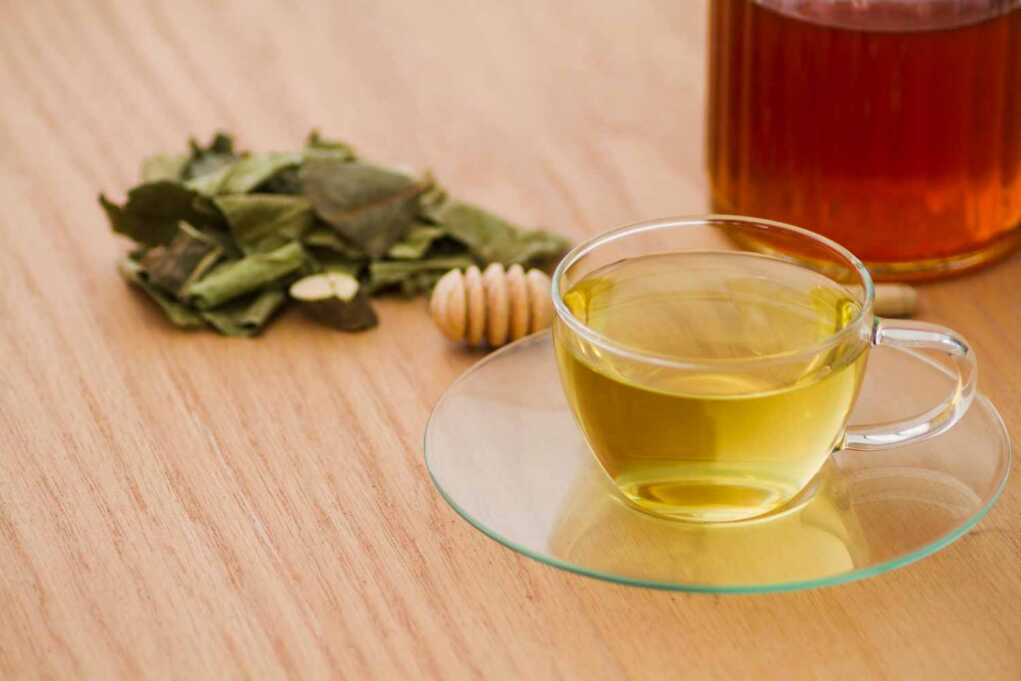
2. Green Tea: A Powerful Antioxidant Boost
Green tea is rich in catechins, a type of antioxidant that has been linked to improved insulin sensitivity and reduced blood sugar levels. These compounds may help cells use glucose more effectively, reducing the amount that remains in the bloodstream.
Regular consumption of green tea has also been associated with a lower risk of developing type 2 diabetes. For best results, drink it unsweetened and avoid bottled versions that often contain added sugars.
3. Black Coffee (Unsweetened): Metabolic Support
Black coffee, when consumed without sugar or high-calorie creamers, can be a helpful addition to a blood sugar-friendly routine. It contains compounds such as chlorogenic acid, which may influence how the body processes glucose.
Some studies suggest that regular coffee consumption is associated with a lower risk of type 2 diabetes. However, moderation is key—too much caffeine can affect sleep and stress hormones, which in turn may impact blood sugar.
4. Apple Cider Vinegar Drink: A Traditional Remedy
Apple cider vinegar has gained popularity as a natural aid for blood sugar control. When diluted in water and consumed before meals, it may help reduce post-meal glucose spikes by slowing the digestion of carbohydrates.
The active component, acetic acid, is believed to improve insulin sensitivity. However, it should always be diluted to protect tooth enamel and the digestive tract, and it’s best used as a supplement to—not a replacement for—medical treatment.
5. Kefir and Probiotic Drinks: Supporting Gut Health
Kefir is a fermented dairy drink packed with probiotics—beneficial bacteria that support gut health. Emerging research suggests that a healthy gut microbiome plays a role in regulating blood sugar and reducing inflammation.
Regular consumption of kefir has been linked to improved fasting blood glucose levels and better insulin response. If you are lactose intolerant, you can explore non-dairy probiotic drinks that offer similar benefits.
6. Herbal Teas: Natural and Calming Options
Herbal teas such as chamomile, ginger, peppermint, and hibiscus are naturally caffeine-free and contain various plant compounds that support overall health. Some, like chamomile, have been studied for their potential to lower blood sugar and improve sleep quality.
Better sleep is especially important, as poor sleep can negatively affect insulin sensitivity. Drinking herbal tea in the evening can therefore provide both direct and indirect benefits.
7. Vegetable Juice: Nutrient-Dense and Low Glycemic
Unlike fruit juices, which are often high in natural sugars, vegetable juices tend to be lower on the glycemic index. Options like tomato juice or green vegetable blends provide vitamins, minerals, and antioxidants without causing rapid blood sugar spikes.
To maximize benefits, choose fresh or low-sodium versions with no added sugars. Blending whole vegetables rather than juicing them can also help retain fiber, which slows sugar absorption.
8. Milk and Unsweetened Plant-Based Alternatives
Milk contains lactose, a natural sugar, but its protein and fat content help slow down its absorption, resulting in a more gradual rise in blood sugar. It also provides essential nutrients like calcium and vitamin D.
Unsweetened plant-based milks—such as almond, soy, or oat milk—can be good alternatives, especially for those who are lactose intolerant. Be sure to choose versions without added sugars or artificial flavorings.
9. Cinnamon-Infused Drinks: A Flavorful Addition
Cinnamon has been studied for its potential role in improving insulin sensitivity and lowering fasting blood sugar levels. Adding a small amount of cinnamon to tea, coffee, or warm water can provide a subtle flavor boost along with possible metabolic benefits.
While promising, cinnamon should be used in moderation and as part of a broader healthy lifestyle.
Drinks to Limit or Avoid
Just as important as choosing the right drinks is avoiding those that can disrupt blood sugar control. These include:
- Sugar-sweetened beverages (sodas, energy drinks, sweet teas)
- Fruit juices with added sugars
- Flavored coffee drinks and milkshakes
- Sweetened plant-based milks
These drinks can cause rapid spikes in blood sugar and contribute to weight gain and insulin resistance over time.
Practical Tips for Choosing Better Drinks
- Always read labels for hidden sugars
- Choose “unsweetened” whenever possible
- Limit artificial sweeteners if they trigger cravings
- Stay consistent with hydration throughout the day
- Pair drinks with balanced meals for better glucose control
Final Thoughts
Healthy beverages can be a simple yet effective way to support natural blood sugar control. While no drink works in isolation, incorporating options like water, green tea, kefir, and herbal infusions into your daily routine can make a meaningful difference over time. These drinks not only help reduce sugar intake but also provide beneficial compounds that support metabolism, gut health, and overall well-being.
Ultimately, the goal is to build sustainable habits. By consistently choosing drinks that nourish your body rather than spike your blood sugar, you create a foundation for long-term health and energy.
Sources:
- Harvard Health Publishing
https://www.health.harvard.edu/diseases-and-conditions/harvard-study-ditching-sugary-drinks-tied-to-reduced-diabetes-complications - Healthline
https://www.healthline.com/nutrition/foods-to-lower-blood-sugar - Medical News Today
https://www.medicalnewstoday.com/articles/314164 - Verywell Health
https://www.verywellhealth.com/drinks-to-lower-blood-sugar-11937289 - Mayo Clinic
https://www.mayoclinic.org/diseases-conditions/diabetes/in-depth/diabetes-diet/art-20044295
Disclaimer
The watching, interacting, and participation of any kind with anything on this page does not constitute or initiate a doctor-patient relationship with Dr. Farrah™. None of the statements here have been evaluated by the Food and Drug Administration (FDA). The products of Dr. Farrah™ are not intended to diagnose, treat, cure, or prevent any disease. The information being provided should only be considered for education and entertainment purposes only. If you feel that anything you see or hear may be of value to you on this page or on any other medium of any kind associated with, showing, or quoting anything relating to Dr. Farrah™ in any way at any time, you are encouraged to and agree to consult with a licensed healthcare professional in your area to discuss it. If you feel that you’re having a healthcare emergency, seek medical attention immediately. The views expressed here are simply either the views and opinions of Dr. Farrah™ or others appearing and are protected under the first amendment.
Dr. Farrah™ is a highly experienced Licensed Medical Doctor certified in evidence-based clinical nutrition, not some enthusiast, formulator, or medium promoting the wild and unrestrained use of nutrition products for health issues without clinical experience and scientific evidence of therapeutic benefit. Dr. Farrah™ has personally and keenly studied everything she recommends, and more importantly, she’s closely observed the reactions and results in a clinical setting countless times over the course of her career involving the treatment of over 150,000 patients.
Dr. Farrah™ promotes evidence-based natural approaches to health, which means integrating her individual scientific and clinical expertise with the best available external clinical evidence from systematic research. By individual clinical expertise, I refer to the proficiency and judgment that individual clinicians acquire through clinical experience and clinical practice.
Dr. Farrah™ does not make any representation or warranties with respect to the accuracy, applicability, fitness, or completeness of any multimedia content provided. Dr. Farrah™ does not warrant the performance, effectiveness, or applicability of any sites listed, linked, or referenced to, in, or by any multimedia content.
To be clear, the multimedia content is not intended to be a substitute for professional medical advice, diagnosis, or treatment. Always seek the advice of your physician or other qualified health providers with any questions you may have regarding a medical condition. Never disregard professional medical advice or delay in seeking it because of something you have read or seen in any website, video, image, or media of any kind. Dr. Farrah™ hereby disclaims any and all liability to any party for any direct, indirect, implied, punitive, special, incidental, or other consequential damages arising directly or indirectly from any use of the content, which is provided as is, and without warranties.