
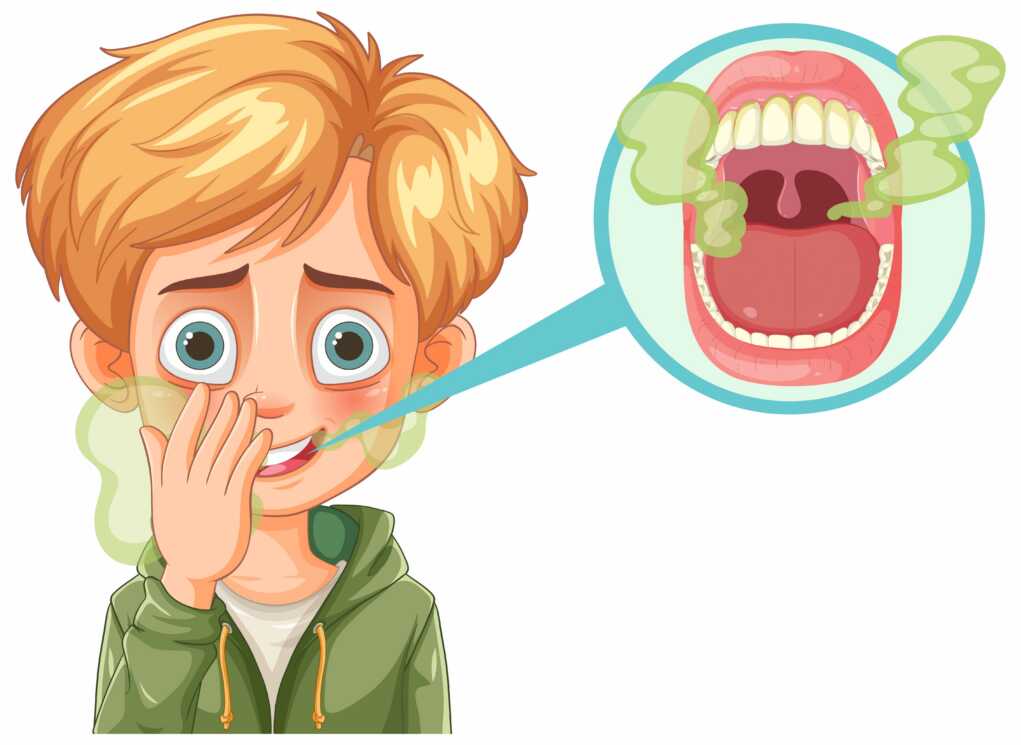
Your breath is more than just a social concern—it can be a subtle but powerful indicator of your overall health. While many people associate bad breath with poor oral hygiene or strong-smelling foods, medical research shows that the scent of your breath can sometimes signal deeper issues occurring inside your body. From metabolic disorders to infections, the body releases chemical compounds that can travel through the bloodstream and exit through the lungs, altering how your breath smells.
In fact, healthcare professionals often consider breath odor as an early diagnostic clue. Different smells—whether fruity, sour, or ammonia-like—may point to specific conditions that require attention. While not every unusual odor indicates a serious illness, persistent or distinct changes in breath should never be ignored. Understanding what your breath might be telling you can help you seek timely care and maintain better overall health.
1. Persistent Bad Breath (Halitosis)
Chronic bad breath, or halitosis, is most commonly caused by bacteria buildup in the mouth due to poor oral hygiene. These bacteria break down food particles and release foul-smelling sulfur compounds.
However, persistent halitosis may also indicate:
- Gum disease (periodontitis)
- Tooth decay or oral infections
- Dry mouth (xerostomia), which reduces saliva needed to cleanse the mouth
2. Fruity or Sweet-Smelling Breath
A fruity or sweet odor on the breath can be a warning sign of diabetic ketoacidosis, a serious complication of diabetes. This happens when the body breaks down fat for energy, producing chemicals called ketones that create a distinct smell.
This condition is potentially life-threatening and requires immediate medical attention.
3. Ammonia or Urine-Like Breath
Breath that smells like ammonia or urine may be linked to kidney problems. When the kidneys are not functioning properly, waste products like urea build up in the body and can affect breath odor.
This type of smell is often associated with chronic kidney disease or kidney failure.
4. Foul or Rotten Odor
A strong, rotten smell may indicate:
- Severe gum disease
- Tonsil stones (bacteria-filled debris in the tonsils)
- Respiratory infections such as sinusitis or bronchitis
These conditions allow bacteria to thrive and produce particularly unpleasant odors.
5. Sour or Acidic Breath
Sour-smelling breath can be associated with digestive issues, particularly acid reflux (GERD). In this condition, stomach acids travel back up the esophagus, affecting breath odor.
Although less common than oral causes, digestive disorders can contribute to noticeable breath changes.
6. Fecal-Like Breath
In rare cases, breath that smells like feces may signal a serious intestinal blockage or prolonged vomiting. This occurs when digestive contents cannot move properly through the system.
This symptom requires urgent medical evaluation.
7. Musty or Sweet Odor
A musty or slightly sweet smell may be linked to liver disease. When the liver fails to properly filter toxins, certain chemicals can accumulate and affect breath odor.
When to See a Doctor
Occasional bad breath is normal, especially after eating certain foods. However, you should consult a healthcare professional if:
- The odor persists despite good oral hygiene
- The smell is unusual (fruity, ammonia-like, or foul)
- You experience other symptoms like dry mouth, pain, or fatigue
Breath changes are often harmless, but in some cases, they can be early warning signs of serious health conditions.
Conclusion
Your breath can act as a window into your body’s internal health. While most cases of bad breath originate in the mouth, distinct odors may signal conditions involving the kidneys, liver, lungs, or metabolic system. Paying attention to these subtle cues—and seeking medical advice when necessary—can make a significant difference in early detection and treatment. Ultimately, maintaining good oral hygiene and regular health checkups remains the best way to keep both your breath and your body in optimal condition.
Sources:
- Johns Hopkins Medicine – https://www.hopkinsmedicine.org/health/conditions-and-diseases/halitosis-bad-breath
- Mayo Clinic – https://www.mayoclinic.org/diseases-conditions/bad-breath/symptoms-causes/syc-20350922
- Harvard Health Publishing – https://www.health.harvard.edu/healthy-aging-and-longevity/halitosis-common-causes-effective-treatments-and-powerful-prevention-for-bad-breath
- Healthline – https://www.healthline.com/health/types-of-bad-breath-smells
- MedlinePlus – https://medlineplus.gov/ency/article/003058.htm
Disclaimer
The watching, interacting, and participation of any kind with anything on this page does not constitute or initiate a doctor-patient relationship with Dr. Farrah™. None of the statements here have been evaluated by the Food and Drug Administration (FDA). The products of Dr. Farrah™ are not intended to diagnose, treat, cure, or prevent any disease. The information being provided should only be considered for education and entertainment purposes only. If you feel that anything you see or hear may be of value to you on this page or on any other medium of any kind associated with, showing, or quoting anything relating to Dr. Farrah™ in any way at any time, you are encouraged to and agree to consult with a licensed healthcare professional in your area to discuss it. If you feel that you’re having a healthcare emergency, seek medical attention immediately. The views expressed here are simply either the views and opinions of Dr. Farrah™ or others appearing and are protected under the first amendment.
Dr. Farrah™ is a highly experienced Licensed Medical Doctor certified in evidence-based clinical nutrition, not some enthusiast, formulator, or medium promoting the wild and unrestrained use of nutrition products for health issues without clinical experience and scientific evidence of therapeutic benefit. Dr. Farrah™ has personally and keenly studied everything she recommends, and more importantly, she’s closely observed the reactions and results in a clinical setting countless times over the course of her career involving the treatment of over 150,000 patients.
Dr. Farrah™ promotes evidence-based natural approaches to health, which means integrating her individual scientific and clinical expertise with the best available external clinical evidence from systematic research. By individual clinical expertise, I refer to the proficiency and judgment that individual clinicians acquire through clinical experience and clinical practice.
Dr. Farrah™ does not make any representation or warranties with respect to the accuracy, applicability, fitness, or completeness of any multimedia content provided. Dr. Farrah™ does not warrant the performance, effectiveness, or applicability of any sites listed, linked, or referenced to, in, or by any multimedia content.
To be clear, the multimedia content is not intended to be a substitute for professional medical advice, diagnosis, or treatment. Always seek the advice of your physician or other qualified health providers with any questions you may have regarding a medical condition. Never disregard professional medical advice or delay in seeking it because of something you have read or seen in any website, video, image, or media of any kind. Dr. Farrah™ hereby disclaims any and all liability to any party for any direct, indirect, implied, punitive, special, incidental, or other consequential damages arising directly or indirectly from any use of the content, which is provided as is, and without warranties.