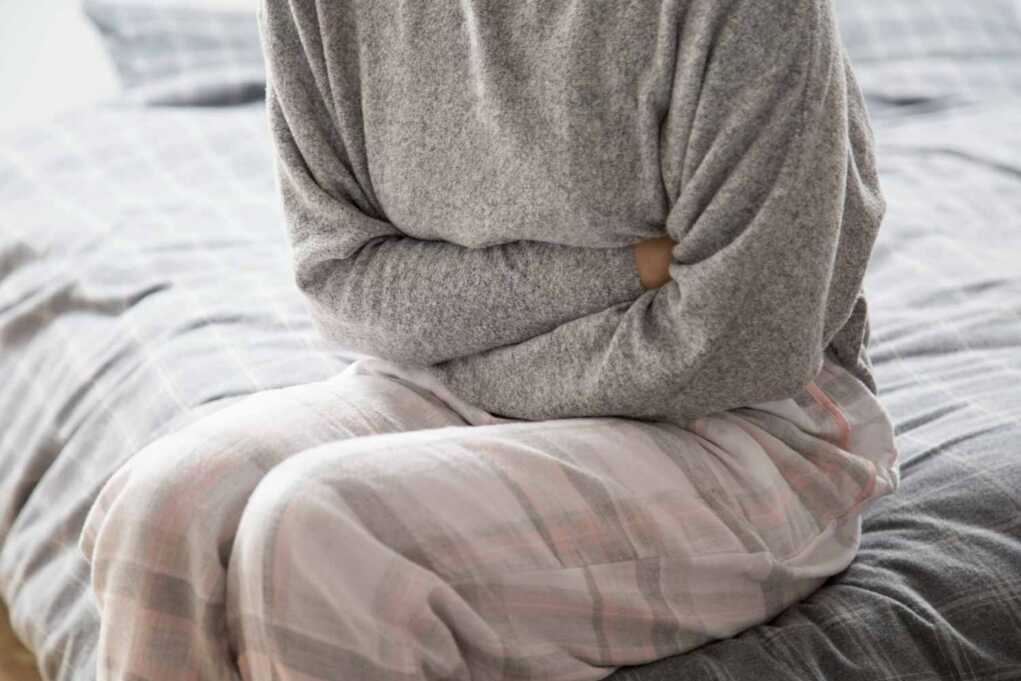
Many people assume that severe period pain is simply part of menstruation. While mild to moderate cramps are common, doctors say pain that disrupts daily life should never be ignored. For some women, what seems like typical menstrual discomfort may actually be a sign of endometriosis, a chronic condition where tissue similar to the lining of the uterus grows outside the uterus. This misplaced tissue still responds to hormonal changes during the menstrual cycle, causing inflammation, pain, and sometimes scar tissue.
Endometriosis affects millions of women worldwide, yet it is often underdiagnosed or mistaken for normal period pain. Because symptoms vary widely, many people live with the condition for years before receiving a diagnosis. Recognizing the warning signs early can help individuals seek medical evaluation and treatment sooner. According to doctors and major health organizations, several symptoms may indicate that painful periods are actually related to endometriosis rather than ordinary cramps.
1. Period Pain That Is Far Worse Than Typical Cramps
Most menstrual cramps cause discomfort but remain manageable with rest or over-the-counter medication. In contrast, endometriosis often causes severe, debilitating pain that can interfere with work, school, or everyday activities. Some people experience pain that starts before their period begins and continues for several days into the cycle.
Doctors emphasize that cramps intense enough to stop normal activities should be evaluated. Extreme menstrual pain—especially when it worsens over time—can be a key sign of endometriosis.
2. Chronic Pelvic Pain Even Outside Your Period
While most menstrual cramps occur only during menstruation, endometriosis can cause persistent pelvic pain throughout the month. This pain may feel like ongoing pressure, aching, or stabbing sensations in the lower abdomen or pelvic area.
Chronic pelvic pain happens because the abnormal tissue growth triggers inflammation and irritation within the pelvis. In some cases, scar tissue can develop and cause organs to stick together, leading to continued discomfort.
3. Pain During or After Sex
Another common symptom doctors look for is painful intercourse, medically known as dyspareunia. This occurs when endometriosis tissue grows behind the uterus or in other areas affected during sexual activity.
The pain may feel deep inside the pelvis and can persist even after intercourse. Many people hesitate to discuss this symptom, but doctors say it can be an important clue when diagnosing endometriosis.
4. Painful Bowel Movements or Urination During Your Period
Endometriosis can sometimes affect areas near the bladder or intestines. As a result, some individuals experience pain when urinating or having a bowel movement, especially during their menstrual cycle.
These symptoms may also be accompanied by digestive issues such as diarrhea, constipation, bloating, or nausea around the time of menstruation.
5. Heavy Periods or Bleeding Between Periods
Unusually heavy menstrual bleeding or spotting between cycles can also be associated with endometriosis. Some individuals notice that their periods last longer than usual or include heavy flow and clotting.
Although heavy periods can have multiple causes, doctors consider them a possible sign when combined with severe pain and other symptoms.
6. Difficulty Getting Pregnant
Endometriosis is sometimes discovered during fertility evaluations. Scar tissue, inflammation, and damage to reproductive organs can interfere with egg quality, fallopian tubes, or implantation.
Studies suggest that 25% to 50% of women with infertility may have endometriosis, making it a significant factor in reproductive health.
When to See a Doctor
If period pain becomes severe, worsens over time, or is accompanied by symptoms like pelvic pain, digestive problems, or painful sex, experts recommend consulting a healthcare provider. While symptoms alone cannot confirm endometriosis, doctors can evaluate them through exams, imaging tests, and sometimes minimally invasive surgery for a definitive diagnosis.
Early diagnosis and treatment can help manage symptoms and improve quality of life. If your period pain feels far from “normal,” listening to your body and seeking medical advice may be the first step toward understanding the cause.
Sources:
- https://www.mayoclinic.org/health/endometriosis/ds00289
- https://www.hopkinsmedicine.org/health/wellness-and-prevention/period-pain-could-it-be-endometriosis
- https://www.webmd.com/women/endometriosis/understanding-endometriosis-symptoms
- https://www.hopkinsmedicine.org/health/conditions-and-diseases/endometriosis
- https://newsnetwork.mayoclinic.org/discussion/womens-wellness-learn-about-endometriosis/
Disclaimer
The watching, interacting, and participation of any kind with anything on this page does not constitute or initiate a doctor-patient relationship with Dr. Farrah™. None of the statements here have been evaluated by the Food and Drug Administration (FDA). The products of Dr. Farrah™ are not intended to diagnose, treat, cure, or prevent any disease. The information being provided should only be considered for education and entertainment purposes only. If you feel that anything you see or hear may be of value to you on this page or on any other medium of any kind associated with, showing, or quoting anything relating to Dr. Farrah™ in any way at any time, you are encouraged to and agree to consult with a licensed healthcare professional in your area to discuss it. If you feel that you’re having a healthcare emergency, seek medical attention immediately. The views expressed here are simply either the views and opinions of Dr. Farrah™ or others appearing and are protected under the first amendment.
Dr. Farrah™ is a highly experienced Licensed Medical Doctor certified in evidence-based clinical nutrition, not some enthusiast, formulator, or medium promoting the wild and unrestrained use of nutrition products for health issues without clinical experience and scientific evidence of therapeutic benefit. Dr. Farrah™ has personally and keenly studied everything she recommends, and more importantly, she’s closely observed the reactions and results in a clinical setting countless times over the course of her career involving the treatment of over 150,000 patients.
Dr. Farrah™ promotes evidence-based natural approaches to health, which means integrating her individual scientific and clinical expertise with the best available external clinical evidence from systematic research. By individual clinical expertise, I refer to the proficiency and judgment that individual clinicians acquire through clinical experience and clinical practice.
Dr. Farrah™ does not make any representation or warranties with respect to the accuracy, applicability, fitness, or completeness of any multimedia content provided. Dr. Farrah™ does not warrant the performance, effectiveness, or applicability of any sites listed, linked, or referenced to, in, or by any multimedia content.
To be clear, the multimedia content is not intended to be a substitute for professional medical advice, diagnosis, or treatment. Always seek the advice of your physician or other qualified health providers with any questions you may have regarding a medical condition. Never disregard professional medical advice or delay in seeking it because of something you have read or seen in any website, video, image, or media of any kind. Dr. Farrah™ hereby disclaims any and all liability to any party for any direct, indirect, implied, punitive, special, incidental, or other consequential damages arising directly or indirectly from any use of the content, which is provided as is, and without warranties.