The relationship between diet and brain health has long fascinated scientists, especially as rates of Alzheimer’s disease continue to rise worldwide. Among the many dietary factors under scrutiny, meat consumption has emerged as one of the most debated. For decades, conventional wisdom has leaned toward plant-heavy diets as the gold standard for cognitive longevity. However, newer research is beginning to complicate that narrative, suggesting that under certain conditions, eating more meat—particularly unprocessed varieties—might actually play a protective role against cognitive decline.
This evolving conversation reflects a broader shift in nutrition science: the realization that “one-size-fits-all” dietary advice may not apply to everyone. Genetics, lifestyle, and overall dietary patterns all influence how the body—and brain—responds to specific foods. So, could eating a little more meat truly help stave off Alzheimer’s disease? The answer, according to current research, is nuanced.
The Case for Meat: Potential Cognitive Benefits
Some studies suggest that moderate meat consumption may be linked to a lower risk of dementia, particularly when intake is not extremely low. For instance, a long-term cohort study found that individuals who consumed meat very infrequently (less than once per week) had a significantly higher risk of developing dementia compared to those who ate it more regularly.
One explanation lies in the nutritional density of meat. Meat provides essential nutrients such as vitamin B12, iron, and high-quality protein—elements critical for brain function and neurological health. Deficiencies in these nutrients, especially B12, have been associated with cognitive impairment and memory problems.
Even more intriguing are recent findings suggesting that genetics may influence how meat affects brain health. Emerging research indicates that individuals with certain high-risk genes for Alzheimer’s (such as APOE4 variants) may experience slower cognitive decline when consuming higher amounts of unprocessed meat.
While these findings are still preliminary, they highlight the possibility that dietary recommendations could one day be personalized based on genetic profiles.
The Risks: When Meat May Harm Brain Health
Despite these potential benefits, not all meat is created equal. A substantial body of evidence points to processed and red meats as risk factors for cognitive decline. Large observational studies have found that even modest daily consumption of processed red meat—such as bacon or sausages—can increase the risk of dementia and cognitive decline over time.
In fact, one major study reported that each additional serving of processed meat was associated with a significantly higher risk of developing dementia.
The reasons may include harmful compounds such as preservatives (e.g., nitrates), high sodium levels, and substances formed during high-temperature cooking, all of which can contribute to inflammation and oxidative stress in the brain.
Other research reinforces this concern, linking high meat consumption—especially processed varieties—to biological processes that may accelerate Alzheimer’s disease, including oxidative damage and the buildup of harmful proteins in brain tissue.
Quality, Quantity, and Context Matter
The key takeaway from current research is that how much meat you eat—and what kind—matters more than whether you eat meat at all.
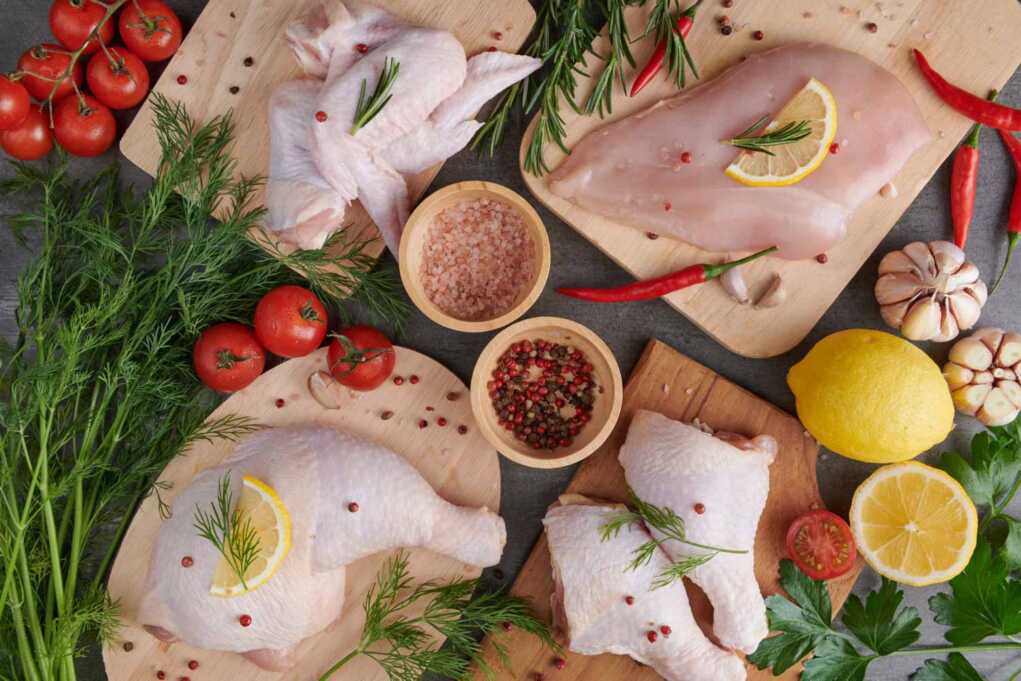
- Unprocessed meats (like lean beef, chicken, or fish) may offer nutritional benefits that support brain health.
- Processed meats are consistently linked to higher dementia risk and should be limited.
- Extremely low meat intake could also pose risks if it leads to nutrient deficiencies.
Equally important is the overall dietary pattern. Diets rich in fruits, vegetables, whole grains, and healthy fats—such as the Mediterranean diet—are widely associated with lower Alzheimer’s risk, even when they include moderate amounts of meat.
So, Should You Eat More Meat?
The idea that eating more meat could help prevent Alzheimer’s is not a universal recommendation—at least not yet. While some individuals, particularly those with certain genetic profiles, might benefit from higher intake of unprocessed meat, the broader scientific consensus still emphasizes moderation and balance.
Rather than dramatically increasing meat consumption, a more evidence-based approach is to:
- Prioritize nutrient-rich, minimally processed foods
- Maintain adequate protein and vitamin intake
- Limit processed meats
- Focus on an overall brain-healthy dietary pattern
In short, meat can be part of a cognitive health strategy—but it’s not a silver bullet. The future of Alzheimer’s prevention may lie not in eating more or less meat universally, but in tailoring diets to individual biology and lifestyle.
Sources:
- https://pubmed.ncbi.nlm.nih.gov/30883348/
- https://www.health.harvard.edu/mind-and-mood/harvard-scientists-red-meat-tied-to-increased-dementia-risk
- https://www.health.harvard.edu/mind-and-mood/eating-too-much-processed-red-meat-may-increase-dementia-risk
- https://www.medicalnewstoday.com/articles/eating-more-plants-less-meat-may-reduce-alzheimers-risk
- https://www.alzdiscovery.org/cognitive-vitality/blog/does-eating-meat-increase-dementia-risk
Disclaimer
The watching, interacting, and participation of any kind with anything on this page does not constitute or initiate a doctor-patient relationship with Dr. Farrah™. None of the statements here have been evaluated by the Food and Drug Administration (FDA). The products of Dr. Farrah™ are not intended to diagnose, treat, cure, or prevent any disease. The information being provided should only be considered for education and entertainment purposes only. If you feel that anything you see or hear may be of value to you on this page or on any other medium of any kind associated with, showing, or quoting anything relating to Dr. Farrah™ in any way at any time, you are encouraged to and agree to consult with a licensed healthcare professional in your area to discuss it. If you feel that you’re having a healthcare emergency, seek medical attention immediately. The views expressed here are simply either the views and opinions of Dr. Farrah™ or others appearing and are protected under the first amendment.
Dr. Farrah™ is a highly experienced Licensed Medical Doctor certified in evidence-based clinical nutrition, not some enthusiast, formulator, or medium promoting the wild and unrestrained use of nutrition products for health issues without clinical experience and scientific evidence of therapeutic benefit. Dr. Farrah™ has personally and keenly studied everything she recommends, and more importantly, she’s closely observed the reactions and results in a clinical setting countless times over the course of her career involving the treatment of over 150,000 patients.
Dr. Farrah™ promotes evidence-based natural approaches to health, which means integrating her individual scientific and clinical expertise with the best available external clinical evidence from systematic research. By individual clinical expertise, I refer to the proficiency and judgment that individual clinicians acquire through clinical experience and clinical practice.
Dr. Farrah™ does not make any representation or warranties with respect to the accuracy, applicability, fitness, or completeness of any multimedia content provided. Dr. Farrah™ does not warrant the performance, effectiveness, or applicability of any sites listed, linked, or referenced to, in, or by any multimedia content.
To be clear, the multimedia content is not intended to be a substitute for professional medical advice, diagnosis, or treatment. Always seek the advice of your physician or other qualified health providers with any questions you may have regarding a medical condition. Never disregard professional medical advice or delay in seeking it because of something you have read or seen in any website, video, image, or media of any kind. Dr. Farrah™ hereby disclaims any and all liability to any party for any direct, indirect, implied, punitive, special, incidental, or other consequential damages arising directly or indirectly from any use of the content, which is provided as is, and without warranties.