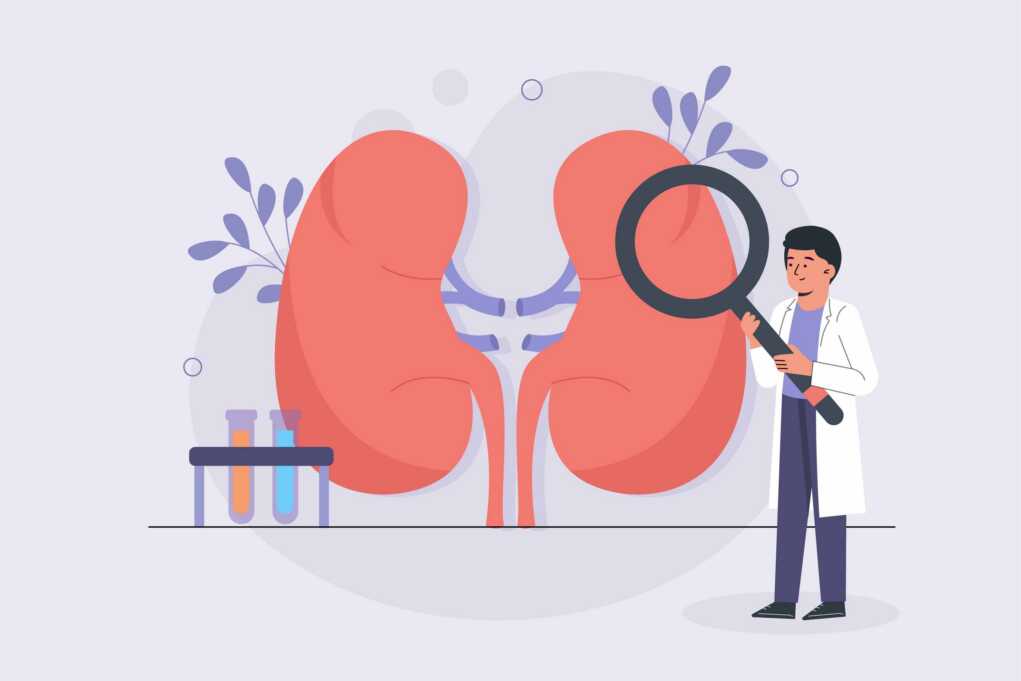
Kidneys are among the most vital organs in the human body, yet they are often overlooked until problems arise. These bean-shaped organs work tirelessly to filter waste, balance fluids, regulate blood pressure, and support overall health. Every day, your kidneys process about 50 gallons of blood, removing toxins through urine while keeping essential nutrients in balance. Given their critical role, maintaining kidney health is not just important—it is essential for long-term well-being.
Unfortunately, kidney disease is a growing global concern, often developing silently without noticeable symptoms until it reaches advanced stages. Lifestyle choices, underlying health conditions, and even dehydration can significantly impact kidney function over time. The good news is that many kidney-related issues are preventable with simple, consistent habits. Understanding how to care for your kidneys can help you avoid complications and maintain optimal health throughout your life.
How to Keep Your Kidneys Healthy
1. Stay Hydrated
Drinking enough water is one of the simplest ways to support kidney function. Proper hydration helps the kidneys clear sodium and toxins from the body. While individual needs vary, aiming for around 6–8 glasses of water per day is a good general guideline unless otherwise advised by a healthcare provider.
2. Maintain a Balanced Diet
A healthy diet plays a key role in preventing kidney disease. Focus on consuming fruits, vegetables, whole grains, and lean proteins. Limiting salt, processed foods, and excessive sugar can reduce strain on the kidneys and help control blood pressure—one of the leading causes of kidney damage.
3. Monitor Blood Pressure and Blood Sugar
High blood pressure and diabetes are the two most common causes of kidney disease. Regular monitoring and proper management of these conditions can significantly reduce your risk. Lifestyle changes such as exercise, healthy eating, and medication (if prescribed) are crucial.
4. Exercise Regularly
Physical activity helps maintain a healthy weight, lowers blood pressure, and improves overall cardiovascular health—all of which benefit your kidneys. Aim for at least 30 minutes of moderate exercise most days of the week.
5. Avoid Overuse of Painkillers
Frequent use of over-the-counter pain medications such as nonsteroidal anti-inflammatory drugs (NSAIDs) can damage the kidneys over time. Always follow dosage instructions and consult a healthcare professional if you need long-term pain management.
6. Limit Alcohol and Avoid Smoking
Excessive alcohol consumption and smoking can impair kidney function and increase the risk of kidney disease. Reducing or eliminating these habits can significantly improve not only kidney health but overall wellness.
7. Get Regular Check-ups
Routine health screenings can detect early signs of kidney problems before they become severe. Blood and urine tests are simple ways to assess kidney function, especially if you have risk factors like diabetes, hypertension, or a family history of kidney disease.
8. Be Cautious with Supplements and Herbal Remedies
Not all supplements are safe for your kidneys. Some herbal products and high doses of vitamins can be harmful. Always consult a healthcare provider before taking new supplements, especially if you have existing health conditions.
Conclusion
Keeping your kidneys healthy doesn’t require drastic changes—just consistent, mindful habits. Staying hydrated, eating well, exercising regularly, and managing underlying conditions can go a long way in preserving kidney function. Because kidney disease often develops without early warning signs, prevention and regular monitoring are your best defenses.
By taking proactive steps today, you not only protect your kidneys but also improve your overall quality of life. Small daily choices can make a big difference, ensuring that your kidneys continue to function efficiently for years to come.
Sources:
- National Kidney Foundation – https://www.kidney.org
- Mayo Clinic – https://www.mayoclinic.org
- Centers for Disease Control and Prevention (CDC) – https://www.cdc.gov/kidneydisease
- World Health Organization (WHO) – https://www.who.int
- National Health Service (NHS) – https://www.nhs.uk
Disclaimer
The watching, interacting, and participation of any kind with anything on this page does not constitute or initiate a doctor-patient relationship with Dr. Farrah™. None of the statements here have been evaluated by the Food and Drug Administration (FDA). The products of Dr. Farrah™ are not intended to diagnose, treat, cure, or prevent any disease. The information being provided should only be considered for education and entertainment purposes only. If you feel that anything you see or hear may be of value to you on this page or on any other medium of any kind associated with, showing, or quoting anything relating to Dr. Farrah™ in any way at any time, you are encouraged to and agree to consult with a licensed healthcare professional in your area to discuss it. If you feel that you’re having a healthcare emergency, seek medical attention immediately. The views expressed here are simply either the views and opinions of Dr. Farrah™ or others appearing and are protected under the first amendment.
Dr. Farrah™ is a highly experienced Licensed Medical Doctor certified in evidence-based clinical nutrition, not some enthusiast, formulator, or medium promoting the wild and unrestrained use of nutrition products for health issues without clinical experience and scientific evidence of therapeutic benefit. Dr. Farrah™ has personally and keenly studied everything she recommends, and more importantly, she’s closely observed the reactions and results in a clinical setting countless times over the course of her career involving the treatment of over 150,000 patients.
Dr. Farrah™ promotes evidence-based natural approaches to health, which means integrating her individual scientific and clinical expertise with the best available external clinical evidence from systematic research. By individual clinical expertise, I refer to the proficiency and judgment that individual clinicians acquire through clinical experience and clinical practice.
Dr. Farrah™ does not make any representation or warranties with respect to the accuracy, applicability, fitness, or completeness of any multimedia content provided. Dr. Farrah™ does not warrant the performance, effectiveness, or applicability of any sites listed, linked, or referenced to, in, or by any multimedia content.
To be clear, the multimedia content is not intended to be a substitute for professional medical advice, diagnosis, or treatment. Always seek the advice of your physician or other qualified health providers with any questions you may have regarding a medical condition. Never disregard professional medical advice or delay in seeking it because of something you have read or seen in any website, video, image, or media of any kind. Dr. Farrah™ hereby disclaims any and all liability to any party for any direct, indirect, implied, punitive, special, incidental, or other consequential damages arising directly or indirectly from any use of the content, which is provided as is, and without warranties.