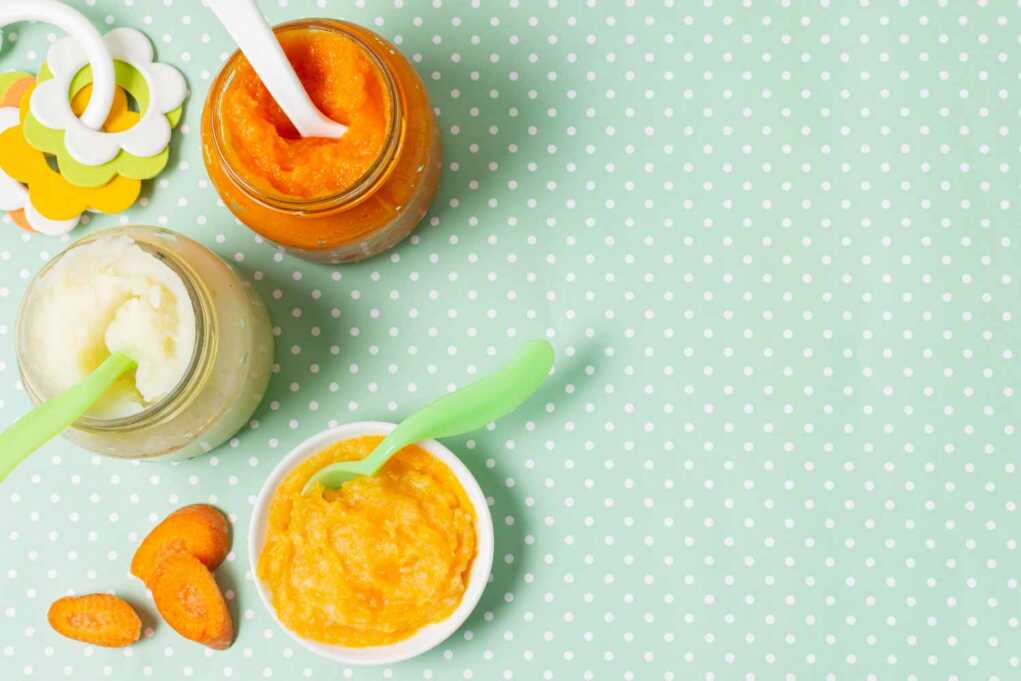
The baby food aisle has long been synonymous with convenience, nutrition, and safety, promising parents a reliable way to ensure their infants receive essential nutrients. Yet recent research suggests that what we’re feeding our youngest may not be as wholesome as advertised. A new study found that 71 percent of baby foods sold in major U.S. grocery stores are classified as ultra-processed, raising red flags about the long-term health implications for infants and toddlers. The findings have caught the attention of pediatricians, nutritionists, and parents alike, reigniting debates about the safety and nutritional value of processed baby foods.
Ultra-processed foods (UPFs) are products that undergo extensive industrial processing and often contain additives, flavor enhancers, artificial sweeteners, preservatives, and colors to improve taste, appearance, and shelf life. While these foods are convenient, researchers warn they may lack the vital nutrients that babies need during critical stages of growth. With early childhood nutrition playing a central role in physical, cognitive, and emotional development, the widespread reliance on ultra-processed baby foods could have lasting consequences. Experts suggest that even seemingly minor dietary exposures in infancy can shape taste preferences, metabolism, and overall health outcomes well into adulthood.
What the Study Discovered
The study, conducted by researchers at The George Institute for Global Health and published in the journal Nutrients, analyzed 651 commercially available baby and toddler food products across major U.S. grocery stores. Using the NOVA food classification system, the team categorized the foods according to processing levels, finding that nearly three-quarters of the products were ultra-processed. This included not only ready-to-eat meals and pouches but also snacks, purees, and infant cereals.
Researchers discovered that these products frequently contained a variety of additives, including emulsifiers, thickeners, flavor enhancers, and artificial colors. Overall, more than 100 different additives were identified across the product sample. While these ingredients may extend shelf life and improve texture, they provide minimal nutritional benefit and can expose infants to substances that are not naturally present in whole foods. Additionally, ultra-processed baby foods were found to have higher levels of sugar and sodium compared to minimally processed alternatives, potentially setting early patterns of preference for sweet or salty foods.
The Risks of Ultra-Processed Foods for Infants
Nutrition experts warn that early exposure to ultra-processed foods can have a profound impact on a child’s health. Diets dominated by UPFs are generally lower in essential nutrients, including fiber, vitamins, and minerals, while being higher in added sugars, unhealthy fats, and sodium. Such nutritional imbalances can affect growth and development, as well as increase the risk of chronic conditions like obesity, type 2 diabetes, and cardiovascular disease later in life.
Beyond general nutrition, emerging research suggests that additives found in ultra-processed baby foods may influence gut health. Ingredients like emulsifiers and artificial flavorings could disrupt the gut microbiome, which plays a critical role in digestion, immunity, and even cognitive development. Experts are particularly concerned because infants’ digestive and immune systems are still developing, making them more susceptible to potential negative effects from synthetic additives.
Broader Public Health Implications
The findings reflect a larger societal trend: the increasing prevalence of ultra-processed foods in the diets of children and adults worldwide. Studies show that UPFs already account for a significant portion of daily calorie intake in children, highlighting the scale of the issue. Experts emphasize that while not all processed foods are harmful, the level of processing and the types of ingredients used make a significant difference in health outcomes.
Health advocates are now calling for stricter regulations, including clearer labeling of additives and processing levels, reformulation of products to reduce unnecessary additives, and the promotion of whole or minimally processed alternatives. Some pediatric nutritionists suggest that government guidelines should encourage parents to prioritize homemade purees and fresh fruits and vegetables over packaged products.
Tips for Parents
While the study’s findings may be alarming, there are concrete steps parents can take to reduce infants’ exposure to ultra-processed foods:
- Read Labels Carefully: Look for products with few ingredients and avoid those containing additives, preservatives, or added sugars.
- Choose Whole Foods: Fresh or steamed fruits, vegetables, and grains provide essential nutrients without unnecessary processing.
- Prepare Homemade Meals: Simple purees or mashed foods allow parents to control ingredients and textures, ensuring better nutrition.
- Limit Sweet and Salty Flavors: Avoid introducing a preference for intense flavors early in life, which can influence lifelong eating habits.
- Stay Informed: Monitor research and guidelines from reputable health organizations to make the best choices for your child’s development.
Conclusion
The revelation that 71 percent of baby foods are ultra-processed is a wake-up call for parents, policymakers, and the food industry. While convenience will always be a factor, the study underscores the need for increased transparency, stricter regulations, and an emphasis on whole, minimally processed foods in early childhood diets. By making informed choices, parents can support healthy growth and development and help shape positive lifelong eating habits for their children.
Sources:
- Environmental Working Group (EWG): https://www.ewg.org/news-insights/news/2026/02/nearly-three-quarters-us-baby-foods-are-ultra-processed-new-study-finds
- Medical Xpress: https://medicalxpress.com/news/2026-02-quarters-baby-foods-ultra.html
- Nutrition Insight: https://www.nutritioninsight.com/news/ultra-processed-baby-foods-us-study.html
- PhillyVoice Health: https://www.phillyvoice.com/baby-foods-ultra-processed-additives/
- Food & Wine (Health section): https://www.foodandwine.com/ultra-processed-baby-food-products-widespread-in-america-11914891
Disclaimer
The watching, interacting, and participation of any kind with anything on this page does not constitute or initiate a doctor-patient relationship with Dr. Farrah™. None of the statements here have been evaluated by the Food and Drug Administration (FDA). The products of Dr. Farrah™ are not intended to diagnose, treat, cure, or prevent any disease. The information being provided should only be considered for education and entertainment purposes only. If you feel that anything you see or hear may be of value to you on this page or on any other medium of any kind associated with, showing, or quoting anything relating to Dr. Farrah™ in any way at any time, you are encouraged to and agree to consult with a licensed healthcare professional in your area to discuss it. If you feel that you’re having a healthcare emergency, seek medical attention immediately. The views expressed here are simply either the views and opinions of Dr. Farrah™ or others appearing and are protected under the first amendment.
Dr. Farrah™ is a highly experienced Licensed Medical Doctor certified in evidence-based clinical nutrition, not some enthusiast, formulator, or medium promoting the wild and unrestrained use of nutrition products for health issues without clinical experience and scientific evidence of therapeutic benefit. Dr. Farrah™ has personally and keenly studied everything she recommends, and more importantly, she’s closely observed the reactions and results in a clinical setting countless times over the course of her career involving the treatment of over 150,000 patients.
Dr. Farrah™ promotes evidence-based natural approaches to health, which means integrating her individual scientific and clinical expertise with the best available external clinical evidence from systematic research. By individual clinical expertise, I refer to the proficiency and judgment that individual clinicians acquire through clinical experience and clinical practice.
Dr. Farrah™ does not make any representation or warranties with respect to the accuracy, applicability, fitness, or completeness of any multimedia content provided. Dr. Farrah™ does not warrant the performance, effectiveness, or applicability of any sites listed, linked, or referenced to, in, or by any multimedia content.
To be clear, the multimedia content is not intended to be a substitute for professional medical advice, diagnosis, or treatment. Always seek the advice of your physician or other qualified health providers with any questions you may have regarding a medical condition. Never disregard professional medical advice or delay in seeking it because of something you have read or seen in any website, video, image, or media of any kind. Dr. Farrah™ hereby disclaims any and all liability to any party for any direct, indirect, implied, punitive, special, incidental, or other consequential damages arising directly or indirectly from any use of the content, which is provided as is, and without warranties.