High blood pressure, also known as hypertension, affects nearly half of adults worldwide and remains one of the leading contributors to heart disease, stroke, kidney disease, and premature death. While genetics and age play a role, diet is one of the most powerful and controllable factors influencing blood pressure. What many people underestimate is how much modern processed foods — even those that don’t taste particularly salty — can drive blood pressure higher through excessive sodium, added sugars, and unhealthy fats.
Processed foods dominate grocery store shelves and restaurant menus because they are convenient, inexpensive, and engineered for taste. Unfortunately, these foods are often designed with sodium levels far exceeding daily recommendations, along with preservatives and additives that disrupt normal blood vessel function. Regular consumption of these foods can cause the body to retain water, increase blood volume, stiffen arteries, and strain the heart over time. Health organizations such as the American Heart Association and Mayo Clinic consistently warn that limiting processed foods is one of the most effective dietary strategies for preventing and managing hypertension.
Why Processed Foods Raise Blood Pressure
Most processed foods affect blood pressure through three primary mechanisms:
- Excess Sodium – Sodium causes the body to retain water, increasing blood volume and putting pressure on artery walls.
- Added Sugars – High sugar intake promotes inflammation, weight gain, and insulin resistance, all of which are linked to higher blood pressure.
- Unhealthy Fats and Additives – Saturated fats, trans fats, and preservatives can damage blood vessels and reduce their ability to relax properly.
Over time, these effects compound, making it harder for the cardiovascular system to regulate pressure efficiently.
Worst Processed Foods for Blood Pressure
1. Processed Meats
Processed meats such as bacon, sausage, hot dogs, deli meats, pepperoni, and ham are among the highest sodium foods in the modern diet. A single serving can contain nearly half of the recommended daily sodium limit. These meats are also preserved with nitrates and nitrites, which have been linked to blood vessel dysfunction and increased cardiovascular risk. Regular consumption significantly raises the likelihood of developing hypertension.
2. Frozen and Ready-to-Eat Meals
Frozen dinners, boxed meals, and instant entrees are marketed as quick and convenient, but they often contain extreme sodium levels, sometimes exceeding 1,000 mg per serving. Even meals labeled “healthy” or “low-fat” may rely heavily on salt to compensate for reduced flavor. Consuming these meals frequently can cause daily sodium intake to skyrocket without noticeable warning signs.
3. Canned Soups and Vegetables
Canned foods may seem harmless, but many canned soups contain more than an entire day’s worth of sodium in one container. Even canned vegetables can be problematic when salt is added for preservation. Unless labeled “no salt added” or “low sodium,” these foods can quietly contribute to chronic blood pressure elevation.
4. Fast Food
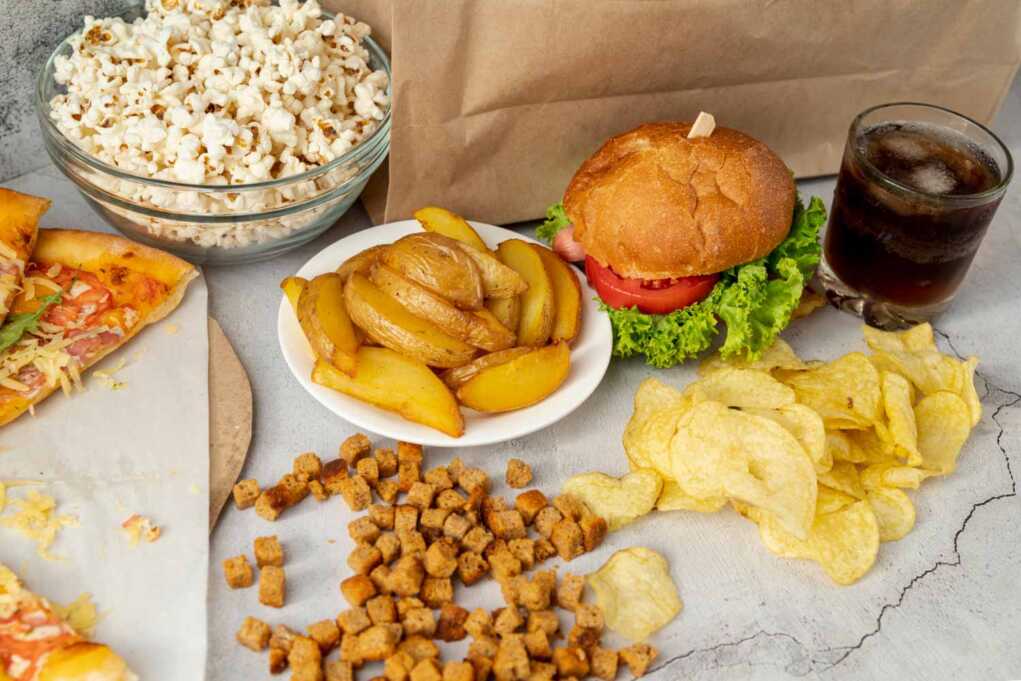
Fast food meals often combine high sodium, refined carbohydrates, added sugars, and unhealthy fats in a single serving. Burgers, fries, fried chicken, tacos, and sandwiches frequently exceed daily sodium recommendations in one meal alone. Consistent fast food consumption has been strongly associated with hypertension, obesity, and heart disease.
5. Packaged Snack Foods
Chips, crackers, pretzels, cheese snacks, and snack mixes are designed for overconsumption. These foods are typically high in sodium and refined carbohydrates, which can cause fluid retention and blood pressure spikes. Because they’re easy to eat mindlessly, sodium intake can add up rapidly.
6. Condiments and Sauces
Condiments such as soy sauce, ketchup, barbecue sauce, salad dressings, and marinades are often overlooked sources of sodium. Just one tablespoon of some sauces can contain several hundred milligrams of sodium. When used multiple times a day, these “small” additions can significantly increase blood pressure risk.
7. Sugary Beverages and Sweetened Drinks
Sodas, sweet teas, energy drinks, and flavored coffees are heavily processed and loaded with added sugars. While they may not contain sodium, excess sugar intake is linked to inflammation, weight gain, and metabolic stress — all of which contribute to higher blood pressure over time.
8. Baked Goods and Desserts
Packaged cookies, pastries, cakes, and muffins often contain a combination of sugar, refined flour, sodium, and unhealthy fats. This combination contributes to weight gain and vascular inflammation, both of which are risk factors for hypertension.
9. Alcoholic Beverages
Alcohol is technically processed, and excessive consumption is a known contributor to high blood pressure. Regular heavy drinking raises blood pressure directly and can interfere with blood pressure medications.
Healthier Alternatives That Support Blood Pressure
Replacing processed foods with whole, minimally processed options can dramatically improve blood pressure control. Helpful alternatives include:
- Fresh fruits and vegetables
- Lean proteins such as fish, beans, and skinless poultry
- Whole grains like oats, quinoa, and brown rice
- Herbs and spices instead of salt for flavor
- Homemade meals where sodium content can be controlled
Dietary approaches such as the DASH (Dietary Approaches to Stop Hypertension) diet have been proven to lower blood pressure naturally when followed consistently.
Final Thoughts
Processed foods are a major but often hidden contributor to high blood pressure. While eliminating them entirely may not be realistic, reducing frequency, reading nutrition labels, and prioritizing whole foods can make a meaningful difference. Even small, consistent dietary changes can lower blood pressure, reduce medication dependence, and significantly improve long-term heart health.
Sources:
- American Heart Association
https://www.heart.org/en/health-topics/high-blood-pressure - Mayo Clinic – DASH Diet & Blood Pressure
https://www.mayoclinic.org/healthy-lifestyle/nutrition-and-healthy-eating/in-depth/dash-diet - Medical News Today – Foods to Avoid With High Blood Pressure
https://www.medicalnewstoday.com/articles/foods-to-avoid-with-high-blood-pressure - Verywell Health – Worst Processed Foods for Blood Pressure
https://www.verywellhealth.com/worst-processed-foods-for-blood-pressure - WebMD – Worst Foods for High Blood Pressure
https://www.webmd.com/hypertension-high-blood-pressure
Disclaimer
The watching, interacting, and participation of any kind with anything on this page does not constitute or initiate a doctor-patient relationship with Dr. Farrah™. None of the statements here have been evaluated by the Food and Drug Administration (FDA). The products of Dr. Farrah™ are not intended to diagnose, treat, cure, or prevent any disease. The information being provided should only be considered for education and entertainment purposes only. If you feel that anything you see or hear may be of value to you on this page or on any other medium of any kind associated with, showing, or quoting anything relating to Dr. Farrah™ in any way at any time, you are encouraged to and agree to consult with a licensed healthcare professional in your area to discuss it. If you feel that you’re having a healthcare emergency, seek medical attention immediately. The views expressed here are simply either the views and opinions of Dr. Farrah™ or others appearing and are protected under the first amendment.
Dr. Farrah™ is a highly experienced Licensed Medical Doctor certified in evidence-based clinical nutrition, not some enthusiast, formulator, or medium promoting the wild and unrestrained use of nutrition products for health issues without clinical experience and scientific evidence of therapeutic benefit. Dr. Farrah™ has personally and keenly studied everything she recommends, and more importantly, she’s closely observed the reactions and results in a clinical setting countless times over the course of her career involving the treatment of over 150,000 patients.
Dr. Farrah™ promotes evidence-based natural approaches to health, which means integrating her individual scientific and clinical expertise with the best available external clinical evidence from systematic research. By individual clinical expertise, I refer to the proficiency and judgment that individual clinicians acquire through clinical experience and clinical practice.
Dr. Farrah™ does not make any representation or warranties with respect to the accuracy, applicability, fitness, or completeness of any multimedia content provided. Dr. Farrah™ does not warrant the performance, effectiveness, or applicability of any sites listed, linked, or referenced to, in, or by any multimedia content.
To be clear, the multimedia content is not intended to be a substitute for professional medical advice, diagnosis, or treatment. Always seek the advice of your physician or other qualified health providers with any questions you may have regarding a medical condition. Never disregard professional medical advice or delay in seeking it because of something you have read or seen in any website, video, image, or media of any kind. Dr. Farrah™ hereby disclaims any and all liability to any party for any direct, indirect, implied, punitive, special, incidental, or other consequential damages arising directly or indirectly from any use of the content, which is provided as is, and without warranties.