High blood pressure, also known as hypertension, is a widespread health condition that affects nearly half of adults in many countries. Often called a “silent condition,” hypertension may not cause noticeable symptoms, yet it significantly raises the risk of heart disease, stroke, kidney disease, and other serious complications. Managing blood pressure usually involves a combination of lifestyle changes—such as diet, exercise, and stress reduction—along with medications when prescribed by a healthcare professional.
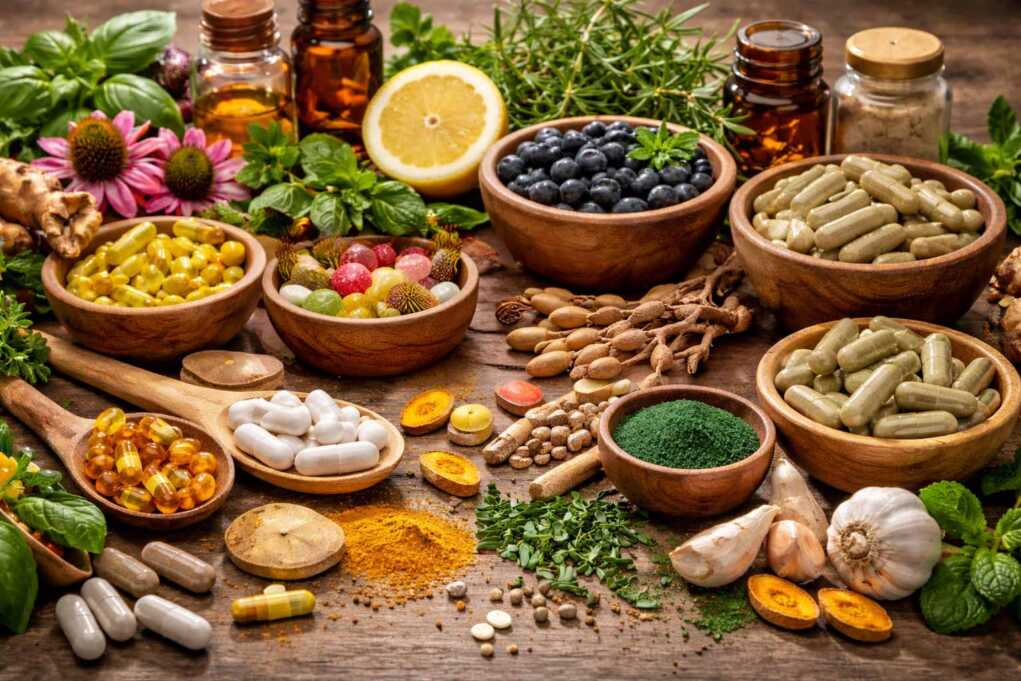
In addition to traditional treatments, many people use dietary supplements to support overall wellness. However, not all supplements are safe for individuals with high blood pressure. Some supplements can raise blood pressure, increase heart rate, interfere with prescribed medications, or strain the cardiovascular system. Because supplements are not regulated as strictly as prescription drugs, their effects can be unpredictable. Understanding which supplements to avoid is an important step in protecting long-term heart health.
Why Supplements Can Be Risky for Hypertension
“Natural” Does Not Always Mean Safe
Many supplements come from plants or natural sources, which can create the impression that they are harmless. In reality, natural compounds can still act as powerful stimulants or hormones in the body, affecting blood vessels, heart rhythm, and fluid balance.
Interactions With Blood Pressure Medications
Certain supplements can reduce the effectiveness of blood pressure medications or amplify their side effects. This may lead to poorly controlled hypertension or dangerous drops or spikes in blood pressure.
Supplements to Avoid if You Have High Blood Pressure
1. Licorice Root
Licorice root is commonly used for digestive issues and flavoring herbal products. However, it contains a compound called glycyrrhizin, which can cause the body to retain sodium and lose potassium. This imbalance can lead to elevated blood pressure and worsen existing hypertension. Even small amounts consumed regularly may have a significant effect.
2. Ephedra (Ma Huang)
Ephedra is a powerful stimulant that was once widely used in weight-loss and energy supplements. It increases heart rate and constricts blood vessels, both of which raise blood pressure. Due to serious cardiovascular risks, ephedra has been banned in many countries, but similar stimulant products may still be marketed under different names.
3. Bitter Orange (Citrus Aurantium)
Bitter orange is often found in weight-loss and “fat-burning” supplements. It contains synephrine, a stimulant that can raise blood pressure and heart rate. This supplement is especially dangerous for people with hypertension or heart disease, as it can increase the risk of heart rhythm problems.
4. Yohimbine
Yohimbine comes from the bark of the yohimbe tree and is sometimes used for sexual health or weight-loss purposes. It stimulates the nervous system and can narrow blood vessels, leading to higher blood pressure, anxiety, and rapid heartbeat. These effects make it unsafe for individuals with hypertension.
5. Ginseng
Ginseng is often promoted for energy, immunity, and mental focus. However, its effect on blood pressure can vary. In some people, ginseng may raise blood pressure or interfere with blood pressure medications, making consistent control more difficult. Medical supervision is recommended before using ginseng if you have hypertension.
6. Guarana and High-Caffeine Supplements
Guarana is a plant that naturally contains high levels of caffeine and is often added to energy supplements and drinks. Excess caffeine can cause temporary spikes in blood pressure and increase heart rate. For people with hypertension, frequent use may make blood pressure harder to manage.
7. Potassium Supplements (Without Medical Guidance)
Potassium plays an important role in blood pressure regulation, and potassium-rich foods are often encouraged. However, potassium supplements can be dangerous for people taking certain blood pressure medications, such as ACE inhibitors or potassium-sparing diuretics. Too much potassium can lead to serious heart rhythm problems.
Supplements That May Seem Helpful but Require Caution
Combination and “Proprietary Blend” Products
Some supplements combine multiple herbs and stimulants into one product. These blends may include ingredients that raise blood pressure without clearly listing exact amounts, increasing the risk of side effects.
Pre-Workout and Energy Formulas
Pre-workout supplements often contain stimulants that can raise blood pressure rapidly. People with hypertension should avoid these unless approved by a healthcare professional.
How to Protect Your Heart Health
Talk to Your Healthcare Provider
Always inform your doctor or pharmacist about any supplements you are taking or considering. This helps prevent harmful interactions and ensures your blood pressure treatment remains effective.
Focus on Proven Lifestyle Changes
Rather than relying on supplements, evidence-based strategies such as reducing sodium intake, eating a balanced diet, staying physically active, managing stress, and getting enough sleep offer safer and more reliable blood pressure benefits.
Final Thoughts
Supplements can play a role in overall wellness, but for individuals with high blood pressure, certain products pose real risks. Stimulants, specific herbs, and improperly used vitamins can raise blood pressure or interfere with medications, potentially leading to serious health consequences. Making informed choices—and seeking professional guidance—can help you avoid unnecessary risks and support long-term cardiovascular health.
Sources:
- Mayo Clinic – Supplements to Avoid When Dealing With High Blood Pressure
https://newsnetwork.mayoclinic.org/discussion/supplements-to-avoid-when-dealing-with-high-blood-pressure/ - American Heart Association – Over-the-Counter Medications and High Blood Pressure
https://www.heart.org/en/health-topics/high-blood-pressure/changes-you-can-make-to-manage-high-blood-pressure/otc-medications-and-high-blood-pressure - WebMD – Herbal Supplements and Blood Pressure
https://www.webmd.com/hypertension-high-blood-pressure/what-to-know-about-herbal-supplements-and-blood-pressure - National Center for Complementary and Integrative Health (NCCIH) – Hypertension
https://www.nccih.nih.gov/health/hypertension-high-blood-pressure - GoodRx – Supplements That Can Raise Blood Pressure
https://www.goodrx.com/conditions/hypertension/medications-supplements-that-can-cause-high-blood-pressure
Disclaimer
The watching, interacting, and participation of any kind with anything on this page does not constitute or initiate a doctor-patient relationship with Dr. Farrah™. None of the statements here have been evaluated by the Food and Drug Administration (FDA). The products of Dr. Farrah™ are not intended to diagnose, treat, cure, or prevent any disease. The information being provided should only be considered for education and entertainment purposes only. If you feel that anything you see or hear may be of value to you on this page or on any other medium of any kind associated with, showing, or quoting anything relating to Dr. Farrah™ in any way at any time, you are encouraged to and agree to consult with a licensed healthcare professional in your area to discuss it. If you feel that you’re having a healthcare emergency, seek medical attention immediately. The views expressed here are simply either the views and opinions of Dr. Farrah™ or others appearing and are protected under the first amendment.
Dr. Farrah™ is a highly experienced Licensed Medical Doctor certified in evidence-based clinical nutrition, not some enthusiast, formulator, or medium promoting the wild and unrestrained use of nutrition products for health issues without clinical experience and scientific evidence of therapeutic benefit. Dr. Farrah™ has personally and keenly studied everything she recommends, and more importantly, she’s closely observed the reactions and results in a clinical setting countless times over the course of her career involving the treatment of over 150,000 patients.
Dr. Farrah™ promotes evidence-based natural approaches to health, which means integrating her individual scientific and clinical expertise with the best available external clinical evidence from systematic research. By individual clinical expertise, I refer to the proficiency and judgment that individual clinicians acquire through clinical experience and clinical practice.
Dr. Farrah™ does not make any representation or warranties with respect to the accuracy, applicability, fitness, or completeness of any multimedia content provided. Dr. Farrah™ does not warrant the performance, effectiveness, or applicability of any sites listed, linked, or referenced to, in, or by any multimedia content.
To be clear, the multimedia content is not intended to be a substitute for professional medical advice, diagnosis, or treatment. Always seek the advice of your physician or other qualified health providers with any questions you may have regarding a medical condition. Never disregard professional medical advice or delay in seeking it because of something you have read or seen in any website, video, image, or media of any kind. Dr. Farrah™ hereby disclaims any and all liability to any party for any direct, indirect, implied, punitive, special, incidental, or other consequential damages arising directly or indirectly from any use of the content, which is provided as is, and without warranties.