Skipping breakfast and pushing your dinner to late in the evening may seem like harmless habits, but mounting research shows these patterns can take a serious toll on your lipid profile, ultimately undermining heart health. Emerging evidence links breakfast omission and late-night eating to higher levels of “bad” LDL cholesterol, lower levels of protective HDL cholesterol, and more rapid accumulation of other harmful lipids. Over time, these shifts in blood lipids can raise your risk for cardiovascular disease, including atherosclerosis and metabolic syndrome.
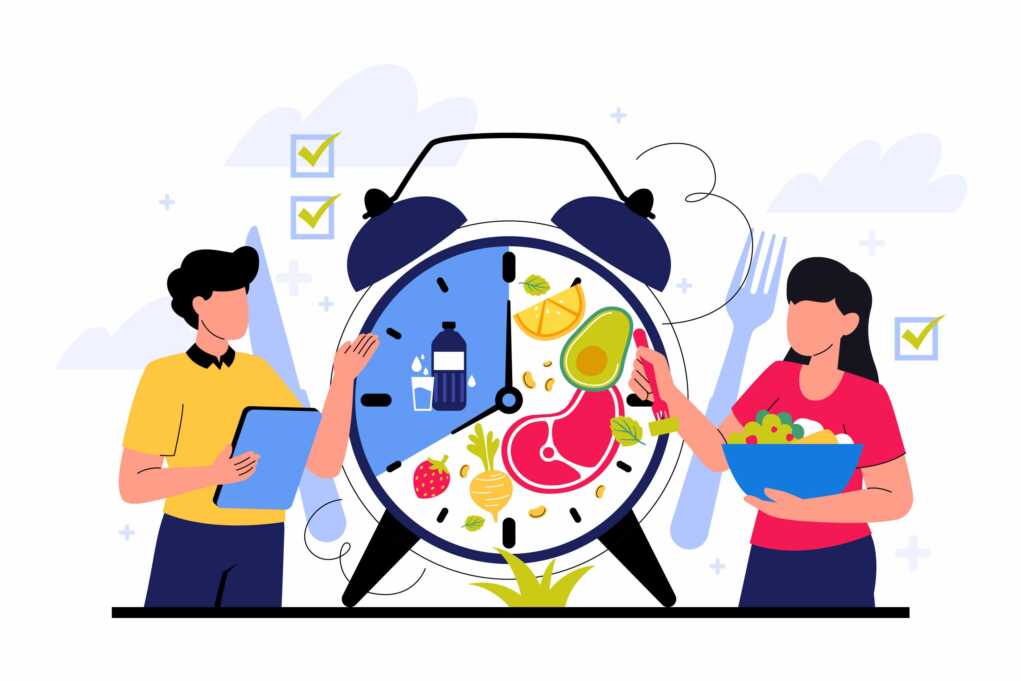
At the heart of the issue is chrononutrition—how the timing of meals interacts with your body’s internal clock. When you delay food intake, either by skipping breakfast or eating dinner very late, you can disrupt metabolic rhythms. These disruptions impair the body’s ability to manage lipids efficiently, driving changes in cholesterol concentrations that no longer favor cardiovascular health. Below, we unpack the evidence, explain the mechanisms, and offer practical guidance on how to adjust your eating schedule to support better cholesterol levels.
The Science Behind Meal Timing and Cholesterol
How Skipping Breakfast Impacts Your Lipid Profile
Research consistently shows that skipping breakfast is associated with:
- Higher LDL (“bad”) cholesterol
- Lower HDL (“good”) cholesterol
- Higher triglycerides
- Increased risk of plaque buildup in the arteries
Breakfast plays a key role in setting metabolic tone for the rest of the day, promoting stable glucose processing and lipid metabolism.
Why Late-Night Eating Disrupts Cholesterol Regulation
Eating large meals late in the evening interferes with the body’s natural overnight fasting cycle. When digestion overlaps with sleep, the body cannot efficiently break down fats, leading to:
- Elevated LDL cholesterol the following day
- Higher triglyceride levels
- Increased post-meal lipid spikes
What the Research Says
- Long-Term Lipid Changes
A multi-year study in Chinese adults showed that those who both skipped breakfast and engaged in night eating experienced faster increases in LDL cholesterol over time.
Source: PubMed
- Clinical Trial Findings
A randomized controlled trial found that breakfast skippers had higher total cholesterol, even though they lost some weight.
Source: PubMed
- Cross-Sectional Studies
Large-scale cross-sectional research in Chinese adults revealed that skipping breakfast correlated with:
- Higher LDL
- Lower HDL
- Elevated triglycerides
Source: PubMed
- Meal Timing and Hypercholesterolemia
U.S. adults who consumed most of their calories at dinner had significantly higher rates of high cholesterol, especially when dinner featured low-quality carbs.
Source: Cambridge University Press
- Impact of Late Dinners on Morning Lipid Metabolism
A controlled crossover trial showed that late dinner (9 PM) impaired lipid metabolism the next morning compared to an earlier dinner (6 PM).
Source: PubMed
Why These Behaviors Harm Cholesterol
Circadian Rhythm Disruption
Your body’s internal clock regulates how efficiently you process fat. Misaligned eating patterns—like skipping breakfast or eating late—disrupt this rhythm, leading to poor lipid control.
Unhealthy Lifestyle Clustering
Skipping breakfast is often linked with:
- Irregular sleep
- More late-night snacking
- Lower overall diet quality
These behaviors together aggravate cholesterol imbalance.
Increased Cardiovascular Risk
Chronic lipid disruption contributes to:
- Atherosclerosis
- Metabolic syndrome
- Higher risk of heart attack and stroke
How to Fix Your Eating Schedule for Better Cholesterol
- Start Your Day With a Balanced Breakfast
Even a small meal with protein and fiber can improve lipid function.
- Move Dinner Earlier
Finish eating at least 2–3 hours before bedtime to allow optimal fat metabolism.
- Keep Meal Timing Consistent
Repeatedly shifting your eating window confuses metabolic processes.
- Focus on Nutrient Quality
Choose:
- Whole grains
- Lean proteins
- Fruits and vegetables
Avoid: - Processed snacks
- Sugary carbs
- Trans fats
- Consult a Healthcare Professional
Individuals with hypercholesterolemia or heart disease risk should work with a provider to tailor an eating schedule that supports optimal lipid health.
Conclusion
Skipping breakfast and eating dinner late are more harmful than they appear. These habits disrupt your internal metabolic rhythm, leading to higher LDL cholesterol, lower HDL, and increased cardiovascular risk. By prioritizing breakfast and shifting dinner earlier, you can make meaningful improvements to your lipid profile and overall heart health.
Sources:
- Habitual breakfast skipping and night eating associated with unfavorable lipid changes
https://pubmed.ncbi.nlm.nih.gov/40845998/ - RCT: Skipping breakfast increases total cholesterol
https://pubmed.ncbi.nlm.nih.gov/26101624/ - Cross-sectional association between breakfast skipping and lipid levels
https://pubmed.ncbi.nlm.nih.gov/33964488/ - Meal timing and risk of hypercholesterolemia
https://www.cambridge.org/core/journals/british-journal-of-nutrition/article/association-of-meal-timing-of-energy-macronutrients-and-foods-with-hypercholesterolaemia-in-the-us-adults/367DCDF8E48B411B022E4F57E85CC73B - Early vs. late dinner on lipid metabolism
https://pubmed.ncbi.nlm.nih.gov/34371933/ - Breakfast skipping and cardiovascular disease risk
https://pmc.ncbi.nlm.nih.gov/articles/PMC6787634/ - Systematic review: skipping breakfast and LDL
https://www.frontiersin.org/journals/endocrinology/articles/10.3389/fendo.2023.1256899/full
Disclaimer
The watching, interacting, and participation of any kind with anything on this page does not constitute or initiate a doctor-patient relationship with Dr. Farrah™. None of the statements here have been evaluated by the Food and Drug Administration (FDA). The products of Dr. Farrah™ are not intended to diagnose, treat, cure, or prevent any disease. The information being provided should only be considered for education and entertainment purposes only. If you feel that anything you see or hear may be of value to you on this page or on any other medium of any kind associated with, showing, or quoting anything relating to Dr. Farrah™ in any way at any time, you are encouraged to and agree to consult with a licensed healthcare professional in your area to discuss it. If you feel that you’re having a healthcare emergency, seek medical attention immediately. The views expressed here are simply either the views and opinions of Dr. Farrah™ or others appearing and are protected under the first amendment.
Dr. Farrah™ is a highly experienced Licensed Medical Doctor certified in evidence-based clinical nutrition, not some enthusiast, formulator, or medium promoting the wild and unrestrained use of nutrition products for health issues without clinical experience and scientific evidence of therapeutic benefit. Dr. Farrah™ has personally and keenly studied everything she recommends, and more importantly, she’s closely observed the reactions and results in a clinical setting countless times over the course of her career involving the treatment of over 150,000 patients.
Dr. Farrah™ promotes evidence-based natural approaches to health, which means integrating her individual scientific and clinical expertise with the best available external clinical evidence from systematic research. By individual clinical expertise, I refer to the proficiency and judgment that individual clinicians acquire through clinical experience and clinical practice.
Dr. Farrah™ does not make any representation or warranties with respect to the accuracy, applicability, fitness, or completeness of any multimedia content provided. Dr. Farrah™ does not warrant the performance, effectiveness, or applicability of any sites listed, linked, or referenced to, in, or by any multimedia content.
To be clear, the multimedia content is not intended to be a substitute for professional medical advice, diagnosis, or treatment. Always seek the advice of your physician or other qualified health providers with any questions you may have regarding a medical condition. Never disregard professional medical advice or delay in seeking it because of something you have read or seen in any website, video, image, or media of any kind. Dr. Farrah™ hereby disclaims any and all liability to any party for any direct, indirect, implied, punitive, special, incidental, or other consequential damages arising directly or indirectly from any use of the content, which is provided as is, and without warranties.