
Maintaining a healthy weight often comes down to managing calorie balance: eat fewer calories than your body burns. One of the largest barriers for many people is simply feeling hungry. Hunger can drive overeating, snacking, and difficulty sticking with a diet. That’s where appetite suppressants—substances that reduce hunger or increase feelings of fullness—can theoretically help.
While prescription appetite‑suppressant medications exist, many prefer gentler, “natural” alternatives. But how effective are they? Below we explore several natural options, what the research says, safety considerations, and tips for integrating them into a healthy lifestyle.
How Natural Appetite Suppressants Might Work
Natural appetite suppressants generally act via one or more of these mechanisms:
- Increasing satiety or fullness — e.g. via fiber, protein, or viscous substances that slow gastric emptying
- Modulating hunger hormones — such as ghrelin, leptin, or neuropeptides in the brain
- Mild metabolic or thermogenic effects — raising energy expenditure slightly
- Reducing cravings or “reward” signals — e.g. via effects on serotonin or dopamine pathways
However, it’s important to emphasize that the scientific support for many natural appetite suppressants is modest or mixed. A systematic review of randomized controlled trials found mostly inconclusive evidence for most plant extracts, with only a few (e.g. Caralluma fimbriata, and combination supplements of Garcinia cambogia + Gymnema sylvestre) showing some promise in appetite control.
Thus, these natural options should be seen as adjuncts, not replacements, for a sound diet, consistent exercise, sleep, stress management, and behavioral strategies.
Promising Natural Appetite Suppressants
Below is a rundown of some natural substances with evidence (varying degrees) for appetite-suppressing or satiety‑enhancing effects.
| Substance / Strategy | How It Might Help | Evidence & Limitations | Notes & Safety Considerations |
| Glucomannan (konjac root fiber) | A viscous soluble fiber that expands in the stomach, promoting fullness and slowing digestion | A 2020 review found that viscous fibers such as glucomannan may modestly reduce weight metrics in people with overweight or metabolic disorders. | Must be taken with plenty of water to avoid choking or intestinal blockage. Doses up to ~15 g/day have been studied. |
| Fenugreek | High in soluble fiber, which slows digestion and increases satiety | In small human studies, fenugreek seed or extract improved fullness ratings and reduced hunger. | GI side effects (gas, bloating) are possible. Use moderate amounts first. |
| Green Tea (caffeine + catechins like EGCG) | Caffeine is a stimulant; catechins may influence metabolism and hunger hormones | Some controlled trials show green tea or EGCG intake reduces ghrelin (hunger hormone) and supports modest weight loss. | Too much caffeine can disrupt sleep or cause jitteriness. Be cautious if you have caffeine sensitivity. |
| Yerba Mate | Contains caffeine, theobromine, and other bioactive compounds | Some studies suggest appetite reduction and improved energy expenditure, though research is limited. | Avoid in large doses in those with hypertension, arrhythmias, or sensitivity to stimulants. |
| Capsaicin / Chili Pepper (or hot spices) | May create a “thermogenic” effect (heat production), mild increase in fullness | Small trials show reductions in calorie intake when capsaicin is consumed before meals. | Can irritate the stomach lining in sensitive individuals; use cautiously. |
| Psyllium husk / other soluble fibers | Form gels that slow digestion and create fullness | Meta‑analyses indicate soluble fiber supplementation modestly increases satiety and may contribute to weight loss. | As with any fiber, increase gradually and drink plenty of fluids to avoid constipation. |
| Protein / high‑protein foods | Protein is the most satiating macronutrient and reduces ghrelin response | Many studies show that increasing protein in meals helps reduce hunger and overall calorie intake. | Choose lean proteins and balance with other nutrients; excessive protein may stress kidneys in susceptible individuals. |
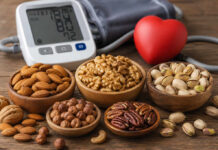
| Healthy fats and whole foods (nuts, seeds, avocado) | Fats slow digestion, adding to satiety; whole foods require more chewing and slow eating | Articles from health sites note healthy fats in moderation can enhance satiety and help reduce overeating. | They are calorie‑dense, so portion control remains critical. |
| Multi‑ingredient herbal blends / extracts (e.g. Caralluma fimbriata, Garcinia cambogia, Gymnema sylvestre) | May act via multiple mechanisms — fiber content, hormonal modulation, altered appetite signals | The systematic review flagged these as among the few with some evidence from double‑blind trials, although effects were modest and not uniformly replicated. | Because supplements are less regulated, quality and purity may vary. Some products have been found adulterated. |
| Hydration / Drinking water before meals | Helps fill the stomach, reducing perceived hunger | Some controlled trials suggest that drinking ~500 mL water before meals may reduce calorie intake modestly. | Be cautious in people with fluid restrictions (e.g. certain cardiac or kidney conditions). |
What the Evidence Clearly Says—and What It Doesn’t
- Most “natural” supplements are not miracle cures. The bulk of evidence is small, short-term, or of limited quality.
- Effect sizes are modest. Even in positive trials, appetite suppression or weight loss tends to be small and usually only meaningful when combined with changes to diet and activity.
- Safety is not guaranteed just because something is “natural.” Supplements are less regulated than prescription drugs. Some have been found to contain hidden pharmaceuticals or contaminants.
- Context matters. The benefits are more likely when the rest of your lifestyle (diet quality, sleep, stress, movement) is in order. Relying solely on suppressants is unlikely to lead to sustainable weight loss.
- People vary in response. Genetics, gut microbiome, existing medical conditions, medications, and baseline diet can all influence how one responds.
Practical Tips for Using Natural Appetite Suppressants Wisely
- Focus first on foundational habits. Eat whole, fiber-rich foods, drink water, get enough protein, sleep well, manage stress, and incorporate regular exercise.
- Start with food-based strategies. Before turning to supplements, try increasing fiber (vegetables, legumes, whole grains), adding protein, and moderate amounts of healthy fats to meals.
- Introduce one supplement at a time. This helps you attribute any benefits or adverse effects. Try modest doses, and monitor for digestive discomfort, heart palpitations, sleep disruption, or interactions with medications.
- Always use plenty of water. Especially with fibers like glucomannan or psyllium, inadequate fluid can cause blockage or constipation.
- Cycle or take breaks. Using the same supplement continuously may lead to diminishing returns; intermittent use can help preserve responsiveness.
- Choose reputable brands. Look for third‑party testing, transparent labeling, and avoid products making unreasonable claims (“instant fat burning,” “appetite gone overnight,” etc.).
- Monitor results objectively. Track measures such as body measurements, hunger levels, energy, mood, and side effects—not just scale weight.
Conclusion
Natural appetite suppressants may offer some assistance in curbing hunger and supporting weight loss—but they are not magic bullets. The scientific evidence to date is limited and often inconclusive. The most powerful tools remain solid, sustainable lifestyle practices: a nutrient-dense diet, regular physical activity, adequate sleep, stress management, and behavioral strategies.
If you choose to try a natural suppressant, do so cautiously, monitor results, and always do it under medical or nutritional supervision—especially if you have underlying health conditions or take medications.
Sources:
- 10 Natural Appetite Suppressants That Help You Lose Weight — Healthline Healthline
- 7 Natural Appetite Suppressants For Weight Loss — Forbes Health Forbes
- Natural Appetite Suppressants: What to Know — GoodRx GoodRx
- 10 Natural Appetite Suppressants — Verywell Health Verywell Health
- Plant extracts with appetite suppressing properties for body weight control: a systematic review (PubMed / ScienceDirect) PubMed+1
Disclaimer
The watching, interacting, and participation of any kind with anything on this page does not constitute or initiate a doctor-patient relationship with Dr. Farrah™. None of the statements here have been evaluated by the Food and Drug Administration (FDA). The products of Dr. Farrah™ are not intended to diagnose, treat, cure, or prevent any disease. The information being provided should only be considered for education and entertainment purposes only. If you feel that anything you see or hear may be of value to you on this page or on any other medium of any kind associated with, showing, or quoting anything relating to Dr. Farrah™ in any way at any time, you are encouraged to and agree to consult with a licensed healthcare professional in your area to discuss it. If you feel that you’re having a healthcare emergency, seek medical attention immediately. The views expressed here are simply either the views and opinions of Dr. Farrah™ or others appearing and are protected under the first amendment.
Dr. Farrah™ is a highly experienced Licensed Medical Doctor certified in evidence-based clinical nutrition, not some enthusiast, formulator, or medium promoting the wild and unrestrained use of nutrition products for health issues without clinical experience and scientific evidence of therapeutic benefit. Dr. Farrah™ has personally and keenly studied everything she recommends, and more importantly, she’s closely observed the reactions and results in a clinical setting countless times over the course of her career involving the treatment of over 150,000 patients.
Dr. Farrah™ promotes evidence-based natural approaches to health, which means integrating her individual scientific and clinical expertise with the best available external clinical evidence from systematic research. By individual clinical expertise, I refer to the proficiency and judgment that individual clinicians acquire through clinical experience and clinical practice.
Dr. Farrah™ does not make any representation or warranties with respect to the accuracy, applicability, fitness, or completeness of any multimedia content provided. Dr. Farrah™ does not warrant the performance, effectiveness, or applicability of any sites listed, linked, or referenced to, in, or by any multimedia content.
To be clear, the multimedia content is not intended to be a substitute for professional medical advice, diagnosis, or treatment. Always seek the advice of your physician or other qualified health providers with any questions you may have regarding a medical condition. Never disregard professional medical advice or delay in seeking it because of something you have read or seen in any website, video, image, or media of any kind. Dr. Farrah™ hereby disclaims any and all liability to any party for any direct, indirect, implied, punitive, special, incidental, or other consequential damages arising directly or indirectly from any use of the content, which is provided as is, and without warranties.