
Scientists discover why dark chocolate may help you live longer.
Your daily hot cocoa might do more than warm you up—it could also prevent heart disease and the inflammation that drives it, according to a recent study.
As we get older, our bodies become more inflamed, increasing our risks of developing chronic disease and dying.
A large-scale study tracked people who took daily cocoa supplements for two years and found that body-wide inflammation stayed steady instead of rising—with the strongest effects in those who had higher inflammation at baseline.
In the COcoa Supplement and Multivitamin Outcomes Study (COSMOS) trial, daily cocoa extract supplements were linked to a 27 percent lower risk of death from cardiovascular disease.
Taking cocoa extract supplementation lowered C-reactive protein, a key marker of body-wide inflammation, by 70 percent after two years.
That drop corresponds to an estimated 7 percent to 23 percent lower risk of cardiovascular events, shifting participants from the “average-risk” range into the low-risk range for heart disease, while the placebo group remained in the average-risk category.
The Inflammation Connection
The study focused on C-reactive protein, or CRP, which typically rises about 5 percent annually with age and is widely used as a marker of body-wide inflammation. This process, dubbed “inflammaging” by researchers, fuels chronic diseases, frailty, disability, and premature death.
While the placebo group’s CRP levels rose by about 5 percent per year, the cocoa group’s dipped by about 3 percent—a change that wasn’t significant on its own. However, when the two groups were compared across two years, cocoa significantly prevented the usual age-related inflammaging, keeping inflammation steady. These results came from a standardized 500 milligram cocoa flavanol supplement (including 80 milligrams epicatechin).
The findings suggest that cocoa may help protect the heart by lowering inflammation, a key driver of cardiovascular disease, Howard Sesso, associate professor of medicine at Brigham and Women’s Hospital and lead author of the study, told The Epoch Times.
The cocoa group also showed a small but significant rise in IFN-γ. This messenger has potential antiviral effects, which may indicate protective effects, though its effect on health is still unclear and requires more study.
These results come from the COSMOS-Blood substudy, which followed nearly 600 generally healthy older adults (average age 70) with no history of cardiovascular disease or cancer through repeated blood tests over two years.
How Cocoa Fights Inflammation
Cocoa extract appears to blunt inflammaging by lowering CRP.
Cocoa is naturally rich in flavanols, which counter inflammation at the molecular level. They turn down a key switch that tells cells to make pro-inflammatory molecules such as CRP. They also boost nitric oxide production, which relaxes blood vessels, lowers oxidative stress, and helps calm inflammation in the vessel walls.
In the heart, flavanols help lower blood pressure, keep blood flowing smoothly, and lower the risk of stroke and atherosclerosis by keeping blood vessels flexible and platelets less “sticky.”
A review of clinical trials found that cocoa or dark chocolate can boost nitric oxide levels and lower oxidative stress. The effects were strongest with higher flavanol doses, more than 450 milligrams per day.
Make Cocoa Work for You
Not all cocoa products are created equal, Sesso said, noting that most cocoa products lose flavanols during processing and labels don’t list their content.
Melissa Mitri, a registered dietitian-nutritionist and owner of Melissa Mitri Nutrition, agreed, noting that the study used a specific, standardized dose of 500 milligrams of cocoa extract.
“The amount of cocoa flavanols present in food forms, like dark chocolate, can vary significantly and may not always contain the amount shown to provide anti-inflammatory benefits in the research,” Mitri told The Epoch Times.
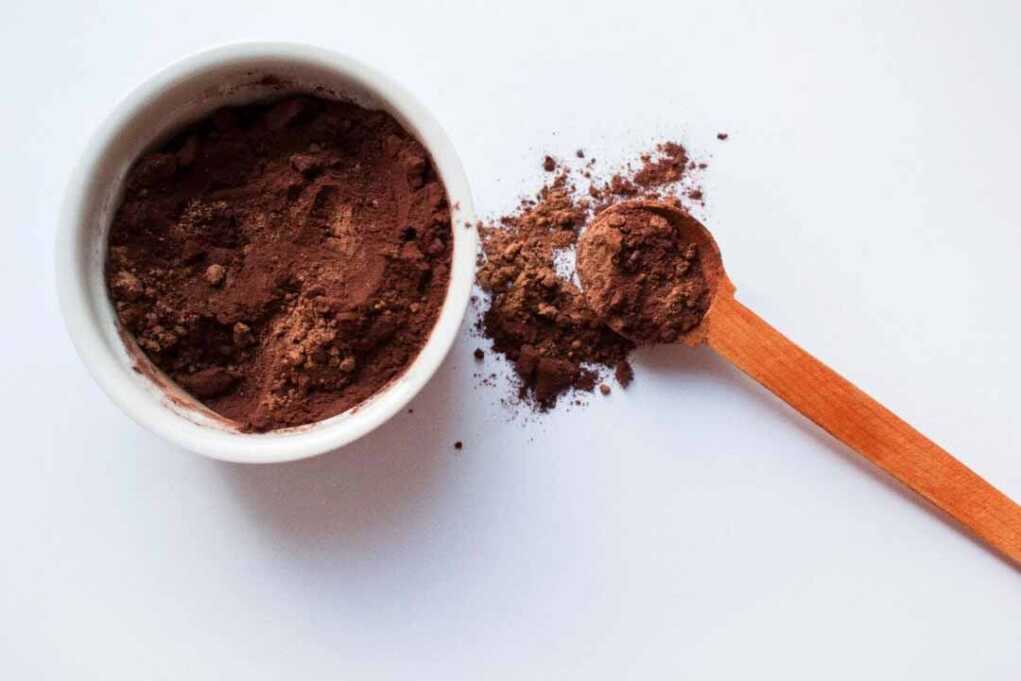
“Cocoa powder may be a better option,” Sesso added. “But this does not mean we should all turn to supplements. Instead, it is important to focus on flavanol-rich foods that include cocoa, berries, tea, grapes, and other plant-based foods.”
Experts say natural is better. “The real benefits come from cocoa, so the darker the chocolate, the better. Aim for 70 percent cocoa or higher,” Kara Siedman, a nutritionist and director of partnerships with resbiotic Nutrition, told The Epoch Times.
Siedman noted that chocolate is calorie-dense and easy to overdo. She recommended just a square or two after dinner, savored slowly, or using unsweetened cocoa powder in smoothies, oatmeal, or yogurt to get flavanols without added sugar and fat.
The most effective approach combines cocoa with other proven strategies such as regular exercise and healthy eating patterns, such as utilizing the Mediterranean diet and omega-3s. “What matters most is consistency—the foods and habits you follow most of the time,” Siedman said.
Important Notice: This article was also published at www.theepochtimes.com by Rachel Ann T. Melegrito where all credits are due.
Disclaimer
The watching, interacting, and participation of any kind with anything on this page does not constitute or initiate a doctor-patient relationship with Dr. Farrah™. None of the statements here have been evaluated by the Food and Drug Administration (FDA). The products of Dr. Farrah™ are not intended to diagnose, treat, cure, or prevent any disease. The information being provided should only be considered for education and entertainment purposes only. If you feel that anything you see or hear may be of value to you on this page or on any other medium of any kind associated with, showing, or quoting anything relating to Dr. Farrah™ in any way at any time, you are encouraged to and agree to consult with a licensed healthcare professional in your area to discuss it. If you feel that you’re having a healthcare emergency, seek medical attention immediately. The views expressed here are simply either the views and opinions of Dr. Farrah™ or others appearing and are protected under the first amendment.
Dr. Farrah™ is a highly experienced Licensed Medical Doctor certified in evidence-based clinical nutrition, not some enthusiast, formulator, or medium promoting the wild and unrestrained use of nutrition products for health issues without clinical experience and scientific evidence of therapeutic benefit. Dr. Farrah™ has personally and keenly studied everything she recommends, and more importantly, she’s closely observed the reactions and results in a clinical setting countless times over the course of her career involving the treatment of over 150,000 patients.
Dr. Farrah™ promotes evidence-based natural approaches to health, which means integrating her individual scientific and clinical expertise with the best available external clinical evidence from systematic research. By individual clinical expertise, I refer to the proficiency and judgment that individual clinicians acquire through clinical experience and clinical practice.
Dr. Farrah™ does not make any representation or warranties with respect to the accuracy, applicability, fitness, or completeness of any multimedia content provided. Dr. Farrah™ does not warrant the performance, effectiveness, or applicability of any sites listed, linked, or referenced to, in, or by any multimedia content.
To be clear, the multimedia content is not intended to be a substitute for professional medical advice, diagnosis, or treatment. Always seek the advice of your physician or other qualified health providers with any questions you may have regarding a medical condition. Never disregard professional medical advice or delay in seeking it because of something you have read or seen in any website, video, image, or media of any kind. Dr. Farrah™ hereby disclaims any and all liability to any party for any direct, indirect, implied, punitive, special, incidental, or other consequential damages arising directly or indirectly from any use of the content, which is provided as is, and without warranties.