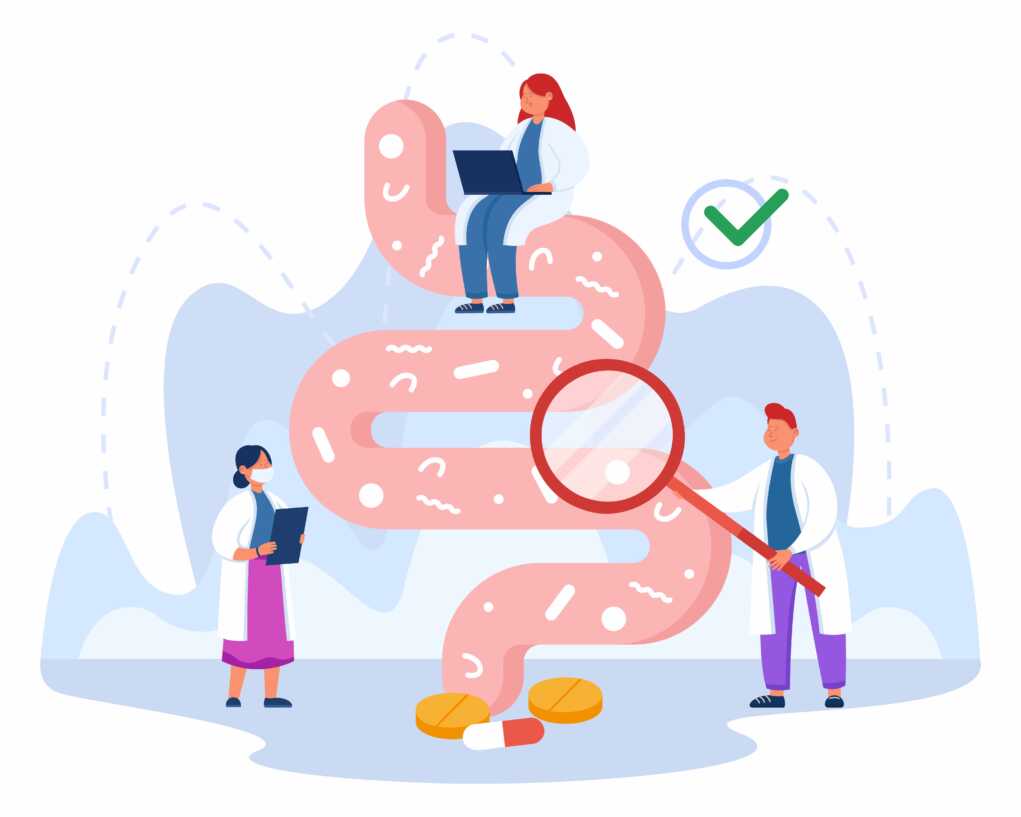
Colon cleanses—also known as colonic irrigation, detox cleanses, or gut flushes—have surged in popularity within wellness and alternative health communities. Promoters of these methods claim they help remove toxins, boost energy, improve digestion, aid weight loss, and even enhance mental clarity. The idea is that waste builds up in the colon over time, leading to a range of health issues that can supposedly be resolved through cleansing. These procedures or products can range from hydrotherapy sessions at spas to herbal laxatives and detox teas sold online.
But how much of this is fact, and how much is marketing? The mainstream medical community remains highly skeptical of these claims—and for good reason. There is little scientific evidence to support most of the benefits attributed to colon cleanses, and in some cases, they may actually do more harm than good. Before trying a colon cleanse, it’s important to understand what the procedure entails, what risks are involved, and whether it’s necessary at all.
What Is a Colon Cleanse?
A “colon cleanse” generally refers to any procedure or product intended to flush out the large intestine. Some common forms include:
- Colon hydrotherapy / colonic irrigation: A tube is inserted into the rectum and water (or a mixture of fluids) is infused to wash out the colon.
- Enemas: A smaller volume of liquid is used and held briefly before being expelled.
- Oral supplements, pills, powders, or teas that act as laxatives or “detox agents.”
Sometimes, cleanses are used medically—such as strong bowel preparations prior to colonoscopy—but that is quite different from wellness or detox cleanses in alternative-medicine settings.
What Do The Claims Say — And What Does Science Support?
Advocates often claim colon cleanses:
- Remove built-up “toxins” from the colon
- Improve digestion, detoxification, and immune function
- Aid in weight loss
- Boost energy and mental clarity
However, science does not strongly support these claims. The human body already has sophisticated systems—liver, kidneys, intestines, lungs—that filter, process, and eliminate waste and toxins.
Multiple expert reviews and health organizations note there is little to no reliable evidence that colon cleanses provide health benefits beyond what the body does naturally.
In fact, some studies and case reports suggest that certain aggressive or unregulated cleanses can cause harm.
Risks and Potential Harms of Colon Cleansing
While mild side effects are common, more serious complications have also been documented. Below is a summary of the known risks:
Common/Mild Side Effects
- Cramping, bloating, nausea, vomiting
- Diarrhea
- Dehydration
- Electrolyte imbalance (e.g. disturbance of sodium, potassium, magnesium)
- Disruption of the gut microbiome (i.e., flushing out beneficial bacteria)
Serious / Rare Risks
- Bowel perforation (a tear or hole in the colon or rectum)
- Internal bleeding
- Infection (from contaminated equipment or fluid)
- Organ damage, including kidney injury or heart problems, especially in vulnerable individuals
- Liver toxicity or bone marrow (aplastic anemia) in rare instances tied to herbal cleanses
Cases of significant harm tend to be rare, but because many colon cleanses (especially herbal supplements or alternative-medicine treatments) are poorly regulated, the true incidence is difficult to quantify.
Who Is at Higher Risk?
Certain groups of people are more vulnerable to the risks of colon cleanses:
- People with a history of gastrointestinal disease (e.g. Crohn’s disease, ulcerative colitis, diverticulitis)
- People with kidney disease, heart disease, or electrolyte disorders
- Individuals who have had colon surgery or structural issues in the digestive tract
- Pregnant or breastfeeding women
- Older adults or those with weakened systems
Because of these risks, many medical practitioners strongly discourage colon cleanses except when medically indicated (for example, as part of a safe, monitored bowel preparation before a colonoscopy).
Practical Advice & Alternatives
If you are considering a colon cleanse despite the risks, here are some guidelines and safer alternatives:
- Consult your physician first. Especially if you have any underlying health conditions or take any medications.
- Avoid unregulated herbal products or extreme detox regimens. These may contain unknown or harmful ingredients.
- Do not overuse laxatives or enemas. Frequent use can weaken normal bowel function.
- If medical colon prep is needed (e.g. for colonoscopy), follow the doctor‑prescribed regimen, not an alternative cleanse.
Safer, Evidence-Based Strategies to “Cleanse” Your Colon Naturally
- High-fiber diet — fruits, vegetables, legumes, whole grains help move waste through naturally
- Adequate hydration — helps soften stool and support digestive function
- Regular physical activity — stimulates digestion and promotes bowel regularity
- Probiotics and a balanced microbiome — supporting beneficial gut bacteria rather than flushing them out
- Address underlying medical causes of constipation (e.g. thyroid issues, medications, structural issues) rather than defaulting to cleansing
Bottom Line
Colon cleanses are often marketed as harmless “detox” solutions—but the medical and scientific evidence suggests otherwise. While mild cleanses (e.g. short-term enemas) may be relatively low-risk for healthy individuals, more aggressive or frequent procedures carry real dangers, including dehydration, electrolyte imbalance, infection, and even bowel perforation.
For almost everyone, the body’s natural systems—paired with a healthy diet, hydration, exercise, and medical care when needed—are a safer, more effective way to maintain gut health. If you ever consider doing a colon cleanse, do so only under medical supervision and after fully weighing the risks versus returns.
References:
- Mayo Clinic, “Colon cleansing: Is it helpful or harmful?”
https://www.mayoclinic.org/healthy-lifestyle/consumer-health/expert-answers/colon-cleansing/faq-20058435 - Cleveland Clinic, “Colon Cleanses: Why You Should Avoid Them”
https://health.clevelandclinic.org/colon-cleansing-is-it-safe - WebMD, “Colon Cleansers: Are They Safe?”
https://www.webmd.com/balance/features/colon-cleansers-are-they-safe - National Center for Complementary and Integrative Health (NCCIH), “Detoxes and Cleanses: What You Need To Know”
https://www.nccih.nih.gov/health/detoxes-and-cleanses-what-you-need-to-know - Harvard Health Publishing, “Are colon cleanses safe?”
https://www.health.harvard.edu/staying-healthy/are-colon-cleanses-safe
Disclaimer
The watching, interacting, and participation of any kind with anything on this page does not constitute or initiate a doctor-patient relationship with Dr. Farrah™. None of the statements here have been evaluated by the Food and Drug Administration (FDA). The products of Dr. Farrah™ are not intended to diagnose, treat, cure, or prevent any disease. The information being provided should only be considered for education and entertainment purposes only. If you feel that anything you see or hear may be of value to you on this page or on any other medium of any kind associated with, showing, or quoting anything relating to Dr. Farrah™ in any way at any time, you are encouraged to and agree to consult with a licensed healthcare professional in your area to discuss it. If you feel that you’re having a healthcare emergency, seek medical attention immediately. The views expressed here are simply either the views and opinions of Dr. Farrah™ or others appearing and are protected under the first amendment.
Dr. Farrah™ is a highly experienced Licensed Medical Doctor certified in evidence-based clinical nutrition, not some enthusiast, formulator, or medium promoting the wild and unrestrained use of nutrition products for health issues without clinical experience and scientific evidence of therapeutic benefit. Dr. Farrah™ has personally and keenly studied everything she recommends, and more importantly, she’s closely observed the reactions and results in a clinical setting countless times over the course of her career involving the treatment of over 150,000 patients.
Dr. Farrah™ promotes evidence-based natural approaches to health, which means integrating her individual scientific and clinical expertise with the best available external clinical evidence from systematic research. By individual clinical expertise, I refer to the proficiency and judgment that individual clinicians acquire through clinical experience and clinical practice.
Dr. Farrah™ does not make any representation or warranties with respect to the accuracy, applicability, fitness, or completeness of any multimedia content provided. Dr. Farrah™ does not warrant the performance, effectiveness, or applicability of any sites listed, linked, or referenced to, in, or by any multimedia content.
To be clear, the multimedia content is not intended to be a substitute for professional medical advice, diagnosis, or treatment. Always seek the advice of your physician or other qualified health providers with any questions you may have regarding a medical condition. Never disregard professional medical advice or delay in seeking it because of something you have read or seen in any website, video, image, or media of any kind. Dr. Farrah™ hereby disclaims any and all liability to any party for any direct, indirect, implied, punitive, special, incidental, or other consequential damages arising directly or indirectly from any use of the content, which is provided as is, and without warranties.