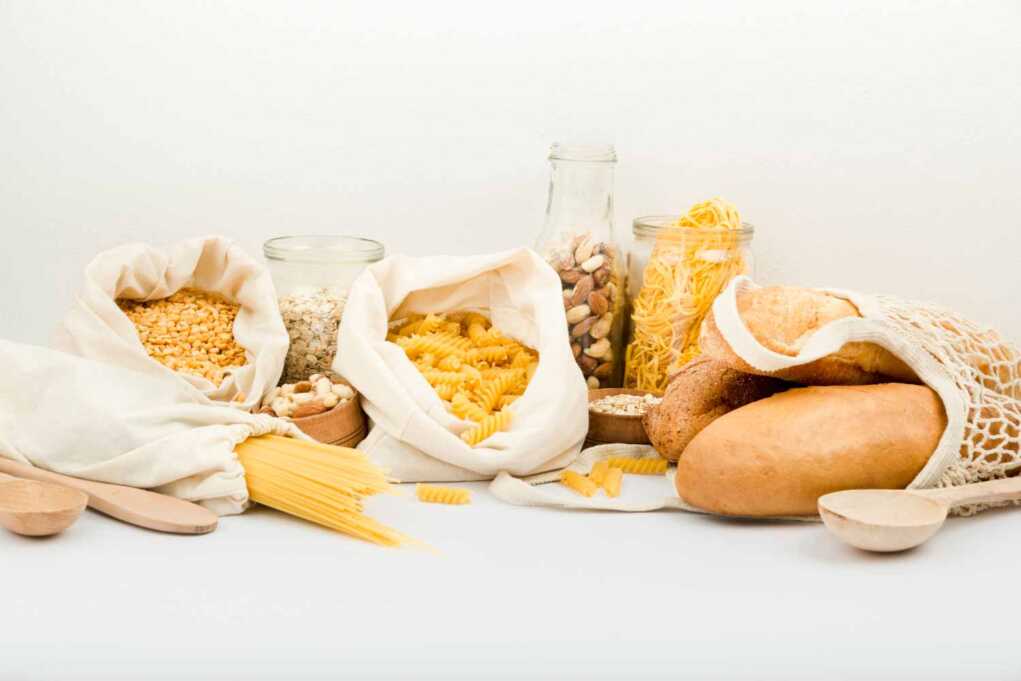
As we age, not just how much we eat—but what we eat—shapes our long‑term health and quality of life. A landmark 30‑year study of over 47,000 women in the Nurses’ Health Study revealed that higher intakes of high‑quality carbohydrates in midlife—especially from whole grains, fruits, vegetables, and legumes—were strongly linked to healthier aging. Those who ate more of these carbs were 6% to 37% more likely to reach age 70 free of major chronic illness, functional impairment, or cognitive decline.
Why Quality Matters More Than Quantity
While total carbohydrate intake does matter, carbohydrate quality is the key driver of longevity. Refined carbs—think white bread, sugary drinks, pastries, and starchy vegetables—were associated with about a 13% lower chance of healthy aging. One analysis showed every 10% increase in calories from refined carbs decreased odds of healthy aging (OR 0.87; 95% CI, 0.80–0.95).
In contrast, consuming 10% more calories from high‑quality carbs—those derived from fiber‑rich plant foods—was linked to 31% higher odds of healthy aging (OR 1.31; 95% CI, 1.22–1.41).
The Protective Power Of Fiber‑Rich Carbs
High‑quality carbohydrates typically come bundled with dietary fiber—a nutrient proven to boost nearly all aspects of aging health: digestion, heart health, blood sugar, cognition, mobility, and immunity.
- Each 1 standard deviation (SD) increase in total fiber intake was linked to a 7% to 17% increase in odds of healthy aging.
- Fiber from fruits or vegetables boosted odds by about 11%–14%, while cereal fiber added another 7%.
Mechanisms include improved gut microbiome diversity, reduced systemic inflammation, better blood pressure and cholesterol control, and vascular support through phytonutrients and minerals like magnesium and potassium.
Supporting Long-Term Cognition And Mobility
Fiber‑rich carbs also reinforce physical and mental resilience:
- They support muscle strength, balance, and mobility—critical factors for independent aging.
- They offer neuroprotective effects: whole grains, fruits, and legumes were associated with better memory, executive function, and lower risk of age‑related cognitive decline.
- Low‑GI, high‑fiber foods stabilize blood sugar and reduce inflammation, which supports brain health and mood.
Make The Shift: Practical Swaps For Healthier Carbs
Most experts agree that small, sustained dietary changes in midlife can pay off decades later:
- Swap refined grains (white bread, rice) for whole grains like brown rice, quinoa, oats, barley.
- Favor legumes—beans, lentils, chickpeas—for carbohydrates plus protein and fiber.
- Treat potatoes and processed grains as occasional indulgences, not staples.
- Aim for daily fiber goals (~25–28 g for women, ~31–34 g for men).
- Pair carbohydrates with protein and healthy fats for balanced meals, improved satiety, and stable glucose control.
Summary
While worrying about carbohydrate totals is common, it’s the quality of those carbs that matters most for aging well. Whole grains, fruits, vegetables, and legumes—with plenty of fiber—support heart health, metabolic resilience, cognitive function, immunity, and physical independence. Meanwhile, diets heavy in refined sugars, processed grains, and starchy staples may accelerate functional decline and chronic disease.
By the time you’re in your 40s and 50s, your dietary patterns are shaping how you’ll feel in your 70s and beyond. Opt for plant-based, fiber-rich carbs, prioritize whole foods over processed, and aim for long-term consistency—that’s how carb quality truly counts in healthy aging.
Sources:
- Healthline – Eating More Complex Carbs, Dietary Fiber Could Help You Live Longer News-Medical+7Science+7Rolling Out+7Healthline
- Business Insider – Carbs can help you live longer — if you eat the right ones EatingWell+4Business Insider+4Rolling Out+4
- EatingWell – 4 Carbs to Eat for Healthier Aging EatingWell
- Verywell Health – Eating High‑Quality Carbs in Your 40s May Be the Secret to Aging Well Verywell Health
- News‑Medical (or ScienMag) – summary of JAMA Network Open study The Times+2Food & Wine+2EatingWell+2
Disclaimer
The watching, interacting, and participation of any kind with anything on this page does not constitute or initiate a doctor-patient relationship with Veripeudic.com. None of the statements here have been evaluated by the Food and Drug Administration (FDA). The products of Veripeudic.com are not intended to diagnose, treat, cure, or prevent any disease. The information being provided should only be considered for education and entertainment purposes only. If you feel that anything you see or hear may be of value to you on this page or on any other medium of any kind associated with, showing, or quoting anything relating to Veripeudic.com in any way at any time, you are encouraged to and agree to consult with a licensed healthcare professional in your area to discuss it. If you feel that you’re having a healthcare emergency, seek medical attention immediately. The views expressed here are simply either the views and opinions of Veripeudic.com or others appearing and are protected under the first amendment.
Veripeudic.com promotes evidence-based natural approaches to health, which means integrating her individual scientific and clinical expertise with the best available external clinical evidence from systematic research. By individual clinical expertise, I refer to the proficiency and judgment that individual clinicians acquire through clinical experience and clinical practice.
Veripeudic.com does not make any representation or warranties with respect to the accuracy, applicability, fitness, or completeness of any multimedia content provided. Veripeudic.com does not warrant the performance, effectiveness, or applicability of any sites listed, linked, or referenced to, in, or by any multimedia content.
To be clear, the multimedia content is not intended to be a substitute for professional medical advice, diagnosis, or treatment. Always seek the advice of your physician or other qualified health providers with any questions you may have regarding a medical condition. Never disregard professional medical advice or delay in seeking it because of something you have read or seen in any website, video, image, or media of any kind. Veripeudic.com hereby disclaims any and all liability to any party for any direct, indirect, implied, punitive, special, incidental, or other consequential damages arising directly or indirectly from any use of the content, which is provided as is, and without warranties.