
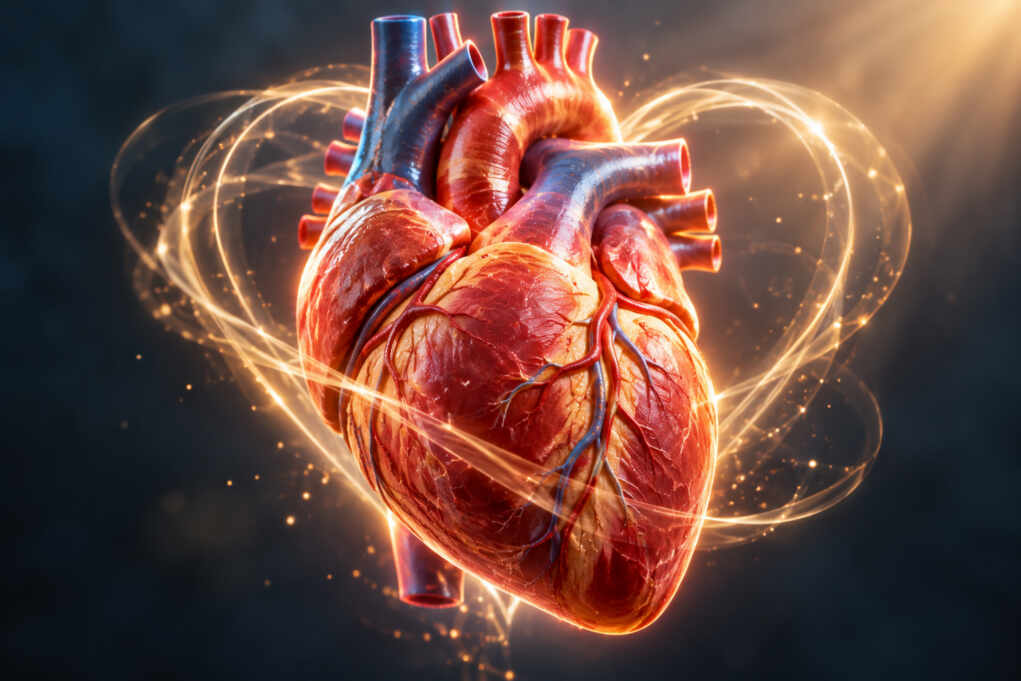
Heart disease is influenced by many factors, including high cholesterol, high blood pressure, inflammation, diabetes, diet, physical activity, and other lifestyle habits. While established strategies such as eating a balanced diet, exercising regularly, avoiding tobacco, and managing blood pressure and cholesterol remain central to heart disease prevention, researchers are increasingly studying another potential factor: the health of the gut microbiome.
The connection between probiotics and heart health has attracted growing scientific interest. Probiotics are live microorganisms that can provide health benefits when consumed in adequate amounts. They are found in foods such as yogurt and kefir and are also available as dietary supplements. Research suggests that certain probiotic strains may influence cardiovascular risk factors such as cholesterol and blood pressure. However, probiotics are not a proven treatment for heart disease, and their potential benefits should be considered alongside—not instead of—established heart-health practices.
What Are Probiotics?
Probiotics are live microorganisms that may provide health benefits when consumed in appropriate amounts. They include certain species of bacteria and yeasts that can interact with the microorganisms already living in the digestive tract.
Probiotics are commonly found in fermented foods, including some types of yogurt, kefir, kimchi, and sauerkraut. They are also sold as capsules, powders, tablets, and other dietary supplements.
Importantly, not all probiotics work in the same way. Different strains can have different effects, which is one reason researchers have not established a single probiotic that can be recommended specifically for preventing heart disease.
How Can Probiotics Support Heart Health?
The relationship between gut health and heart disease is complex. The gut microbiome can interact with the immune system, metabolism, and other processes throughout the body. Researchers are investigating whether modifying the gut microbiome can influence cardiovascular risk factors.
Here are several areas where probiotics may play a role.
1. Probiotics May Help Support Healthy Cholesterol Levels
High LDL cholesterol is an established risk factor for cardiovascular disease because excess LDL can contribute to plaque buildup in the arteries.
Some studies suggest that particular probiotic strains may have modest effects on cholesterol levels. Researchers believe probiotics may influence cholesterol metabolism in the digestive tract, although the results vary between studies and probiotic strains.
This means that eating probiotic foods may be part of a heart-conscious diet, but probiotics should not be considered a replacement for cholesterol-lowering medication when medication has been recommended by a healthcare professional.
2. Probiotics May Help Maintain Healthy Blood Pressure
High blood pressure places additional strain on the cardiovascular system and is an important risk factor for heart disease and stroke.
Some research has found that probiotic consumption may be associated with modest reductions in blood pressure. The American Heart Association has highlighted research in which people consuming probiotics experienced reductions in systolic and diastolic blood pressure.
However, the evidence remains limited, and researchers are still determining which probiotic strains, amounts, and durations of use may be most effective.
For people with hypertension, probiotics should complement—not replace—proven approaches such as a heart-healthy diet, physical activity, weight management, and prescribed treatment.
3. Probiotics May Support a Healthier Gut Microbiome
Your digestive tract contains trillions of microorganisms that interact with your diet, immune system, and metabolism. Maintaining a diverse and balanced gut microbiome may have implications for overall health, including cardiovascular health.
One important connection involves short-chain fatty acids, which are produced when certain gut bacteria ferment dietary fiber. These compounds can interact with processes involved in metabolism, inflammation, and blood-pressure regulation.
Probiotics may contribute to a healthier gut environment, but diet also plays a major role. Eating plenty of fiber-rich foods—including vegetables, fruits, beans, lentils, whole grains, nuts, and seeds—can help support beneficial gut bacteria.
4. Probiotics May Influence Inflammation
Chronic inflammation is associated with cardiovascular disease, which is why scientists are investigating whether the gut microbiome can influence inflammatory processes.
Some research suggests that an unhealthy gut microbiome may be associated with inflammatory activity, while beneficial gut bacteria can produce compounds that may have anti-inflammatory effects.
However, more research is needed to determine exactly how probiotic supplementation affects inflammation and whether those changes translate into fewer cardiovascular events.
5. Probiotic Foods Can Fit Into a Heart-Healthy Diet
One of the easiest ways to consume probiotics is through foods that naturally contain beneficial microorganisms.
Depending on the product, examples include:
- Yogurt with live cultures
- Kefir
- Kimchi
- Sauerkraut
- Certain fermented vegetables
- Other traditionally fermented foods
The nutritional profile of the food still matters. For example, some flavored yogurts contain significant amounts of added sugar. Choosing products with fewer added sugars can make it easier to incorporate probiotic foods into an overall heart-healthy eating pattern.
Probiotics vs. Prebiotics: What’s the Difference?
Although the terms sound similar, probiotics and prebiotics are different.
Probiotics are live microorganisms that may provide health benefits.
Prebiotics are dietary substances, particularly certain types of fiber, that beneficial gut microorganisms can use as a food source.
Getting both can be useful for supporting the gut microbiome. Foods such as onions, garlic, asparagus, bananas, beans, and whole grains provide various types of fiber that can be utilized by gut bacteria.
This is one reason a diet rich in plant foods can support both gut health and heart health.
Should You Take Probiotic Supplements for Heart Health?
Not necessarily. Although probiotic supplements are widely available, the evidence for using them specifically to prevent heart disease is still developing.
Different supplements contain different strains, doses, and combinations of microorganisms. A product that has been studied for one health condition may not produce the same effects for another.
For most people, it makes sense to focus first on an overall healthy dietary pattern rather than relying on a probiotic supplement as a form of cardiovascular protection.
People with existing medical conditions or those taking medications should discuss supplements with a healthcare professional before adding them to their routine.
Other Proven Ways to Reduce Heart Disease Risk
Probiotics may be an interesting area of research, but they are only one small part of the larger heart-health picture.
Established strategies for reducing cardiovascular risk include:
- Eating a diet rich in vegetables, fruits, whole grains, legumes, nuts, and other minimally processed foods
- Limiting excessive saturated fat, added sugars, and sodium
- Getting regular physical activity
- Maintaining a healthy weight
- Avoiding tobacco products
- Getting adequate sleep
- Monitoring blood pressure and cholesterol
- Managing diabetes when applicable
- Taking prescribed medications as directed
These measures have considerably more established evidence for cardiovascular risk reduction than probiotic supplementation alone.
The Bottom Line on Probiotics and Heart Disease
So, can probiotics lower your risk of heart disease? Current research suggests that certain probiotics may positively influence cardiovascular risk factors such as cholesterol, blood pressure, inflammation, and gut health. However, scientists have not established that probiotic supplements directly prevent heart attacks, strokes, or heart disease.
For now, probiotics are best considered one potential component of a broader healthy lifestyle. Including nutritious probiotic foods in a diet rich in fiber, vegetables, fruits, whole grains, and legumes can support overall health while established heart-health habits remain the foundation of cardiovascular disease prevention.
If you are concerned about your heart-disease risk, speak with a healthcare professional about your individual risk factors, including blood pressure, cholesterol, blood sugar, diet, physical activity, and family history.
Sources:
- Harvard Health — How a healthy gut helps your heart
- American Heart Association — Eating probiotics regularly may improve your blood pressure
- Mayo Clinic — Heart disease prevention: Strategies to reduce your risk
- WebMD — Probiotics
- Cleveland Clinic — Is Yogurt Good for You?
Website operated and published by:
FAB LTD
Ground Floor, 14 Stewart Dr.
Berea, East London 5241
South Africa
Disclaimer
The watching, interacting, and participation of any kind with anything on this page does not constitute or initiate a doctor-patient relationship with Dr. Farrah™. None of the statements here have been evaluated by the Food and Drug Administration (FDA). The products of Dr. Farrah™ are not intended to diagnose, treat, cure, or prevent any disease. The information being provided should only be considered for education and entertainment purposes only. If you feel that anything you see or hear may be of value to you on this page or on any other medium of any kind associated with, showing, or quoting anything relating to Dr. Farrah™ in any way at any time, you are encouraged to and agree to consult with a licensed healthcare professional in your area to discuss it. If you feel that you’re having a healthcare emergency, seek medical attention immediately. The views expressed here are simply either the views and opinions of Dr. Farrah™ or others appearing and are protected under the First Amendment.
Dr. Farrah™ is a highly experienced Licensed Medical Doctor certified in evidence-based clinical nutrition, not some enthusiast, formulator, or medium promoting the wild and unrestrained use of nutrition products for health issues without clinical experience and scientific evidence of therapeutic benefit. Dr. Farrah™ has personally and keenly studied everything she recommends, and more importantly, she’s closely observed the reactions and results in a clinical setting countless times over the course of her career involving the treatment of over 150,000 patients.
Dr. Farrah™ promotes evidence-based natural approaches to health, which means integrating her individual scientific and clinical expertise with the best available external clinical evidence from systematic research. By individual clinical expertise, I refer to the proficiency and judgment that individual clinicians acquire through clinical experience and clinical practice.
Dr. Farrah™ does not make any representations or warranties with respect to the accuracy, applicability, fitness, or completeness of any multimedia content provided. Dr. Farrah™ does not warrant the performance, effectiveness, or applicability of any sites listed, linked, or referenced to, in, or by any multimedia content.
To be clear, the multimedia content is not intended to be a substitute for professional medical advice, diagnosis, or treatment. Always seek the advice of your physician or other qualified health providers with any questions you may have regarding a medical condition. Never disregard professional medical advice or delay in seeking it because of something you have read or seen in any website, video, image, or media of any kind. Dr. Farrah™ hereby disclaims any and all liability to any party for any direct, indirect, implied, punitive, special, incidental, or other consequential damages arising directly or indirectly from any use of the content, which is provided as is, and without warranties.