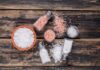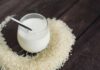

Gluten is a protein found in certain grains, such as wheat, barley, rye, and a cross between wheat and rye called triticale.
A gluten-free diet helps manage symptoms of celiac disease and other medical conditions associated with gluten consumption. This type of diet also has gained popularity among people without gluten-related medical conditions. The claimed benefits of the diet are improved health, weight loss and increased energy.
Removing gluten from your diet likely changes your overall intake of fiber, vitamins and other nutrients. Therefore, regardless of your reasons for following a gluten-free diet, it’s important to know how it can affect your overall nutritional intake.
These Medical Conditions Require A Gluten-Free Diet:
- Celiac disease
This is an autoimmune disorder in which gluten triggers immune system activity that damages the lining of the small intestine. Over time, this damage prevents the absorption of nutrients from food. - Gluten sensitivity
This causes some of the same signs and symptoms associated with celiac disease, including abdominal pain, bloating, diarrhea, constipation, foggy brain, rash or headache, even though there is no damage to the tissues of the small intestine. Studies show that the immune system plays a role, but the process isn’t well-understood. - Gluten ataxia
This is an autoimmune disorder in which gluten affects certain nerve tissues, and causes problems with muscle control and voluntary muscle movement. - Wheat allergy
Like other food allergies, wheat allergy is the result of the immune system mistaking gluten or some other protein found in wheat as a disease-causing agent, similar to a virus or bacteria. The immune system creates an antibody to the protein, prompting an immune system response that may result in congestion, breathing difficulties and other symptoms.
Your health care team or a dietitian can help you make appropriate dietary choices to maintain a well-balanced diet with the diagnosis of any of these conditions.
What To Look For On Food Labels
When you are buying groceries, you need to read labels to determine if they contain gluten. Foods that contain wheat, barley, rye or triticale — or an ingredient derived from them — must be labeled with the name of the grain in the label’s content list.
Foods that are labeled gluten-free, according to the Food and Drug Administration rules, must have fewer than 20 parts per million of gluten.
Foods With These Labels May Include:
- Naturally gluten-free food
- A prepared food that doesn’t have a gluten-containing ingredient
- Food that has not been cross-contaminated with gluten-containing ingredients during production
- Food with a gluten-containing ingredient that has been processed to remove gluten
Alcoholic beverages made from naturally gluten-free ingredients, such as grapes or juniper berries, can be labeled gluten-free. An alcoholic beverage made from a gluten-containing grain can carry a label stating the beverage was processed, treated or crafted to remove gluten. However, the label must state that gluten content cannot be determined and the beverage may contain some gluten.
Processed Foods That Contain Gluten
Wheat, barley or rye are commonly found in processed foods. Wheat gluten frequently is added as a thickening or binding agent, or for flavoring or coloring. It’s vital to read the labels of processed foods to determine if they contain these grains.
In general, if a gluten-free diet is advised for you, consume foods not as gluten-free with caution. Look specifically for those made with corn, rice, soy or other gluten-free grain.
Medications And Supplements
Prescription and over-the-counter medications may use wheat gluten as a binding agent. Talk to your health care provider or pharmacist about the medications you’re taking. Dietary supplements that contain wheat gluten must list wheat as an ingredient on the label.
Eating Gluten-Free At Home, In Restaurants
It’s particularly important for people with celiac disease to avoid exposure to gluten.
These tips can help you prevent cross-contamination in your own food preparations at home and avoid gluten-containing food when you eat out:
- Store gluten-free and gluten-containing foods in different places.
- Keep cooking surfaces and food storage areas clean and sanitized.
- Wash dishes and cooking equipment thoroughly.
- Read restaurant menus online ahead of time, if possible, to be sure there are options for you.
- Eat out early or late when a restaurant is less busy and better able to address your needs.
Gluten-free recipes can have the same nutritional value and great taste as traditional recipes. Don’t hesitate to explore gluten-free foods. In some cases, gluten-free recipes can have added benefits, such as increased fiber and protein.
Try These Gluten-Free Recipes Today:
Apricot And Almond Crisp
Serves 6
Dietitian’s tip: This apricot dessert uses no flour and is gluten-free when made with certified gluten-free oats.
Ingredients
- 1 teaspoon olive oil
- 1 pound apricots, halved with pits removed
- 1/2 cup almonds, chopped
- 1 tablespoon oats (certified gluten-free)
- 1 teaspoon anise seeds
- 2 tablespoons honey
Directions
Heat oven to 350 degrees. Brush olive oil in 9-inch glass pie dish. Chop apricots and place in pie dish. Sprinkle almonds, oats and anise seeds on top. Drizzle with honey. Bake for 25 minutes, until almond topping is golden and apricots are bubbling up. Serve warm.
Nutritional analysis per 1/2 cup serving: 134 calories, 6 grams total fat, 0.5 grams saturated fat, trace trans fat, 4 grams monounsaturated fat, 0 milligrams cholesterol, 1 milligram sodium, 17 grams total carbohydrate, 3 grams dietary fiber, 6 grams added sugars, 3 grams protein
Italian Chicken And Vegetable Packet
Serves 1
Dietitian’s tip: This recipe may also be prepared on the grill. Use heavy-duty aluminum foil and place it off to the side of the flame. Turn midway through the cooking time.
Ingredients
- 1 skinless, boneless chicken breast, about 3 ounces
- 1/2 cup diced zucchini
- 1/2 cup scrubbed and diced potato
- 1/4 cup diced onion
- 1/4 cup sliced baby carrots
- 1/4 cup sliced mushrooms
- 1/8 teaspoon garlic powder
- 1/4 teaspoon Italian seasoning or oregano
Directions
Heat oven to 350 degrees. Cut off a 12-inch sheet of heavy-duty aluminum foil or parchment paper. Fold the foil or parchment paper in half, unfold and spray with cooking spray. Center the chicken breast on the sheet. Top with zucchini, potato, onion, carrots and mushrooms. Sprinkle garlic powder and Italian seasoning on the chicken and vegetables. Bring the foil together and make small, overlapping folds down the length of the packet to seal. Twist the two ends several times to make a tight seal so the liquid won’t escape during cooking. Place the packet on a cookie sheet and bake for 45 minutes, until chicken and vegetables are tender.
Nutritional analysis per serving: 207 calories, 2.5 grams total fat, 0.5 grams saturated fat, trace trans fat, 0.5 grams monounsaturated fat, 62 milligrams cholesterol, 72 milligrams sodium, 23 grams total carbohydrate, 3 grams dietary fiber, 0 grams added sugar, 23 grams protein.
Important Notice: This article was originally published at www.mayoclinichealthsystem.org by Kjersten Nett, where all credits are due.
Disclaimer
The watching, interacting, and participation of any kind with anything on this page does not constitute or initiate a doctor-patient relationship with Dr. Farrah™. None of the statements here have been evaluated by the Food and Drug Administration (FDA). The products of Dr. Farrah™ are not intended to diagnose, treat, cure, or prevent any disease. The information being provided should only be considered for education and entertainment purposes only. If you feel that anything you see or hear may be of value to you on this page or on any other medium of any kind associated with, showing, or quoting anything relating to Dr. Farrah™ in any way at any time, you are encouraged to and agree to consult with a licensed healthcare professional in your area to discuss it. If you feel that you’re having a healthcare emergency, seek medical attention immediately. The views expressed here are simply either the views and opinions of Dr. Farrah™ or others appearing and are protected under the first amendment.
Dr. Farrah™ is a highly experienced Licensed Medical Doctor certified in evidence-based clinical nutrition, not some enthusiast, formulator, or medium promoting the wild and unrestrained use of nutrition products for health issues without clinical experience and scientific evidence of therapeutic benefit. Dr. Farrah™ has personally and keenly studied everything she recommends, and more importantly, she’s closely observed the reactions and results in a clinical setting countless times over the course of her career involving the treatment of over 150,000 patients.
Dr. Farrah™ promotes evidence-based natural approaches to health, which means integrating her individual scientific and clinical expertise with the best available external clinical evidence from systematic research. By individual clinical expertise, I refer to the proficiency and judgment that individual clinicians acquire through clinical experience and clinical practice.
Dr. Farrah™ does not make any representation or warranties with respect to the accuracy, applicability, fitness, or completeness of any multimedia content provided. Dr. Farrah™ does not warrant the performance, effectiveness, or applicability of any sites listed, linked, or referenced to, in, or by any multimedia content.
To be clear, the multimedia content is not intended to be a substitute for professional medical advice, diagnosis, or treatment. Always seek the advice of your physician or other qualified health providers with any questions you may have regarding a medical condition. Never disregard professional medical advice or delay in seeking it because of something you have read or seen in any website, video, image, or media of any kind. Dr. Farrah™ hereby disclaims any and all liability to any party for any direct, indirect, implied, punitive, special, incidental, or other consequential damages arising directly or indirectly from any use of the content, which is provided as is, and without warranties.