
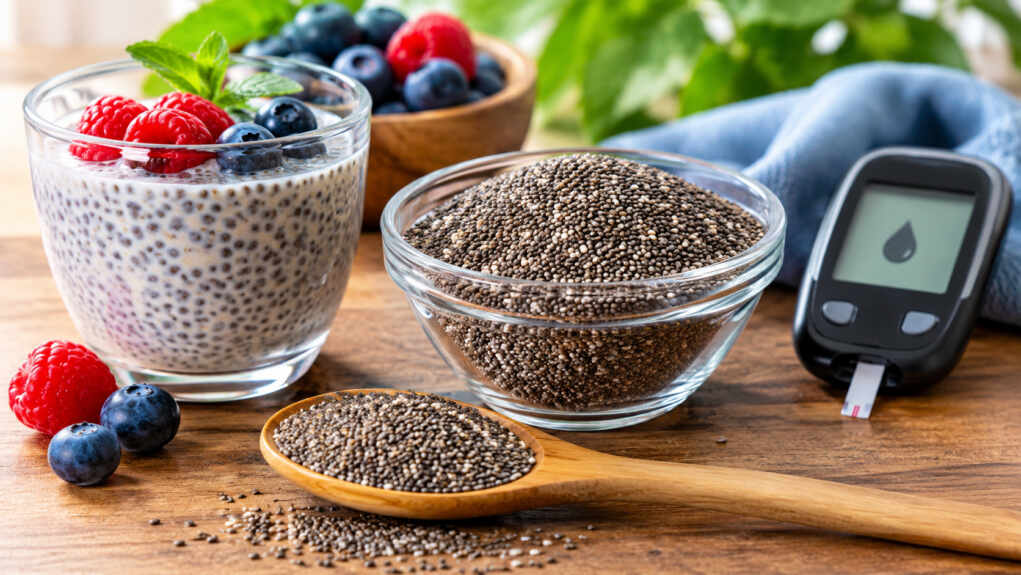
Chia seeds may be tiny, but they pack an impressive amount of nutrition that could make a difference in your overall health, especially when it comes to blood sugar management. Rich in dietary fiber, plant-based protein, omega-3 fatty acids, and essential minerals, these little seeds have become a popular addition to healthy diets. One of their most interesting nutritional properties is their ability to absorb liquid and form a gel-like substance, which may slow digestion and influence how quickly carbohydrates are absorbed into the bloodstream. For people looking to maintain healthy blood sugar levels, this makes chia seeds a food worth exploring.
But can eating chia seeds actually help lower blood sugar, prevent sudden glucose spikes, or improve diabetes management? Research suggests there may be some potential benefits, although the scientific evidence is not yet conclusive. While the fiber in chia seeds may support a healthier blood sugar response after meals, clinical studies have not consistently demonstrated significant improvements in long-term blood glucose markers. Understanding what chia seeds can and cannot do will help you decide whether adding them to your daily diet is a smart move for your health.
1. Chia Seeds May Help Slow Down Blood Sugar Spikes
One of the most promising ways chia seeds may influence blood sugar is through their high fiber content.
Two tablespoons (approximately 28 grams) of chia seeds provide around 11 grams of dietary fiber, making them an excellent source of this important nutrient. Much of their fiber is insoluble, while some forms soluble fiber that absorbs water and creates a thick, gel-like consistency.
When you eat chia seeds with a meal, this gel-forming fiber may help slow digestion and the absorption of carbohydrates. Instead of glucose entering your bloodstream as quickly, the digestive process may become more gradual.
This could help reduce sharp increases in blood sugar after eating, particularly when chia seeds are included in meals containing carbohydrates.
However, the effect depends on the overall composition of your meal, portion sizes, and individual metabolic health. Chia seeds should not be expected to prevent every blood sugar spike.
2. Their High Fiber Content Supports Better Blood Sugar Management
Fiber plays an important role in maintaining healthy blood glucose levels.
Unlike digestible carbohydrates, dietary fiber is not broken down and absorbed in the same way as sugar and starch. Soluble fiber, in particular, can slow the movement of food through the digestive system and delay glucose absorption.
Chia seeds offer a convenient way to increase your daily fiber intake. This may be especially useful for people who regularly consume refined carbohydrates, which can contribute to rapid increases in blood sugar.
Eating more fiber-rich foods as part of a balanced diet can also support digestive health, improve fullness, and help with weight management.
These benefits matter because maintaining a healthy weight and following a fiber-rich eating pattern can contribute to better metabolic health.
The important thing to remember is that chia seeds work best as part of an overall healthy eating pattern rather than as an isolated solution for controlling blood sugar.
3. Chia Seeds May Help Improve Your Blood Sugar Response After Meals
Your blood sugar naturally rises after eating, especially after consuming foods rich in carbohydrates.
However, how quickly and how high it rises can vary depending on the foods you eat.
Some research suggests that chia seeds may help moderate this post-meal glucose response. Their soluble fiber forms a viscous gel when mixed with liquid, potentially slowing the digestion and absorption of carbohydrates.
A small randomized crossover study involving healthy adults found that adding chia flour to a carbohydrate-containing drink affected the participants’ post-meal glycemic response. Other research involving chia and glucose challenges has also reported reductions in post-meal glucose responses.
These findings suggest that chia seeds may have a useful role in meals designed to support more stable blood sugar levels.
Still, these studies are relatively limited, and their findings should not be interpreted as proof that eating chia seeds will consistently prevent blood sugar spikes in everyone.
4. They May Support Weight Management, Which Matters for Blood Sugar
Maintaining a healthy weight is an important part of managing blood sugar, particularly for people with insulin resistance or type 2 diabetes.
Chia seeds may support weight management because they contain a combination of fiber, protein, and healthy fats.
When chia seeds absorb liquid, they expand and develop a gel-like texture. This can increase the volume of food in your stomach and may help you feel fuller after eating.
Their fiber content also slows digestion, potentially helping you stay satisfied between meals and reducing the urge to snack frequently.
Why does this matter for blood sugar?
Excess body fat, particularly around the abdomen, is associated with insulin resistance. When the body becomes less responsive to insulin, glucose has a harder time moving from the bloodstream into cells.
Improving eating habits and maintaining a healthy weight can help support insulin sensitivity and metabolic health.
Although chia seeds can contribute to a filling and nutritious diet, they are not a guaranteed weight-loss food. Their calories still count, and portion sizes remain important.
5. Chia Seeds Provide Magnesium and Other Nutrients That Support Metabolic Health
Beyond fiber, chia seeds contain several nutrients that play important roles in normal body functions.
One of these is magnesium.
Magnesium participates in hundreds of biochemical processes, including those involved in energy production and glucose metabolism. Adequate magnesium intake is important for normal insulin function and overall metabolic health.
A one-ounce serving of chia seeds provides approximately 95 milligrams of magnesium, making them a useful plant-based source of this mineral.
Chia seeds also contain:
- Omega-3 fatty acids: Primarily alpha-linolenic acid (ALA), a plant-based omega-3 that supports overall cardiovascular health.
- Protein: Helps support muscle maintenance and contributes to feelings of fullness.
- Calcium: Important for bone health and normal muscle function.
- Phosphorus: Supports healthy bones and energy metabolism.
- Antioxidant compounds: Help protect cells against oxidative damage.
These nutrients make chia seeds a valuable addition to a balanced diet. However, getting more magnesium or omega-3 fatty acids from chia seeds does not automatically mean your blood sugar will decrease.
Their overall nutritional value is best appreciated as part of a varied, nutrient-rich eating pattern.
6. They May Help Support Gut Health
Your digestive system plays an important role in overall metabolic health.
Chia seeds contain different types of dietary fiber that support normal digestion. Insoluble fiber adds bulk to stool, while soluble and fermentable fibers can help support beneficial gut bacteria.
When gut bacteria ferment certain types of fiber, they produce short-chain fatty acids. These compounds contribute to intestinal health and may influence metabolic processes.
A healthier gut environment is an area of growing scientific interest because researchers are investigating possible connections between gut bacteria, inflammation, insulin sensitivity, and blood glucose regulation.
Although chia seeds can contribute to a fiber-rich diet that supports digestive health, more human research is needed to determine whether eating them directly improves blood sugar through changes in the gut microbiome.
7. Chia Seeds Are Not a Proven Treatment for High Blood Sugar or Diabetes
Despite their impressive nutritional profile, it is important to separate potential benefits from proven medical effects.
A 2024 systematic review and meta-analysis published in Diabetes & Metabolic Syndrome: Clinical Research & Reviews examined eight randomized controlled trials involving 362 participants.
Researchers investigated whether chia seed consumption could improve several measures of blood sugar control, including:
- Fasting blood glucose.
- Hemoglobin A1c (HbA1c).
- Insulin levels.
The analysis found no statistically significant improvements in these measures following chia seed consumption.
This does not mean chia seeds are unhealthy or that they have no nutritional value. Rather, it shows that current clinical evidence is insufficient to establish chia seeds as an effective standalone intervention for lowering blood sugar or improving long-term diabetes control.
A separate systematic review published in 2018 suggested that higher amounts of chia seeds might reduce post-meal glucose responses in some circumstances. However, the researchers rated the overall evidence as low or very low quality.
The takeaway? Chia seeds can be part of a healthy diet, but they should never replace prescribed diabetes medication, medical treatment, or professional dietary guidance.
8. How to Eat Chia Seeds for Better Blood Sugar Management
If you want to include chia seeds in your diet, the good news is that they are versatile and easy to prepare.
You can add them to different meals and snacks without significantly changing your usual eating routine.
Here are some practical ways to enjoy them:
Add them to oatmeal.
Sprinkle chia seeds over unsweetened oatmeal to increase its fiber content. Combine them with nuts, cinnamon, or a small portion of fresh berries for a nutritious breakfast.
Make chia seed pudding.
Mix chia seeds with unsweetened milk or fortified plant-based milk. Refrigerate the mixture until it thickens, then add nuts or fresh fruit.
Blend them into smoothies.
Add a tablespoon of chia seeds to a smoothie containing unsweetened yogurt, leafy greens, and low-sugar fruits.
Mix them into plain yogurt.
Stir chia seeds into plain, unsweetened Greek yogurt for a snack containing fiber and protein.
Add them to salads.
Sprinkle chia seeds over vegetable salads to increase their nutritional content and add a subtle crunch.
For a balanced approach, start with a small amount, such as one teaspoon or one tablespoon daily, and gradually increase your intake as tolerated.
There is no universally established chia seed dosage specifically for blood sugar control. A common food portion is around one to two tablespoons per day, depending on your overall diet and nutritional needs.
9. Should You Eat Chia Seeds Every Day?
For most people, chia seeds can be included in a healthy daily eating pattern.
Eating them regularly can help increase your intake of fiber, plant-based omega-3 fatty acids, protein, and minerals.
However, consuming too much fiber too quickly may cause digestive discomfort, including bloating, gas, and constipation.
To minimize these effects:
- Start with a small serving and gradually increase it.
- Drink enough water throughout the day.
- Mix chia seeds into liquids or moist foods.
- Avoid swallowing large spoonfuls of dry chia seeds, as they expand rapidly when exposed to liquid.
- Choose unsweetened ingredients when preparing chia-based drinks, smoothies, and puddings.
People who have difficulty swallowing should be particularly careful because dry chia seeds can expand and potentially cause an obstruction. They should seek medical guidance before consuming them.
If you have diabetes and take glucose-lowering medication, continue following your prescribed treatment plan. Discuss significant dietary changes with your healthcare professional, especially if you are adjusting your carbohydrate or fiber intake.
10. The Best Way to Combine Chia Seeds With Other Blood Sugar-Friendly Foods
Chia seeds can be even more useful when included in meals that contain a combination of fiber, protein, and healthy fats.
Instead of eating them alongside sugary foods or sweetened beverages, consider pairing them with nutritious ingredients that support a balanced meal.
Some good combinations include:
- Chia seeds and plain Greek yogurt: Provides fiber and protein without requiring added sugar.
- Chia seeds and almonds: Combines fiber, healthy fats, and plant-based protein.
- Chia seeds and berries: Adds fiber, vitamins, and antioxidants.
- Chia seeds and oatmeal: Provides a combination of soluble fiber and other important nutrients.
- Chia seeds and unsweetened soy milk: Offers fiber and plant-based protein.
Remember that no single food can completely control your blood sugar. The overall amount and quality of carbohydrates in your meals, physical activity, sleep, stress, and medications can all influence glucose levels.
For people living with diabetes, checking blood sugar before and after meals can also help identify how particular foods affect their individual glucose response.
Final Thoughts: Are Chia Seeds Good for Your Blood Sugar?
Chia seeds offer several nutritional benefits that may support healthier blood sugar management. Their high fiber content can slow digestion, potentially moderate post-meal glucose responses, and help promote feelings of fullness. They also provide magnesium, plant-based protein, omega-3 fatty acids, and other nutrients that contribute to overall health.
However, current clinical research has not established that eating chia seeds significantly lowers fasting blood glucose, HbA1c, or insulin levels. More large-scale human studies are needed to understand their long-term effects on blood sugar.
If you want to support healthy glucose levels, chia seeds can be a nutritious addition to a balanced diet, but they should be combined with other healthy habits, regular physical activity, and appropriate medical care.
Ultimately, think of chia seeds as a helpful nutritional addition rather than a natural cure for high blood sugar or diabetes.
Sources:
- Harvard T.H. Chan School of Public Health – Chia Seeds
- Cleveland Clinic – The Many Benefits of Chia Seeds
- Mayo Clinic – Dietary Fiber: Essential for a Healthy Diet
- American Diabetes Association – Food and Blood Glucose
- PubMed – The Effectiveness of Chia Seed in Improving Glycemic Status: A Systematic Review and Meta-Analysis (2024)
- PubMed – Clinical Evidence on Dietary Supplementation With Chia Seed: A Systematic Review and Meta-Analysis
- Mayo Clinic – Diabetes Diet: Create Your Healthy-Eating Plan
Website operated and published by:
FAB LTD
Ground Floor, 14 Stewart Dr.
Berea, East London 5241
South Africa
Disclaimer
The watching, interacting, and participation of any kind with anything on this page does not constitute or initiate a doctor-patient relationship with Dr. Farrah™. None of the statements here have been evaluated by the Food and Drug Administration (FDA). The products of Dr. Farrah™ are not intended to diagnose, treat, cure, or prevent any disease. The information being provided should only be considered for education and entertainment purposes only. If you feel that anything you see or hear may be of value to you on this page or on any other medium of any kind associated with, showing, or quoting anything relating to Dr. Farrah™ in any way at any time, you are encouraged to and agree to consult with a licensed healthcare professional in your area to discuss it. If you feel that you’re having a healthcare emergency, seek medical attention immediately. The views expressed here are simply either the views and opinions of Dr. Farrah™ or others appearing and are protected under the First Amendment.
Dr. Farrah™ is a highly experienced Licensed Medical Doctor certified in evidence-based clinical nutrition, not some enthusiast, formulator, or medium promoting the wild and unrestrained use of nutrition products for health issues without clinical experience and scientific evidence of therapeutic benefit. Dr. Farrah™ has personally and keenly studied everything she recommends, and more importantly, she’s closely observed the reactions and results in a clinical setting countless times over the course of her career involving the treatment of over 150,000 patients.
Dr. Farrah™ promotes evidence-based natural approaches to health, which means integrating her individual scientific and clinical expertise with the best available external clinical evidence from systematic research. By individual clinical expertise, I refer to the proficiency and judgment that individual clinicians acquire through clinical experience and clinical practice.
Dr. Farrah™ does not make any representations or warranties with respect to the accuracy, applicability, fitness, or completeness of any multimedia content provided. Dr. Farrah™ does not warrant the performance, effectiveness, or applicability of any sites listed, linked, or referenced to, in, or by any multimedia content.
To be clear, the multimedia content is not intended to be a substitute for professional medical advice, diagnosis, or treatment. Always seek the advice of your physician or other qualified health providers with any questions you may have regarding a medical condition. Never disregard professional medical advice or delay in seeking it because of something you have read or seen in any website, video, image, or media of any kind. Dr. Farrah™ hereby disclaims any and all liability to any party for any direct, indirect, implied, punitive, special, incidental, or other consequential damages arising directly or indirectly from any use of the content, which is provided as is, and without warranties.