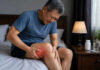

Arthritis pain can make everyday activities, from walking up the stairs to opening a jar, feel like a challenge. Although medications can help relieve joint pain and inflammation, they are not suitable for everyone. Some people experience stomach irritation, kidney or liver complications, cardiovascular risks, or dangerous interactions with other medicines. For older adults and people living with multiple health conditions, finding safer ways to manage arthritis pain is especially important. Fortunately, several non-drug treatments and complementary approaches may help reduce discomfort, improve mobility, and support a better quality of life.
When drugs are dangerous, what remedies ease arthritis pain? The answer often involves a combination of gentle exercise, physical therapy, heat and cold treatments, healthy eating, weight management, and joint-protection techniques. These approaches can be particularly helpful for people with osteoarthritis, rheumatoid arthritis, and other forms of arthritis, although the most effective strategy depends on the type of condition. Natural remedies are not automatically safe, and some forms of inflammatory arthritis require medication to prevent permanent joint damage. Understanding which options have scientific support—and when professional medical advice is necessary—can help people find a practical, safer approach to arthritis pain relief.
1. Gentle Exercise and Physical Therapy
Exercise is one of the most effective non-drug strategies for managing arthritis pain. Although movement may seem uncomfortable when joints are stiff, appropriate physical activity can strengthen the muscles surrounding joints, improve flexibility, and help people maintain independence.
Low-impact activities are generally easier on sensitive joints than exercises involving jumping or sudden movements. Consider these options:
- Walking: Start with short distances and gradually increase as tolerated.
- Swimming and water aerobics: Water supports body weight, reducing pressure on painful hips, knees, and ankles.
- Gentle stretching: Range-of-motion exercises can help maintain flexibility and reduce stiffness.
- Strength training: Light resistance exercises can strengthen the muscles that support affected joints.
- Physical therapy: A physical therapist can recommend movements tailored to the type of arthritis, pain level, and mobility limitations.
Consistency matters more than intensity. Start slowly, take breaks when needed, and avoid pushing through sharp or unusual pain. If a joint becomes increasingly swollen or painful after exercise, reduce the activity and consult a healthcare professional.
According to the Mayo Clinic, appropriate exercise can ease arthritis pain and stiffness while improving energy, muscle strength, and overall function.
2. Heat and Cold Therapy for Joint Pain Relief
Heat and cold therapy offer simple, inexpensive ways to temporarily relieve arthritis symptoms without relying on oral pain medication.
Heat therapy may help when joints feel stiff or muscles are tight. Warm showers, heating pads, warm towels, and warm-water soaks can relax muscles and make movement more comfortable. Applying gentle heat before stretching or exercising may also help prepare stiff joints for activity.
Cold therapy can be useful when joints are swollen, inflamed, or painful after activity. A cold pack wrapped in a thin towel may reduce swelling and temporarily numb pain.
For safer use:
- Apply heat or cold for approximately 15–20 minutes at a time.
- Keep a protective cloth between your skin and the heat or cold source.
- Never fall asleep with a heating pad in place.
- Avoid extreme temperatures, particularly if you have reduced skin sensation or circulation problems.
Heat and cold can help manage symptoms, but they do not cure arthritis or reverse joint damage. For persistent pain, discuss an appropriate treatment plan with your healthcare provider.
3. Maintain a Healthy Weight to Reduce Joint Pressure
Weight management can be especially helpful for people with osteoarthritis affecting the knees, hips, and feet. Excess body weight increases the mechanical load on weight-bearing joints and may contribute to inflammation.
Even modest, sustainable weight loss can reduce arthritis-related pain and improve physical function for people who are overweight or have obesity.
Instead of following restrictive diets, focus on habits that are easier to maintain:
- Eat balanced meals with vegetables, fruits, whole grains, and adequate protein.
- Choose regular, manageable physical activity.
- Reduce frequent consumption of highly processed foods and sugary drinks.
- Seek guidance from a registered dietitian if you need help planning meals.
Weight loss is not necessary or appropriate for everyone with arthritis. The goal is to support joint health, adequate nutrition, and overall well-being rather than pursue a particular body size.
4. Follow an Anti-Inflammatory Eating Pattern
A healthy diet cannot eliminate arthritis, but it can support general health and may help some people manage pain and inflammation.
A Mediterranean-style eating pattern is one practical option. It emphasizes vegetables, fruit, legumes, whole grains, nuts, seeds, olive oil, and fish. These foods supply fiber, healthy fats, vitamins, minerals, and other nutrients important for overall health.
Consider incorporating:
- Fatty fish: Salmon, sardines, and other oily fish contain omega-3 fatty acids.
- Colorful vegetables and fruits: These provide antioxidants and other beneficial plant compounds.
- Whole grains: Oats, brown rice, and whole-grain bread provide fiber and essential nutrients.
- Nuts and seeds: Walnuts, chia seeds, and flaxseeds provide unsaturated fats.
- Beans and lentils: These offer plant-based protein and fiber.
There is no single arthritis diet that works for everyone. Individual responses vary, and dietary changes should complement—not replace—appropriate medical care.
It is also important to distinguish between osteoarthritis and inflammatory conditions such as rheumatoid arthritis. While healthy eating benefits general health, it should not be considered a substitute for treatment that controls autoimmune inflammation.
5. Try Mind-Body Techniques to Manage Chronic Pain
Arthritis pain can affect sleep, mood, concentration, and emotional well-being. Stress may also make pain feel more difficult to manage.
Mind-body practices can help people cope with chronic discomfort and maintain a more active lifestyle. Options include:
- Tai chi: Combines slow, controlled movements with balance and breathing exercises.
- Yoga: Gentle, adapted poses may improve flexibility and relaxation.
- Meditation: Mindfulness practices can help people respond to discomfort with less stress.
- Deep breathing: Slow, comfortable breathing can encourage relaxation during painful episodes.
- Cognitive behavioral therapy (CBT): This structured approach helps people develop practical strategies for coping with chronic pain and its emotional effects.
Choose beginner-friendly programs and tell the instructor about your limitations. Yoga poses that place excessive pressure on painful joints may need to be modified or avoided.
These approaches do not eliminate the underlying cause of arthritis, but they may help improve coping skills, sleep, mood, and day-to-day quality of life.
6. Consider Acupuncture and Other Complementary Therapies
Some people explore acupuncture, massage, or other complementary therapies when conventional pain medications cause unwanted effects.
Acupuncture involves inserting thin needles at specific points on the body. Research suggests it may provide some relief for osteoarthritis pain, although the degree of benefit varies and findings are not consistent across all studies.
Massage therapy may temporarily ease muscle tension and promote relaxation. People with painful or inflamed joints should seek a qualified practitioner who understands arthritis and can adjust pressure and techniques accordingly.
Assistive devices can also make a meaningful difference. Depending on the affected joints, options may include:
- Canes or walkers to improve stability and reduce pressure on painful joints.
- Knee braces or shoe inserts when recommended by a clinician.
- Jar openers and other gripping aids for hand arthritis.
- Ergonomic tools that reduce repetitive movements and strain.
Complementary therapies should be selected according to your diagnosis, symptoms, preferences, and budget. Check with your healthcare provider before beginning a new treatment, especially if you have severe inflammation, osteoporosis, circulation problems, or other medical conditions.
7. Use Turmeric and Other Supplements With Caution
Turmeric, curcumin, glucosamine, chondroitin, and fish oil are frequently marketed for arthritis pain relief. However, the scientific evidence varies considerably from one supplement to another.
Curcumin, a compound found in turmeric, has been studied for its potential anti-inflammatory effects. Some studies suggest that certain formulations may help relieve osteoarthritis symptoms, but the available evidence does not establish that every turmeric product is effective or safe.
Supplements also have risks. Concentrated turmeric or curcumin products can cause digestive side effects, interact with medications, and, in some cases, have been associated with liver injury. Fish oil may increase bleeding risk in certain circumstances, particularly when combined with blood-thinning medicines.
Before taking any arthritis supplement:
- Ask your doctor or pharmacist to review your medications and medical history.
- Avoid assuming that a product is safe simply because it is labeled natural.
- Check product ingredients, quality testing, and the evidence supporting its claimed benefits.
- Do not replace prescribed arthritis treatment with supplements.
Important: People with rheumatoid arthritis or other inflammatory forms of arthritis may need disease-modifying medication to prevent permanent joint damage. Supplements and lifestyle changes cannot reliably provide that protection.
8. Protect Your Joints and Pace Daily Activities
Small adjustments to daily routines can reduce strain on painful joints and help conserve energy.
Try alternating demanding activities with short rest periods rather than completing every chore at once. Use larger joints and stronger muscles when possible, keep frequently used objects within easy reach, and avoid prolonged positions that increase stiffness.
Other helpful strategies include:
- Wearing comfortable, supportive footwear.
- Using tools with padded or easy-to-grip handles.
- Taking regular movement breaks when sitting for long periods.
- Maintaining good posture while working or using electronic devices.
- Using recommended braces or mobility aids correctly.
Rest is important during periods of increased pain, but prolonged inactivity can weaken muscles and increase stiffness. A balanced routine of gentle movement and recovery is generally more helpful than avoiding activity altogether.
9. Improve Sleep and Establish a Consistent Routine
Poor sleep and chronic pain can reinforce one another. Arthritis discomfort may interrupt sleep, while inadequate rest can make pain harder to manage the following day.
A consistent bedtime, a comfortable sleeping environment, and appropriate support for painful joints may help. Try using pillows to support your knees, hips, arms, or other affected areas, depending on your sleeping position.
You can also consider a warm shower before bed, gentle stretching, or a short relaxation exercise. Avoid vigorous activity immediately before bedtime if it aggravates your symptoms.
If pain repeatedly prevents restful sleep, discuss it with your healthcare provider. Persistent nighttime pain may indicate that your current treatment plan needs to be reassessed.
10. Know When Home Remedies Are Not Enough
Non-drug remedies can play an important role in arthritis care, but they are not always sufficient. Some types of arthritis require timely diagnosis and treatment to prevent complications.
Contact a healthcare professional if pain persists, gradually worsens, interferes with daily activities, or limits your ability to sleep or move normally.
Seek urgent medical evaluation if a joint suddenly becomes very painful, hot, red, or markedly swollen, particularly when accompanied by fever or feeling unwell. These symptoms can indicate an infection or another condition requiring prompt treatment rather than a routine arthritis flare.
If arthritis medication causes concerning side effects, contact your prescriber or pharmacist to discuss safer alternatives. Do not abruptly stop prescribed corticosteroids, disease-modifying antirheumatic drugs, or other essential treatments without medical guidance.
Depending on your condition, your clinician may recommend physical therapy, topical treatments, a change in medication, specialist assessment, or a combination of approaches. The aim is to relieve pain while protecting joint function and minimizing avoidable risks.
Frequently Asked Questions About Arthritis Pain Relief Without Drugs
1. What is the best natural remedy for arthritis pain?
There is no single best remedy for everyone. Gentle exercise, physical therapy, heat and cold applications, and weight management when appropriate are well-supported approaches to managing many osteoarthritis symptoms. The best combination depends on the type of arthritis and the joints affected.
2. Can arthritis pain go away without medication?
Some people can manage mild osteoarthritis symptoms with lifestyle changes and non-drug treatments. However, arthritis is a broad group of conditions, and symptoms vary. Rheumatoid arthritis and other inflammatory diseases may require medication to control inflammation and prevent lasting joint damage.
3. Does heat or ice work better for arthritis?
Heat is often more helpful for stiffness and tight muscles, while cold may help with swelling and pain after activity. Neither is universally better. Use moderate temperatures, protect your skin, and stop if the treatment causes discomfort or irritation.
4. Are herbal remedies safer than arthritis medications?
Not necessarily. Herbal supplements can cause side effects, vary in quality, and interact with prescription medicines. Talk with a healthcare professional before taking turmeric, curcumin, or other supplements, especially if you take blood thinners or have liver or kidney problems.
5. What exercise is safest for people with arthritis?
Walking, water exercise, stationary cycling, gentle stretching, and supervised strengthening are common options. The safest activity depends on your condition, mobility, and symptoms. A physical therapist can help develop a suitable program.
Conclusion: A Safer, More Balanced Approach to Arthritis Pain
When drugs are dangerous or cause unwanted side effects, several non-drug remedies may help ease arthritis pain and improve daily function. Gentle exercise, physical therapy, heat and cold therapy, healthy eating, joint protection, weight management when appropriate, and mind-body practices can all contribute to a comprehensive pain management plan.
However, natural does not always mean safe, and drug-free does not always mean risk-free. Supplements may interact with medications, home remedies may not address the underlying disease, and certain types of arthritis require prompt medical treatment to prevent permanent damage.
The most effective approach is individualized. Work with a healthcare professional to identify the type of arthritis you have, determine which treatments are appropriate, and combine evidence-based self-care with medical treatment when necessary. With the right support, many people can reduce discomfort, protect their joints, and maintain a more active and comfortable life.
Sources:
- Mayo Clinic: Exercise Helps Ease Arthritis Pain and Stiffness
- Centers for Disease Control and Prevention (CDC): Self-Care for Arthritis
- National Center for Complementary and Integrative Health (NCCIH): Osteoarthritis and Complementary Health Approaches
- National Institutes of Health (NIH): Osteoarthritis
- Arthritis Foundation: Natural Relief for Arthritis Pain
- Mayo Clinic: Arthritis Pain — Dos and Don’ts
- National Center for Complementary and Integrative Health (NCCIH): Turmeric — Usefulness and Safety
Website operated and published by:
FAB LTD
Ground Floor, 14 Stewart Dr.
Berea, East London 5241
South Africa
Disclaimer
The watching, interacting, and participation of any kind with anything on this page does not constitute or initiate a doctor-patient relationship with Dr. Farrah™. None of the statements here have been evaluated by the Food and Drug Administration (FDA). The products of Dr. Farrah™ are not intended to diagnose, treat, cure, or prevent any disease. The information being provided should only be considered for education and entertainment purposes only. If you feel that anything you see or hear may be of value to you on this page or on any other medium of any kind associated with, showing, or quoting anything relating to Dr. Farrah™ in any way at any time, you are encouraged to and agree to consult with a licensed healthcare professional in your area to discuss it. If you feel that you’re having a healthcare emergency, seek medical attention immediately. The views expressed here are simply either the views and opinions of Dr. Farrah™ or others appearing and are protected under the First Amendment.
Dr. Farrah™ is a highly experienced Licensed Medical Doctor certified in evidence-based clinical nutrition, not some enthusiast, formulator, or medium promoting the wild and unrestrained use of nutrition products for health issues without clinical experience and scientific evidence of therapeutic benefit. Dr. Farrah™ has personally and keenly studied everything she recommends, and more importantly, she’s closely observed the reactions and results in a clinical setting countless times over the course of her career involving the treatment of over 150,000 patients.
Dr. Farrah™ promotes evidence-based natural approaches to health, which means integrating her individual scientific and clinical expertise with the best available external clinical evidence from systematic research. By individual clinical expertise, I refer to the proficiency and judgment that individual clinicians acquire through clinical experience and clinical practice.
Dr. Farrah™ does not make any representations or warranties with respect to the accuracy, applicability, fitness, or completeness of any multimedia content provided. Dr. Farrah™ does not warrant the performance, effectiveness, or applicability of any sites listed, linked, or referenced to, in, or by any multimedia content.
To be clear, the multimedia content is not intended to be a substitute for professional medical advice, diagnosis, or treatment. Always seek the advice of your physician or other qualified health providers with any questions you may have regarding a medical condition. Never disregard professional medical advice or delay in seeking it because of something you have read or seen in any website, video, image, or media of any kind. Dr. Farrah™ hereby disclaims any and all liability to any party for any direct, indirect, implied, punitive, special, incidental, or other consequential damages arising directly or indirectly from any use of the content, which is provided as is, and without warranties.