
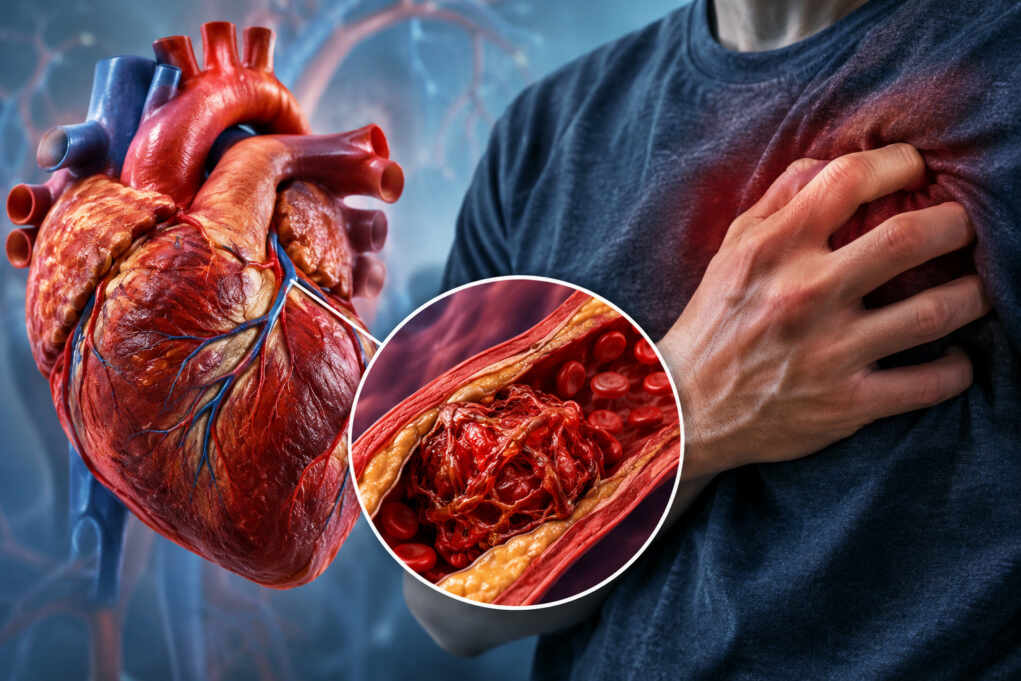
Blood clots play a critical role in protecting the body from excessive bleeding, but when they form inside blood vessels without a good reason, they can threaten the heart and other vital organs. From heart attacks to certain types of stroke, abnormal blood clot formation can contribute to serious cardiovascular emergencies. Understanding the connection between blood clots, blocked arteries, and heart disease is essential for recognizing risk factors, protecting cardiovascular health, and making informed decisions about prevention and treatment.
But are blood clots really the root cause of all heart disease? The answer is more complex than the headline suggests. Blood clots are a major factor in many acute cardiovascular events, particularly heart attacks caused by a sudden blockage in a coronary artery. However, heart disease encompasses several conditions with different underlying mechanisms, including atherosclerosis, high blood pressure, heart muscle disorders, and heart valve disease. Exploring how blood clots develop, why they can become dangerous, and how they interact with other cardiovascular conditions reveals an important truth: preventing harmful clot formation is a key part of heart health, but it is not the sole solution to every form of heart disease.
What Are Blood Clots, and Why Do They Matter for Heart Health?
A blood clot is a collection of blood components, including platelets and proteins called clotting factors, that work together to stop bleeding. This process, known as coagulation, is a normal and necessary function of the body.
Problems arise when clots develop inside blood vessels or become large enough to obstruct blood flow. When circulation is interrupted, tissues may not receive the oxygen and nutrients they need to function properly.
Blood clots can affect cardiovascular health in several ways:
- Coronary artery blockage: A clot can obstruct blood flow to the heart muscle and cause a heart attack.
- Ischemic stroke: A clot can block an artery supplying the brain, resulting in damage to brain tissue.
- Venous thromboembolism: A clot that forms in a deep vein can travel to the lungs, causing a potentially life-threatening pulmonary embolism.
- Other circulatory complications: Clots can obstruct blood flow in other arteries and veins, damaging the tissues they supply.
Although these conditions are related to abnormal clotting, they are not all classified as heart disease. They are part of the broader group of cardiovascular and circulatory disorders.
How Blood Clots Can Trigger a Heart Attack
One of the strongest connections between blood clots and heart disease is the development of a heart attack, also known as a myocardial infarction.
Most heart attacks occur when blood flow through a coronary artery becomes severely restricted or suddenly blocked. A common cause is atherosclerosis, a condition in which cholesterol, inflammatory cells, and other substances accumulate in artery walls and form plaques.
These plaques can remain stable for years, gradually narrowing the arteries. However, some plaques become unstable and rupture or develop surface erosion. When this happens, the body may interpret the damaged area as an injury that needs to be repaired.
Platelets rapidly gather at the site, and the coagulation system produces a clot. If that clot significantly blocks the coronary artery, the heart muscle downstream loses its oxygen supply. Without prompt treatment, heart muscle cells begin to die.
This sequence explains why blood clots are so important in many heart attacks. However, the clot often develops because an underlying arterial disease has already damaged the vessel. In other words, the clot may be the immediate trigger, while atherosclerosis is the underlying condition.
Is Blood Clotting the Root Cause of All Heart Disease?
The claim that blood clots cause all heart disease is not supported by current medical evidence. Heart disease is an umbrella term covering a wide range of conditions, and not all of them originate from blood clots.
Understanding the differences helps explain where clotting fits into cardiovascular health.
1. Coronary Artery Disease
Coronary artery disease develops when plaque accumulates in the arteries supplying the heart. This buildup can restrict blood flow and reduce the amount of oxygen reaching the heart muscle.
Blood clots become particularly dangerous when a plaque ruptures or erodes, potentially causing a heart attack. Nevertheless, atherosclerosis can cause symptoms and complications even without an acute clot.
2. Heart Failure
Heart failure occurs when the heart cannot pump blood effectively enough to meet the body’s needs or cannot fill properly.
It can develop after a heart attack damages the heart muscle, making blood clots an indirect contributor in some cases. However, heart failure can also result from high blood pressure, cardiomyopathies, heart valve disorders, congenital conditions, and other diseases.
Therefore, clotting is not a universal cause of heart failure.
3. Arrhythmias
Arrhythmias are disorders involving an abnormal heart rhythm. Atrial fibrillation, for example, can cause blood to pool in parts of the heart, increasing the risk of clot formation.
In this situation, an abnormal heart rhythm can increase the likelihood of a clot rather than a clot being the original cause of the rhythm disorder. If a clot travels to the brain, it can cause an ischemic stroke.
4. Heart Valve Disease
Heart valve disease occurs when one or more valves become narrowed, stiff, or unable to close properly. These problems may arise from age-related changes, congenital abnormalities, infections, or other conditions.
Certain valve disorders can increase clotting risk, but many valve problems develop independently of blood clots.
5. Cardiomyopathy
Cardiomyopathy affects the structure or function of the heart muscle. Depending on the type, the heart may become enlarged, thickened, stiff, or weakened.
Some people with cardiomyopathy are at increased risk of blood clots, especially when the heart’s pumping function is severely impaired. However, cardiomyopathy has multiple causes, including genetic factors, inflammation, toxins, and other medical conditions.
These examples demonstrate why it is more accurate to describe blood clots as an important contributor to certain cardiovascular emergencies rather than the root cause of every form of heart disease.
The Role of Atherosclerosis in Blood Clot Formation
Atherosclerosis is central to understanding the relationship between blood clots and heart attacks.
It is a chronic disease in which fatty deposits and inflammatory material accumulate within artery walls. Over time, these plaques can narrow the arteries, reduce their flexibility, and interfere with normal blood circulation.
Several factors contribute to atherosclerosis, including:
- High levels of LDL cholesterol.
- High blood pressure.
- Cigarette smoking.
- Diabetes and insulin resistance.
- Chronic inflammation.
- Physical inactivity.
- An unhealthy dietary pattern.
- Genetic predisposition and increasing age.
As plaques develop, inflammation can weaken the protective covering over some of them. If a plaque ruptures or erodes, platelets may become activated and form a clot at the damaged site.
This distinction is important because preventing heart attacks involves more than simply reducing the tendency of blood to clot. It also requires addressing the underlying processes that damage arteries and promote plaque development.
For example, managing cholesterol and blood pressure, avoiding tobacco, and controlling diabetes can reduce cardiovascular risk. Depending on an individual’s medical history, clinicians may also prescribe medications that reduce clotting or stabilize plaque-related risk.
Why Some People Are More Prone to Dangerous Blood Clots
Blood clotting risk varies from person to person. Some factors increase the likelihood of clots in veins, while others contribute to clots in arteries.
Common risk factors include:
Smoking: Tobacco damages blood vessels and promotes processes that increase cardiovascular risk, including inflammation and abnormal platelet activity.
High blood pressure: Persistent hypertension damages artery walls and increases the risk of coronary artery disease, stroke, and other cardiovascular complications.
High cholesterol: Elevated LDL cholesterol contributes to plaque formation, creating the conditions under which a clot can trigger a heart attack.
Diabetes: High blood sugar damages blood vessels and is associated with inflammation and increased cardiovascular risk.
Prolonged immobility: Sitting or lying still for long periods can slow blood flow through the veins, increasing the risk of deep vein thrombosis.
Obesity: Excess body weight is associated with several factors that increase cardiovascular and venous clotting risk.
Certain medical conditions and medications: Cancer, inherited clotting disorders, some hormone-containing medications, pregnancy, and the postpartum period can increase the risk of particular types of blood clots.
Age and medical history: The risk of many cardiovascular diseases rises with age. Previous clots, heart attacks, or strokes can also influence future risk.
Having one or more risk factors does not mean a person will inevitably develop a blood clot. Risk depends on the combination of factors, and preventive measures can make a meaningful difference.
Arterial Clots vs. Venous Clots: What’s the Difference?
Not all blood clots form in the same way or cause the same complications.
|
Feature |
Arterial blood clots |
Venous blood clots |
| Where they form | Arteries carrying blood away from the heart | Veins returning blood to the heart |
| Common contributing factors | Atherosclerosis and platelet activation | Slow blood flow, increased clotting tendency, and vein injury |
| Major complications | Heart attack and ischemic stroke | Deep vein thrombosis and pulmonary embolism |
| Typical warning signs | Sudden chest discomfort or stroke symptoms, depending on location | One-sided leg swelling, pain, warmth, or redness |
These are general patterns rather than absolute rules. Symptoms vary, and some clots cause no obvious symptoms until a serious complication occurs.
A pulmonary embolism develops when a clot, usually originating in a deep vein, travels to the lungs and blocks blood flow. Although it can strain the heart and become life-threatening, it is different from a heart attack caused by a clot in a coronary artery.
Recognizing these differences is important because the diagnosis and treatment of arterial and venous clots can differ substantially.
Can Preventing Blood Clots Prevent Heart Disease?
Reducing the risk of harmful blood clots can prevent some cardiovascular emergencies, but comprehensive heart disease prevention requires a broader approach.
1. Control Cholesterol Levels
High LDL cholesterol contributes to atherosclerotic plaque formation. A heart-healthy eating pattern, regular physical activity, and medication when appropriate can help reduce LDL levels and lower cardiovascular risk.
For people who need them, statins and certain other cholesterol-lowering medications can reduce the risk of heart attacks and strokes.
2. Manage Blood Pressure
High blood pressure can damage arteries over time and increase the risk of heart attack, stroke, and heart failure.
Regular blood pressure checks, reduced sodium intake when appropriate, exercise, and prescribed medication can help maintain healthy levels.
3. Avoid Smoking
Smoking contributes to vascular damage and increases the risk of coronary artery disease, heart attack, stroke, and several other serious conditions.
Quitting smoking improves cardiovascular health, and support from healthcare professionals can make the process easier.
4. Stay Physically Active
Regular exercise supports circulation, blood pressure control, cholesterol management, and overall cardiovascular health.
For most adults, a useful general target is at least 150 minutes of moderate-intensity aerobic activity each week, adjusted to individual abilities and medical advice. Breaking up long periods of sitting can also help reduce venous clot risk.
5. Follow a Heart-Healthy Eating Pattern
A balanced diet rich in vegetables, fruits, whole grains, legumes, nuts, and appropriate sources of protein can support cardiovascular health.
Limiting excess sodium, highly processed foods, and saturated and trans fats can also help manage risk factors such as high blood pressure and elevated cholesterol.
6. Manage Diabetes and Other Medical Conditions
Diabetes, chronic kidney disease, and certain inflammatory conditions can increase cardiovascular risk. Appropriate monitoring, medication, and follow-up care help reduce the likelihood of complications.
7. Use Blood-Thinning Medication Only When Appropriate
Anticoagulants and antiplatelet medications can prevent or treat specific types of blood clots. However, they are not interchangeable, and neither is appropriate for everyone.
Anticoagulants are commonly used for conditions such as certain cases of atrial fibrillation and venous thromboembolism. Antiplatelet drugs, including aspirin, may be prescribed in particular circumstances involving coronary artery disease.
These medicines can cause serious bleeding. Taking aspirin or another blood-thinning medication without medical guidance is not a safe universal strategy for preventing heart disease.
Do Blood Thinners Prevent Heart Attacks?
Blood thinners can reduce the risk of particular clot-related events, but their benefits depend on the medication, the patient’s diagnosis, and the individual’s risk of bleeding.
The term blood thinner commonly refers to two broad medication groups:
- Antiplatelet drugs: These reduce the ability of platelets to clump together. They are used in selected patients with coronary artery disease and after certain heart-related procedures.
- Anticoagulants: These interfere with the body’s clotting-factor system. They are used to prevent or treat conditions such as deep vein thrombosis, pulmonary embolism, and certain risks associated with atrial fibrillation.
Neither group prevents every type of heart disease. For example, anticoagulants do not directly eliminate cholesterol plaque, reverse every cause of heart failure, or treat all abnormal heart rhythms.
The decision to use these medications should be based on an assessment of the expected benefits and potential harms. In many cases, controlling blood pressure, cholesterol, diabetes, and smoking-related risks is just as important as addressing clot formation.
Warning Signs of a Blood Clot or Heart Attack
Recognizing an emergency early can save lives. Symptoms depend on where a clot forms or travels.
Possible heart attack symptoms
- Pressure, squeezing, fullness, or pain in the chest.
- Discomfort spreading to one or both arms, the back, shoulders, neck, jaw, or upper abdomen.
- Shortness of breath.
- Cold sweats, nausea, or lightheadedness.
- Unusual fatigue or other less typical symptoms, which may occur in some people.
Possible stroke symptoms
- Sudden facial drooping.
- Weakness or numbness in an arm or leg, especially on one side.
- Sudden difficulty speaking or understanding speech.
- Sudden loss of vision, severe dizziness, or trouble walking.
- A sudden, severe headache, particularly when accompanied by other neurological symptoms.
Possible deep vein thrombosis symptoms
- Swelling in one leg or arm.
- Pain or tenderness that may feel like cramping.
- Warmth or redness in the affected area.
Possible pulmonary embolism symptoms
- Sudden shortness of breath.
- Chest pain that may worsen when breathing deeply.
- Rapid heartbeat.
- Coughing up blood.
- Fainting or severe lightheadedness.
Seek emergency medical care immediately if you suspect a heart attack, stroke, or pulmonary embolism. Do not wait for symptoms to disappear or attempt to treat a suspected serious clot at home. If emergency services are available, call them rather than driving yourself.
What Medical Tests Can Detect Blood Clots?
Doctors select tests according to the symptoms, suspected location of the clot, and the person’s medical history.
Common diagnostic approaches include:
- Electrocardiogram (ECG or EKG): Records the heart’s electrical activity and helps evaluate a suspected heart attack or rhythm disorder.
- Blood tests for cardiac troponin: Detect heart muscle injury and help diagnose a heart attack when interpreted alongside symptoms and other findings.
- Ultrasound: Can identify many deep vein thromboses and evaluate blood flow in certain vessels.
- CT pulmonary angiography: Commonly used to investigate suspected pulmonary embolism.
- Coronary angiography: Helps identify blockages in the arteries supplying the heart and can guide treatment.
- D-dimer testing: Measures a substance released as clots break down. It can help exclude certain clotting conditions in appropriately selected patients, but an elevated result does not prove that a clot is present.
No single test detects every type of blood clot or every form of heart disease. Accurate diagnosis requires interpreting test results in context.
The Future of Heart Disease Prevention: Looking Beyond Clots
Advances in cardiovascular medicine increasingly recognize that heart attacks and other vascular emergencies can arise from the interaction of multiple processes, including inflammation, plaque instability, platelet activation, and the coagulation system.
This understanding supports a more comprehensive approach to prevention. Rather than focusing exclusively on whether blood clots are present, healthcare professionals assess the factors that make clots more likely and the conditions that can make them dangerous.
For one person, that may mean controlling LDL cholesterol and blood pressure. For another, it may involve treating atrial fibrillation, preventing recurrent venous thromboembolism, or addressing a specific inherited clotting disorder.
Research into inflammation, plaque biology, and thrombosis continues to improve our understanding of cardiovascular disease. However, the existence of these connections does not establish that every heart condition has a single underlying cause.
The most effective prevention strategy remains individualized, evidence-based care that addresses the person’s overall cardiovascular risk.
Conclusion: Are Blood Clots the Root Cause of All Heart Disease?
Blood clots are a major cause of many life-threatening cardiovascular events, especially heart attacks triggered by the sudden blockage of a coronary artery and strokes caused by blocked arteries. They can also cause deep vein thrombosis and pulmonary embolism, which may place substantial strain on the heart and circulation.
However, blood clots are not the root cause of all heart disease. Atherosclerosis, high blood pressure, heart muscle disorders, valve abnormalities, and electrical problems can all contribute to cardiovascular illness through different mechanisms. Blood clots may be the immediate cause of an emergency, a complication of an existing condition, or a risk that develops because of another disease.
The practical takeaway is clear: protect your heart by managing cholesterol, controlling blood pressure, avoiding tobacco, staying active, eating a balanced diet, and following appropriate medical advice. Do not start aspirin or anticoagulant medication solely to prevent clots without consulting a qualified healthcare professional.
Understanding the relationship between blood clotting and heart disease can help people recognize warning signs, seek timely treatment, and make better-informed choices for long-term cardiovascular health.
Sources:
- American Heart Association — What Is Atherosclerosis?
- American Heart Association — What Is a Heart Attack?
- National Heart, Lung, and Blood Institute (NIH) — Heart Attack Causes and Risk Factors
- Centers for Disease Control and Prevention (CDC) — About Venous Thromboembolism (Blood Clots)
- Mayo Clinic — Heart Disease: Symptoms and Causes
- Mayo Clinic — Heart Attack: Symptoms and Causes
- National Heart, Lung, and Blood Institute (NIH) — Coronary Heart Disease: Causes and Prevention
- Centers for Disease Control and Prevention (CDC) — Blood Clot Signs, Symptoms, and Risk Factors
Website operated and published by:
FAB LTD
Ground Floor, 14 Stewart Dr.
Berea, East London 5241
South Africa
Disclaimer
The watching, interacting, and participation of any kind with anything on this page does not constitute or initiate a doctor-patient relationship with Dr. Farrah™. None of the statements here have been evaluated by the Food and Drug Administration (FDA). The products of Dr. Farrah™ are not intended to diagnose, treat, cure, or prevent any disease. The information being provided should only be considered for education and entertainment purposes only. If you feel that anything you see or hear may be of value to you on this page or on any other medium of any kind associated with, showing, or quoting anything relating to Dr. Farrah™ in any way at any time, you are encouraged to and agree to consult with a licensed healthcare professional in your area to discuss it. If you feel that you’re having a healthcare emergency, seek medical attention immediately. The views expressed here are simply either the views and opinions of Dr. Farrah™ or others appearing and are protected under the First Amendment.
Dr. Farrah™ is a highly experienced Licensed Medical Doctor certified in evidence-based clinical nutrition, not some enthusiast, formulator, or medium promoting the wild and unrestrained use of nutrition products for health issues without clinical experience and scientific evidence of therapeutic benefit. Dr. Farrah™ has personally and keenly studied everything she recommends, and more importantly, she’s closely observed the reactions and results in a clinical setting countless times over the course of her career involving the treatment of over 150,000 patients.
Dr. Farrah™ promotes evidence-based natural approaches to health, which means integrating her individual scientific and clinical expertise with the best available external clinical evidence from systematic research. By individual clinical expertise, I refer to the proficiency and judgment that individual clinicians acquire through clinical experience and clinical practice.
Dr. Farrah™ does not make any representations or warranties with respect to the accuracy, applicability, fitness, or completeness of any multimedia content provided. Dr. Farrah™ does not warrant the performance, effectiveness, or applicability of any sites listed, linked, or referenced to, in, or by any multimedia content.
To be clear, the multimedia content is not intended to be a substitute for professional medical advice, diagnosis, or treatment. Always seek the advice of your physician or other qualified health providers with any questions you may have regarding a medical condition. Never disregard professional medical advice or delay in seeking it because of something you have read or seen in any website, video, image, or media of any kind. Dr. Farrah™ hereby disclaims any and all liability to any party for any direct, indirect, implied, punitive, special, incidental, or other consequential damages arising directly or indirectly from any use of the content, which is provided as is, and without warranties.