
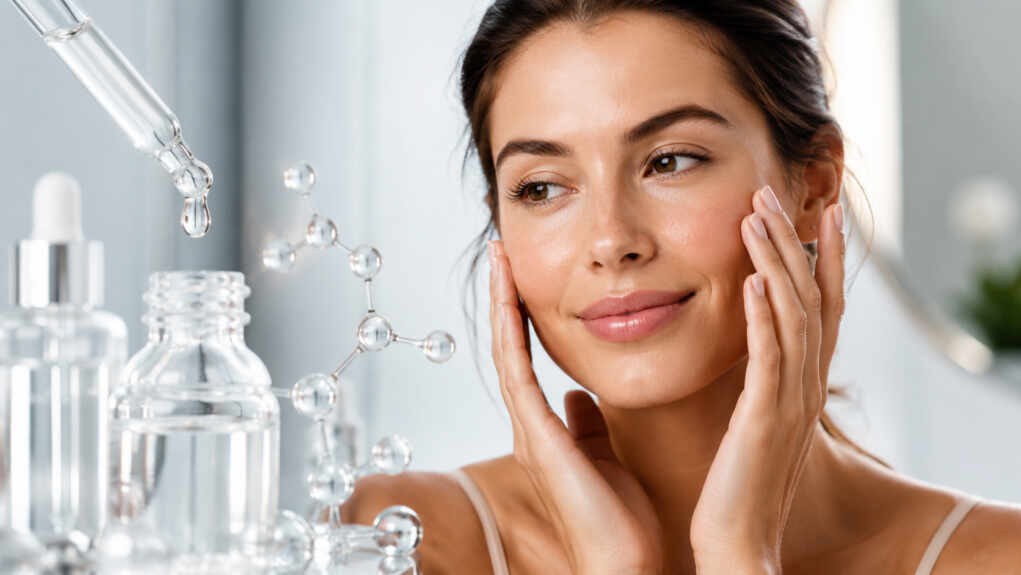
Healthy, glowing skin is often the result of consistent care and the right combination of skincare ingredients. Among the many ingredients that have gained attention in recent years, peptides stand out because of their ability to support the skin’s natural repair processes. Found in many modern serums, moisturizers, and eye creams, peptides are often promoted as an effective way to improve skin firmness, hydration, and the appearance of fine lines without causing significant irritation.
While peptides are not a miracle solution, they have earned a place in many dermatologist-recommended skincare routines. These small chains of amino acids serve as building blocks for proteins such as collagen and elastin, which are essential for maintaining healthy, resilient skin. Understanding what peptides do and how to use them correctly can help you decide whether they deserve a spot in your daily skincare regimen.
What Are Peptides?
Peptides are short chains of amino acids that act as the building blocks of proteins. In the skin, proteins such as collagen, elastin, and keratin play vital roles in keeping skin firm, smooth, and strong. As we age, our body’s natural collagen production gradually declines, leading to wrinkles, reduced elasticity, and thinner skin. Topical peptide products are designed to help signal the skin to produce more of these important structural proteins.
Unlike larger protein molecules, peptides are small enough to penetrate the outer layers of the skin more effectively. Different types of peptides serve different functions, including encouraging collagen production, reducing inflammation, supporting wound healing, and strengthening the skin barrier.
Benefits of Peptides for the Skin
1. Supports Collagen Production
One of the primary reasons peptides are popular is their potential to encourage collagen synthesis. Increased collagen can help improve skin firmness and reduce the appearance of fine lines and wrinkles over time.
2. Improves Skin Elasticity
Elastin is another important protein responsible for keeping skin flexible. Peptides may help support elastin production, contributing to skin that appears smoother and more resilient.
3. Strengthens the Skin Barrier
A healthy skin barrier helps retain moisture while protecting against environmental irritants and pollutants. Peptides may reinforce this barrier, making the skin less prone to dryness and sensitivity.
4. Enhances Hydration
Many peptide-based skincare products are combined with moisturizing ingredients such as hyaluronic acid and ceramides. Together, these ingredients help improve hydration, leaving skin softer and more supple.
5. May Calm Inflammation
Some peptides possess anti-inflammatory properties that may help soothe irritated skin. This makes peptide-containing products suitable for many people with sensitive or aging skin.
How to Add Peptides to Your Skin Care Routine
Adding peptides to your routine is relatively simple because they are compatible with many skincare ingredients.
A typical routine might include:
- Cleanse your face with a gentle cleanser.
- Apply a peptide serum to clean, slightly damp skin.
- Follow with a moisturizer to lock in hydration.
- Finish with sunscreen (SPF 30 or higher) during the day.
Peptides also pair well with ingredients such as niacinamide, ceramides, and hyaluronic acid. If you use stronger active ingredients like retinoids or exfoliating acids, introducing peptides gradually can help you determine how your skin responds.
Who Can Benefit from Peptides?
Peptides are suitable for nearly all skin types, including dry, mature, and sensitive skin. They are especially helpful for individuals who want to:
- Reduce the appearance of fine lines and wrinkles.
- Improve skin firmness.
- Support skin repair.
- Maintain a healthy moisture barrier.
- Prevent early signs of skin aging.
People with very sensitive skin should still patch-test new products before applying them to the entire face.
Are There Any Drawbacks?
Peptides are generally considered safe and well tolerated. However, results are usually gradual rather than immediate. Most people need to use peptide-containing products consistently for several weeks before noticing visible improvements.
It’s also important to remember that no single skincare ingredient can replace a complete routine. Daily sunscreen, gentle cleansing, moisturizing, and healthy lifestyle habits remain the foundation of good skin health.
Choosing a Quality Peptide Product
When shopping for peptide skincare products, look for formulas from reputable brands that combine peptides with other beneficial ingredients such as hyaluronic acid, glycerin, ceramides, or antioxidants. Products packaged in opaque, air-tight containers may also help preserve ingredient stability.
Rather than chasing the highest concentration or the most expensive product, focus on choosing well-formulated skincare products that fit your skin type and goals.
Final Thoughts
Peptides have become a valuable addition to many skincare routines because they help support the skin’s natural structure and repair processes. While they won’t erase wrinkles overnight, consistent use may improve hydration, skin texture, firmness, and the overall appearance of aging skin. Combined with sunscreen, moisturizing, and other evidence-based skincare practices, peptides can contribute to healthier-looking skin over time.
Sources:
- Cleveland Clinic – Peptides for Skin Care: https://health.clevelandclinic.org/peptides-for-skin
- Healthline – Peptides and Your Skin Care Routine: https://www.healthline.com/health/peptides-for-skin
- American Academy of Dermatology – Skin Care Basics: https://www.aad.org/public/everyday-care
- Mayo Clinic – Wrinkles: Prevention and Treatment: https://www.mayoclinic.org/healthy-lifestyle/adult-health/in-depth/wrinkles/art-20048042
- National Center for Biotechnology Information (NCBI) – Peptides and Skin Health Research: https://www.ncbi.nlm.nih.gov/
Disclaimer
The watching, interacting, and participation of any kind with anything on this page does not constitute or initiate a doctor-patient relationship with Dr. Farrah™. None of the statements here have been evaluated by the Food and Drug Administration (FDA). The products of Dr. Farrah™ are not intended to diagnose, treat, cure, or prevent any disease. The information being provided should only be considered for education and entertainment purposes only. If you feel that anything you see or hear may be of value to you on this page or on any other medium of any kind associated with, showing, or quoting anything relating to Dr. Farrah™ in any way at any time, you are encouraged to and agree to consult with a licensed healthcare professional in your area to discuss it. If you feel that you’re having a healthcare emergency, seek medical attention immediately. The views expressed here are simply either the views and opinions of Dr. Farrah™ or others appearing and are protected under the First Amendment.
Dr. Farrah™ is a highly experienced Licensed Medical Doctor certified in evidence-based clinical nutrition, not some enthusiast, formulator, or medium promoting the wild and unrestrained use of nutrition products for health issues without clinical experience and scientific evidence of therapeutic benefit. Dr. Farrah™ has personally and keenly studied everything she recommends, and more importantly, she’s closely observed the reactions and results in a clinical setting countless times over the course of her career involving the treatment of over 150,000 patients.
Dr. Farrah™ promotes evidence-based natural approaches to health, which means integrating her individual scientific and clinical expertise with the best available external clinical evidence from systematic research. By individual clinical expertise, I refer to the proficiency and judgment that individual clinicians acquire through clinical experience and clinical practice.
Dr. Farrah™ does not make any representations or warranties with respect to the accuracy, applicability, fitness, or completeness of any multimedia content provided. Dr. Farrah™ does not warrant the performance, effectiveness, or applicability of any sites listed, linked, or referenced to, in, or by any multimedia content.
To be clear, the multimedia content is not intended to be a substitute for professional medical advice, diagnosis, or treatment. Always seek the advice of your physician or other qualified health providers with any questions you may have regarding a medical condition. Never disregard professional medical advice or delay in seeking it because of something you have read or seen in any website, video, image, or media of any kind. Dr. Farrah™ hereby disclaims any and all liability to any party for any direct, indirect, implied, punitive, special, incidental, or other consequential damages arising directly or indirectly from any use of the content, which is provided as is, and without warranties.