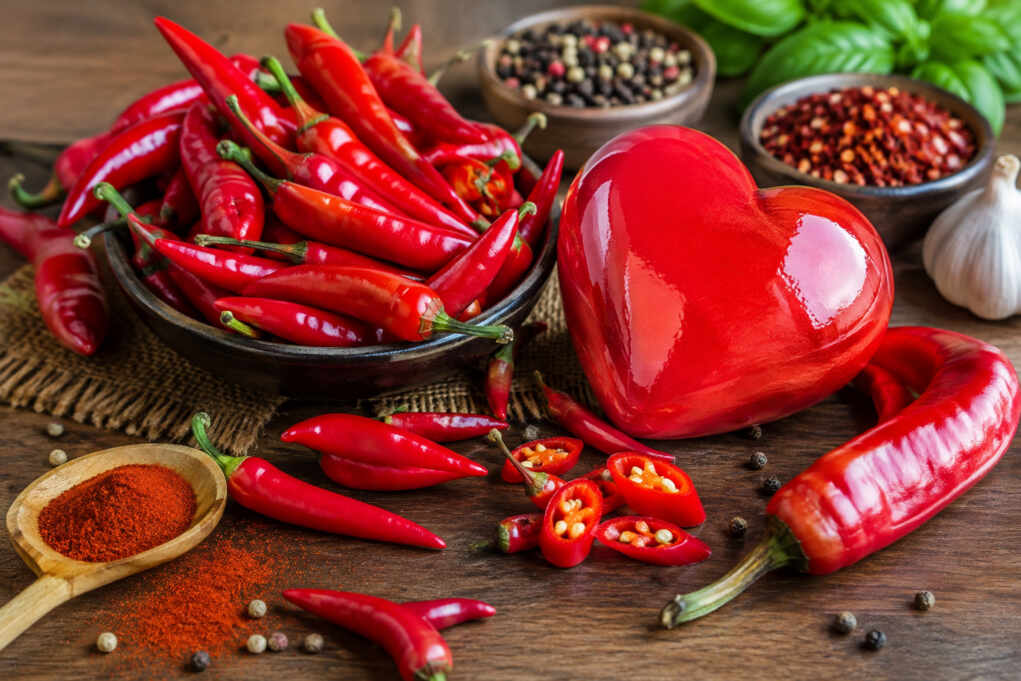
For centuries, spicy foods have been prized for their bold flavors, warming effects, and medicinal reputation. Across Asia, India, Latin America, and Africa, curries and chili-based dishes have long been associated with vitality and wellness. Modern science is now beginning to uncover why these traditional beliefs may have some truth behind them. Researchers have found that capsaicin—the natural compound responsible for the heat in chili peppers—may have beneficial effects on the cardiovascular system when consumed as part of a healthy, balanced diet.
The idea that a bowl of spicy curry could “save your life” may sound dramatic, but there is growing evidence that spicy foods can support heart health through several biological mechanisms. While they are not a cure for heart disease and should never replace medical treatment, the compounds found in chili peppers, turmeric, garlic, ginger, and other common curry ingredients may help improve blood vessel function, reduce inflammation, and lower certain cardiovascular risks. Understanding the science behind these effects reveals why spicy foods deserve a place in a heart-conscious diet.
The Secret Ingredient: Capsaicin
The burning sensation from chili peppers comes from capsaicin, a naturally occurring plant compound. Once consumed, capsaicin activates receptors called TRPV1 (Transient Receptor Potential Vanilloid 1), which are found throughout the body, including within blood vessels.
Activation of these receptors appears to encourage the release of nitric oxide, a molecule that signals blood vessels to relax. When arteries relax, they widen slightly—a process known as vasodilation. Wider blood vessels allow blood to flow more easily, reducing strain on the heart and helping maintain healthy circulation.
Can Curry Really “Open” Your Arteries?
The phrase “opening your arteries” is a simplified way of describing improved blood vessel function. Curry does not dissolve plaque or instantly clear blocked arteries. Instead, certain ingredients may help blood vessels function more efficiently by improving their ability to dilate.
Researchers believe capsaicin may:
- Improve endothelial function, which is the health of the inner lining of blood vessels.
- Support nitric oxide production.
- Reduce inflammatory processes involved in plaque formation.
- Improve circulation throughout the body.
These effects are modest but meaningful when combined with an overall healthy lifestyle.
Fighting Inflammation
Chronic inflammation plays a major role in the development of atherosclerosis—the buildup of fatty plaques inside arteries.
Capsaicin has demonstrated anti-inflammatory properties in laboratory and animal studies. Many curry recipes also contain turmeric, whose active compound, curcumin, has been extensively studied for its anti-inflammatory effects. Garlic, ginger, cumin, coriander, and cinnamon also contribute antioxidants that help protect cells from oxidative stress.
Lower inflammation may help slow damage to blood vessels over time, although no single food can eliminate cardiovascular disease risk on its own.
Improved Blood Flow Means Less Stress on the Heart
Healthy arteries expand and contract easily as blood moves through them. When arteries become stiff or damaged, the heart must work harder to pump blood.
Some research suggests diets that regularly include chili peppers are associated with:
- Better blood vessel flexibility
- Improved circulation
- Healthier cholesterol metabolism
- Lower rates of cardiovascular disease in observational studies
However, clinical trials have produced mixed results regarding blood pressure, showing that while capsaicin may improve vascular function, it is not a proven blood pressure treatment by itself.
What Large Population Studies Have Found
Several large observational studies have reported that people who frequently eat spicy foods tend to have lower rates of death from cardiovascular disease compared with those who rarely eat spicy foods.
Scientists caution that these studies show an association rather than proof of cause and effect. People who regularly eat spicy foods may also follow dietary patterns that include more vegetables, herbs, legumes, and fewer processed foods.
Even so, the consistency of these findings has encouraged researchers to continue investigating capsaicin’s role in heart health.
Curry Is More Than Just Chili
Many curries combine several ingredients that may work together to support cardiovascular health:
- Turmeric: Rich in curcumin, which has anti-inflammatory properties.
- Garlic: May support healthy cholesterol levels and blood vessel function.
- Ginger: Contains antioxidants and compounds that may help reduce inflammation.
- Cumin and coriander: Provide beneficial plant compounds with antioxidant activity.
- Black pepper: Contains piperine, which improves absorption of curcumin.
The combination creates a nutrient-rich meal that supports overall health beyond its spicy flavor.
Are There Any Risks?
Spicy food is not suitable for everyone. People with acid reflux, stomach ulcers, irritable bowel syndrome, or certain digestive conditions may find that spicy meals worsen their symptoms.
Very spicy foods can also cause temporary discomfort, including heartburn or stomach irritation. Moderation remains the key.
If you have existing heart disease or other medical conditions, dietary changes should be discussed with your healthcare provider.
The Bottom Line
Spicy curry is not a miracle cure, and it cannot reverse blocked arteries or replace prescribed medications. However, the science behind capsaicin and other curry ingredients suggests they may contribute to healthier blood vessels by supporting nitric oxide production, reducing inflammation, and improving endothelial function.
When enjoyed as part of a balanced diet rich in vegetables, whole grains, healthy fats, and regular physical activity, spicy foods can be one flavorful way to support long-term cardiovascular health. The heat in your curry may not literally “save your life,” but it could become one small piece of a heart-healthy lifestyle that helps keep your arteries functioning at their best.
Sources:
- Mayo Clinic – Capsaicin and Heart Health
https://newsnetwork.mayoclinic.org/discussion/mayoclinicminutecapsaicinsconnectiontohearthealth/ - Cleveland Clinic – What Is Capsaicin? Benefits and Risks
https://health.clevelandclinic.org/capsaicin - American Heart Association – People Who Eat Chili Pepper May Live Longer
https://newsroom.heart.org/news/people-who-eat-chili-pepper-may-live-longer - Harvard T.H. Chan School of Public Health – Does Eating Spicy Foods Have Health Benefits?
https://hsph.harvard.edu/news/does-eating-spicy-foods-have-health-benefits/ - Mayo Clinic Press – The Health Benefits of Spicy Foods
https://mcpress.mayoclinic.org/nutrition-fitness/the-health-benefits-of-spicy-foods/
Disclaimer
The watching, interacting, and participation of any kind with anything on this page does not constitute or initiate a doctor-patient relationship with Dr. Farrah™. None of the statements here have been evaluated by the Food and Drug Administration (FDA). The products of Dr. Farrah™ are not intended to diagnose, treat, cure, or prevent any disease. The information being provided should only be considered for education and entertainment purposes only. If you feel that anything you see or hear may be of value to you on this page or on any other medium of any kind associated with, showing, or quoting anything relating to Dr. Farrah™ in any way at any time, you are encouraged to and agree to consult with a licensed healthcare professional in your area to discuss it. If you feel that you’re having a healthcare emergency, seek medical attention immediately. The views expressed here are simply either the views and opinions of Dr. Farrah™ or others appearing and are protected under the First Amendment.
Dr. Farrah™ is a highly experienced Licensed Medical Doctor certified in evidence-based clinical nutrition, not some enthusiast, formulator, or medium promoting the wild and unrestrained use of nutrition products for health issues without clinical experience and scientific evidence of therapeutic benefit. Dr. Farrah™ has personally and keenly studied everything she recommends, and more importantly, she’s closely observed the reactions and results in a clinical setting countless times over the course of her career involving the treatment of over 150,000 patients.
Dr. Farrah™ promotes evidence-based natural approaches to health, which means integrating her individual scientific and clinical expertise with the best available external clinical evidence from systematic research. By individual clinical expertise, I refer to the proficiency and judgment that individual clinicians acquire through clinical experience and clinical practice.
Dr. Farrah™ does not make any representations or warranties with respect to the accuracy, applicability, fitness, or completeness of any multimedia content provided. Dr. Farrah™ does not warrant the performance, effectiveness, or applicability of any sites listed, linked, or referenced to, in, or by any multimedia content.
To be clear, the multimedia content is not intended to be a substitute for professional medical advice, diagnosis, or treatment. Always seek the advice of your physician or other qualified health providers with any questions you may have regarding a medical condition. Never disregard professional medical advice or delay in seeking it because of something you have read or seen in any website, video, image, or media of any kind. Dr. Farrah™ hereby disclaims any and all liability to any party for any direct, indirect, implied, punitive, special, incidental, or other consequential damages arising directly or indirectly from any use of the content, which is provided as is, and without warranties.