
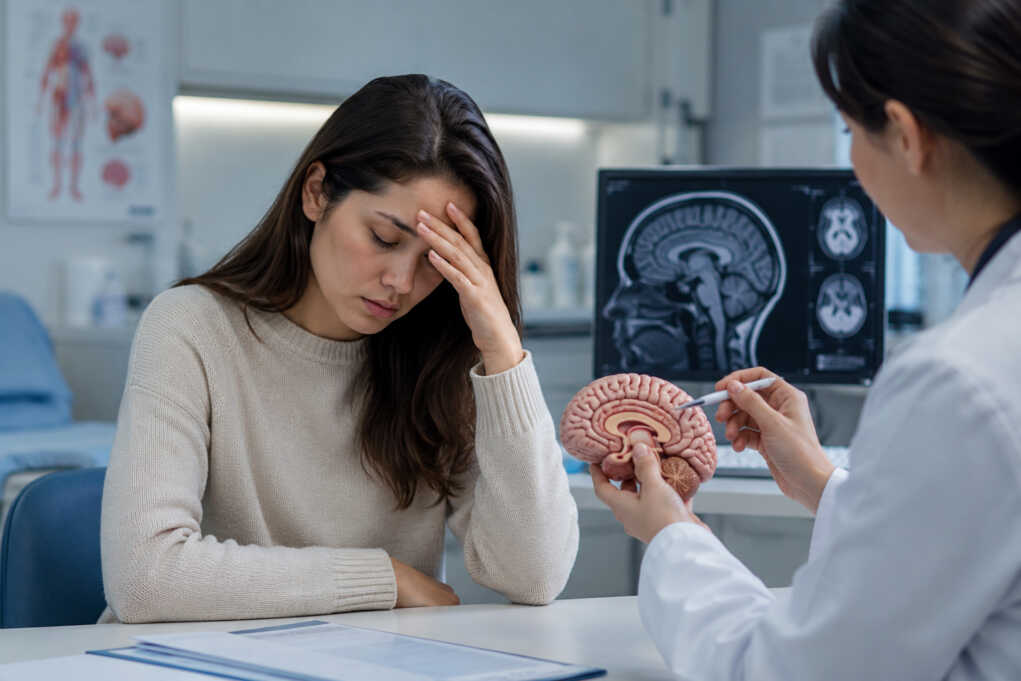
Iron is widely recognized for its role in producing healthy red blood cells and preventing anemia, but its importance extends far beyond the circulatory system. This essential mineral plays a vital role in keeping the brain healthy by supporting oxygen transport, energy production, and the creation of neurotransmitters that allow nerve cells to communicate effectively. When iron levels drop too low, the brain may not receive the oxygen and nutrients it needs to perform at its best, leading to a variety of cognitive and neurological symptoms.
Although iron deficiency is one of the most common nutritional deficiencies worldwide, many people don’t immediately connect it with changes in memory, concentration, or mental performance. Instead, symptoms such as fatigue or weakness often receive the most attention. However, research has shown that even mild iron deficiency can influence brain function, making it more difficult to think clearly, stay focused, and regulate mood. Understanding these effects highlights why maintaining healthy iron levels is essential for overall cognitive health.
Why the Brain Needs Iron
Iron is essential for several biological processes that directly influence brain function. One of its primary responsibilities is helping produce hemoglobin, the protein in red blood cells that carries oxygen throughout the body. Since the brain consumes approximately 20% of the body’s oxygen supply despite accounting for only a small percentage of body weight, a steady flow of oxygen is crucial for normal cognitive performance.
Iron also contributes to the production of neurotransmitters such as dopamine, serotonin, and norepinephrine. These chemical messengers regulate mood, attention, motivation, memory, and learning. Additionally, iron supports myelin production, the protective covering around nerve fibers that allows electrical signals to travel efficiently through the nervous system.
Cognitive Problems Linked to Iron Deficiency
When iron levels become too low, the brain may struggle to function efficiently. Common cognitive symptoms include:
- Difficulty concentrating
- Shortened attention span
- Poor memory
- Slower thinking and information processing
- Reduced mental alertness
- Trouble solving problems
Many individuals describe these symptoms as “brain fog,” making routine tasks, work responsibilities, or studying more challenging than usual.
Effects on Mood and Mental Health
Iron deficiency doesn’t only affect thinking—it can also influence emotional well-being. Low iron levels have been associated with symptoms such as:
- Irritability
- Anxiety
- Low motivation
- Mood swings
- Depression-like symptoms
Researchers believe these changes occur partly because iron is necessary for producing neurotransmitters that regulate mood. When iron stores are depleted, these brain chemicals may not function optimally, potentially contributing to emotional changes.
Brain Development in Children
Children are especially vulnerable to the effects of iron deficiency because their brains are still developing. Inadequate iron during infancy and early childhood has been associated with delayed cognitive development, learning difficulties, behavioral problems, and poorer academic performance.
Iron is particularly important during periods of rapid brain growth, where it supports myelination, neural development, and the formation of healthy brain connections. Early diagnosis and treatment are important to help support normal development.
Reduced Oxygen Delivery to the Brain
Iron deficiency can eventually lead to iron-deficiency anemia, a condition in which the body cannot produce enough healthy red blood cells. Without sufficient hemoglobin, less oxygen reaches the brain.
Reduced oxygen delivery may contribute to symptoms including:
- Persistent fatigue
- Dizziness
- Headaches
- Difficulty focusing
- Slower reaction times
- Mental exhaustion
Even before anemia develops, low iron stores alone may impair mental performance in some individuals.
Who Is Most at Risk?
Several groups have a greater risk of developing iron deficiency, including:
- Women with heavy menstrual periods
- Pregnant individuals
- Infants and young children
- Teenagers during rapid growth
- Vegetarians and vegans who do not consume enough iron-rich foods
- People with digestive disorders that reduce iron absorption
- Individuals experiencing chronic blood loss
Recognizing these risk factors can help people seek testing before symptoms become severe.
Maintaining Healthy Iron Levels
A balanced diet is the first step toward preventing iron deficiency. Iron-rich foods include lean red meat, poultry, seafood, beans, lentils, spinach, fortified cereals, tofu, and pumpkin seeds. Pairing plant-based iron sources with foods high in vitamin C—such as oranges, strawberries, or bell peppers—can improve iron absorption.
Anyone experiencing persistent fatigue, memory problems, difficulty concentrating, or other symptoms suggestive of iron deficiency should consult a healthcare professional. A simple blood test can determine whether iron deficiency is present. Iron supplements should only be taken under medical guidance, as excessive iron can be harmful.
Conclusion
Iron is essential for far more than healthy blood production—it is fundamental to normal brain function. Adequate iron supports oxygen delivery, neurotransmitter production, nerve function, learning, memory, and emotional health. When iron levels become too low, individuals may experience brain fog, poor concentration, memory problems, fatigue, and mood changes that affect everyday life. Fortunately, iron deficiency is often treatable through proper diagnosis, dietary improvements, and medically supervised supplementation, allowing many people to restore both their physical energy and cognitive performance.
Sources:
- Harvard Health – Iron Deficiency
https://www.health.harvard.edu/preventive-care/iron-deficiency-a-to-z - Mayo Clinic – Iron Deficiency Anemia: Symptoms & Causes
https://www.mayoclinic.org/diseases-conditions/iron-deficiency-anemia/symptoms-causes/syc-20355034 - Johns Hopkins Medicine – Iron-Deficiency Anemia
https://www.hopkinsmedicine.org/health/conditions-and-diseases/irondeficiency-anemia - Cleveland Clinic – Iron-Deficiency Anemia
https://my.clevelandclinic.org/health/diseases/22824-iron-deficiency-anemia - National Heart, Lung, and Blood Institute (NIH) – About 1 in 4 Americans May Have Inadequate Iron Intake or Absorption
https://www.nhlbi.nih.gov/news/2024/about-1-4-americans-may-have-inadequate-iron-intake-or-absorption
Disclaimer
The watching, interacting, and participation of any kind with anything on this page does not constitute or initiate a doctor-patient relationship with Dr. Farrah™. None of the statements here have been evaluated by the Food and Drug Administration (FDA). The products of Dr. Farrah™ are not intended to diagnose, treat, cure, or prevent any disease. The information being provided should only be considered for education and entertainment purposes only. If you feel that anything you see or hear may be of value to you on this page or on any other medium of any kind associated with, showing, or quoting anything relating to Dr. Farrah™ in any way at any time, you are encouraged to and agree to consult with a licensed healthcare professional in your area to discuss it. If you feel that you’re having a healthcare emergency, seek medical attention immediately. The views expressed here are simply either the views and opinions of Dr. Farrah™ or others appearing and are protected under the first amendment.
Dr. Farrah™ is a highly experienced Licensed Medical Doctor certified in evidence-based clinical nutrition, not some enthusiast, formulator, or medium promoting the wild and unrestrained use of nutrition products for health issues without clinical experience and scientific evidence of therapeutic benefit. Dr. Farrah™ has personally and keenly studied everything she recommends, and more importantly, she’s closely observed the reactions and results in a clinical setting countless times over the course of her career involving the treatment of over 150,000 patients.
Dr. Farrah™ promotes evidence-based natural approaches to health, which means integrating her individual scientific and clinical expertise with the best available external clinical evidence from systematic research. By individual clinical expertise, I refer to the proficiency and judgment that individual clinicians acquire through clinical experience and clinical practice.
Dr. Farrah™ does not make any representation or warranties with respect to the accuracy, applicability, fitness, or completeness of any multimedia content provided. Dr. Farrah™ does not warrant the performance, effectiveness, or applicability of any sites listed, linked, or referenced to, in, or by any multimedia content.
To be clear, the multimedia content is not intended to be a substitute for professional medical advice, diagnosis, or treatment. Always seek the advice of your physician or other qualified health providers with any questions you may have regarding a medical condition. Never disregard professional medical advice or delay in seeking it because of something you have read or seen in any website, video, image, or media of any kind. Dr. Farrah™ hereby disclaims any and all liability to any party for any direct, indirect, implied, punitive, special, incidental, or other consequential damages arising directly or indirectly from any use of the content, which is provided as is, and without warranties.