
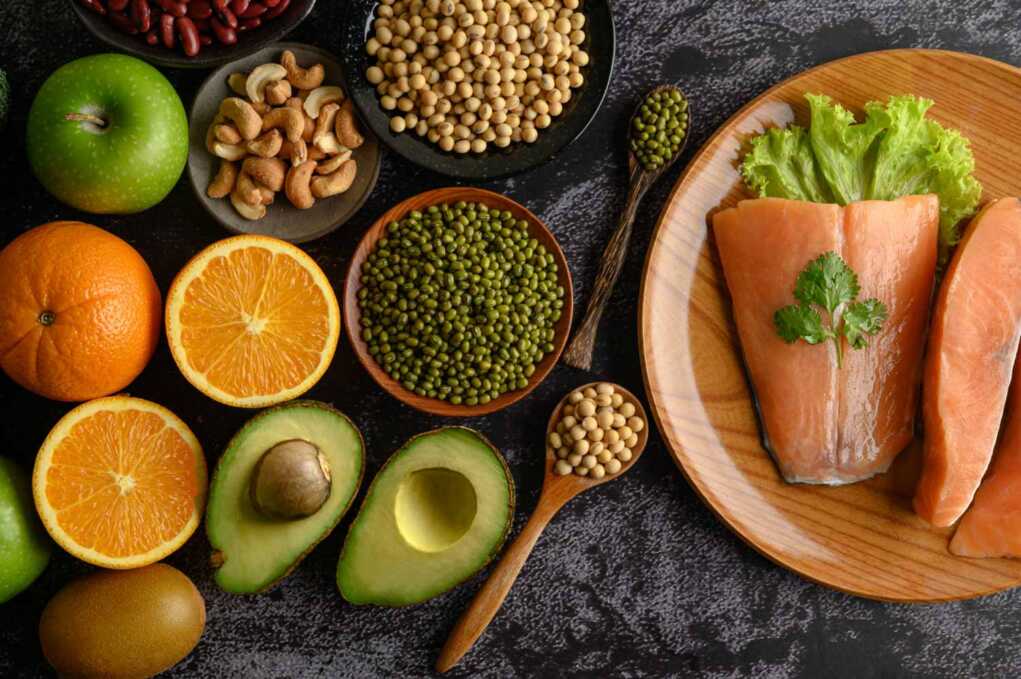
Inflammation is a natural biological response that helps the body defend itself against injury, infection, and harmful substances. In the short term, this process is beneficial because it helps the immune system repair damaged tissues and fight off pathogens. However, when inflammation becomes chronic—lasting for months or even years—it can contribute to a wide range of health problems, including heart disease, type 2 diabetes, arthritis, digestive disorders, and certain types of cancer. Experts say that chronic inflammation is often influenced by lifestyle factors such as stress, lack of physical activity, poor sleep, and especially diet.
Fortunately, nutrition experts and dietitians emphasize that food can be one of the most powerful tools for reducing inflammation naturally. Certain foods contain antioxidants, polyphenols, vitamins, minerals, and healthy fats that help regulate the body’s inflammatory response. These nutrients work by protecting cells from oxidative stress, supporting immune function, and reducing inflammatory markers in the bloodstream. By incorporating more anti-inflammatory foods into your daily meals, you can support long-term health, boost energy levels, and potentially reduce your risk of chronic disease.
Below are some of the top anti-inflammatory foods dietitians recommend adding to your menu.
Fatty Fish
Fatty fish such as salmon, sardines, mackerel, and tuna are some of the most well-known anti-inflammatory foods. They are rich in omega-3 fatty acids, particularly EPA and DHA, which have been widely studied for their ability to reduce inflammation in the body.
Omega-3 fatty acids help decrease the production of inflammatory molecules and may help protect against conditions like heart disease and arthritis. Dietitians often recommend eating fatty fish at least two times per week to receive the maximum benefits. Grilled salmon, baked mackerel, or sardines added to salads are simple and nutritious ways to incorporate these healthy proteins into your diet.
Berries
Berries—including blueberries, strawberries, raspberries, and blackberries—are small fruits with powerful health benefits. They are rich in antioxidants called anthocyanins, which give berries their vibrant colors and help fight oxidative stress in the body.
Oxidative stress occurs when harmful molecules called free radicals damage cells and tissues, leading to inflammation. The antioxidants found in berries help neutralize these free radicals and may reduce inflammatory markers. Studies suggest that regularly consuming berries may help improve heart health, support brain function, and lower the risk of chronic disease.
Adding berries to smoothies, yogurt, oatmeal, or salads is an easy and delicious way to boost your intake of anti-inflammatory nutrients.
Leafy Green Vegetables
Dark leafy greens such as spinach, kale, arugula, and Swiss chard are nutritional powerhouses. They are packed with vitamins A, C, and K, as well as fiber and plant compounds that support the body’s defense systems.
Leafy greens also contain antioxidants that protect cells from damage and help regulate inflammation. Additionally, their high fiber content supports gut health, which plays a significant role in controlling inflammatory responses throughout the body.
Dietitians recommend incorporating leafy greens into meals as often as possible. They can be used in salads, stir-fries, soups, smoothies, or as a side dish alongside lean proteins.
Extra Virgin Olive Oil
Extra virgin olive oil is a cornerstone of the Mediterranean diet, which is widely recognized as one of the healthiest dietary patterns in the world. This oil contains monounsaturated fats and powerful antioxidants that contribute to its anti-inflammatory effects.
One compound in olive oil, called oleocanthal, has been shown to have properties similar to certain anti-inflammatory medications. Regular consumption of olive oil has been associated with improved heart health and reduced risk of chronic diseases.
To maximize its benefits, dietitians recommend using extra virgin olive oil as a primary cooking oil or as a dressing for salads and roasted vegetables.
Nuts and Seeds
Nuts and seeds are excellent sources of healthy fats, plant-based protein, fiber, and antioxidants. Walnuts, almonds, chia seeds, flaxseeds, and sunflower seeds are particularly rich in nutrients that help fight inflammation.
Walnuts contain omega-3 fatty acids, while seeds like flax and chia provide plant-based omega-3s known as ALA. These nutrients help reduce inflammatory markers and support heart health.
Including a small handful of nuts or seeds in your daily diet—whether as a snack or as a topping for salads, yogurt, or oatmeal—can provide lasting health benefits.
Garlic
Garlic has been used for centuries in traditional medicine because of its powerful health properties. It contains sulfur compounds such as allicin, which are responsible for many of its anti-inflammatory and immune-supporting effects.
When garlic is chopped or crushed, these compounds become activated and may help reduce inflammation, protect cells from damage, and support cardiovascular health.
Garlic can easily be added to soups, sauces, stir-fries, marinades, and roasted vegetables, making it both a flavorful and functional ingredient.
Green Tea
Green tea is one of the healthiest beverages you can include in an anti-inflammatory diet. It is rich in antioxidants known as catechins, particularly EGCG (epigallocatechin gallate), which help protect cells from damage and reduce inflammation.
Research suggests that green tea may support heart health, improve brain function, and help regulate metabolism. Drinking one to three cups of green tea daily may provide beneficial antioxidants that contribute to overall wellness.
For those who prefer a mild flavor, green tea can also be enjoyed iced or blended into smoothies.
Sweet Potatoes
Sweet potatoes are a nutrient-dense root vegetable rich in beta-carotene, fiber, and vitamins. Beta-carotene is a powerful antioxidant that the body converts into vitamin A, which supports immune health and helps regulate inflammatory responses.
Unlike refined carbohydrates, sweet potatoes provide slow-digesting carbohydrates that help maintain stable blood sugar levels. Stable blood sugar is important because frequent spikes in glucose can trigger inflammation in the body.
Roasted sweet potatoes, mashed sweet potatoes, or baked sweet potato fries are delicious ways to enjoy this anti-inflammatory food.
Tomatoes
Tomatoes are another nutrient-rich food that dietitians recommend for fighting inflammation. They are particularly high in lycopene, an antioxidant that has been linked to reduced inflammation and improved heart health.
Cooking tomatoes can actually increase the availability of lycopene, making dishes like tomato sauces, soups, and stews especially beneficial. Combining tomatoes with healthy fats like olive oil can also improve nutrient absorption.
Whole Grains
Whole grains such as brown rice, quinoa, oats, and barley contain fiber, vitamins, and minerals that help reduce inflammation and support digestive health. Unlike refined grains, whole grains retain the bran and germ, which contain many of the grain’s beneficial nutrients.
Fiber from whole grains supports the gut microbiome, which plays a major role in regulating inflammation and immune function. Replacing refined grains with whole grain alternatives is a simple step toward a healthier, anti-inflammatory diet.
Building an Anti-Inflammatory Eating Pattern
Dietitians emphasize that reducing inflammation is not about focusing on a single food but rather about maintaining a balanced dietary pattern. Diets rich in fruits, vegetables, whole grains, healthy fats, lean proteins, and plant-based foods tend to provide the most anti-inflammatory benefits.
At the same time, it is helpful to limit foods that may promote inflammation, such as heavily processed foods, refined sugars, and excessive saturated fats. Choosing whole, minimally processed foods can help maintain a healthier balance in the body.
The Mediterranean diet is often recommended as an example of an anti-inflammatory eating pattern because it emphasizes many of the foods listed above, including fish, olive oil, vegetables, nuts, and whole grains.
Final Thoughts
Inflammation plays an important role in protecting the body, but chronic inflammation can contribute to serious long-term health problems. The good news is that your daily food choices can significantly influence how your body responds to inflammation.
By incorporating more anti-inflammatory foods—such as fatty fish, berries, leafy greens, olive oil, nuts, garlic, and whole grains—into your meals, you can support overall health and potentially lower the risk of chronic disease. Even small dietary changes, like adding vegetables to lunch or replacing refined grains with whole grains, can make a meaningful difference over time.
Sources:
- https://www.healthline.com/nutrition/anti-inflammatory-diet-101
- https://www.health.harvard.edu/nutrition/foods-you-should-eat-to-help-fight-inflammation
- https://www.hopkinsmedicine.org/health/wellness-and-prevention/anti-inflammatory-diet
- https://diet.mayoclinic.org/us/blog/2025/mediterranean-diet-inflammation-foods-that-soothe-chronic-pain/
- https://www.medicalnewstoday.com/articles/320233
Disclaimer
The watching, interacting, and participation of any kind with anything on this page does not constitute or initiate a doctor-patient relationship with Dr. Farrah™. None of the statements here have been evaluated by the Food and Drug Administration (FDA). The products of Dr. Farrah™ are not intended to diagnose, treat, cure, or prevent any disease. The information being provided should only be considered for education and entertainment purposes only. If you feel that anything you see or hear may be of value to you on this page or on any other medium of any kind associated with, showing, or quoting anything relating to Dr. Farrah™ in any way at any time, you are encouraged to and agree to consult with a licensed healthcare professional in your area to discuss it. If you feel that you’re having a healthcare emergency, seek medical attention immediately. The views expressed here are simply either the views and opinions of Dr. Farrah™ or others appearing and are protected under the first amendment.
Dr. Farrah™ is a highly experienced Licensed Medical Doctor certified in evidence-based clinical nutrition, not some enthusiast, formulator, or medium promoting the wild and unrestrained use of nutrition products for health issues without clinical experience and scientific evidence of therapeutic benefit. Dr. Farrah™ has personally and keenly studied everything she recommends, and more importantly, she’s closely observed the reactions and results in a clinical setting countless times over the course of her career involving the treatment of over 150,000 patients.
Dr. Farrah™ promotes evidence-based natural approaches to health, which means integrating her individual scientific and clinical expertise with the best available external clinical evidence from systematic research. By individual clinical expertise, I refer to the proficiency and judgment that individual clinicians acquire through clinical experience and clinical practice.
Dr. Farrah™ does not make any representation or warranties with respect to the accuracy, applicability, fitness, or completeness of any multimedia content provided. Dr. Farrah™ does not warrant the performance, effectiveness, or applicability of any sites listed, linked, or referenced to, in, or by any multimedia content.
To be clear, the multimedia content is not intended to be a substitute for professional medical advice, diagnosis, or treatment. Always seek the advice of your physician or other qualified health providers with any questions you may have regarding a medical condition. Never disregard professional medical advice or delay in seeking it because of something you have read or seen in any website, video, image, or media of any kind. Dr. Farrah™ hereby disclaims any and all liability to any party for any direct, indirect, implied, punitive, special, incidental, or other consequential damages arising directly or indirectly from any use of the content, which is provided as is, and without warranties.