
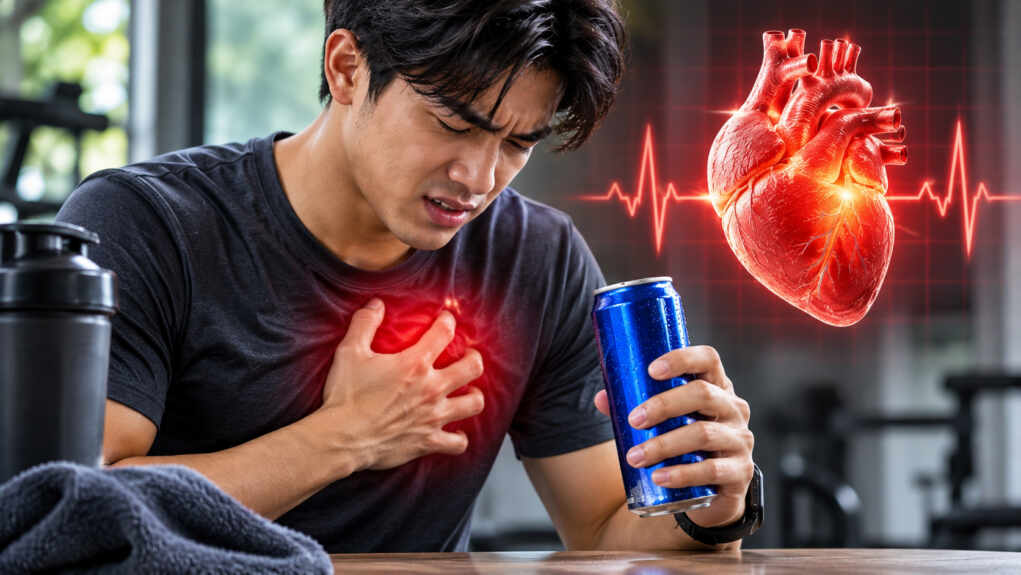
Energy drinks and stimulant-based supplements have become increasingly popular among young adults looking for a quick boost in energy, concentration, and physical performance. From college students staying awake to study to fitness enthusiasts taking pre-workout supplements before hitting the gym, caffeine-packed products have become part of everyday life. However, new research is raising serious concerns about their potential effects on cardiovascular health, suggesting that these seemingly harmless products may be associated with an increased risk of heart attacks, cardiac arrest, and dangerous heart rhythm abnormalities, particularly among adults aged 18 to 34.
A recent analysis presented by the American Heart Association (AHA) has drawn attention to the possible connection between energy drinks, stimulant supplements, and serious cardiovascular events in younger populations. Although these products are frequently marketed as convenient ways to improve alertness and athletic performance, their high caffeine content and combination of other stimulants may place additional stress on the heart. The findings highlight the importance of understanding how these products affect the body, recognizing potential warning signs, and making informed decisions about everyday caffeine and supplement consumption.
New Research Raises Concerns About Energy Drinks and Heart Health
A study highlighted by the American Heart Association in November 2026 examined more than 28,000 adverse-event reports submitted to the U.S. Food and Drug Administration (FDA) between 2017 and 2025.
Researchers compared reports involving caffeine- and stimulant-containing products with reports involving products that did not contain these ingredients. Their findings revealed a concerning pattern involving serious cardiovascular complications.
According to the analysis:
- Cardiac arrest was reported approximately 11 times more often in connection with caffeine- and stimulant-containing products.
- Reports involving these products were approximately 4.5 times more likely to mention heart attacks.
- Ventricular arrhythmias and heart palpitations appeared about four times more frequently.
- Elevated heart rate was reported nearly three times more often.
- Chest pain was approximately 2.7 times more frequent.
- Around 45% of reports involving cardiovascular events associated with stimulant products concerned adults between 18 and 34 years old.
These findings are particularly concerning because young adults are generally less likely to experience serious cardiovascular complications than older populations.
However, researchers emphasized that the findings are preliminary and do not establish that energy drinks or stimulant supplements directly cause heart attacks or cardiac arrest. The analysis relied on voluntarily submitted adverse-event reports, meaning researchers could not determine how frequently these events occurred among all consumers.
Nevertheless, the findings reinforce the need for further investigation into the cardiovascular effects of highly caffeinated products.
Why Are Energy Drinks Potentially Harmful to the Heart?
The primary concern surrounding energy drinks is their stimulant content, particularly caffeine.
Caffeine works by stimulating the central nervous system, temporarily increasing alertness and reducing feelings of fatigue. While moderate caffeine consumption is generally considered safe for most healthy adults, consuming large quantities within a short period can produce unwanted cardiovascular effects.
Energy drinks may contain several stimulating ingredients, including:
- Caffeine: A central nervous system stimulant that can increase heart rate and temporarily elevate blood pressure.
- Guarana: A plant-based ingredient that naturally contains caffeine and can contribute additional stimulant exposure.
- Taurine: An amino acid commonly included in energy drinks, although its combined effects with high doses of caffeine require further investigation.
- Ginseng: An herbal ingredient frequently marketed for energy and mental performance.
- Other stimulant compounds: Certain supplements contain ingredients such as synephrine and yohimbine, which may affect cardiovascular function.
The combination of these ingredients can make it difficult for consumers to understand their total stimulant intake.
Some energy drinks also contain considerably more caffeine per fluid ounce than regular brewed coffee. Certain pre-workout supplements can have even higher concentrations.
For individuals who consume multiple caffeinated products throughout the day, total stimulant exposure can quickly add up.
How Energy Drinks May Affect Heart Rate and Blood Pressure
One of the most immediate effects of consuming high amounts of caffeine is stimulation of the cardiovascular system.
Caffeine can temporarily increase blood pressure and heart rate by influencing the nervous system and the body’s stress-response mechanisms.
For some individuals, these changes may be mild and short-lived. However, excessive consumption may contribute to symptoms such as:
- Rapid or unusually strong heartbeats.
- Heart palpitations.
- Elevated blood pressure.
- Chest discomfort.
- Dizziness or lightheadedness.
- Irregular heart rhythms.
Another concern involves the heart’s electrical activity.
The heart relies on carefully coordinated electrical signals to maintain a regular heartbeat. Certain energy drink formulations have been associated with changes in the QT interval, a measurement on an electrocardiogram (ECG) that reflects the electrical recovery of the heart between beats.
Prolongation of this interval can increase susceptibility to potentially dangerous arrhythmias in certain circumstances.
A clinical study published in 2019 found that consuming a high volume of energy drinks produced measurable changes in blood pressure and the QTc interval among young, healthy individuals.
Although this does not mean every person who consumes an energy drink will develop a heart problem, it demonstrates that these beverages can produce physiological changes even in people without known cardiovascular disease.
Why Young Adults May Be Particularly Vulnerable
Energy drinks are heavily marketed toward younger consumers, including students, gamers, athletes, and professionals with demanding schedules.
Many young adults use these products to compensate for insufficient sleep, maintain concentration during long working hours, or improve their performance during exercise.
However, being young does not automatically mean being protected from cardiovascular complications.
Several factors may contribute to the potential risks.
1. Excessive Caffeine Consumption
Young adults may consume multiple energy drinks, coffee, caffeinated sodas, and pre-workout supplements without realizing how much caffeine they are taking.
The U.S. Food and Drug Administration generally identifies 400 milligrams of caffeine per day as an amount not usually associated with dangerous effects for most healthy adults.
However, individual sensitivity varies, and this amount should not be interpreted as a guaranteed safe limit for everyone.
People with certain medical conditions or those taking specific medications may experience adverse effects at considerably lower doses.
2. Combining Energy Drinks With Exercise
Pre-workout supplements and energy drinks are frequently consumed before intense physical activity.
Exercise naturally increases heart rate and places additional demands on the cardiovascular system. Adding high doses of stimulants may produce additional cardiovascular effects.
Heat exposure, dehydration, physical exhaustion, and inadequate recovery may further complicate the situation.
Individuals with underlying heart conditions may be particularly vulnerable to abnormal heart rhythms under these circumstances.
3. Mixing Multiple Stimulants
Some consumers combine energy drinks with pre-workout powders, caffeine tablets, fat-burning supplements, or other stimulant-containing products.
This can significantly increase overall stimulant exposure.
Certain combinations may also produce unpredictable effects, especially when products contain multiple active ingredients.
Combining stimulants with alcohol or recreational substances can introduce additional health risks.
4. Undiagnosed Heart Conditions
Some young adults may have inherited or previously undiagnosed cardiovascular conditions without experiencing noticeable symptoms.
For example, certain genetic conditions can increase susceptibility to abnormal heart rhythms.
Research highlighted by Mayo Clinic has also raised concerns about energy drink consumption among individuals with genetic heart conditions that predispose them to dangerous arrhythmias.
For these individuals, stimulant exposure may represent an additional trigger.
Energy Drinks vs. Pre-Workout Supplements: Are Both a Concern?
Although energy drinks receive considerable attention, stimulant-based dietary supplements deserve similar consideration.
Pre-workout supplements are particularly popular among people interested in bodybuilding, weight training, and athletic performance.
Many formulations contain caffeine alongside other ingredients intended to improve energy, focus, endurance, or exercise performance.
Some products provide substantial amounts of caffeine in a relatively small serving.
Others contain proprietary blends, making it difficult for consumers to identify the exact quantities of individual ingredients.
The potential concern is not limited to one particular product category. Rather, it involves the overall amount and combination of stimulants entering the body.
Consumers should carefully examine supplement labels and avoid assuming that products marketed as natural, fitness-oriented, or performance-enhancing are automatically safe.
It is also important to understand that dietary supplements are not necessarily subject to the same premarket approval and safety-testing requirements as prescription medications in the United States.
This makes informed purchasing and responsible consumption particularly important.
How Much Caffeine Is Too Much?
Caffeine tolerance differs from person to person.
According to the FDA, most healthy adults can generally consume up to 400 milligrams of caffeine daily without experiencing adverse effects. However, this is not a recommended target or a guarantee that higher or even lower amounts will be safe for every individual.
The caffeine content of energy drinks varies significantly depending on the brand, serving size, and formulation.
Consumers should consider caffeine from all sources, including:
- Energy drinks and energy shots.
- Coffee and espresso.
- Pre-workout supplements.
- Caffeine tablets and powders.
- Caffeinated soft drinks.
- Tea and other stimulant-containing beverages.
It is also worth remembering that caffeine content can vary considerably between products that appear similar.
Reading nutrition and supplement labels is an important first step toward managing daily caffeine intake.
People who experience palpitations, elevated blood pressure, or other symptoms after consuming stimulant products should discuss their consumption with a healthcare professional.
Warning Signs You Should Never Ignore
Although some caffeine-related symptoms may be temporary, certain warning signs require immediate attention.
Anyone experiencing the following symptoms after consuming an energy drink or stimulant supplement should take them seriously:
Chest pain or pressure: Discomfort in the chest may indicate a potentially serious cardiovascular problem.
Persistent or irregular heartbeats: A racing heartbeat or noticeable irregular rhythm may indicate an abnormality requiring medical assessment.
Shortness of breath: Difficulty breathing should never be dismissed as an ordinary caffeine reaction.
Fainting or severe dizziness: These symptoms may indicate an underlying cardiovascular problem.
Severe weakness or sudden collapse: These symptoms require urgent medical evaluation.
If someone experiences chest pain, fainting, severe shortness of breath, or other potentially serious symptoms, they should seek emergency medical assistance rather than waiting for the effects of caffeine to wear off.
Practical Ways to Protect Your Heart
The latest findings do not mean that every caffeinated beverage is dangerous. Instead, they highlight the importance of understanding the differences between moderate caffeine consumption and the concentrated stimulant combinations found in some energy drinks and supplements.
Young adults can take several practical steps to reduce potential cardiovascular risks.
Choose Lower-Caffeine Alternatives
Consider replacing high-caffeine energy drinks with water, unsweetened beverages, or other lower-caffeine options.
For people who rely on caffeine for alertness, reducing consumption gradually may also help minimize withdrawal symptoms.
Avoid Stacking Stimulant Products
Combining energy drinks with pre-workout supplements, caffeine pills, or other stimulant products can result in excessive intake.
Avoid combining multiple stimulant-containing products without guidance from a qualified healthcare professional.
Prioritize Sleep and Hydration
Insufficient sleep is one reason many young adults rely on energy drinks.
Establishing consistent sleeping habits, maintaining adequate hydration, and allowing sufficient recovery time after exercise can support overall health without relying on excessive stimulants.
Read Supplement Labels Carefully
Check the caffeine content per serving and identify additional stimulant ingredients.
Pay particular attention to serving sizes because some containers contain more than one serving.
Consult a Healthcare Professional
People with high blood pressure, known heart conditions, a family history of sudden cardiac death, or a history of abnormal heart rhythms should seek professional advice before using stimulant-based products.
A healthcare professional can help determine whether particular ingredients or products are appropriate based on an individual’s medical history.
Should Young Adults Stop Drinking Energy Drinks?
The latest research raises important questions about the growing popularity of energy drinks and stimulant supplements, but it is important not to interpret preliminary findings as definitive proof that these products directly cause heart attacks.
The American Heart Association’s 2026 analysis identifies a concerning association between stimulant-containing products and serious cardiovascular events. However, voluntarily submitted safety reports cannot establish causation or determine the actual risk among all consumers.
More research is needed to understand how caffeine concentrations, additional stimulant ingredients, individual susceptibility, and consumption habits interact to influence cardiovascular health.
Still, the findings provide a strong reason for young adults to reconsider frequent consumption, particularly when multiple stimulant products are involved.
Energy drinks may offer a temporary feeling of increased energy and alertness, but they should not become a substitute for adequate sleep, proper nutrition, hydration, and healthy lifestyle habits.
Ultimately, protecting heart health starts with understanding what goes into the body. Being young and physically active does not eliminate the potential risks associated with excessive stimulant consumption.
As research continues to develop, moderation, informed decision-making, and awareness of cardiovascular warning signs remain essential.
Sources:
- American Heart Association – Energy Drinks, Stimulant Products Linked to Cardiac Arrest, Heart Attack in Young Adults
- Centers for Disease Control and Prevention (CDC) – The Buzz on Energy Drinks
- National Center for Complementary and Integrative Health (NCCIH) – Energy Drinks
- Mayo Clinic – Energy Drinks May Trigger Cardiac Arrhythmias in Patients With Genetic Heart Disease
- Northwestern Medicine – The Effects of Energy Drinks: Are They Safe?
- Healthline – Energy Drinks, Stimulant Supplements Linked to Higher Heart Risks in Young Adults
- Medical News Today – FDA Reports Raise Concerns About Energy Drinks and Heart Problems in Young Adults
- PubMed – Energy Drinks Induce Acute Cardiovascular and Metabolic Changes Pointing to Potential Risks for Young Adults
Website operated and published by:
FAB LTD
Ground Floor, 14 Stewart Dr.
Berea, East London 5241
South Africa
Disclaimer
The watching, interacting, and participation of any kind with anything on this page does not constitute or initiate a doctor-patient relationship with Dr. Farrah™. None of the statements here have been evaluated by the Food and Drug Administration (FDA). The products of Dr. Farrah™ are not intended to diagnose, treat, cure, or prevent any disease. The information being provided should only be considered for education and entertainment purposes only. If you feel that anything you see or hear may be of value to you on this page or on any other medium of any kind associated with, showing, or quoting anything relating to Dr. Farrah™ in any way at any time, you are encouraged to and agree to consult with a licensed healthcare professional in your area to discuss it. If you feel that you’re having a healthcare emergency, seek medical attention immediately. The views expressed here are simply either the views and opinions of Dr. Farrah™ or others appearing and are protected under the First Amendment.
Dr. Farrah™ is a highly experienced Licensed Medical Doctor certified in evidence-based clinical nutrition, not some enthusiast, formulator, or medium promoting the wild and unrestrained use of nutrition products for health issues without clinical experience and scientific evidence of therapeutic benefit. Dr. Farrah™ has personally and keenly studied everything she recommends, and more importantly, she’s closely observed the reactions and results in a clinical setting countless times over the course of her career involving the treatment of over 150,000 patients.
Dr. Farrah™ promotes evidence-based natural approaches to health, which means integrating her individual scientific and clinical expertise with the best available external clinical evidence from systematic research. By individual clinical expertise, I refer to the proficiency and judgment that individual clinicians acquire through clinical experience and clinical practice.
Dr. Farrah™ does not make any representations or warranties with respect to the accuracy, applicability, fitness, or completeness of any multimedia content provided. Dr. Farrah™ does not warrant the performance, effectiveness, or applicability of any sites listed, linked, or referenced to, in, or by any multimedia content.
To be clear, the multimedia content is not intended to be a substitute for professional medical advice, diagnosis, or treatment. Always seek the advice of your physician or other qualified health providers with any questions you may have regarding a medical condition. Never disregard professional medical advice or delay in seeking it because of something you have read or seen in any website, video, image, or media of any kind. Dr. Farrah™ hereby disclaims any and all liability to any party for any direct, indirect, implied, punitive, special, incidental, or other consequential damages arising directly or indirectly from any use of the content, which is provided as is, and without warranties.