
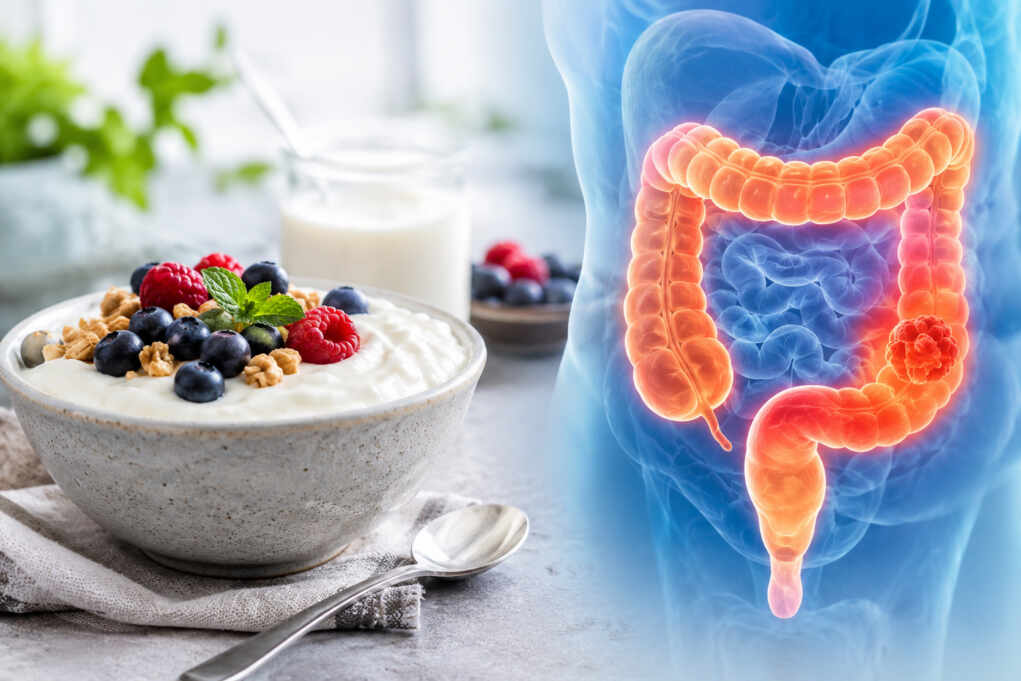
Colon cancer, also known as colorectal cancer when it involves the colon or rectum, is one of the most common cancers worldwide. Although genetics, age, lifestyle, and dietary habits all influence a person’s risk, researchers continue to investigate how everyday foods may help protect the digestive system. One food receiving growing attention is yogurt. Rich in beneficial bacteria, protein, calcium, and other nutrients, yogurt has attracted scientific interest for its potential role in supporting gut health and reducing the risk of certain digestive diseases. But can eating yogurt regularly actually help prevent colon cancer?
Emerging research suggests that yogurt may offer some protective benefits, particularly because of its probiotics and their effects on the gut microbiome. Some large observational studies have found an association between regular yogurt consumption and a lower risk of certain types of colon cancer. However, this does not mean yogurt can prevent cancer on its own. Scientists are still investigating how fermented dairy products influence cancer development, and more research is needed to establish a direct cause-and-effect relationship. Understanding what the evidence says can help you make informed dietary choices that support long-term digestive health.
Can Yogurt Help Prevent Colon Cancer?
The short answer is: Yogurt may help lower the risk of certain types of colon cancer, but there is not enough evidence to consider it a proven cancer-prevention food.
Yogurt contains live microorganisms, commonly called probiotics, that can help maintain a healthy balance of bacteria in the digestive tract. These microorganisms may influence several processes associated with colorectal cancer development, including inflammation, intestinal barrier function, and the production of substances by gut bacteria.
A notable study published in 2025 in the journal Gut Microbes examined the relationship between long-term yogurt consumption and colorectal cancer. Researchers analyzed data from more than 150,000 participants followed for several decades.
The findings suggested that people who regularly consumed yogurt had a lower incidence of certain proximal colon cancers containing the bacteria Bifidobacterium in tumor tissue.
This research provides an interesting explanation for how yogurt might influence colon cancer risk. However, it remains observational evidence, meaning it cannot prove that yogurt itself prevents cancer.
The takeaway is that yogurt may be a beneficial addition to a balanced diet, but it should not replace established cancer-prevention strategies.
How Yogurt May Help Protect Against Colon Cancer
Several characteristics of yogurt may explain its potential protective effects on the digestive system.
1. Probiotics Support a Healthy Gut Microbiome
One of yogurt’s most valuable components is its live bacterial cultures.
The gut microbiome consists of trillions of microorganisms that help regulate digestion, immune function, and intestinal health. Maintaining a healthy balance of these microorganisms is important because disruptions in gut bacteria have been associated with inflammation and several digestive conditions.
Certain probiotic bacteria found in yogurt, including species of Lactobacillus and Bifidobacterium, may help support a healthier intestinal environment.
Potential benefits include:
- Supporting a balanced population of intestinal bacteria.
- Helping maintain the intestinal barrier.
- Influencing immune system activity.
- Supporting normal digestive processes.
- Potentially reducing inflammation in the digestive tract.
Researchers believe these effects may influence the biological processes involved in colorectal cancer development, although the precise mechanisms are still being studied.
2. Yogurt May Help Reduce Intestinal Inflammation
Chronic inflammation is one factor that may contribute to the development of certain cancers, including colorectal cancer.
When inflammation persists over long periods, it can damage cells and create an environment that encourages abnormal cell growth.
Some probiotic bacteria may help regulate inflammatory responses and support the intestinal lining.
Yogurt may contribute to this process by introducing beneficial microorganisms into the digestive system. Certain strains may also produce substances that influence the activity of other gut bacteria.
Although these findings are promising, scientists have not established that eating yogurt directly reduces colon inflammation enough to prevent cancer.
3. Calcium in Yogurt May Offer Additional Protection
Yogurt is also a source of calcium, a mineral that plays an important role in bone health and several bodily functions.
Interestingly, calcium has also been investigated for its potential relationship with colorectal cancer prevention.
Researchers have proposed that calcium may bind certain substances in the digestive tract, including bile acids and free fatty acids, potentially reducing their harmful effects on the intestinal lining.
Studies have associated higher calcium and dairy consumption with a lower risk of colorectal cancer.
However, the American Cancer Society notes that the evidence is not sufficient to recommend specific dairy consumption levels for cancer prevention.
Yogurt can still be a convenient source of dietary calcium, especially when included as part of a balanced eating pattern.
4. Yogurt May Influence the Gut Environment
The relationship between gut bacteria and cancer is an important area of ongoing research.
Some microorganisms may produce substances that support intestinal health, while others may contribute to inflammation or the production of potentially harmful compounds.
Fermented foods such as yogurt may help influence the composition and activity of the gut microbiome.
Researchers are particularly interested in how Bifidobacterium and other beneficial bacteria interact with the intestinal environment.
A healthier microbial balance may contribute to better digestive health and potentially influence colorectal cancer development.
However, not all probiotic strains have the same effects, and the benefits observed in research cannot automatically be applied to every yogurt product.
What Does Scientific Research Say About Yogurt and Colon Cancer?
The connection between yogurt consumption and colorectal cancer has been investigated in several major studies.
Here are some important findings.
A Large Harvard Study Found a Potential Protective Association
A study published in 2025 examined long-term yogurt consumption and colorectal cancer among more than 150,000 participants.
Researchers found that eating yogurt at least twice weekly was associated with a lower incidence of a particular subtype of proximal colon cancer, specifically tumors containing Bifidobacterium.
The researchers suggested that yogurt may influence the gut microbiome in ways that could help protect against certain colorectal tumors.
Importantly, the findings do not establish that yogurt prevents colon cancer in everyone.
Long-Term Studies Found Lower Risk of Certain Colon Cancers
Another major study published in the American Journal of Clinical Nutrition examined data from two large research groups: the Nurses’ Health Study and the Health Professionals Follow-Up Study.
The research followed more than 126,000 women and men over several decades and documented 2,666 colorectal cancer cases.
Researchers found that people who consumed at least one serving of yogurt weekly had a lower incidence of proximal colon cancer compared with those who did not consume yogurt.
The association remained statistically significant after accounting for other dietary factors, including calcium and fiber intake.
However, researchers did not find a significant reduction in colorectal cancer mortality.
A Systematic Review Found Promising Results
A systematic review published in 2022 examined research on prebiotics, probiotics, synbiotics, and yogurt consumption.
The review suggested that higher yogurt consumption might be associated with a moderately lower risk of colorectal adenomas and colorectal cancer.
However, the researchers emphasized that evidence for probiotic supplements was limited and that more well-designed studies were needed.
Taken together, these findings suggest that yogurt deserves further investigation as a potential component of a cancer-conscious diet. Nevertheless, observational research cannot establish that yogurt consumption directly prevents cancer.
What Type of Yogurt Is Best for Gut Health?
If you want to include yogurt in your daily eating habits, choosing the right variety can help you get more nutritional benefits without unnecessary added sugar.
Here are some options worth considering.
1. Plain Greek Yogurt
Greek yogurt is a popular choice because it generally contains more protein than conventional yogurt.
Its protein content can help support muscle maintenance, promote fullness, and make it easier to create balanced meals.
Choose plain, unsweetened Greek yogurt when possible.
2. Plain Natural Yogurt
Traditional plain yogurt contains beneficial bacterial cultures and provides nutrients such as calcium, protein, and vitamin B12.
It can be enjoyed with fruit, nuts, seeds, or whole-grain cereals.
Look for products that contain live and active cultures.
3. Probiotic Yogurt
Some yogurt products contain additional probiotic strains beyond the starter cultures used during fermentation.
These microorganisms may provide digestive health benefits, although their effects depend on the specific bacterial strains and amounts.
Check the product label for information about live cultures.
4. Low-Sugar Yogurt
Flavored yogurts can contain substantial amounts of added sugar.
Although eating sugar does not automatically cause colon cancer, regularly consuming high-calorie foods and drinks can contribute to weight gain, which is an established risk factor for several cancers.
Choosing unsweetened yogurt and adding fresh fruit yourself is a practical alternative.
How Often Should You Eat Yogurt?
There is currently no scientifically established yogurt serving or consumption frequency that guarantees colon cancer prevention.
However, you can include yogurt regularly as part of a balanced eating pattern if you enjoy it and tolerate dairy products.
A practical approach is to:
- Include plain yogurt as a breakfast option.
- Combine it with berries, bananas, or other fresh fruits.
- Add nuts and seeds for additional nutrients and fiber.
- Use plain yogurt as a healthier alternative to some sugary sauces and dressings.
- Choose products with live cultures and minimal added sugar.
Remember that eating more yogurt does not necessarily mean receiving greater cancer-prevention benefits.
The goal should be to develop a varied, nutritious diet rather than relying heavily on one particular food.
Other Foods That May Help Lower Colon Cancer Risk
Yogurt may support digestive health, but it should be only one part of a broader approach to reducing colorectal cancer risk.
Several other foods deserve attention.
1. Fruits and Vegetables
Fruits and vegetables provide vitamins, minerals, antioxidants, and dietary fiber.
Good choices include:
- Broccoli
- Spinach
- Carrots
- Apples
- Oranges
- Blueberries
- Strawberries
Fiber supports regular bowel movements and helps maintain a healthy digestive environment.
2. Whole Grains
Whole grains are important sources of dietary fiber.
Consider including:
- Oatmeal
- Brown rice
- Whole-wheat bread
- Barley
- Quinoa
A diet rich in whole grains can help improve overall digestive health.
3. Beans and Legumes
Beans, lentils, chickpeas, and peas contain fiber and other beneficial nutrients.
They also provide plant-based protein and support the growth of beneficial intestinal bacteria.
4. Nuts and Seeds
Almonds, walnuts, chia seeds, and flaxseeds provide fiber, healthy fats, and other nutrients.
They can easily be added to yogurt, oatmeal, smoothies, and salads.
5. Fermented Foods
Besides yogurt, other fermented foods may help diversify the gut microbiome.
Examples include:
- Kefir
- Kimchi
- Sauerkraut
- Tempeh
- Miso
These foods contain different microorganisms and fermentation products, although their potential effects on cancer prevention are still being investigated.
Lifestyle Habits That Matter More Than Eating Yogurt Alone
Even if yogurt provides potential digestive health benefits, dietary choices are only one part of colorectal cancer prevention.
The following habits are particularly important.
Maintain a Healthy Weight
Excess body weight, particularly obesity, is associated with an increased risk of colorectal cancer.
Maintaining a healthy weight through nutritious eating and regular physical activity can help reduce this risk.
Exercise Regularly
Physical activity supports healthy digestion, weight management, and metabolic health.
Aim to incorporate activities such as walking, cycling, swimming, or other forms of exercise into your routine.
Limit Red and Processed Meat
Regular consumption of processed meat is associated with increased colorectal cancer risk.
Examples include bacon, sausages, hot dogs, and certain deli meats.
Try replacing some processed and red meat meals with fish, beans, lentils, and other protein sources.
Avoid Smoking and Limit Alcohol
Smoking and alcohol consumption are associated with an increased risk of several cancers, including colorectal cancer.
Avoiding tobacco and limiting or avoiding alcohol can contribute to better long-term health.
Prioritize Colorectal Cancer Screening
One of the most important steps in preventing colorectal cancer is getting screened at the appropriate age and frequency.
Screening can detect precancerous polyps before they develop into cancer.
In the United States, adults at average risk are generally advised to begin screening at age 45. Recommendations may differ depending on the country, individual risk factors, and medical history.
People with a family history of colorectal cancer, certain inherited conditions, or inflammatory bowel disease may need earlier or more frequent screening.
Do not wait for symptoms before discussing screening with your healthcare professional.
Can Eating Yogurt Replace Colon Cancer Screening?
Absolutely not.
Although yogurt may offer potential benefits for gut health, it cannot detect precancerous polyps or identify existing cancer.
Colon cancer can develop without noticeable symptoms, especially during its early stages.
Screening methods such as colonoscopy and recommended stool-based tests remain important tools for detecting colorectal cancer and preventing it through the identification and removal of precancerous growths.
You should also seek medical evaluation if you experience persistent changes in bowel habits, blood in your stool, unexplained weight loss, ongoing abdominal discomfort, or unexplained fatigue.
These symptoms do not necessarily indicate cancer, but they should not be ignored.
Frequently Asked Questions About Yogurt and Colon Cancer
1. Does eating yogurt every day prevent colon cancer?
There is no conclusive evidence that eating yogurt every day prevents colon cancer.
Some observational studies have associated regular yogurt consumption with a lower risk of certain colorectal cancer subtypes. However, more research is needed to establish whether yogurt directly contributes to this reduction.
2. Is Greek yogurt good for colon health?
Greek yogurt can be a nutritious addition to a balanced diet. It provides protein and calcium, and some varieties contain live bacterial cultures that may support digestive health.
Choose plain varieties with minimal added sugar.
3. Which probiotic bacteria in yogurt may benefit the colon?
Common bacterial groups found in yogurt include Lactobacillus and Bifidobacterium.
These microorganisms may influence gut microbial balance and intestinal health. However, their effects vary depending on the strain, product, and individual.
4. Can yogurt reduce colon inflammation?
Certain probiotic bacteria may influence inflammatory processes and support the intestinal barrier.
However, there is insufficient clinical evidence to conclude that eating yogurt treats chronic intestinal inflammation or prevents inflammation-related colon cancer.
5. Is flavored yogurt as healthy as plain yogurt?
Flavored yogurt can still provide protein, calcium, and beneficial bacterial cultures.
However, some varieties contain considerable amounts of added sugar. Plain yogurt with fresh fruit is generally a better option if you want to control your sugar intake.
6. Can people who are lactose intolerant eat yogurt?
Some people with lactose intolerance can tolerate yogurt better than regular milk because bacterial cultures help break down some of its lactose.
However, tolerance varies. Lactose-free yogurt and suitable non-dairy alternatives may be options for people who experience symptoms.
7. What is the best food for preventing colon cancer?
There is no single food that can guarantee colon cancer prevention.
A balanced dietary pattern that includes fruits, vegetables, whole grains, legumes, and other nutritious foods is a better approach than relying on one supposedly protective food.
Regular screening and healthy lifestyle habits are equally important.
Final Thoughts: Should You Eat Yogurt for Colon Cancer Prevention?
Yogurt may be a valuable addition to a healthy diet, particularly because of its beneficial bacterial cultures, calcium, and protein content. Emerging research has also found promising associations between regular yogurt consumption and a lower risk of certain types of colon cancer.
However, it is important to understand the difference between a potential health benefit and a proven cancer-prevention strategy. Current research does not establish that yogurt alone can prevent colon cancer, and scientists are still investigating how its microorganisms interact with the gut microbiome and cancer development.
If you enjoy yogurt, consider choosing plain varieties with live and active cultures and combining them with fiber-rich foods such as fruits, oats, nuts, and seeds. More importantly, maintain a healthy lifestyle and follow recommended colorectal cancer screening guidelines.
The bottom line: Yogurt may support a healthier gut and could play a role in reducing certain colorectal cancer risks, but it works best as part of an overall healthy lifestyle—not as a substitute for proven screening and prevention measures.
Sources:
- Harvard T.H. Chan School of Public Health – Regular Yogurt Consumption May Reduce Colon Cancer Risk
- National Cancer Institute – Colorectal Cancer Prevention
- American Cancer Society – Diet and Physical Activity Guidelines for Cancer Prevention
- Mayo Clinic – Colon Cancer Prevention: What You Can Do
- Cleveland Clinic – Is Yogurt Good for You?
- MD Anderson Cancer Center – Diet and Cancer Risk
- American Journal of Clinical Nutrition – Yogurt Consumption and Colorectal Cancer Incidence and Mortality
- PubMed Central – Systematic Review of Yogurt, Probiotics, and Colorectal Cancer Risk
Website operated and published by:
FAB LTD
Ground Floor, 14 Stewart Dr.
Berea, East London 5241
South Africa
Disclaimer
The watching, interacting, and participation of any kind with anything on this page does not constitute or initiate a doctor-patient relationship with Dr. Farrah™. None of the statements here have been evaluated by the Food and Drug Administration (FDA). The products of Dr. Farrah™ are not intended to diagnose, treat, cure, or prevent any disease. The information being provided should only be considered for education and entertainment purposes only. If you feel that anything you see or hear may be of value to you on this page or on any other medium of any kind associated with, showing, or quoting anything relating to Dr. Farrah™ in any way at any time, you are encouraged to and agree to consult with a licensed healthcare professional in your area to discuss it. If you feel that you’re having a healthcare emergency, seek medical attention immediately. The views expressed here are simply either the views and opinions of Dr. Farrah™ or others appearing and are protected under the First Amendment.
Dr. Farrah™ is a highly experienced Licensed Medical Doctor certified in evidence-based clinical nutrition, not some enthusiast, formulator, or medium promoting the wild and unrestrained use of nutrition products for health issues without clinical experience and scientific evidence of therapeutic benefit. Dr. Farrah™ has personally and keenly studied everything she recommends, and more importantly, she’s closely observed the reactions and results in a clinical setting countless times over the course of her career involving the treatment of over 150,000 patients.
Dr. Farrah™ promotes evidence-based natural approaches to health, which means integrating her individual scientific and clinical expertise with the best available external clinical evidence from systematic research. By individual clinical expertise, I refer to the proficiency and judgment that individual clinicians acquire through clinical experience and clinical practice.
Dr. Farrah™ does not make any representations or warranties with respect to the accuracy, applicability, fitness, or completeness of any multimedia content provided. Dr. Farrah™ does not warrant the performance, effectiveness, or applicability of any sites listed, linked, or referenced to, in, or by any multimedia content.
To be clear, the multimedia content is not intended to be a substitute for professional medical advice, diagnosis, or treatment. Always seek the advice of your physician or other qualified health providers with any questions you may have regarding a medical condition. Never disregard professional medical advice or delay in seeking it because of something you have read or seen in any website, video, image, or media of any kind. Dr. Farrah™ hereby disclaims any and all liability to any party for any direct, indirect, implied, punitive, special, incidental, or other consequential damages arising directly or indirectly from any use of the content, which is provided as is, and without warranties.