
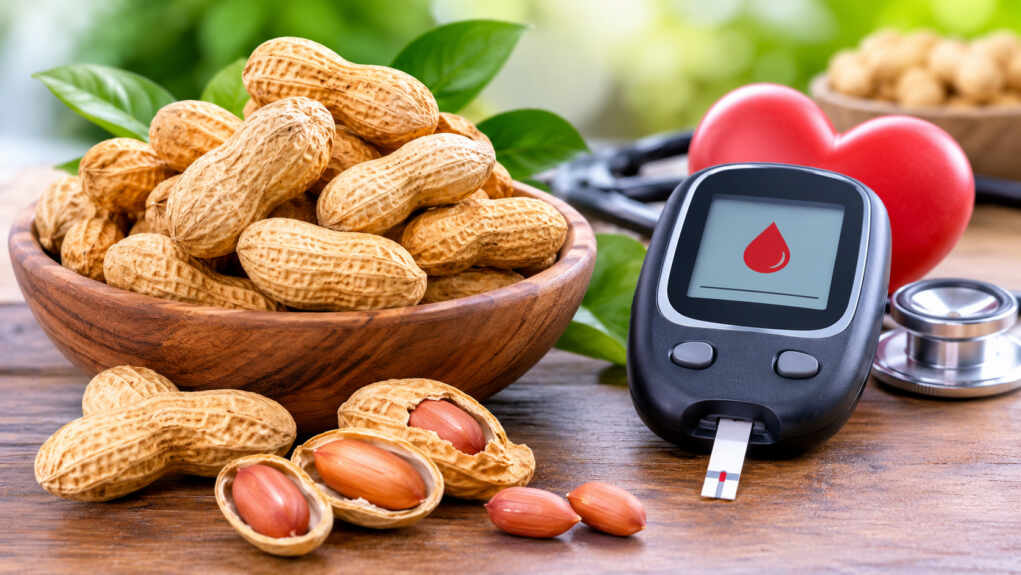
Peanuts may offer more than a convenient, protein-rich snack. New research suggests that eating peanuts could influence the types of fats circulating in the blood, potentially creating a metabolic profile associated with a lower risk of developing type 2 diabetes. The findings highlight the important relationship between dietary fats, body weight, and metabolic health, offering another reason to pay attention to the foods we include in our daily diet.
A study published in the American Journal of Clinical Nutrition in November 2026 found that changes in certain blood lipids associated with peanut consumption were linked to an approximately 11% lower risk of type 2 diabetes. Researchers identified a group of peanut-responsive blood fats, particularly very-long-chain saturated fatty acid-containing lipids, that appeared to be associated with this reduced risk. Although the findings do not prove that peanuts prevent diabetes, they provide promising insights into how everyday food choices may influence the body’s long-term metabolic health.
How Peanut Consumption May Influence Type 2 Diabetes Risk
Peanuts are widely recognized for their nutritional value, containing protein, fiber, vitamins, minerals, and predominantly unsaturated fats. However, researchers are increasingly interested in how the fats from peanuts are processed by the body and whether they produce measurable changes in blood lipid levels.
In the 2026 study, scientists investigated the relationship between peanut consumption, circulating blood lipids, and the development of type 2 diabetes. Rather than examining only the amount of fat people consumed, the researchers focused on the specific fatty acids and lipid compounds that appeared in the bloodstream after eating peanuts.
Their findings suggest that certain peanut-related blood fats may serve as indicators of metabolic changes associated with a lower likelihood of developing type 2 diabetes.
This is important because blood lipids do more than transport and store energy. They also participate in cellular processes, hormone signaling, and metabolic regulation, all of which can influence how the body responds to insulin and manages blood glucose.
What Are Very-Long-Chain Saturated Fatty Acids?
One of the most interesting discoveries involved very-long-chain saturated fatty acids (VLCSFAs), a group of fatty acids containing 20 or more carbon atoms.
Although saturated fats are commonly associated with negative health effects when consumed in excess, not all fatty acids behave identically in the body. Their chemical structures, food sources, and metabolic functions can differ.
Peanuts contain several fatty acids that may contribute to the production of these longer-chain compounds. The researchers observed increases in several VLCSFA-containing lipids, particularly those belonging to a group of molecules called sphingolipids.
Sphingolipids are important components of cell membranes and participate in processes such as cell signaling and metabolic regulation. Their relationship with insulin sensitivity and diabetes is an active area of scientific investigation.
The study suggests that the particular lipid changes associated with peanuts may be beneficial markers of metabolic health. However, researchers have not established that increasing these fatty acids directly prevents insulin resistance or diabetes.
What Did the 2026 Peanut and Diabetes Study Find?
The research combined findings from two separate investigations to better understand how peanuts influence blood chemistry and diabetes risk.
The first was the ARISTOTLE clinical intervention trial, which involved 63 healthy young adults. Participants were assigned to consume one of three options over six months:
- 25 grams of skin-roasted peanuts daily.
- 32 grams of peanut butter daily.
- 32 grams of control butter containing peanut oil daily.
Researchers collected blood samples before and after the intervention to identify changes in circulating lipids.
The second investigation used data from the EPIC-Potsdam prospective cohort, which included 774 type 2 diabetes cases and 547 cardiovascular disease cases. Researchers examined whether the peanut-related lipid changes identified in the intervention trial were associated with future disease risk.
The results revealed several noteworthy findings:
- An 11% lower diabetes risk: A higher peanut lipidomic signature was associated with an 11% lower risk of developing type 2 diabetes for every one-standard-deviation increase in the signature.
- Changes in 51 fatty acid measurements: The intervention modified 51 within-class fatty acid sums, with many involving very-long-chain saturated fatty acids.
- Potential involvement of body weight: Body mass index (BMI) appeared to explain a substantial proportion of the association between peanut-related blood fats and diabetes risk.
- No significant cardiovascular disease association: The researchers did not find a significant relationship between the peanut lipidomic signature and cardiovascular disease risk in the cohort.
These findings provide evidence that peanut consumption can influence blood lipid composition and that some of these changes are associated with a lower likelihood of developing type 2 diabetes.
Importantly, the 11% figure represents an association, not a proven reduction in risk caused directly by eating peanuts.
Why Body Weight May Play an Important Role
Another important aspect of the research was the potential connection between peanut consumption, body weight, and diabetes prevention.
The researchers identified BMI as a possible mediator of the relationship between peanut-related blood fats and type 2 diabetes risk. Their mediation analysis estimated that approximately 89% of the association could be explained by BMI, although the confidence interval was wide.
This suggests that body weight may be an important part of the relationship.
Excess body fat, particularly around the abdomen, is associated with insulin resistance. Insulin is the hormone responsible for helping glucose move from the bloodstream into cells, where it can be used for energy.
When the body becomes less responsive to insulin, the pancreas may need to produce more of the hormone to maintain normal blood glucose levels. Over time, this process can contribute to the development of type 2 diabetes.
Peanuts may support a healthier eating pattern because they contain protein, fiber, and fats that promote fullness. Eating them instead of highly processed snacks may help people manage their overall calorie intake.
However, peanuts are also calorie-dense. Their benefits are best considered within the context of a balanced diet rather than as a food that automatically leads to weight loss.
How Peanuts May Support Better Metabolic Health
Beyond the specific blood lipid changes identified in the new research, peanuts contain several nutrients that can contribute to overall health.
Here are some of the reasons they may be a valuable addition to a balanced diet.
1. They Provide Healthy Unsaturated Fats
Peanuts contain substantial amounts of monounsaturated and polyunsaturated fats.
These fats are generally considered healthier alternatives to the saturated fats found in foods such as fatty meats and butter. Replacing some sources of saturated fat with unsaturated fats can support healthier cholesterol levels and cardiovascular health.
The American Diabetes Association also recognizes peanuts as a source of monounsaturated fats that can form part of a heart-conscious eating pattern.
2. They Contain Protein and Fiber
Protein and fiber are important nutrients for maintaining a balanced diet.
Protein helps support muscle maintenance and promotes feelings of fullness. Fiber supports digestive health and can help moderate how quickly carbohydrates are digested and absorbed.
Although peanuts contain some carbohydrates, their combination of protein, fiber, and fat makes them a more nutrient-dense snack option than many highly processed alternatives.
3. They May Help With Appetite Management
Because peanuts contain protein, fiber, and fat, they can make a satisfying snack.
Feeling fuller for longer may help reduce unnecessary snacking and make it easier to maintain a consistent eating pattern.
This can be particularly useful for people trying to manage their weight, which is an important factor in reducing the risk of type 2 diabetes.
4. They Supply Important Vitamins and Minerals
Peanuts provide nutrients such as magnesium, vitamin E, niacin, and folate.
Magnesium plays a role in glucose metabolism and normal muscle and nerve function. Vitamin E helps protect cells from oxidative damage, while B vitamins support normal energy metabolism.
These nutrients contribute to overall health, although consuming peanuts alone cannot guarantee improved blood glucose control.
How to Include Peanuts in a Diabetes-Friendly Diet
The latest findings may encourage more people to consider peanuts as part of their regular eating habits. However, choosing the right products and paying attention to serving sizes are important.
Here are practical ways to enjoy peanuts while maintaining a balanced diet:
- Choose unsalted peanuts: Plain or lightly roasted peanuts can help limit unnecessary sodium intake.
- Try natural peanut butter: Look for products with minimal ingredients and little or no added sugar.
- Add peanuts to breakfast: Sprinkle a small amount over oatmeal, plain yogurt, or whole-grain cereal.
- Use them as a snack replacement: Enjoy a modest serving of peanuts instead of chips, sweets, or other highly processed snacks.
- Include them in balanced meals: Add crushed peanuts to vegetable salads or dishes containing lean protein and whole grains.
Portion control remains important because peanuts are relatively high in calories. A small handful, approximately 28 grams, is a commonly used serving size.
People with peanut allergies should avoid peanuts and peanut-containing products. Those managing diabetes should also consider their individual nutritional needs and consult a healthcare professional when making significant dietary changes.
Can Eating Peanuts Prevent Type 2 Diabetes?
Despite the promising findings, it would be misleading to claim that eating peanuts prevents type 2 diabetes.
The 2026 research combined a relatively small intervention trial with observational data from a larger population cohort. Although the intervention helped identify changes in blood lipids, the researchers relied on observational evidence to examine the relationship between those changes and future diabetes risk.
This means several questions remain unanswered.
For example, researchers still need to determine whether the identified fatty acids directly influence insulin sensitivity, whether other dietary or lifestyle factors contribute to the association, and whether the results apply equally to different populations.
The study also did not establish a specific daily peanut intake that guarantees diabetes protection.
For now, peanuts should be viewed as one potentially beneficial component of a healthy eating pattern rather than a substitute for established diabetes prevention strategies.
Other Ways to Reduce the Risk of Type 2 Diabetes
Nutrition is important, but preventing type 2 diabetes requires a broader approach to health.
Health experts recommend several lifestyle habits that can help reduce diabetes risk:
- Maintain a healthy weight: For people with overweight or obesity who are at high risk, even moderate weight loss can help improve insulin sensitivity.
- Exercise regularly: Aim for at least 150 minutes of moderate-intensity physical activity each week, when appropriate.
- Eat more whole foods: Include vegetables, fruits, legumes, whole grains, nuts, and other nutrient-rich foods.
- Limit sugary beverages: Replace soft drinks and other sugar-sweetened beverages with water or unsweetened alternatives.
- Reduce highly processed foods: Limit foods that are high in added sugars, refined carbohydrates, and unhealthy fats.
- Monitor blood glucose when appropriate: People with risk factors for diabetes should discuss screening and preventive care with their healthcare providers.
These habits work together to support healthier blood glucose levels, weight management, and long-term metabolic health.
The Bottom Line: Peanuts Could Offer More Than Just a Healthy Snack
The 2026 study adds an interesting new dimension to the relationship between peanuts and metabolic health. Researchers found that peanut consumption changed the composition of circulating blood lipids, with the resulting peanut-related lipid signature associated with an approximately 11% lower risk of type 2 diabetes.
The findings also suggest that body weight may play an important role in explaining this relationship.
While further research is needed to establish the underlying biological mechanisms and determine whether the association represents a direct protective effect, peanuts remain a nutritious food that can fit into a balanced eating pattern.
Choosing plain or minimally processed peanuts, controlling portions, and replacing less nutritious snacks with healthier alternatives may be practical ways to support overall health.
Ultimately, no single food can prevent type 2 diabetes. However, making consistent, informed dietary choices can contribute to better metabolic health and potentially lower the risk of developing this chronic condition.
Sources:
- The American Journal of Clinical Nutrition – Peanut-Derived Blood Lipids and Lower Type 2 Diabetes Risk – Original 2026 scientific research.
- Medical News Today – Peanut-Related Blood Fats Linked to Lower Type 2 Diabetes Risk – Overview of the new findings and their potential health implications.
- Mayo Clinic – Nuts and Your Heart – Information about healthy fats and the nutritional benefits of nuts.
- Harvard Health Publishing – Quick-Start Guide to Nuts and Seeds – Nutritional information about peanuts, protein, fiber, and unsaturated fats.
- American Diabetes Association – What Is Fat? – Explanation of different dietary fats and their effects on health.
- National Institute of Diabetes and Digestive and Kidney Diseases – Preventing Type 2 Diabetes – Evidence-based diabetes prevention strategies.
- NHS – Eating a Balanced Diet – Guidance on healthy fats, nuts, and balanced nutrition.
- CDC – Preventing Chronic Diseases: What You Can Do Now – Lifestyle and nutrition recommendations for reducing chronic disease risk.
Website operated and published by:
FAB LTD
Ground Floor, 14 Stewart Dr.
Berea, East London 5241
South Africa
Disclaimer
The watching, interacting, and participation of any kind with anything on this page does not constitute or initiate a doctor-patient relationship with Dr. Farrah™. None of the statements here have been evaluated by the Food and Drug Administration (FDA). The products of Dr. Farrah™ are not intended to diagnose, treat, cure, or prevent any disease. The information being provided should only be considered for education and entertainment purposes only. If you feel that anything you see or hear may be of value to you on this page or on any other medium of any kind associated with, showing, or quoting anything relating to Dr. Farrah™ in any way at any time, you are encouraged to and agree to consult with a licensed healthcare professional in your area to discuss it. If you feel that you’re having a healthcare emergency, seek medical attention immediately. The views expressed here are simply either the views and opinions of Dr. Farrah™ or others appearing and are protected under the First Amendment.
Dr. Farrah™ is a highly experienced Licensed Medical Doctor certified in evidence-based clinical nutrition, not some enthusiast, formulator, or medium promoting the wild and unrestrained use of nutrition products for health issues without clinical experience and scientific evidence of therapeutic benefit. Dr. Farrah™ has personally and keenly studied everything she recommends, and more importantly, she’s closely observed the reactions and results in a clinical setting countless times over the course of her career involving the treatment of over 150,000 patients.
Dr. Farrah™ promotes evidence-based natural approaches to health, which means integrating her individual scientific and clinical expertise with the best available external clinical evidence from systematic research. By individual clinical expertise, I refer to the proficiency and judgment that individual clinicians acquire through clinical experience and clinical practice.
Dr. Farrah™ does not make any representations or warranties with respect to the accuracy, applicability, fitness, or completeness of any multimedia content provided. Dr. Farrah™ does not warrant the performance, effectiveness, or applicability of any sites listed, linked, or referenced to, in, or by any multimedia content.
To be clear, the multimedia content is not intended to be a substitute for professional medical advice, diagnosis, or treatment. Always seek the advice of your physician or other qualified health providers with any questions you may have regarding a medical condition. Never disregard professional medical advice or delay in seeking it because of something you have read or seen in any website, video, image, or media of any kind. Dr. Farrah™ hereby disclaims any and all liability to any party for any direct, indirect, implied, punitive, special, incidental, or other consequential damages arising directly or indirectly from any use of the content, which is provided as is, and without warranties.