
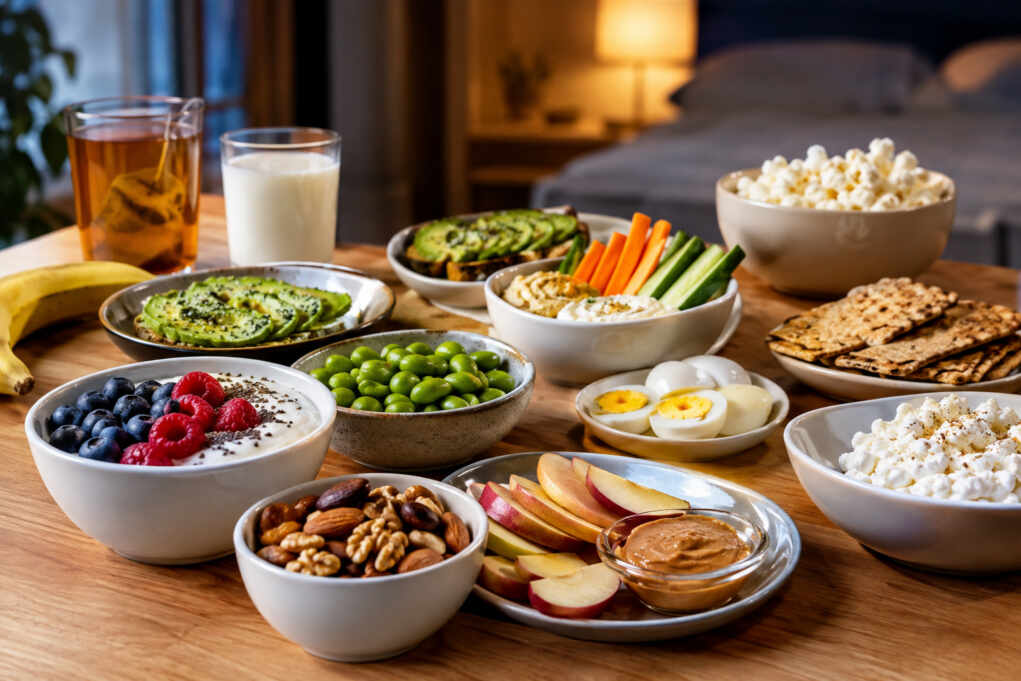
Late-night hunger can strike even after a full day of meals, leaving you searching for something satisfying before bed. However, if you’re trying to maintain stable blood sugar, choosing the right snack matters. The best late-night snacks for stable blood sugar combine protein, fiber, and healthy fats to help slow digestion, promote fullness, and reduce the likelihood of sharp blood sugar fluctuations. Instead of reaching for sugary cereals, cookies, or refined-carb snacks, consider nutrient-dense foods that provide lasting satisfaction without excessive added sugar.
Whether you’re managing diabetes, monitoring your glucose levels, or simply trying to develop healthier nighttime eating habits, there are plenty of delicious options to enjoy. From Greek yogurt and nuts to hard-boiled eggs and whole-grain crackers, a balanced bedtime snack can fit into a blood-sugar-conscious eating plan. The key is to pay attention to portion sizes, choose minimally processed foods, and understand how different foods affect your individual glucose response. Below, you’ll discover 15 of the best late-night snacks for stable blood sugar, along with practical tips for making smarter choices before bed.
Why Choosing the Right Late-Night Snack Matters
Blood sugar, also known as blood glucose, is the amount of glucose circulating in your bloodstream. Your body uses glucose for energy, and your blood sugar naturally changes throughout the day in response to meals, physical activity, hormones, stress, and sleep.
Eating a snack late at night does not automatically cause high blood sugar. However, snacks rich in added sugars and refined carbohydrates may cause glucose to rise quickly, particularly when eaten in large portions or without protein, fiber, or fat.
A balanced snack can help satisfy hunger and provide essential nutrients. Foods containing protein, fiber, and unsaturated fats generally digest more slowly than foods made primarily from refined carbohydrates, although the actual blood sugar response depends on the food, serving size, and individual factors.
It’s also important to remember that you don’t necessarily need a bedtime snack every night. If you’re comfortably satisfied after dinner, eating again may not be necessary. For people taking insulin or certain diabetes medications, however, nighttime eating may sometimes be part of a personalized plan to prevent low blood sugar.
15 Best Late-Night Snacks for Stable Blood Sugar
The following snack ideas emphasize protein, fiber, healthy fats, and nutrient-rich carbohydrates. Choose portions that match your appetite, nutritional needs, and glucose-management goals.
1. Plain Greek Yogurt
Plain Greek yogurt is one of the best bedtime snacks for blood sugar management because it provides protein with relatively little carbohydrate, depending on the product. It also contains calcium and other nutrients that support overall health.
Choose unsweetened Greek yogurt rather than flavored varieties that may contain added sugar. For extra flavor and fiber, add a small handful of blueberries, strawberries, or a sprinkle of chia seeds.
How to enjoy it: Serve approximately ½ cup of plain Greek yogurt with a few berries. Adjust the portion to your dietary needs.
2. Almonds or Walnuts
Almonds and walnuts are convenient late-night snacks that provide healthy unsaturated fats, fiber, and some protein. Because they contain relatively little carbohydrate per serving, they can be a useful alternative to sugary packaged snacks.
Nuts are also calorie-dense, so portion control matters. Choose unsalted or lightly salted varieties without added sugar or candy coatings.
How to enjoy them: Eat a small handful, approximately 1 ounce, as a standalone snack or pair a few nuts with sliced strawberries.
3. Apple Slices With Peanut Butter
If you prefer something sweet, apples with peanut butter offer a satisfying combination of natural carbohydrates, fiber, protein, and fat. The fiber in whole apples and the fat and protein in peanut butter can slow digestion compared with eating a sweet snack made mostly of refined carbohydrates.
For the best nutritional balance, choose natural peanut butter without added sugar and keep the serving moderate.
How to enjoy it: Slice half a small apple and pair it with 1 tablespoon of unsweetened peanut butter.
4. Hard-Boiled Eggs
Hard-boiled eggs are a simple, protein-rich snack with virtually no carbohydrates. They can help satisfy hunger without adding a significant carbohydrate load, making them a practical choice for people who prefer savory foods at night.
Eggs also provide nutrients such as vitamin B12 and choline. Prepare a few in advance so you have a convenient option when nighttime hunger strikes.
How to enjoy them: Eat one hard-boiled egg with cucumber slices or a few cherry tomatoes.
5. Cottage Cheese
Cottage cheese provides protein and calcium, and it can be a filling option when you want something creamy without a sugary dessert. Its carbohydrate content varies by brand and serving size, so check the nutrition label if you’re counting carbohydrates.
For a blood-sugar-conscious snack, choose plain cottage cheese without sweetened fruit toppings. You can enjoy it with vegetables or a small serving of berries.
How to enjoy it: Try ½ cup of plain cottage cheese with cucumber slices or a pinch of black pepper.
6. Hummus With Carrot or Cucumber Sticks
Hummus, made primarily from chickpeas, provides fiber, plant-based protein, and unsaturated fats. Pairing it with nonstarchy vegetables creates a crunchy, savory snack that supplies nutrients without relying on refined carbohydrates.
Carrots contain more carbohydrate than cucumbers, but both can fit into a balanced eating plan. The important factor is your overall portion and how the snack fits your individual carbohydrate goals.
How to enjoy it: Serve 2 tablespoons of hummus with cucumber slices, bell pepper strips, or a few carrot sticks.
7. Chia Seed Pudding Without Added Sugar
Chia seeds are rich in fiber and contain plant-based omega-3 fatty acids. When soaked in milk or an unsweetened milk alternative, they form a thick pudding that can satisfy a craving for dessert.
The fiber content makes chia pudding an appealing alternative to traditional pudding made with added sugar. However, the carbohydrate content of the complete snack depends on the liquid and toppings you use.
How to enjoy it: Mix 1 tablespoon of chia seeds with ½ cup of unsweetened milk or an appropriate fortified alternative. Refrigerate until thick, then add a few berries.
8. Avocado on Whole-Grain Crackers
Avocado provides fiber and heart-healthy monounsaturated fats. Pairing a small amount with whole-grain crackers adds texture and some carbohydrates while offering a more balanced option than refined crackers alone.
Whole grains generally provide more fiber than refined grains, although products vary. Check the ingredient list and serving size, particularly if you monitor your carbohydrate intake.
How to enjoy it: Spread 2 tablespoons of mashed avocado over one or two small whole-grain crispbreads.
9. Cheese With Whole-Grain Crackers
Cheese provides protein and calcium, while whole-grain crackers contribute carbohydrates and potentially fiber. Together, they can make a satisfying snack that is more nutritionally balanced than eating a large serving of crackers on their own.
Because cheese can be high in saturated fat and sodium, consider your overall dietary needs when selecting a variety. Choose whole-grain crackers with minimal added sugar and moderate sodium.
How to enjoy it: Pair a small piece of cheese with two whole-grain crackers and a few cucumber slices.
10. Edamame
Edamame, or young soybeans, offers plant-based protein, fiber, and several essential nutrients. Unlike many highly processed snack foods, edamame provides a combination of protein and fiber that can help make a small serving satisfying.
It is also easy to prepare from frozen. Choose plain edamame rather than varieties coated in sugary sauces or heavily salted seasonings.
How to enjoy it: Steam approximately ½ cup of shelled edamame and season with a little black pepper or lemon juice.
11. Celery With Peanut Butter
Celery with peanut butter is a simple snack that combines a low-carbohydrate vegetable with protein and unsaturated fats. The celery adds crunch and water, while peanut butter provides flavor and staying power.
This is particularly useful when you want something savory and quick without preparing a full meal.
How to enjoy it: Fill two small celery sticks with approximately 1 tablespoon of natural peanut butter. Check the label for added sugars.
12. Air-Popped Popcorn
Air-popped popcorn is a whole-grain snack that contains fiber. It can be a good choice when you want something crunchy while watching television or winding down before bed.
However, popcorn still contains carbohydrates and can raise blood glucose. A large bowl can also add up to more carbohydrates than you intended, so portion size matters.
How to enjoy it: Start with about 3 cups of plain air-popped popcorn. Avoid heavy coatings of caramel, sugar, or butter.
13. Berries With Unsweetened Yogurt
Berries offer natural sweetness, fiber, and beneficial plant compounds. Combining them with plain yogurt adds protein and creates a snack that can satisfy dessert cravings without relying on added sugar.
Whole berries are generally a better choice than fruit juice because they retain their fiber. Still, berries contain carbohydrates, so the amount you eat can matter if you’re tracking blood glucose.
How to enjoy it: Combine ¼ to ½ cup of mixed berries with a few spoonfuls of plain yogurt.
14. Tofu Cubes With Light Seasoning
Plain tofu is a versatile source of plant-based protein that is generally low in carbohydrates. It can be an appealing late-night option for people who prefer dairy-free or savory snacks.
Tofu also provides minerals and, depending on how it is prepared, may supply calcium. Avoid sweet glazes and sugary sauces that can add unnecessary carbohydrates.
How to enjoy it: Serve a small portion of plain tofu cubes with lemon juice, black pepper, or a modest amount of low-sodium seasoning.
15. Small Pear With a Few Nuts
A pear paired with nuts provides a combination of natural carbohydrates, fiber, and healthy fats. The whole fruit offers more fiber than pear juice, while the nuts add protein and unsaturated fats.
This combination can be a good alternative to cookies or sweet pastries when you want a naturally sweet snack. Because pears contain carbohydrates, choose a portion that fits your needs.
How to enjoy it: Eat half a small pear with a few almonds or walnut halves.
Quick Comparison: Which Late-Night Snack Is Best for You?
| Snack | Main nutritional benefit | Best for |
| Plain Greek yogurt | Protein | A creamy, filling snack |
| Almonds or walnuts | Healthy fats and fiber | A quick, low-carbohydrate option |
| Apple with peanut butter | Fiber, fats, and protein | Sweet cravings |
| Hard-boiled egg | Protein | A savory snack |
| Cottage cheese | Protein and calcium | A creamy, simple option |
| Hummus with vegetables | Fiber and plant protein | Crunchy, savory cravings |
| Chia seed pudding | Fiber and healthy fats | A make-ahead dessert |
| Avocado on whole-grain crackers | Fiber and unsaturated fats | A balanced, crunchy snack |
| Cheese with whole-grain crackers | Protein and carbohydrates | A convenient combination |
| Edamame | Plant protein and fiber | A warm, savory snack |
| Celery with peanut butter | Healthy fats and a low-carbohydrate vegetable | A quick snack |
| Air-popped popcorn | Whole grains and fiber | A crunchy snack |
| Berries with plain yogurt | Fiber and protein | A naturally sweet treat |
| Tofu cubes | Plant-based protein | A dairy-free option |
| Pear with nuts | Fiber and healthy fats | A sweet-and-crunchy combination |
These foods are not guaranteed to keep blood sugar perfectly stable. Your response depends on the portion, the rest of your diet, your health, and any medications you take.
What Makes a Late-Night Snack Good for Blood Sugar?
The most useful approach is to focus on the overall nutritional composition of your snack rather than looking for one special food that supposedly prevents glucose spikes.
Prioritize Protein
Protein can help you feel full and makes a useful addition to snacks containing carbohydrates. Good sources include eggs, plain Greek yogurt, cottage cheese, tofu, nuts, and edamame.
Include Fiber
Fiber-rich foods can support digestive health and influence how quickly carbohydrates are digested and absorbed. Choose whole fruit, vegetables, legumes, chia seeds, and whole grains more often than refined snack foods.
Choose Healthy Fats
Foods such as nuts, seeds, avocado, and natural nut butters provide unsaturated fats. These fats can contribute to satiety and may slow digestion when eaten with carbohydrate-containing foods.
Watch Added Sugars and Refined Carbohydrates
Sweetened yogurt, candy, cookies, pastries, sugary cereal, and sweetened drinks can deliver substantial amounts of added sugar or rapidly digested carbohydrates. You don’t need to eliminate every carbohydrate, but choosing less processed options can make portion control and meal planning easier.
Pay Attention to Portion Sizes
Even nutritious foods can raise blood glucose when eaten in large quantities. Nuts, for example, provide healthy fats and protein but are calorie-dense. Fruit, crackers, and popcorn contain carbohydrates that contribute to your total intake.
A small, satisfying snack is often more practical than grazing continuously throughout the evening.
What Foods Should You Limit Before Bed?
If your goal is to manage blood sugar, consider limiting these foods as routine late-night snacks:
- Sugary cereals: Often contain added sugar and refined grains, especially when eaten in large bowls.
- Cookies, cakes, and pastries: Can combine refined flour, added sugar, and substantial calories.
- Candy and chocolate-heavy sweets: May contain considerable added sugar; nutritional content varies by product.
- Sugary beverages and fruit juice: Deliver carbohydrates quickly and generally provide less fiber than whole fruit.
- Large portions of chips or crackers: Can supply substantial carbohydrates and sodium without much protein or fiber.
- Sweetened yogurt and flavored milk: May contain more added sugar than their plain alternatives.
You do not have to ban these foods entirely. Instead, consider how frequently you eat them, how much you consume, and how they fit into your overall eating pattern.
Is It Good to Eat a Snack Before Bed if You Have Diabetes?
The answer depends on your blood glucose patterns, medications, activity level, and overall meal plan.
For some people with diabetes, a late-night snack may be unnecessary and could contribute to higher morning glucose readings. For others, particularly those who use insulin or certain glucose-lowering medications, a planned snack may help prevent or address nighttime hypoglycemia.
A bedtime snack is not a universal solution for morning high blood sugar. Elevated morning glucose can have several causes, including overnight hormonal changes, medication timing, and nighttime glucose fluctuations. If your morning readings are consistently high or you experience overnight lows, discuss your glucose patterns with your healthcare professional rather than automatically adding or removing a snack.
Important: If your blood glucose is low, do not rely on nuts, peanut butter, or other high-fat snacks to treat it. Follow your prescribed hypoglycemia treatment plan. For many people, the recommended approach is to take 15 grams of fast-acting carbohydrate, wait 15 minutes, and recheck glucose, repeating as directed if it remains low. Your clinician may recommend a different plan for your circumstances.
How to Build a Blood-Sugar-Friendly Bedtime Snack
Use these practical steps to make choosing a late-night snack easier.
- Check whether you’re hungry. Thirst, boredom, or habit can sometimes feel like hunger. If you’re thirsty, try water first.
- Choose a protein source. Consider plain yogurt, eggs, tofu, cottage cheese, or nuts.
- Add fiber when appropriate. Whole fruit, vegetables, seeds, or a small serving of whole grains can improve the nutritional balance.
- Keep portions realistic. Decide on a serving before eating instead of snacking directly from a large package.
- Check labels. Compare total carbohydrates, fiber, added sugars, and serving sizes.
- Observe your own glucose response. If you monitor blood glucose or use a continuous glucose monitor, discuss recurring patterns with your healthcare professional.
- Avoid unnecessary snacking. If you are not hungry and do not need a snack as part of your treatment plan, there is no requirement to eat before bed.
Frequently Asked Questions
What is the best snack to eat at night to keep blood sugar stable?
There is no single best snack for everyone. Plain Greek yogurt, a hard-boiled egg, a small handful of nuts, or vegetables with hummus can be useful options because they provide protein, fiber, or healthy fats. The ideal choice depends on your appetite, carbohydrate goals, and individual glucose response.
What can I eat before bed that won’t spike my blood sugar?
No food can guarantee that your blood sugar will not rise. Snacks that contain relatively little carbohydrate, such as eggs, plain tofu, or a small portion of nuts, may cause a smaller glucose response than a large serving of sugary cereal or candy. Individual responses vary.
Are bananas good late-night snacks for blood sugar?
Bananas contain carbohydrates and natural sugars, along with fiber and other nutrients. A small banana may fit into a balanced eating plan, particularly when paired with a source of protein or healthy fat. Portion size and your individual carbohydrate needs matter.
Does eating late at night cause high blood sugar?
Not necessarily. The effect depends on what you eat, how much you eat, your glucose regulation, and any medications you use. Large late-night meals or carbohydrate-rich snacks may contribute to higher overnight or morning readings in some people.
Should people with diabetes avoid carbohydrates at night?
Not automatically. Carbohydrates are part of many healthy eating patterns, and the amount and type that work best vary by person. Whole fruit, legumes, and whole grains can fit into a diabetes-friendly diet when portions are appropriate. Follow your individualized nutrition and medication plan.
Can a bedtime snack prevent morning blood sugar spikes?
Not reliably. A snack may be useful in specific circumstances, but it can also raise overnight glucose in some people. Persistent morning highs deserve an assessment of possible causes rather than an assumption that you need to eat more before bed.
Final Thoughts
The best late-night snacks for stable blood sugar are practical, satisfying, and suited to your individual needs. Plain Greek yogurt, nuts, eggs, hummus with vegetables, chia seed pudding, and fruit paired with protein or healthy fats are all worth considering.
Rather than searching for a food that guarantees stable glucose, focus on balanced portions, fiber-rich ingredients, adequate protein, and fewer added sugars. If you have diabetes, prediabetes, or recurring nighttime glucose fluctuations, your healthcare professional or registered dietitian can help you choose snacks that fit your treatment plan.
Sources:
The following reputable health organizations and medical publications provide evidence-based guidance on blood sugar management, healthy snacking, carbohydrate intake, and diabetes nutrition.
- Mayo Clinic – Late-Night Eating: OK If You Have Diabetes?
- Cleveland Clinic – The Best Snacks to Eat With Type 2 Diabetes
- Centers for Disease Control and Prevention (CDC) – Diabetes Meal Planning
- American Diabetes Association – Healthy Diabetes Meal Planning and Snacking
- Harvard Health Publishing – Low-Carb Snacks: Easy and Healthy Options for Any Time of Day
- National Institute of Diabetes and Digestive and Kidney Diseases (NIDDK) – Low Blood Glucose (Hypoglycemia)
- Mayo Clinic – Diabetes Diet: Create Your Healthy-Eating Plan
- American Diabetes Association – Signs, Symptoms, and Treatment of Low Blood Glucose
Website operated and published by:
FAB LTD
Ground Floor, 14 Stewart Dr.
Berea, East London 5241
South Africa
Disclaimer
The watching, interacting, and participation of any kind with anything on this page does not constitute or initiate a doctor-patient relationship with Dr. Farrah™. None of the statements here have been evaluated by the Food and Drug Administration (FDA). The products of Dr. Farrah™ are not intended to diagnose, treat, cure, or prevent any disease. The information being provided should only be considered for education and entertainment purposes only. If you feel that anything you see or hear may be of value to you on this page or on any other medium of any kind associated with, showing, or quoting anything relating to Dr. Farrah™ in any way at any time, you are encouraged to and agree to consult with a licensed healthcare professional in your area to discuss it. If you feel that you’re having a healthcare emergency, seek medical attention immediately. The views expressed here are simply either the views and opinions of Dr. Farrah™ or others appearing and are protected under the First Amendment.
Dr. Farrah™ is a highly experienced Licensed Medical Doctor certified in evidence-based clinical nutrition, not some enthusiast, formulator, or medium promoting the wild and unrestrained use of nutrition products for health issues without clinical experience and scientific evidence of therapeutic benefit. Dr. Farrah™ has personally and keenly studied everything she recommends, and more importantly, she’s closely observed the reactions and results in a clinical setting countless times over the course of her career involving the treatment of over 150,000 patients.
Dr. Farrah™ promotes evidence-based natural approaches to health, which means integrating her individual scientific and clinical expertise with the best available external clinical evidence from systematic research. By individual clinical expertise, I refer to the proficiency and judgment that individual clinicians acquire through clinical experience and clinical practice.
Dr. Farrah™ does not make any representations or warranties with respect to the accuracy, applicability, fitness, or completeness of any multimedia content provided. Dr. Farrah™ does not warrant the performance, effectiveness, or applicability of any sites listed, linked, or referenced to, in, or by any multimedia content.
To be clear, the multimedia content is not intended to be a substitute for professional medical advice, diagnosis, or treatment. Always seek the advice of your physician or other qualified health providers with any questions you may have regarding a medical condition. Never disregard professional medical advice or delay in seeking it because of something you have read or seen in any website, video, image, or media of any kind. Dr. Farrah™ hereby disclaims any and all liability to any party for any direct, indirect, implied, punitive, special, incidental, or other consequential damages arising directly or indirectly from any use of the content, which is provided as is, and without warranties.