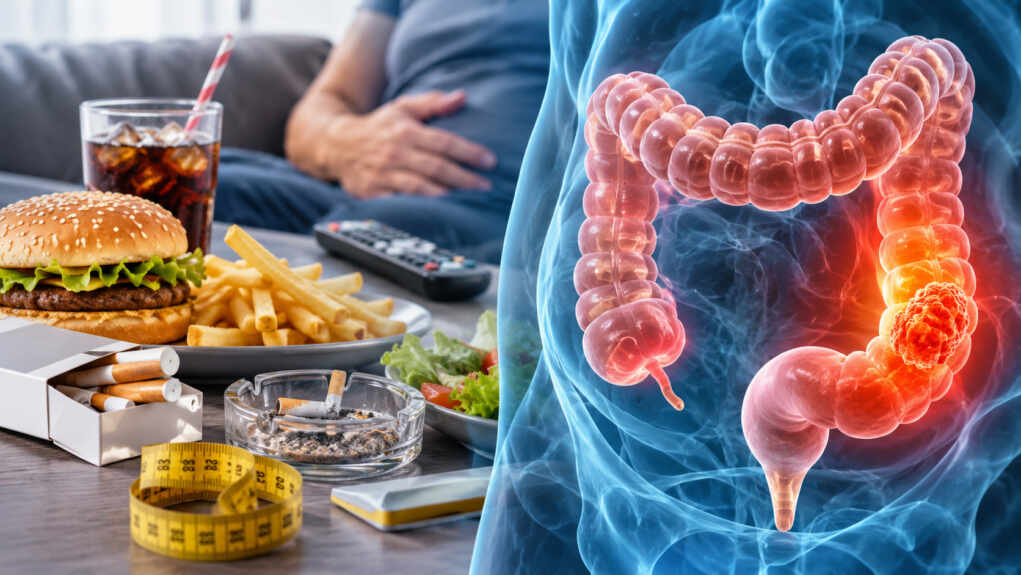
Colon cancer is one of the most common cancers worldwide, and while factors such as age, genetics, and family history play important roles in its development, everyday lifestyle choices can also significantly influence a person’s risk. From the foods we eat to how often we exercise, lifestyle habits can affect digestive health, inflammation, body weight, and other biological processes associated with colorectal cancer. Research consistently links certain behaviors, including excessive alcohol consumption, smoking, physical inactivity, obesity, and diets high in processed meats, to an increased risk of developing the disease.
The encouraging news is that many of these risk factors are modifiable. Although adopting healthier habits cannot guarantee protection against colon cancer, making informed lifestyle changes may help reduce the likelihood of developing it. Understanding how diet, exercise, weight management, alcohol consumption, and other daily behaviors affect colon cancer risk can empower individuals to take practical steps toward better long-term health. So, just how much do lifestyle factors matter, and which changes can make the biggest difference?
Understanding the Connection Between Lifestyle and Colon Cancer
Lifestyle factors can have a considerable influence on colorectal cancer risk. According to the American Cancer Society, more than half of colorectal cancer cases in the United States may be attributable to modifiable lifestyle-related factors, including unhealthy eating habits, physical inactivity, excess body weight, alcohol consumption, and smoking.
These factors do not affect everyone equally, and their influence can vary depending on genetics, age, medical history, and other environmental influences. Nevertheless, research suggests that maintaining healthier habits can help reduce the risk of developing colorectal cancer.
The World Health Organization (WHO) also identifies several lifestyle-related contributors to colorectal cancer, emphasizing that prevention strategies should include healthier diets, regular physical activity, avoiding tobacco, maintaining a healthy weight, and limiting alcohol consumption.
This means lifestyle choices are not simply about improving general wellness. They can also play an important role in reducing the risk of potentially serious diseases, including colon cancer.
1. Diet: What You Eat Can Influence Colon Cancer Risk
Diet is one of the most frequently studied lifestyle factors associated with colon cancer. Certain eating patterns may increase the risk of colorectal cancer, while others are associated with better digestive and overall health.
Red and Processed Meat Consumption
Regularly consuming large amounts of red and processed meat has been associated with an increased risk of colorectal cancer.
Red meat includes:
- Beef
- Pork
- Lamb
- Goat
Processed meats include:
- Bacon
- Sausages
- Hot dogs
- Ham
- Deli meats
- Cured and smoked meats
Processed meats are particularly concerning because processing methods such as curing, smoking, and preserving can introduce compounds associated with cancer development. Cooking meat at very high temperatures can also produce potentially harmful chemicals.
The International Agency for Research on Cancer (IARC), part of WHO, classifies processed meat as carcinogenic to humans and red meat as probably carcinogenic to humans.
This does not mean that eating meat occasionally will automatically cause colon cancer. However, reducing processed meat consumption and limiting red meat intake may be a sensible preventive measure.
Low Fiber Intake
Fiber is important for digestive health because it helps maintain regular bowel movements and supports a healthy gut environment.
Diets rich in fiber-containing foods, such as fruits, vegetables, legumes, and whole grains, are generally recommended as part of a healthy eating pattern.
Good sources of dietary fiber include:
- Oatmeal and whole-grain cereals
- Brown rice and whole-wheat bread
- Beans and lentils
- Broccoli, carrots, and leafy vegetables
- Apples, pears, and berries
- Nuts and seeds
Although research on fiber as an independent colorectal cancer prevention factor is still developing, eating more fiber-rich whole foods is a practical way to improve overall dietary quality.
What Does a Colon-Friendly Diet Look Like?
A balanced eating pattern should emphasize plant-based foods, whole grains, and a variety of nutritious protein sources.
Consider these dietary changes:
- Eat vegetables and fruits regularly.
- Choose whole grains instead of refined grains when possible.
- Include beans, lentils, and other legumes in meals.
- Limit processed meats.
- Reduce excessive red meat consumption.
- Minimize highly processed foods and foods high in added sugars.
The goal is not to follow a restrictive diet but to establish sustainable eating habits that support long-term health.
2. Physical Inactivity: A Sedentary Lifestyle May Increase Risk
Regular physical activity does more than improve cardiovascular health and help manage body weight. It is also associated with a lower risk of colorectal cancer.
People who spend most of their day sitting, particularly those who rarely engage in physical activity, may have a higher risk of developing colon cancer than more active individuals.
Researchers believe that physical activity may help reduce colorectal cancer risk through several biological mechanisms, including:
- Improving insulin sensitivity and blood sugar regulation.
- Helping regulate inflammation.
- Supporting healthy body weight.
- Influencing digestive function and intestinal transit.
- Reducing exposure of the intestinal lining to potentially harmful substances.
According to the National Cancer Institute, evidence from a meta-analysis of 52 observational studies found that regular physical activity was associated with approximately 24% lower colorectal cancer incidence.
How Much Exercise Is Recommended?
Adults can aim for at least 150 minutes of moderate-intensity physical activity each week or 75 minutes of vigorous-intensity activity, alongside muscle-strengthening activities on two or more days.
Examples of moderate physical activity include:
- Brisk walking
- Cycling
- Swimming
- Dancing
- Gardening
- Recreational sports
You do not necessarily need an expensive gym membership or an intense exercise routine. Even incorporating more movement into your daily schedule, such as taking walking breaks or using the stairs, can help reduce sedentary time.
Consistency is more important than intensity when establishing a sustainable exercise routine.
3. Excess Body Weight and Obesity
Excess body weight, particularly obesity, is another established risk factor for colorectal cancer.
Research has found associations between obesity and an increased risk of colon cancer. The relationship may involve several metabolic and hormonal changes that occur when excess body fat accumulates.
These include:
Chronic inflammation: Excess body fat can contribute to persistent low-grade inflammation, which may create conditions that encourage abnormal cell growth.
Insulin resistance: Obesity can contribute to insulin resistance and elevated insulin levels. These metabolic changes may influence cellular growth and development.
Hormonal changes: Excess body fat can affect hormone and growth-factor activity, potentially influencing processes involved in cancer development.
Metabolic dysfunction: Changes in metabolism associated with obesity may contribute to an environment that supports the development and progression of certain cancers.
How Can You Maintain a Healthy Weight?
Maintaining a healthy weight does not require extreme dieting or rapid weight loss.
Instead, focus on:
- Eating balanced meals with appropriate portions.
- Choosing nutritious, minimally processed foods.
- Exercising regularly.
- Getting sufficient sleep.
- Reducing prolonged sedentary behavior.
- Making gradual, sustainable lifestyle changes.
It is important to remember that body weight alone does not determine whether someone will develop colon cancer. People at different body sizes can develop the disease, and maintaining a healthy weight does not eliminate the need for appropriate screening.
4. Alcohol Consumption and Colon Cancer Risk
Alcohol consumption is another lifestyle factor linked to colorectal cancer.
When the body breaks down alcohol, it produces acetaldehyde, a chemical that can damage DNA and interfere with normal cellular processes. Alcohol consumption may also contribute to oxidative stress and affect how the body processes certain nutrients.
Research has found that the risk of colorectal cancer increases with higher levels of alcohol consumption.
Although heavy drinking is particularly concerning, even moderate alcohol consumption may contribute to cancer risk. There is no established completely risk-free level of alcohol consumption when it comes to cancer prevention.
Can Reducing Alcohol Intake Help?
Reducing alcohol consumption or avoiding it altogether can help lower exposure to alcohol-related cancer risks.
Practical strategies include:
- Choosing water or nonalcoholic beverages.
- Limiting drinking occasions.
- Avoiding excessive or binge drinking.
- Finding alternative ways to manage stress.
- Seeking professional support if reducing alcohol consumption is difficult.
Reducing alcohol intake is beneficial not only for colorectal cancer prevention but also for lowering the risk of several other alcohol-associated health conditions.
5. Smoking and Tobacco Use
Smoking is widely recognized as a major risk factor for lung cancer, but its effects extend beyond the respiratory system.
Research has also linked cigarette smoking to an increased risk of colorectal cancer and colorectal polyps, some of which can develop into cancer over time.
Tobacco smoke contains numerous carcinogenic substances that can enter the bloodstream and affect different organs throughout the body.
Long-term exposure to these substances may contribute to DNA damage, abnormal cellular growth, and other biological changes associated with cancer development.
Smoking may also increase the likelihood of developing precancerous colorectal growths, potentially creating additional opportunities for cancer to develop.
Does Quitting Smoking Reduce Colon Cancer Risk?
Quitting smoking is one of the most important steps a person can take to improve long-term health.
Although previous exposure to tobacco cannot be completely reversed, stopping smoking prevents continued exposure to harmful chemicals and provides substantial health benefits over time.
Helpful steps include:
- Setting a realistic quit date.
- Avoiding situations that trigger smoking.
- Seeking counseling or professional support.
- Discussing evidence-based smoking cessation treatments with a healthcare provider.
- Building healthier habits to replace smoking.
Avoiding tobacco use is an important part of a comprehensive cancer prevention strategy.
6. Sleep, Stress, and Other Lifestyle Considerations
Diet, exercise, alcohol consumption, obesity, and smoking have stronger established connections to colorectal cancer risk than many other lifestyle factors.
Sleep and stress are also important aspects of overall health, although their direct relationship with colon cancer is less clearly established.
Sleep Quality
Poor sleep can affect metabolic health, hormone regulation, immune function, and body weight.
Some studies have investigated possible associations between sleep patterns and colorectal cancer, but the evidence is not strong enough to establish poor sleep as a direct cause of the disease.
Nevertheless, maintaining a consistent sleep schedule and getting adequate rest can support overall health and make it easier to maintain healthy daily routines.
Chronic Stress
Long-term stress can influence sleep, eating habits, physical activity, and other behaviors that affect general health.
However, there is currently insufficient evidence to conclude that stress directly causes colon cancer.
Managing stress through physical activity, relaxation techniques, social support, and appropriate professional care can still contribute to better overall well-being.
7. Genetics and Family History Still Matter
While lifestyle factors are important, they are only part of the overall colon cancer risk picture.
Some individuals develop colorectal cancer despite maintaining healthy lifestyles. This is because other factors, including genetics, age, and medical history, can substantially influence disease risk.
Important nonmodifiable or medical risk factors include:
- Age: The risk of colorectal cancer increases as people get older.
- Family history: Having a parent, sibling, or child with colorectal cancer can increase personal risk.
- Inherited genetic conditions: Lynch syndrome and familial adenomatous polyposis (FAP) can significantly increase colorectal cancer risk.
- Inflammatory bowel disease: Long-term ulcerative colitis and Crohn’s disease involving the colon can increase risk.
- Personal history: Previous colorectal cancer or certain types of colorectal polyps can increase the likelihood of developing the disease again.
People with these risk factors may need earlier or more frequent screening than the general population.
Understanding your family medical history and discussing it with a healthcare professional can help determine an appropriate screening plan.
Can Lifestyle Changes Actually Prevent Colon Cancer?
Lifestyle modifications can help lower the risk of colorectal cancer, but they cannot guarantee that the disease will never develop.
The strongest prevention strategy involves combining several healthy behaviors rather than relying on one particular food, exercise routine, or supplement.
Here are practical changes that may help:
Lifestyle factor |
Recommended approach |
| Diet | Eat more fruits, vegetables, legumes, and whole grains. |
| Red meat | Limit excessive consumption. |
| Processed meat | Avoid or minimize consumption. |
| Physical activity | Aim for at least 150 minutes of moderate exercise weekly. |
| Body weight | Maintain a healthy weight through sustainable habits. |
| Alcohol | Avoid or limit alcohol consumption. |
| Smoking | Avoid tobacco and quit if you currently smoke. |
| Sleep | Maintain a consistent and healthy sleep routine. |
| Screening | Follow recommended colorectal cancer screening guidelines. |
The most important thing is consistency. Small, manageable changes maintained over time can contribute to better health and potentially reduce exposure to several cancer-related risk factors.
Why Regular Colon Cancer Screening Is Still Essential
Even people who eat healthy foods, exercise regularly, maintain a healthy weight, and avoid smoking can develop colorectal cancer.
This is why screening remains one of the most important tools for preventing and detecting the disease.
Colorectal cancer often begins as a polyp, which is an abnormal growth in the lining of the colon or rectum. Some polyps can gradually develop into cancer.
Screening tests can identify these growths before they become cancerous. They can also detect colorectal cancer at an earlier stage, when treatment is generally more effective.
Common screening methods include:
- Colonoscopy: Allows a healthcare professional to examine the colon and rectum and remove certain polyps during the procedure.
- Fecal immunochemical test (FIT): Checks stool samples for hidden blood.
- Stool DNA testing: Looks for certain abnormal DNA markers and blood in stool.
- Flexible sigmoidoscopy: Examines the lower portion of the colon and rectum.
In the United States, average-risk adults are generally advised to begin colorectal cancer screening at age 45. Recommendations may differ depending on the country, personal medical history, and family risk.
People with a family history of colorectal cancer, previous polyps, or inflammatory bowel disease may need screening earlier.
It is also important not to wait for a routine screening appointment if you experience concerning symptoms such as persistent changes in bowel habits, blood in your stool, unexplained weight loss, ongoing abdominal discomfort, or unexplained anemia. These symptoms should be evaluated by a healthcare professional.
Final Thoughts: Lifestyle Choices Can Make a Meaningful Difference
So, how much do lifestyle factors impact colon cancer risk? Quite significantly. Research has established meaningful connections between colorectal cancer and several modifiable behaviors, particularly unhealthy dietary patterns, physical inactivity, excess body weight, alcohol consumption, and smoking.
Although genetics, age, and medical history also influence individual risk, adopting healthier lifestyle habits can be an important part of cancer prevention. Eating a balanced diet, staying physically active, maintaining a healthy weight, avoiding tobacco, and limiting alcohol are practical steps that support long-term health.
However, prevention should never rely on lifestyle changes alone. Regular colorectal cancer screening, awareness of family history, and early medical evaluation of concerning symptoms remain essential. Ultimately, the best approach is to combine healthy everyday habits with appropriate preventive healthcare to give yourself the best possible chance of reducing your colon cancer risk.
Sources:
- World Health Organization (WHO) – Colorectal Cancer
- Centers for Disease Control and Prevention (CDC) – Colorectal Cancer Risk Factors
- National Cancer Institute (NCI) – Colorectal Cancer Prevention
- American Cancer Society (ACS) – Colorectal Cancer Prevention
- Mayo Clinic – Colon Cancer Prevention: What You Can Do
- International Agency for Research on Cancer (IARC) – Red Meat and Processed Meat
Website operated and published by:
FAB LTD
Ground Floor, 14 Stewart Dr.
Berea, East London 5241
South Africa
Disclaimer
The watching, interacting, and participation of any kind with anything on this page does not constitute or initiate a doctor-patient relationship with Dr. Farrah™. None of the statements here have been evaluated by the Food and Drug Administration (FDA). The products of Dr. Farrah™ are not intended to diagnose, treat, cure, or prevent any disease. The information being provided should only be considered for education and entertainment purposes only. If you feel that anything you see or hear may be of value to you on this page or on any other medium of any kind associated with, showing, or quoting anything relating to Dr. Farrah™ in any way at any time, you are encouraged to and agree to consult with a licensed healthcare professional in your area to discuss it. If you feel that you’re having a healthcare emergency, seek medical attention immediately. The views expressed here are simply either the views and opinions of Dr. Farrah™ or others appearing and are protected under the First Amendment.
Dr. Farrah™ is a highly experienced Licensed Medical Doctor certified in evidence-based clinical nutrition, not some enthusiast, formulator, or medium promoting the wild and unrestrained use of nutrition products for health issues without clinical experience and scientific evidence of therapeutic benefit. Dr. Farrah™ has personally and keenly studied everything she recommends, and more importantly, she’s closely observed the reactions and results in a clinical setting countless times over the course of her career involving the treatment of over 150,000 patients.
Dr. Farrah™ promotes evidence-based natural approaches to health, which means integrating her individual scientific and clinical expertise with the best available external clinical evidence from systematic research. By individual clinical expertise, I refer to the proficiency and judgment that individual clinicians acquire through clinical experience and clinical practice.
Dr. Farrah™ does not make any representations or warranties with respect to the accuracy, applicability, fitness, or completeness of any multimedia content provided. Dr. Farrah™ does not warrant the performance, effectiveness, or applicability of any sites listed, linked, or referenced to, in, or by any multimedia content.
To be clear, the multimedia content is not intended to be a substitute for professional medical advice, diagnosis, or treatment. Always seek the advice of your physician or other qualified health providers with any questions you may have regarding a medical condition. Never disregard professional medical advice or delay in seeking it because of something you have read or seen in any website, video, image, or media of any kind. Dr. Farrah™ hereby disclaims any and all liability to any party for any direct, indirect, implied, punitive, special, incidental, or other consequential damages arising directly or indirectly from any use of the content, which is provided as is, and without warranties.