The phrase clean eating has become one of the most talked-about nutrition trends in recent years. It appears on social media, food packaging, cookbooks, and wellness blogs, often promoting a healthier lifestyle. Yet despite its popularity, there is no official medical or scientific definition of clean eating. For some people, it means eating more fresh fruits and vegetables. For others, it involves avoiding processed foods, artificial ingredients, or added sugars. Because the term is interpreted differently by different people, it can sometimes create confusion about what truly makes a diet healthy.
At its core, clean eating is less about following a strict diet and more about choosing foods that are as close to their natural state as possible. Many registered dietitians and health organizations agree that emphasizing whole, minimally processed foods can support overall health. However, experts also caution against taking the concept to extremes, as overly restrictive eating patterns may lead to unnecessary food rules or nutritional imbalances. A balanced, flexible approach is generally considered the healthiest way to eat.
What Is Clean Eating?
Clean eating is a dietary approach that encourages consuming whole or minimally processed foods while limiting heavily processed products high in added sugars, unhealthy fats, and excessive sodium. Rather than focusing on calorie counting or eliminating entire food groups, clean eating emphasizes the quality of the foods you eat.
Examples of foods commonly included in a clean eating pattern include:
- Fresh fruits and vegetables
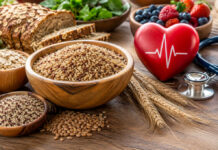
- Whole grains such as oats, brown rice, and quinoa
- Lean proteins like chicken, fish, beans, and lentils
- Nuts and seeds
- Low-fat or unsweetened dairy products
- Healthy fats from foods such as avocados and olive oil
Foods often limited include sugary beverages, highly processed snack foods, refined grains, and packaged meals with long ingredient lists.
Benefits of Clean Eating
Following a clean eating pattern can provide several health benefits when practiced in a balanced way. Whole foods naturally contain vitamins, minerals, fiber, antioxidants, and other nutrients that support the body’s daily functions.
Potential benefits include:
- Better heart health through increased intake of fiber and healthy fats
- Improved digestion due to higher fiber consumption
- More stable energy levels by reducing added sugars
- Easier weight management through filling, nutrient-dense foods
- Lower risk of chronic diseases such as type 2 diabetes and cardiovascular disease
Preparing meals at home more often also gives people greater control over ingredients, portion sizes, and cooking methods.
Common Misconceptions
One of the biggest misconceptions about clean eating is that processed foods are always unhealthy. In reality, some processing is beneficial and even necessary. Frozen vegetables, canned beans with no added salt, plain yogurt, and whole-grain bread are processed foods that can still be nutritious.
Another misconception is that foods are either “clean” or “dirty.” Nutrition experts discourage labeling foods this way because it can create guilt or anxiety around eating. Healthy eating is about overall dietary patterns rather than striving for perfection.
Tips for Eating Cleaner
If you’re interested in eating cleaner, small changes are often more sustainable than dramatic restrictions. Consider these practical steps:
- Fill half your plate with fruits and vegetables.
- Choose whole grains instead of refined grains whenever possible.
- Cook more meals at home using fresh ingredients.
- Read nutrition labels and ingredient lists.
- Drink water instead of sugary beverages.
- Include a variety of protein sources, including plant-based options.
- Allow occasional treats without guilt to maintain a balanced lifestyle.
The Bottom Line
Clean eating is best understood as a flexible approach that prioritizes whole, nutrient-rich foods rather than a rigid set of dietary rules. While there is no universal definition, the common goal is to improve nutrition by choosing foods that are minimally processed and rich in essential nutrients. The healthiest eating pattern is one that is balanced, varied, enjoyable, and sustainable over the long term. Instead of chasing perfection, focus on making consistent, informed food choices that support your overall health and well-being.
Sources:
- Mayo Clinic Health System – Clean Eating: What Does That Mean?
https://www.mayoclinichealthsystem.org/hometown-health/speaking-of-health/clean-eating-what-does-that-mean - Harvard T.H. Chan School of Public Health – The Nutrition Source: Clean Eating
https://nutritionsource.hsph.harvard.edu/clean-eating/ - Harvard Health Publishing – Clean Eating: The Good and the Bad
https://www.health.harvard.edu/healthy-aging-and-longevity/clean-eating-the-good-and-the-bad - World Health Organization – Healthy Diet
https://www.who.int/news-room/fact-sheets/detail/healthy-diet - Health.com – What Does It Mean to Eat Clean?
https://www.health.com/clean-eating-11718615
Disclaimer
The watching, interacting, and participation of any kind with anything on this page does not constitute or initiate a doctor-patient relationship with Dr. Farrah™. None of the statements here have been evaluated by the Food and Drug Administration (FDA). The products of Dr. Farrah™ are not intended to diagnose, treat, cure, or prevent any disease. The information being provided should only be considered for education and entertainment purposes only. If you feel that anything you see or hear may be of value to you on this page or on any other medium of any kind associated with, showing, or quoting anything relating to Dr. Farrah™ in any way at any time, you are encouraged to and agree to consult with a licensed healthcare professional in your area to discuss it. If you feel that you’re having a healthcare emergency, seek medical attention immediately. The views expressed here are simply either the views and opinions of Dr. Farrah™ or others appearing and are protected under the first amendment.
Dr. Farrah™ is a highly experienced Licensed Medical Doctor certified in evidence-based clinical nutrition, not some enthusiast, formulator, or medium promoting the wild and unrestrained use of nutrition products for health issues without clinical experience and scientific evidence of therapeutic benefit. Dr. Farrah™ has personally and keenly studied everything she recommends, and more importantly, she’s closely observed the reactions and results in a clinical setting countless times over the course of her career involving the treatment of over 150,000 patients.
Dr. Farrah™ promotes evidence-based natural approaches to health, which means integrating her individual scientific and clinical expertise with the best available external clinical evidence from systematic research. By individual clinical expertise, I refer to the proficiency and judgment that individual clinicians acquire through clinical experience and clinical practice.
Dr. Farrah™ does not make any representation or warranties with respect to the accuracy, applicability, fitness, or completeness of any multimedia content provided. Dr. Farrah™ does not warrant the performance, effectiveness, or applicability of any sites listed, linked, or referenced to, in, or by any multimedia content.
To be clear, the multimedia content is not intended to be a substitute for professional medical advice, diagnosis, or treatment. Always seek the advice of your physician or other qualified health providers with any questions you may have regarding a medical condition. Never disregard professional medical advice or delay in seeking it because of something you have read or seen in any website, video, image, or media of any kind. Dr. Farrah™ hereby disclaims any and all liability to any party for any direct, indirect, implied, punitive, special, incidental, or other consequential damages arising directly or indirectly from any use of the content, which is provided as is, and without warranties.