
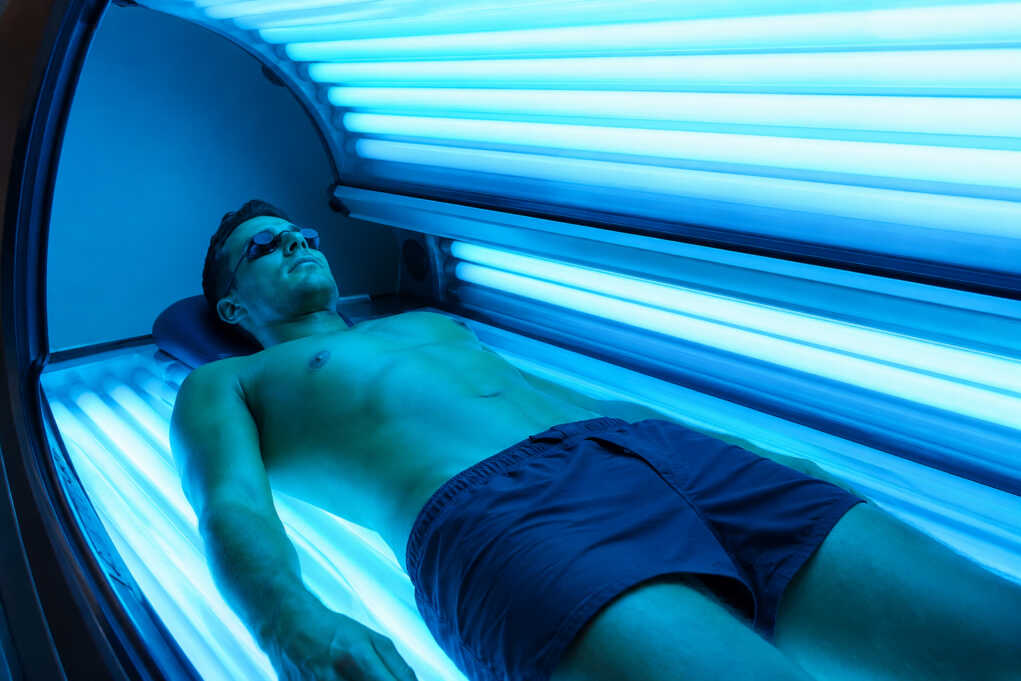
For many people, a bronzed complexion has long been associated with beauty, health, and confidence. Indoor tanning salons often market tanning beds as a convenient way to achieve a year-round glow without spending hours in the sun. Unfortunately, this cosmetic appeal comes with serious health risks that are often overlooked. Scientific research has consistently shown that tanning beds expose the skin to harmful ultraviolet (UV) radiation, increasing the likelihood of skin damage and several forms of skin cancer.
Despite widespread public health campaigns, millions of people continue to use tanning beds every year, particularly teenagers and young adults. Many users mistakenly believe that indoor tanning is safer than natural sunlight or that getting a “base tan” can protect against sunburn. In reality, experts agree that there is no such thing as a safe tan produced by UV radiation. Understanding the dangers of tanning beds can help individuals make healthier choices and protect their skin for years to come.
What Are Tanning Beds?
Tanning beds are devices that emit ultraviolet (UV) radiation to darken the skin artificially. Most tanning beds produce primarily UVA rays, which penetrate deep into the skin and contribute to premature aging, while also emitting varying amounts of UVB rays that can cause sunburn. Both types of UV radiation damage the DNA in skin cells, increasing the risk of developing skin cancer over time.
Unlike natural sunlight, tanning beds deliver concentrated UV exposure in a controlled environment, often allowing users to receive intense doses in a relatively short period. Repeated exposure causes cumulative damage that cannot be reversed.
Increased Risk of Skin Cancer
The most serious danger associated with tanning beds is the increased risk of skin cancer. Exposure to artificial UV radiation has been linked to melanoma, the deadliest form of skin cancer, as well as basal cell carcinoma and squamous cell carcinoma.
The risk becomes even greater when indoor tanning begins at a young age. Young people who frequently use tanning beds accumulate UV damage earlier in life, giving harmful mutations more time to develop into cancer. Because skin cancer can take years to appear, many users may not recognize the long-term consequences until much later.
Premature Skin Aging
Even if skin cancer never develops, tanning beds accelerate the aging process of the skin. UV radiation breaks down collagen and elastin, the fibers responsible for keeping skin firm and youthful.
Common signs of premature aging caused by indoor tanning include:
- Fine lines and wrinkles
- Leather-like skin texture
- Dark spots and uneven pigmentation
- Loss of skin elasticity
- Enlarged pores
These cosmetic changes often appear years earlier than they would through natural aging alone.
Eye Damage
The eyes are also vulnerable to UV radiation. Without proper protective goggles, tanning bed users may suffer temporary irritation, burns to the cornea, or long-term damage that increases the risk of cataracts and other eye conditions. Wearing protective eyewear reduces risk but does not eliminate the overall health dangers associated with indoor tanning.
Weakened Immune Response
Research suggests that excessive UV exposure can suppress certain immune system functions. When the skin’s immune defenses are weakened, the body’s ability to detect and repair damaged cells decreases, allowing abnormal cells to survive and potentially develop into cancer.
The Myth of the “Healthy Tan”
One of the biggest misconceptions about tanning beds is that a tan represents healthy skin. In reality, a tan is the skin’s response to injury. When UV rays damage skin cells, the body produces more melanin in an attempt to protect deeper layers from additional harm. The darkened appearance is evidence of DNA damage—not improved health.
Likewise, obtaining a “base tan” before a vacation provides minimal protection against sunburn and should never replace sunscreen or other sun safety measures.
Safer Alternatives
People who enjoy the appearance of tanned skin have several safer options that do not involve harmful UV exposure, including:
- Sunless self-tanning lotions
- Spray tans
- Bronzing creams
- Cosmetic body makeup
These products create the appearance of a tan without damaging skin cells or increasing cancer risk.
Protecting Your Skin
Healthy skin habits can significantly reduce the risk of skin damage and skin cancer. Dermatologists recommend:
- Avoiding tanning beds entirely.
- Using broad-spectrum sunscreen with SPF 30 or higher.
- Wearing protective clothing, hats, and sunglasses outdoors.
- Seeking shade during peak sunlight hours.
- Performing regular skin self-exams and scheduling professional skin examinations if unusual moles or changes appear.
Conclusion
The temporary cosmetic benefits of tanning beds are far outweighed by their long-term health risks. Indoor tanning exposes the skin to concentrated ultraviolet radiation that damages DNA, accelerates aging, harms the eyes, weakens the skin’s natural defenses, and significantly increases the risk of developing skin cancer. While a tan may fade within weeks, the damage caused by UV exposure can last a lifetime. Choosing sunless tanning alternatives and practicing proper sun protection are safer ways to maintain healthy, beautiful skin while reducing preventable health risks.
Sources:
- Centers for Disease Control and Prevention (CDC) – Skin Cancer Basics
https://www.cdc.gov/skin-cancer/about/ - Mayo Clinic – Tanning Bed Dangers
https://newsnetwork.mayoclinic.org/discussion/mayo-clinic-minute-tanning-bed-dangers/ - American Academy of Dermatology – Indoor Tanning
https://www.aad.org/public/diseases/skin-cancer/surprising-facts-about-indoor-tanning - Skin Cancer Foundation – Indoor Tanning
https://www.skincancer.org/risk-factors/tanning/ - World Health Organization (WHO) – Ultraviolet Radiation and Health
https://www.who.int/news-room/questions-and-answers/item/radiation-ultraviolet-(uv)
Disclaimer
The watching, interacting, and participation of any kind with anything on this page does not constitute or initiate a doctor-patient relationship with Dr. Farrah™. None of the statements here have been evaluated by the Food and Drug Administration (FDA). The products of Dr. Farrah™ are not intended to diagnose, treat, cure, or prevent any disease. The information being provided should only be considered for education and entertainment purposes only. If you feel that anything you see or hear may be of value to you on this page or on any other medium of any kind associated with, showing, or quoting anything relating to Dr. Farrah™ in any way at any time, you are encouraged to and agree to consult with a licensed healthcare professional in your area to discuss it. If you feel that you’re having a healthcare emergency, seek medical attention immediately. The views expressed here are simply either the views and opinions of Dr. Farrah™ or others appearing and are protected under the first amendment.
Dr. Farrah™ is a highly experienced Licensed Medical Doctor certified in evidence-based clinical nutrition, not some enthusiast, formulator, or medium promoting the wild and unrestrained use of nutrition products for health issues without clinical experience and scientific evidence of therapeutic benefit. Dr. Farrah™ has personally and keenly studied everything she recommends, and more importantly, she’s closely observed the reactions and results in a clinical setting countless times over the course of her career involving the treatment of over 150,000 patients.
Dr. Farrah™ promotes evidence-based natural approaches to health, which means integrating her individual scientific and clinical expertise with the best available external clinical evidence from systematic research. By individual clinical expertise, I refer to the proficiency and judgment that individual clinicians acquire through clinical experience and clinical practice.
Dr. Farrah™ does not make any representation or warranties with respect to the accuracy, applicability, fitness, or completeness of any multimedia content provided. Dr. Farrah™ does not warrant the performance, effectiveness, or applicability of any sites listed, linked, or referenced to, in, or by any multimedia content.
To be clear, the multimedia content is not intended to be a substitute for professional medical advice, diagnosis, or treatment. Always seek the advice of your physician or other qualified health providers with any questions you may have regarding a medical condition. Never disregard professional medical advice or delay in seeking it because of something you have read or seen in any website, video, image, or media of any kind. Dr. Farrah™ hereby disclaims any and all liability to any party for any direct, indirect, implied, punitive, special, incidental, or other consequential damages arising directly or indirectly from any use of the content, which is provided as is, and without warranties.