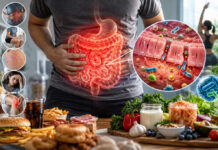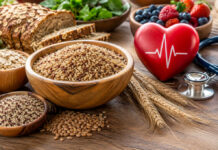
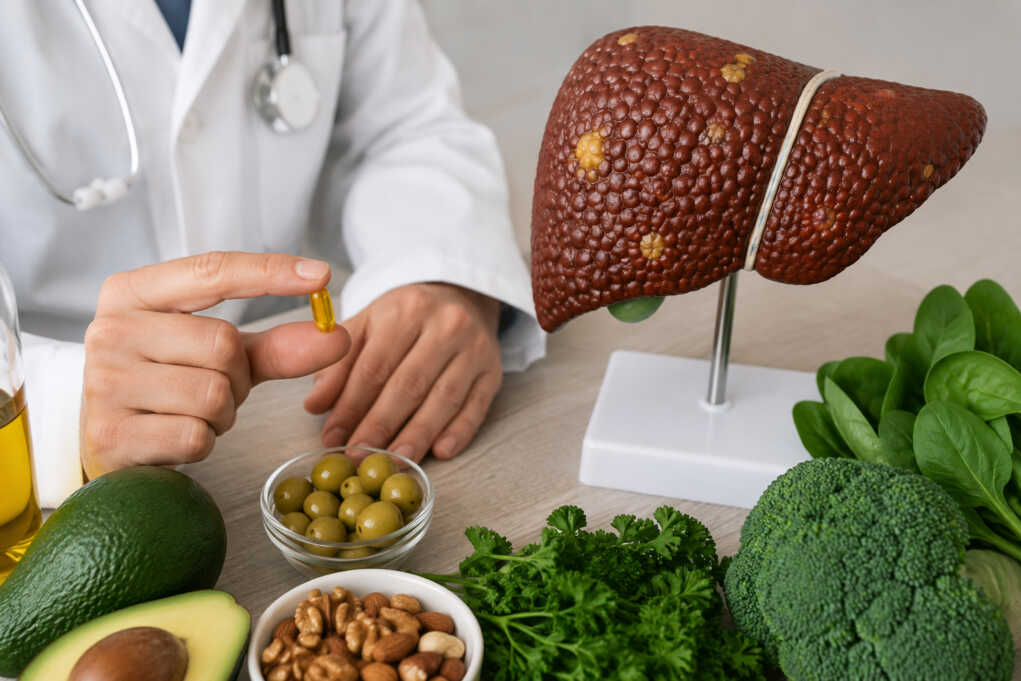
Fatty liver disease has become one of the fastest-growing chronic liver conditions worldwide, affecting millions of adults. Often linked to obesity, type 2 diabetes, and metabolic syndrome, the condition can silently progress for years before causing serious complications such as liver fibrosis, cirrhosis, cardiovascular disease, and even liver failure. While weight management, regular exercise, and healthy eating remain the cornerstones of treatment, researchers continue to explore how specific nutrients may improve long-term outcomes.
One nutrient gaining increased scientific attention is vitamin K. Traditionally recognized for its essential role in blood clotting and bone health, vitamin K is now being studied for its effects on inflammation, metabolic health, and liver function. Recent research suggests that higher dietary intake of vitamin K may be associated with a lower risk of death among people living with non-alcoholic fatty liver disease (NAFLD), now commonly referred to as metabolic dysfunction-associated steatotic liver disease (MASLD). Although these findings do not prove that vitamin K alone prevents death, they highlight the importance of a nutrient-rich diet as part of overall liver health.
New Research Shows a Promising Association
A 2025 study published in Scientific Reports analyzed health data from 7,857 adults with fatty liver disease who participated in the National Health and Nutrition Examination Survey (NHANES). Researchers followed participants for up to 15 years to determine whether dietary vitamin K intake influenced overall mortality.
The findings revealed that individuals with higher vitamin K intake experienced a significantly lower risk of death from all causes compared to those with lower intake. Researchers observed the greatest benefit among participants consuming moderate amounts of vitamin K—approximately 121 micrograms per day. Interestingly, the relationship appeared to level off beyond this amount, suggesting that more is not necessarily better.
Why Vitamin K May Benefit the Liver
Scientists believe vitamin K may support liver health through several biological mechanisms. The vitamin possesses anti-inflammatory properties that may help reduce the chronic inflammation commonly seen in fatty liver disease. It also plays a role in regulating oxidative stress, a process that can damage liver cells over time.
Additionally, vitamin K contributes to healthy metabolism and may help regulate calcium deposition in tissues, reducing abnormal calcification that can affect cardiovascular health. Since cardiovascular disease is one of the leading causes of death among people with fatty liver disease, improving overall metabolic health could partly explain the observed reduction in mortality risk. However, researchers emphasize that additional clinical trials are needed to determine whether vitamin K directly improves survival.
Best Food Sources of Vitamin K
Most people can increase their vitamin K intake naturally through food rather than supplements. Excellent dietary sources include:
- Kale
- Spinach
- Collard greens
- Swiss chard
- Broccoli
- Brussels sprouts
- Cabbage
- Green lettuce
- Parsley
- Soybean and canola oils
Fermented foods such as natto contain vitamin K2, another form of the vitamin that continues to be studied for potential cardiovascular and bone health benefits.
Should You Take a Vitamin K Supplement?
Although the research is encouraging, experts do not recommend taking vitamin K supplements solely to reduce the risk of death from fatty liver disease. The study examined vitamin K obtained through the diet rather than supplements, and observational studies cannot prove cause and effect.
People taking blood-thinning medications such as warfarin should never start vitamin K supplements without consulting their healthcare provider because sudden changes in vitamin K intake can interfere with the medication’s effectiveness.
Supporting Liver Health Beyond Vitamin K
Vitamin K should be viewed as one piece of a comprehensive strategy for managing fatty liver disease. Current medical recommendations continue to emphasize:
- Maintaining a healthy body weight
- Following a Mediterranean-style eating pattern
- Exercising regularly
- Limiting added sugars and ultra-processed foods
- Managing diabetes, cholesterol, and high blood pressure
- Avoiding excessive alcohol consumption
Together, these lifestyle measures remain the most effective approach for slowing disease progression and reducing the risk of serious complications.
Final Thoughts
The growing body of research linking dietary vitamin K to lower mortality in people with fatty liver disease offers another reminder that nutrition plays a powerful role in long-term health. While more studies are needed to confirm whether vitamin K directly improves survival, consuming vitamin K-rich foods as part of a balanced diet may support liver function and overall well-being. Rather than relying on supplements, focusing on whole, nutrient-dense foods remains the safest and most evidence-based strategy for protecting liver health.
Sources:
- Scientific Reports – Dietary Vitamin K Intake Associates with Reduced All-Cause Mortality in Non-Alcoholic Fatty Liver Disease Patients: Scientific Reports article
- PubMed – Study Abstract: PubMed study page
- National Institutes of Health (NIH): NIH Health Information
- Healthline – Vitamin K: Everything You May Need to Know: Healthline Vitamin K Guide
- Medical News Today – Health Benefits and Sources of Vitamin K: Medical News Today Vitamin K Guide
Disclaimer
The watching, interacting, and participation of any kind with anything on this page does not constitute or initiate a doctor-patient relationship with Dr. Farrah™. None of the statements here have been evaluated by the Food and Drug Administration (FDA). The products of Dr. Farrah™ are not intended to diagnose, treat, cure, or prevent any disease. The information being provided should only be considered for education and entertainment purposes only. If you feel that anything you see or hear may be of value to you on this page or on any other medium of any kind associated with, showing, or quoting anything relating to Dr. Farrah™ in any way at any time, you are encouraged to and agree to consult with a licensed healthcare professional in your area to discuss it. If you feel that you’re having a healthcare emergency, seek medical attention immediately. The views expressed here are simply either the views and opinions of Dr. Farrah™ or others appearing and are protected under the first amendment.
Dr. Farrah™ is a highly experienced Licensed Medical Doctor certified in evidence-based clinical nutrition, not some enthusiast, formulator, or medium promoting the wild and unrestrained use of nutrition products for health issues without clinical experience and scientific evidence of therapeutic benefit. Dr. Farrah™ has personally and keenly studied everything she recommends, and more importantly, she’s closely observed the reactions and results in a clinical setting countless times over the course of her career involving the treatment of over 150,000 patients.
Dr. Farrah™ promotes evidence-based natural approaches to health, which means integrating her individual scientific and clinical expertise with the best available external clinical evidence from systematic research. By individual clinical expertise, I refer to the proficiency and judgment that individual clinicians acquire through clinical experience and clinical practice.
Dr. Farrah™ does not make any representation or warranties with respect to the accuracy, applicability, fitness, or completeness of any multimedia content provided. Dr. Farrah™ does not warrant the performance, effectiveness, or applicability of any sites listed, linked, or referenced to, in, or by any multimedia content.
To be clear, the multimedia content is not intended to be a substitute for professional medical advice, diagnosis, or treatment. Always seek the advice of your physician or other qualified health providers with any questions you may have regarding a medical condition. Never disregard professional medical advice or delay in seeking it because of something you have read or seen in any website, video, image, or media of any kind. Dr. Farrah™ hereby disclaims any and all liability to any party for any direct, indirect, implied, punitive, special, incidental, or other consequential damages arising directly or indirectly from any use of the content, which is provided as is, and without warranties.