Heart disease remains one of the leading causes of death worldwide, making everyday dietary choices more important than ever. While there is no single “superfood” that can eliminate the risk of cardiovascular disease, researchers continue to discover foods that may support long-term heart health when included as part of a balanced eating pattern. Among these nutrient-rich foods, avocados have consistently attracted attention for their impressive nutritional profile and potential cardiovascular benefits.
A growing body of scientific research suggests that regularly eating avocados may help improve cholesterol levels, reduce inflammation, and support overall heart function. One notable study found that incorporating an avocado into a heart-healthy diet can positively affect cholesterol levels, while other long-term research has linked regular avocado consumption with a lower risk of cardiovascular disease. Although avocados are not a cure for heart disease, experts agree they can be a valuable addition to an overall healthy lifestyle.
What the Research Shows
Several studies have explored the relationship between avocado consumption and cardiovascular health. In one controlled feeding study, researchers found that participants who ate one avocado daily as part of a moderate-fat, heart-healthy diet experienced greater reductions in LDL (“bad”) cholesterol compared to participants following similar diets without avocado. The researchers believe the combination of monounsaturated fats, dietary fiber, and beneficial plant compounds contributed to these improvements.
Another large observational study followed more than 110,000 adults for approximately 30 years. Researchers discovered that people who consumed at least two servings of avocado each week had a lower risk of developing cardiovascular disease and coronary heart disease compared with those who rarely ate avocados. Replacing foods rich in saturated fat—such as butter, cheese, and processed meats—with avocado was also associated with better heart health outcomes.
Why Avocados Are Good for the Heart
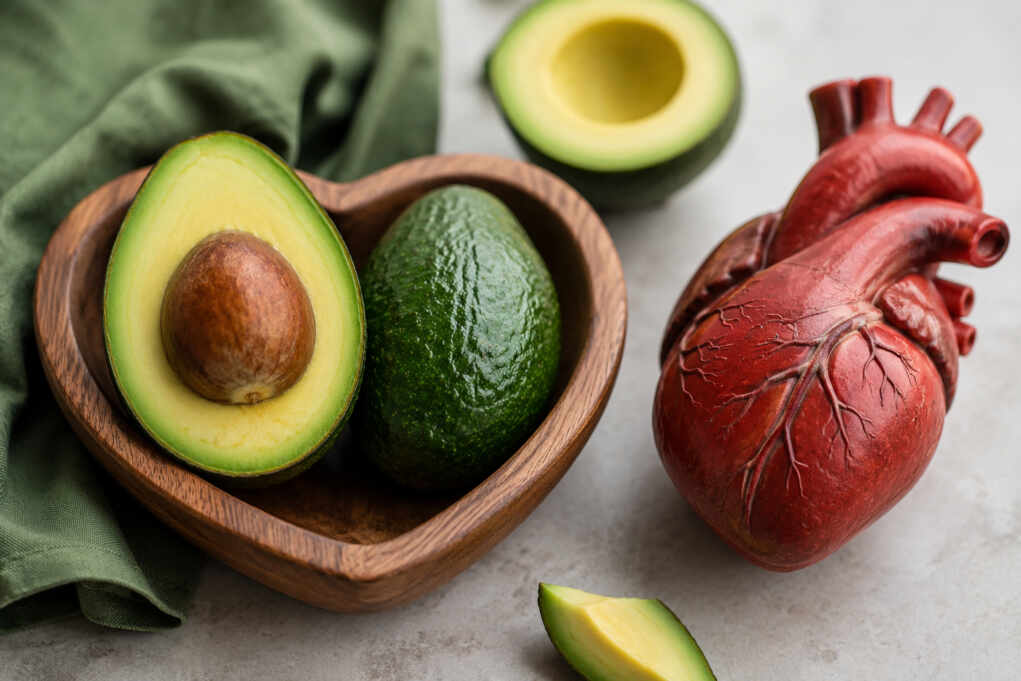
Avocados are packed with nutrients that support cardiovascular wellness. They are especially rich in monounsaturated fats, the same heart-friendly fats found in olive oil. These healthy fats may help reduce LDL cholesterol while supporting healthy HDL (“good”) cholesterol levels.
In addition to healthy fats, avocados provide:
- Dietary fiber that supports cholesterol management.
- Potassium, which helps regulate blood pressure.
- Folate and vitamin K for cardiovascular and overall health.
- Antioxidants such as lutein that help combat oxidative stress.
This unique nutritional combination makes avocados an excellent alternative to foods high in saturated fat.
Healthy Ways to Add Avocados to Your Diet
Adding avocados to meals is both simple and versatile. Consider these heart-friendly ideas:
- Spread mashed avocado on whole-grain toast instead of butter.
- Add sliced avocado to salads for healthy fats and extra fiber.
- Blend avocado into smoothies for a creamy texture.
- Use avocado as a substitute for mayonnaise in sandwiches.
- Top grilled chicken, fish, or tacos with fresh avocado slices.
The key is moderation. Although avocados are nutrient-dense, they are also relatively high in calories, so portion size should fit within your overall dietary needs.
A Heart-Healthy Lifestyle Still Matters
Health experts emphasize that no single food can prevent heart disease on its own. Eating avocados should be part of a broader heart-healthy lifestyle that includes consuming plenty of fruits and vegetables, whole grains, lean proteins, nuts, legumes, and healthy oils while limiting processed foods, excess sodium, and saturated fats. Regular physical activity, avoiding tobacco, managing stress, and maintaining a healthy weight are equally important for reducing cardiovascular risk.
The Bottom Line
Current research suggests that including avocados in a balanced diet may contribute to better heart health by improving cholesterol levels and lowering the risk of cardiovascular disease. While an avocado a day is not a guaranteed prescription for preventing heart disease, replacing less healthy fats with nutrient-rich foods like avocados is a smart dietary strategy supported by scientific evidence. Combined with other healthy lifestyle habits, this creamy fruit can be a delicious and beneficial addition to your daily routine.
Sources:
- American Heart Association – https://www.heart.org/en/news/2019/10/25/an-avocado-a-day-may-help-keep-bad-cholesterol-at-bay
- Harvard Health Publishing – https://www.health.harvard.edu/blog/enjoy-avocados-eating-one-a-week-may-lower-heart-disease-risk-202204112725
- National Heart, Lung, and Blood Institute (NIH) – https://www.nhlbi.nih.gov/news/2022/avocados-can-support-heart-healthy-diet
- Mayo Clinic – https://www.mayoclinic.org/diseases-conditions/heart-disease/in-depth/heart-disease-prevention/art-20046502
- PubMed (Journal of the American Heart Association Study) – https://pubmed.ncbi.nlm.nih.gov/35352568/
Disclaimer
The watching, interacting, and participation of any kind with anything on this page does not constitute or initiate a doctor-patient relationship with Dr. Farrah™. None of the statements here have been evaluated by the Food and Drug Administration (FDA). The products of Dr. Farrah™ are not intended to diagnose, treat, cure, or prevent any disease. The information being provided should only be considered for education and entertainment purposes only. If you feel that anything you see or hear may be of value to you on this page or on any other medium of any kind associated with, showing, or quoting anything relating to Dr. Farrah™ in any way at any time, you are encouraged to and agree to consult with a licensed healthcare professional in your area to discuss it. If you feel that you’re having a healthcare emergency, seek medical attention immediately. The views expressed here are simply either the views and opinions of Dr. Farrah™ or others appearing and are protected under the first amendment.
Dr. Farrah™ is a highly experienced Licensed Medical Doctor certified in evidence-based clinical nutrition, not some enthusiast, formulator, or medium promoting the wild and unrestrained use of nutrition products for health issues without clinical experience and scientific evidence of therapeutic benefit. Dr. Farrah™ has personally and keenly studied everything she recommends, and more importantly, she’s closely observed the reactions and results in a clinical setting countless times over the course of her career involving the treatment of over 150,000 patients.
Dr. Farrah™ promotes evidence-based natural approaches to health, which means integrating her individual scientific and clinical expertise with the best available external clinical evidence from systematic research. By individual clinical expertise, I refer to the proficiency and judgment that individual clinicians acquire through clinical experience and clinical practice.
Dr. Farrah™ does not make any representation or warranties with respect to the accuracy, applicability, fitness, or completeness of any multimedia content provided. Dr. Farrah™ does not warrant the performance, effectiveness, or applicability of any sites listed, linked, or referenced to, in, or by any multimedia content.
To be clear, the multimedia content is not intended to be a substitute for professional medical advice, diagnosis, or treatment. Always seek the advice of your physician or other qualified health providers with any questions you may have regarding a medical condition. Never disregard professional medical advice or delay in seeking it because of something you have read or seen in any website, video, image, or media of any kind. Dr. Farrah™ hereby disclaims any and all liability to any party for any direct, indirect, implied, punitive, special, incidental, or other consequential damages arising directly or indirectly from any use of the content, which is provided as is, and without warranties.