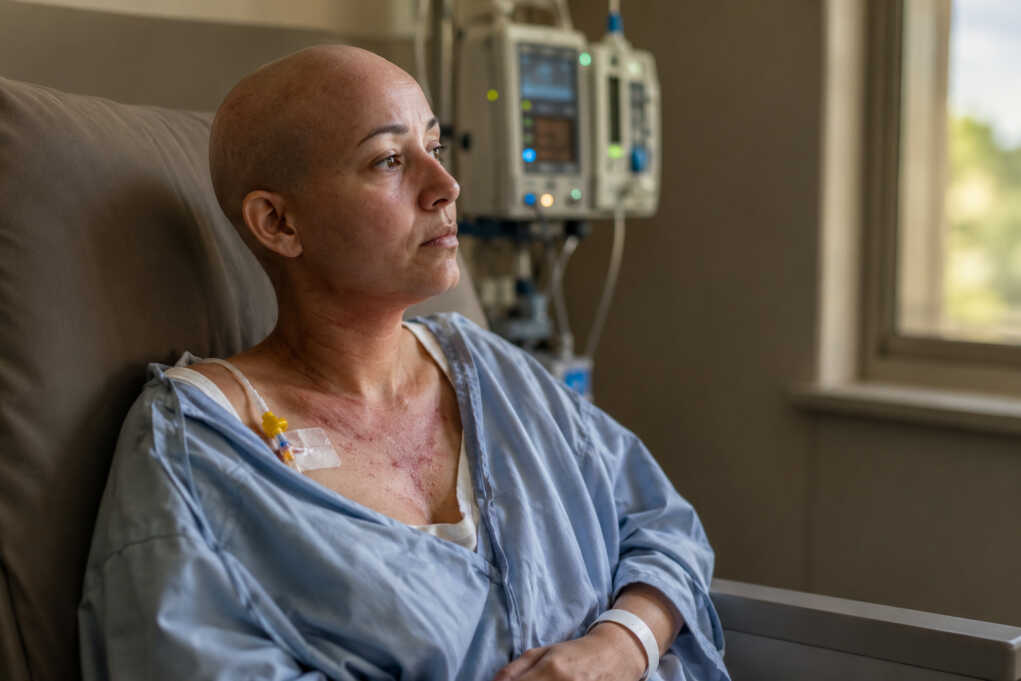
Cancer treatment is often described as a battle, and the therapies used to fight it can be physically and emotionally demanding. Chemotherapy and radiation therapy are among the most widely used cancer treatments, saving millions of lives over the past several decades. At the same time, these therapies are powerful enough to affect healthy tissues alongside cancer cells, leading many patients to wonder about their long-term consequences.
Questions have also emerged about whether cancer treatments themselves can influence how tumors behave. Scientific research has found that, while chemotherapy and radiation can occasionally contribute to treatment resistance, genetic changes, or rare secondary cancers, these outcomes are uncommon compared with the proven benefits of treatment. Understanding what researchers have discovered—and what remains under investigation—can help patients make informed decisions in consultation with their healthcare teams.
How Chemotherapy and Radiation Work
Chemotherapy uses medications that interfere with rapidly dividing cells, while radiation therapy damages the DNA of cancer cells using high-energy radiation. Both treatments aim to destroy cancer cells or stop them from multiplying. Because healthy cells in tissues such as the bone marrow, digestive tract, and hair follicles also divide rapidly, temporary side effects are common.
The effectiveness of these treatments depends on factors including the type of cancer, its stage, and the patient’s overall health. In many cases, chemotherapy or radiation is combined with surgery, immunotherapy, hormone therapy, or targeted therapy to improve outcomes.
Can Cancer Become Resistant to Treatment?
One of the greatest challenges in oncology is treatment resistance. Some cancer cells may survive initial therapy because they possess genetic traits that make them less susceptible to treatment. Over time, these resistant cells can multiply, making the disease more difficult to treat.
Treatment resistance does not mean that chemotherapy or radiation “causes” cancer to become more aggressive in general. Rather, cancer itself is genetically diverse, and treatment may eliminate sensitive cells while resistant cells remain. Researchers continue to study ways to predict and overcome resistance through personalized medicine and combination therapies.
Treatment-Related Secondary Cancers
One well-documented but uncommon risk is the development of a second cancer years after chemotherapy or radiation therapy. Certain chemotherapy drugs and high-dose radiation have been associated with an increased risk of cancers such as leukemia or myelodysplastic syndromes.
These risks are carefully weighed against the immediate danger posed by the original cancer. For many patients, the chance of curing or controlling the primary cancer greatly outweighs the relatively small risk of developing a treatment-related cancer years later.
Side Effects Versus Long-Term Benefits
Cancer treatments can produce fatigue, nausea, lowered immunity, nerve damage, skin changes, fertility issues, and other side effects. Advances in supportive care have significantly improved the management of these complications, allowing many patients to complete treatment more comfortably than in previous decades.
Importantly, large clinical trials have consistently shown that chemotherapy and radiation improve survival for many cancers, including breast cancer, lymphoma, colorectal cancer, childhood leukemia, and numerous others. Treatment decisions are based on evidence that balances expected benefits with potential risks for each individual patient.
Ongoing Research
Scientists continue to investigate how cancer therapies influence the tumor environment, immune system, and cancer cell biology. Newer approaches—including targeted therapies, immunotherapies, proton therapy, and precision radiation techniques—aim to maximize effectiveness while reducing damage to healthy tissues.
Researchers are also studying biomarkers that can identify patients most likely to benefit from specific treatments, helping to reduce unnecessary exposure and improve personalized care.
Conclusion
Chemotherapy and radiation therapy are not without risks, and patients should have open discussions with their oncology teams about potential side effects and long-term outcomes. Scientific evidence shows that these treatments can occasionally lead to treatment resistance or rare secondary cancers, but the broader evidence demonstrates that they remain among the most effective tools for treating many forms of cancer. As research advances, cancer care continues to become more precise, with the goal of improving survival while minimizing harm.
Sources:
- National Cancer Institute – Chemotherapy: https://www.cancer.gov/about-cancer/treatment/types/chemotherapy
- National Cancer Institute – Radiation Therapy: https://www.cancer.gov/about-cancer/treatment/types/radiation-therapy
- American Cancer Society – How Chemotherapy Works: https://www.cancer.org/cancer/managing-cancer/treatment-types/chemotherapy.html
- Mayo Clinic – Cancer Treatment Overview: https://www.mayoclinic.org/diseases-conditions/cancer/in-depth/cancer-treatment/art-20047246
- MD Anderson Cancer Center – Understanding Chemotherapy Side Effects and Treatment: https://www.mdanderson.org/cancerwise.html
Disclaimer
The watching, interacting, and participation of any kind with anything on this page does not constitute or initiate a doctor-patient relationship with Dr. Farrah™. None of the statements here have been evaluated by the Food and Drug Administration (FDA). The products of Dr. Farrah™ are not intended to diagnose, treat, cure, or prevent any disease. The information being provided should only be considered for education and entertainment purposes only. If you feel that anything you see or hear may be of value to you on this page or on any other medium of any kind associated with, showing, or quoting anything relating to Dr. Farrah™ in any way at any time, you are encouraged to and agree to consult with a licensed healthcare professional in your area to discuss it. If you feel that you’re having a healthcare emergency, seek medical attention immediately. The views expressed here are simply either the views and opinions of Dr. Farrah™ or others appearing and are protected under the first amendment.
Dr. Farrah™ is a highly experienced Licensed Medical Doctor certified in evidence-based clinical nutrition, not some enthusiast, formulator, or medium promoting the wild and unrestrained use of nutrition products for health issues without clinical experience and scientific evidence of therapeutic benefit. Dr. Farrah™ has personally and keenly studied everything she recommends, and more importantly, she’s closely observed the reactions and results in a clinical setting countless times over the course of her career involving the treatment of over 150,000 patients.
Dr. Farrah™ promotes evidence-based natural approaches to health, which means integrating her individual scientific and clinical expertise with the best available external clinical evidence from systematic research. By individual clinical expertise, I refer to the proficiency and judgment that individual clinicians acquire through clinical experience and clinical practice.
Dr. Farrah™ does not make any representation or warranties with respect to the accuracy, applicability, fitness, or completeness of any multimedia content provided. Dr. Farrah™ does not warrant the performance, effectiveness, or applicability of any sites listed, linked, or referenced to, in, or by any multimedia content.
To be clear, the multimedia content is not intended to be a substitute for professional medical advice, diagnosis, or treatment. Always seek the advice of your physician or other qualified health providers with any questions you may have regarding a medical condition. Never disregard professional medical advice or delay in seeking it because of something you have read or seen in any website, video, image, or media of any kind. Dr. Farrah™ hereby disclaims any and all liability to any party for any direct, indirect, implied, punitive, special, incidental, or other consequential damages arising directly or indirectly from any use of the content, which is provided as is, and without warranties.