
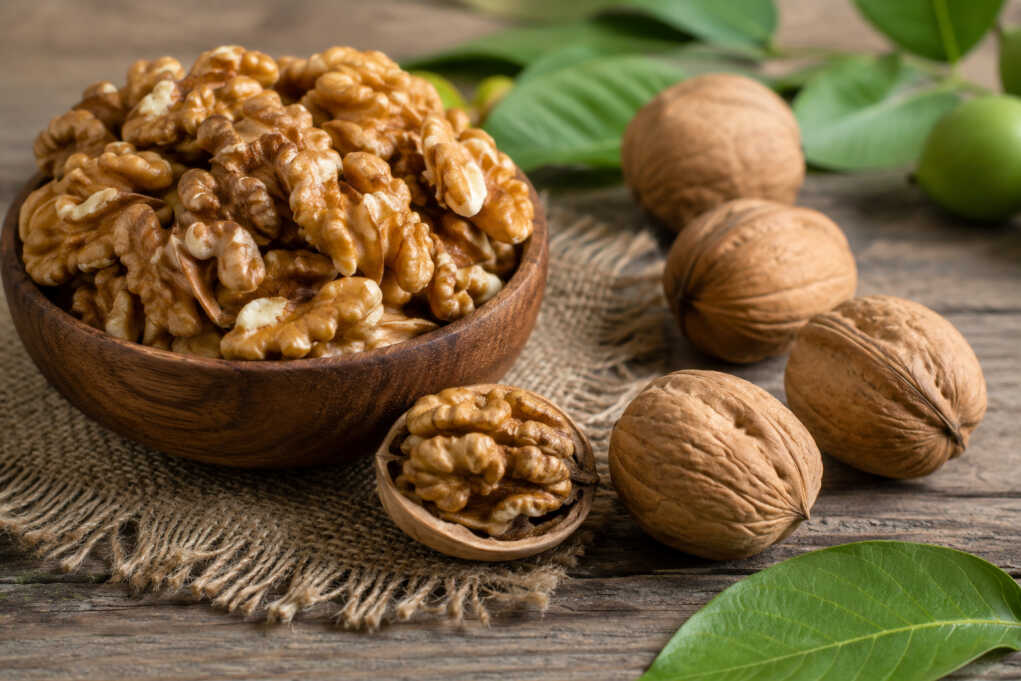
Walnuts are among the most nutrient-dense tree nuts, offering a unique combination of healthy fats, plant-based protein, fiber, vitamins, minerals, and beneficial plant compounds. They have been enjoyed for centuries as a versatile food that can be eaten on its own or added to salads, oatmeal, baked goods, and savory dishes. Beyond their rich, earthy flavor, walnuts have attracted significant scientific interest because of their potential role in supporting overall health.
As part of a balanced diet, walnuts may contribute to heart health, brain function, digestive wellness, and healthy aging. While no single food can prevent disease or replace a nutritious eating pattern, research suggests that regularly eating walnuts in moderation may provide several health benefits. Understanding what makes walnuts so nutritious can help you decide whether they deserve a place in your everyday meals.
Nutritional Profile of Walnuts
Walnuts are an excellent source of nutrients that support many functions in the body. A one-ounce (about 28 grams) serving typically provides:
- Healthy polyunsaturated fats, including omega-3 alpha-linolenic acid (ALA)
- Plant-based protein
- Dietary fiber
- Magnesium
- Copper
- Manganese
- Phosphorus
- Vitamin B6
- Folate
- Vitamin E (primarily as gamma-tocopherol)
- Polyphenols and other antioxidants
Their combination of healthy fats and antioxidants makes walnuts unique among commonly consumed nuts.
Potential Health Benefits of Walnuts
May Support Heart Health
Walnuts are rich in unsaturated fats, particularly the plant omega-3 fatty acid alpha-linolenic acid (ALA). Research suggests that replacing foods high in saturated fat with walnuts may help support healthy cholesterol levels as part of a heart-healthy eating pattern. Their antioxidant content may also help reduce oxidative stress that contributes to cardiovascular disease.
May Benefit Brain Function
Walnuts contain nutrients that play important roles in brain health, including omega-3 fats, antioxidants, vitamin E compounds, and polyphenols. Although more research is ongoing, studies suggest these nutrients may help support normal cognitive function and healthy brain aging when included as part of an overall nutritious diet.
Rich in Antioxidants
Walnuts contain numerous antioxidants, including polyphenols, melatonin, and vitamin E compounds. These substances help protect cells from damage caused by unstable molecules known as free radicals. Antioxidants are important because oxidative stress has been linked to aging and many chronic diseases.
May Help Reduce Inflammation
Chronic inflammation is associated with several long-term health conditions. Walnuts provide nutrients and plant compounds that may help support the body’s normal inflammatory response when consumed regularly as part of a balanced diet.
Supports Digestive Health
The dietary fiber found in walnuts promotes healthy digestion and helps support regular bowel movements. Fiber also nourishes beneficial gut bacteria, contributing to a healthy gut microbiome, which plays an important role in digestion, immune function, and overall health.
May Assist With Weight Management
Although walnuts are calorie-dense, studies suggest that including moderate portions of nuts in a balanced diet does not necessarily lead to weight gain. Their combination of protein, fiber, and healthy fats can increase feelings of fullness, potentially helping reduce overeating between meals.
May Help Support Blood Sugar Management
Walnuts are naturally low in carbohydrates while providing healthy fats, protein, and fiber. These characteristics may help support stable blood sugar levels when they replace less nutritious snack choices as part of an overall healthy eating plan.
May Contribute to Healthy Aging
The antioxidants and healthy fats in walnuts may help protect cells from age-related damage. Combined with regular physical activity and a nutritious diet, walnuts may support healthy aging and long-term wellness.
Easy Ways to Add Walnuts to Your Diet
Walnuts are versatile and easy to incorporate into meals and snacks. Consider trying them in the following ways:
- Sprinkle chopped walnuts over oatmeal or yogurt.
- Add them to leafy green salads for extra crunch.
- Mix them into homemade trail mix with dried fruit.
- Stir chopped walnuts into whole-grain muffins or breads.
- Blend walnuts into pesto or healthy sauces.
- Top roasted vegetables with toasted walnuts.
- Enjoy a small handful as a satisfying snack.
Things to Keep in Mind
Although walnuts offer many nutritional benefits, they should be eaten in moderation because they are energy-dense. Individuals with tree nut allergies should avoid walnuts and seek guidance from a healthcare professional regarding safe food choices. Choosing unsalted walnuts can also help limit sodium intake.
Conclusion
Walnuts are a nutrient-rich food that provides healthy fats, plant protein, fiber, antioxidants, vitamins, and minerals that support overall health. Research suggests they may promote heart health, brain function, digestive wellness, healthy aging, and better overall nutrition when included as part of a balanced eating pattern. While walnuts are not a cure for disease, regularly enjoying moderate portions alongside a healthy lifestyle may offer meaningful long-term health benefits.
Sources:
- Mayo Clinic – Healthy Nuts and Your Heart
https://www.mayoclinic.org/diseases-conditions/heart-disease/in-depth/nuts/art-20046635 - Harvard T.H. Chan School of Public Health – The Nutrition Source: Walnuts
https://nutritionsource.hsph.harvard.edu/food-features/walnuts/ - Cleveland Clinic – Health Benefits of Walnuts
https://health.clevelandclinic.org/health-benefits-of-walnuts - MedlinePlus – Nuts
https://medlineplus.gov/ency/patientinstructions/000104.htm - American Heart Association – Nuts and Your Heart: Eating Nuts for Heart Health
https://www.heart.org/en/healthy-living/healthy-eating/eat-smart/fats/nuts-and-your-heart
Disclaimer
The watching, interacting, and participation of any kind with anything on this page does not constitute or initiate a doctor-patient relationship with Dr. Farrah™. None of the statements here have been evaluated by the Food and Drug Administration (FDA). The products of Dr. Farrah™ are not intended to diagnose, treat, cure, or prevent any disease. The information being provided should only be considered for education and entertainment purposes only. If you feel that anything you see or hear may be of value to you on this page or on any other medium of any kind associated with, showing, or quoting anything relating to Dr. Farrah™ in any way at any time, you are encouraged to and agree to consult with a licensed healthcare professional in your area to discuss it. If you feel that you’re having a healthcare emergency, seek medical attention immediately. The views expressed here are simply either the views and opinions of Dr. Farrah™ or others appearing and are protected under the first amendment.
Dr. Farrah™ is a highly experienced Licensed Medical Doctor certified in evidence-based clinical nutrition, not some enthusiast, formulator, or medium promoting the wild and unrestrained use of nutrition products for health issues without clinical experience and scientific evidence of therapeutic benefit. Dr. Farrah™ has personally and keenly studied everything she recommends, and more importantly, she’s closely observed the reactions and results in a clinical setting countless times over the course of her career involving the treatment of over 150,000 patients.
Dr. Farrah™ promotes evidence-based natural approaches to health, which means integrating her individual scientific and clinical expertise with the best available external clinical evidence from systematic research. By individual clinical expertise, I refer to the proficiency and judgment that individual clinicians acquire through clinical experience and clinical practice.
Dr. Farrah™ does not make any representation or warranties with respect to the accuracy, applicability, fitness, or completeness of any multimedia content provided. Dr. Farrah™ does not warrant the performance, effectiveness, or applicability of any sites listed, linked, or referenced to, in, or by any multimedia content.
To be clear, the multimedia content is not intended to be a substitute for professional medical advice, diagnosis, or treatment. Always seek the advice of your physician or other qualified health providers with any questions you may have regarding a medical condition. Never disregard professional medical advice or delay in seeking it because of something you have read or seen in any website, video, image, or media of any kind. Dr. Farrah™ hereby disclaims any and all liability to any party for any direct, indirect, implied, punitive, special, incidental, or other consequential damages arising directly or indirectly from any use of the content, which is provided as is, and without warranties.