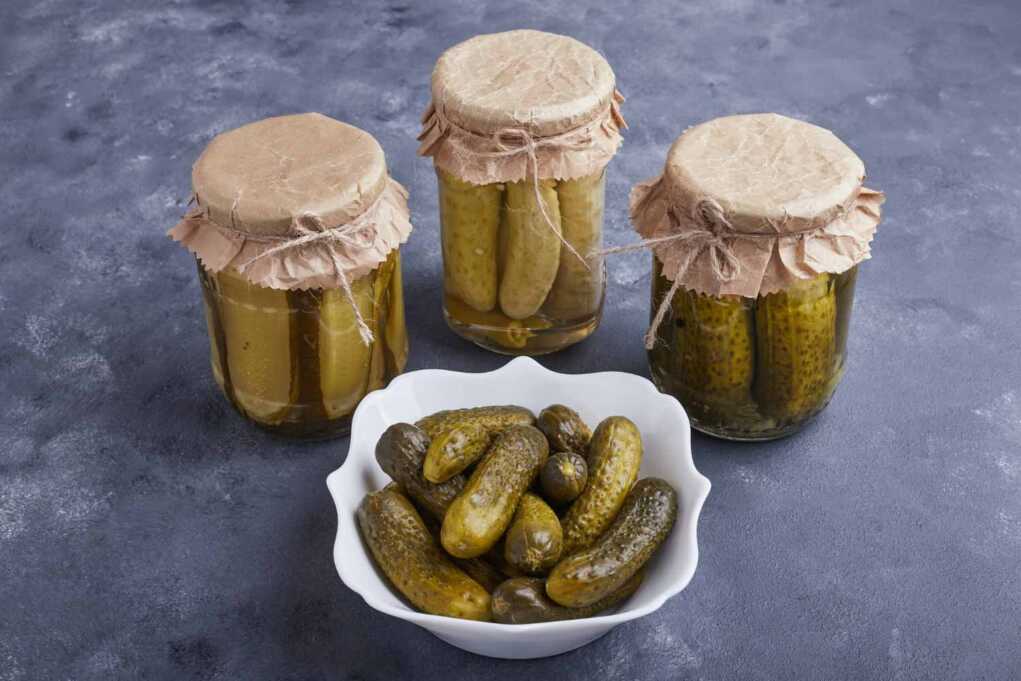
Pickles—those tangy, crunchy cucumbers preserved in brine—are more than just a flavorful side or sandwich topping. Despite being low in calories, they pack a surprising nutritional punch: vitamins, minerals, antioxidants, and in some cases, probiotics. But not all pickles are created equal—and how they’re made, how much you eat, and what kind you choose can change whether they’re a healthful snack or a source of concern.
In this article, we’ll explore the nutrition profile of pickles, delve into their potential health benefits, examine their risks, and offer practical tips on how to prepare them safely and deliciously at home.
Nutrition
Pickles are primarily made from cucumbers, which are mostly water, so they remain very low in calories—even after pickling. According to Cleveland Clinic data, 100 grams of dill pickles provide just about 12 calories, with barely any fat and only about 1 g of fiber. Despite the low calories, pickles can be nutritionally significant: a whole dill pickle can supply around 20% of the daily recommended value of vitamin K, which is important for blood clotting and bone health. They also contain small amounts of calcium, potassium, beta-carotene, and antioxidants like lutein and zeaxanthin.
On the flip side, the sodium content is a major nutritional drawback. A large dill pickle can contain more than two-thirds of the recommended daily sodium limit for many adults. Because of this, people who are sensitive to salt or managing conditions like hypertension should be cautious.
Benefits
One of the most compelling benefits of pickles is their probiotic potential. Naturally fermented pickles—those made by submerging cucumbers in a simple salt-and-water brine and allowing beneficial bacteria to grow—can be a source of Lactobacillus and other “good” gut bacteria. These probiotics may support gut health, improve digestion, and contribute to a balanced microbiome.
Pickle juice (the brine) has also gained attention for potential health perks. Research suggests it may help relieve muscle cramps by influencing nerve signaling rather than by simply replacing electrolytes. Additionally, the vinegar in some pickle juice may support blood sugar control, and when pickles or juice come from fermented products, they may provide antioxidants and small amounts of minerals like calcium and potassium.
Furthermore, pickles are very low in calories, making them a snack-friendly option for those watching their caloric intake.
Risks
Though tasty and useful, pickles come with some important caveats. The high sodium content can raise blood pressure and put stress on the kidneys. Over time, excessive salt intake is linked to heart disease and kidney problems.
There’s also evidence that frequent consumption of pickled vegetables may be associated with an increased risk of gastric (stomach) cancer. In addition, certain traditional or fermented pickles may produce nitroso compounds during processing, which have been linked to cancer risk.
Acidic pickles can also pose dental risks, contributing to enamel erosion if eaten frequently. And for homemade ferments, improper pickling carries a food safety concern: a poorly managed environment could allow harmful bacteria to grow, including Clostridium botulinum, which causes botulism.
Preparation Tips
If you want to enjoy pickles while maximizing benefits and minimizing risks, here are some practical pointers:
- Choose or make fermented pickles – To get probiotic benefits, go for pickles labeled “naturally fermented,” “lacto-fermented,” or “contains live cultures.”
- Control the salt – When making your own pickles, you can adjust the amount of salt. Use pickling or canning salt for better control and avoid overly salty commercially produced varieties.
- Follow safe canning practices – Whether you’re using vinegar brine or fermenting, make sure to use sterilized jars, boil-brine instructions correctly, and store pickles in sealed containers.
- Watch your portions – Because of sodium concerns, moderation is key. Consider low-sodium options or rinse store-bought pickles under water to reduce salt.
- Balance with your diet – Incorporate pickles as a complementary food—not a staple. Pairing them with fresh vegetables, whole grains, and low-sodium meals can help you enjoy their flavor without overloading on salt.
Conclusion
Pickles are a flavorful, low-calorie snack with a number of nutritional advantages—they supply antioxidants, vitamins like K and A, and, in fermented varieties, beneficial probiotics. However, their high sodium content and potential links to cancer make moderation and smart choices essential. By choosing naturally fermented pickles, preparing them at home, and watching your serving sizes, you can enjoy their tangy crunch in a way that supports your health.
Sources:
- WebMD – Pickles: Nutrition, Benefits, Risks, & Preparation WebMD+1
- Cleveland Clinic – Are Pickles Good for You? Cleveland Clinic
- Health.com – Are Pickles Good for You? Health
- NIH / NCBI – Pickled Vegetable and Salted Fish Intake and the Risk of Gastric Cancer PubMed Central+1
- Mayo Clinic – Sodium: How to tame your salt habit Mayo Clinic
Disclaimer
The watching, interacting, and participation of any kind with anything on this page does not constitute or initiate a doctor-patient relationship with Dr. Farrah™. None of the statements here have been evaluated by the Food and Drug Administration (FDA). The products of Dr. Farrah™ are not intended to diagnose, treat, cure, or prevent any disease. The information being provided should only be considered for education and entertainment purposes only. If you feel that anything you see or hear may be of value to you on this page or on any other medium of any kind associated with, showing, or quoting anything relating to Dr. Farrah™ in any way at any time, you are encouraged to and agree to consult with a licensed healthcare professional in your area to discuss it. If you feel that you’re having a healthcare emergency, seek medical attention immediately. The views expressed here are simply either the views and opinions of Dr. Farrah™ or others appearing and are protected under the first amendment.
Dr. Farrah™ is a highly experienced Licensed Medical Doctor certified in evidence-based clinical nutrition, not some enthusiast, formulator, or medium promoting the wild and unrestrained use of nutrition products for health issues without clinical experience and scientific evidence of therapeutic benefit. Dr. Farrah™ has personally and keenly studied everything she recommends, and more importantly, she’s closely observed the reactions and results in a clinical setting countless times over the course of her career involving the treatment of over 150,000 patients.
Dr. Farrah™ promotes evidence-based natural approaches to health, which means integrating her individual scientific and clinical expertise with the best available external clinical evidence from systematic research. By individual clinical expertise, I refer to the proficiency and judgment that individual clinicians acquire through clinical experience and clinical practice.
Dr. Farrah™ does not make any representation or warranties with respect to the accuracy, applicability, fitness, or completeness of any multimedia content provided. Dr. Farrah™ does not warrant the performance, effectiveness, or applicability of any sites listed, linked, or referenced to, in, or by any multimedia content.
To be clear, the multimedia content is not intended to be a substitute for professional medical advice, diagnosis, or treatment. Always seek the advice of your physician or other qualified health providers with any questions you may have regarding a medical condition. Never disregard professional medical advice or delay in seeking it because of something you have read or seen in any website, video, image, or media of any kind. Dr. Farrah™ hereby disclaims any and all liability to any party for any direct, indirect, implied, punitive, special, incidental, or other consequential damages arising directly or indirectly from any use of the content, which is provided as is, and without warranties.