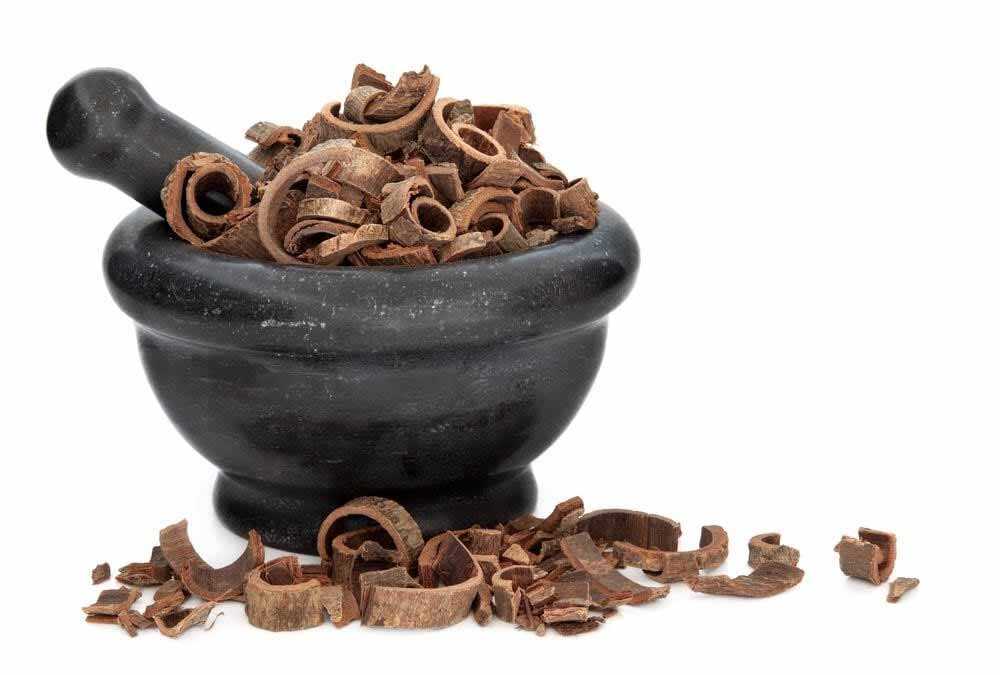
The bark of the tree known as Magnolia officinalis (commonly referred to as magnolia bark) has been used for centuries in traditional Chinese and Japanese medicine under the name “hou po,” and modern research is increasingly exploring how it may benefit the body and mind. The key bioactive compounds in magnolia bark—namely neolignans such as Magnolol and Honokiol—are types of polyphenols thought to contribute to the plant’s health-supporting potential. Although many of the studies remain preliminary (animal models, cell studies, or extract combinations), a growing body of evidence suggests magnolia bark has effects on inflammation, oxidative stress, mood, sleep and digestive health.
On the body side, magnolia bark shows promise for supporting overall physical wellness: it may help reduce inflammation and oxidative stress (which are important processes in chronic disease prevention). For example, research has found magnolia bark extract activates antioxidant pathways and may aid in reducing levels of markers of oxidative damage (such as methane dicarboxylic aldehyde) in animal studies. In another in-vitro study the neolignans (honokiol and magnolol) reduced inflammatory gene expression in macrophage and oral pathogen models. Meanwhile, on the mind side, magnolia bark appears to exert anxiolytic (anti-anxiety), mood‐supporting and sleep‐promoting effects: one study in adults reported a reduction in cortisol (a stress hormone) and improvements in mood when a supplement containing magnolia bark and another herb was used. Collectively, these findings suggest that magnolia bark may support both body and mind in ways that promote resilience, relaxation and physiological balance.
Key Benefits in Detail
1. Anti-inflammatory and antioxidant effects
Oxidative stress and subsequent inflammation are known to contribute to many chronic conditions such as diabetes, heart disease, cancer and neurodegenerative disorders. The polyphenols magnolol and honokiol appear to activate antioxidant enzyme pathways and decrease levels of oxidative damage markers in animal models. For instance, in a diabetic rat model the compounds improved oxidative stress in testicular tissue. This suggests a protective effect at the cellular level, although human studies remain scarce.
2. Potential anticancer support
Various studies on honokiol and magnolol support the notion of anticancer activity: for example, they have been shown to regulate cell signalling pathways involved in tumour growth, to inhibit the growth of various cancer cells in vitro, and to enhance the effectiveness of some cancer therapies in animal models. While promising, these effects are based largely on laboratory or animal work, and human clinical evidence is not yet sufficient to confirm efficacy.
3. Stress, anxiety and mood regulation
Magnolia bark extract appears to have protective effects against many neurological conditions, including stress and anxiety. A human study in 40 women found that a combined magnolia/phellodendron extract yielded greater relief of short-term anxiety versus placebo. Moreover, animal studies suggest these compounds affect neurotransmitters (like serotonin) and stress hormones (like corticosterone), pointing to mood-modulating potential.
4. Sleep improvement
One of the more widely reported uses of magnolia bark is for improving sleep quality. Animal studies report that magnolol and honokiol can decrease the time it takes to fall asleep (sleep latency) and increase REM and non-REM sleep periods. The mechanism appears to involve modulation of GABA-A receptors (the “brake” system of the brain) and possibly the endocannabinoid system, meaning magnolia bark may promote relaxation and sleep onset much like mild sedatives.
5. Digestive, oral and metabolic support
Magnolia bark’s benefits extend into digestive and metabolic health as well. Traditional uses cite it for stomach disorders and gut health. Modern studies show antimicrobial effects of magnolol and honokiol against oral pathogens including Streptococcus mutans (linked to cavities). Moreover, research reviews indicate that these compounds may improve glucose uptake (in adipocyte models) and reduce insulin resistance in animal models of type 2 diabetes. These findings hint at broader support for metabolic and oral health, though human trials remain thin.
Safety, Dosage & Precautions
The extract appears to be fairly well-tolerated in short-term use: one review of 44 articles concluded that magnolia bark’s primary compounds are safe for human consumption at studied doses. However, there are important cautions:
- Use during pregnancy or breastfeeding is generally not recommended owing to lack of safety data.
- Magnolia bark may interact with sedatives, sleeping pills, anxiety medications, blood thinners and diabetes drugs. For example, because it may promote sleep or reduce anxiety, combining it with sedatives could amplify drowsiness; combining with blood thinners could increase bleeding risk.
- High doses may lead to unwanted effects: reports exist of dizziness, gastrointestinal upset, dry mouth or low blood pressure.
- Dosing is not standardized: typical supplement ranges may be 200–800 mg/day of extract, but traditional decoctions ranged higher; human clinical dosing still lacks consensus.
- As with any herbal supplement, product quality and extract standardization vary widely, so choosing a reputable brand and consulting a healthcare provider is advisable.
Summary
In summary, magnolia bark is a fascinating botanical with a broad array of potential benefits for body and mind—from reducing inflammation and oxidative stress, to improving mood and sleep quality, to supporting digestive and metabolic health. While the evidence is promising, the majority of strong findings come from lab or animal studies and more large-scale human trials are needed to confirm effectiveness, optimal dosage and long-term safety. If you are considering using a supplement derived from magnolia bark, it’s wise to consult with your healthcare provider—especially if you have underlying health conditions or are taking other medications.
Sources:
- Healthline: Magnolia Bark: Benefits, Usage, and Side Effects. (healthline.com) Healthline
- WebMD: Magnolia: Uses and Risks. (webmd.com) WebMD+1
- Botanical Institute: 6 Magnolia Bark Benefits: Dosage & Safety. (botanicalinstitute.org) The Botanical Institute
- Memorial Sloan Kettering Cancer Center: Magnolia officinalis. (mskcc.org) Memorial Sloan Kettering Cancer Center
- MDPI: Extracts of Magnolia Species–Induced Prevention of Diabetic Complications: A Brief Review. (mdpi.com) MDPI
Disclaimer
The watching, interacting, and participation of any kind with anything on this page does not constitute or initiate a doctor-patient relationship with Dr. Farrah™. None of the statements here have been evaluated by the Food and Drug Administration (FDA). The products of Dr. Farrah™ are not intended to diagnose, treat, cure, or prevent any disease. The information being provided should only be considered for education and entertainment purposes only. If you feel that anything you see or hear may be of value to you on this page or on any other medium of any kind associated with, showing, or quoting anything relating to Dr. Farrah™ in any way at any time, you are encouraged to and agree to consult with a licensed healthcare professional in your area to discuss it. If you feel that you’re having a healthcare emergency, seek medical attention immediately. The views expressed here are simply either the views and opinions of Dr. Farrah™ or others appearing and are protected under the first amendment.
Dr. Farrah™ is a highly experienced Licensed Medical Doctor certified in evidence-based clinical nutrition, not some enthusiast, formulator, or medium promoting the wild and unrestrained use of nutrition products for health issues without clinical experience and scientific evidence of therapeutic benefit. Dr. Farrah™ has personally and keenly studied everything she recommends, and more importantly, she’s closely observed the reactions and results in a clinical setting countless times over the course of her career involving the treatment of over 150,000 patients.
Dr. Farrah™ promotes evidence-based natural approaches to health, which means integrating her individual scientific and clinical expertise with the best available external clinical evidence from systematic research. By individual clinical expertise, I refer to the proficiency and judgment that individual clinicians acquire through clinical experience and clinical practice.
Dr. Farrah™ does not make any representation or warranties with respect to the accuracy, applicability, fitness, or completeness of any multimedia content provided. Dr. Farrah™ does not warrant the performance, effectiveness, or applicability of any sites listed, linked, or referenced to, in, or by any multimedia content.
To be clear, the multimedia content is not intended to be a substitute for professional medical advice, diagnosis, or treatment. Always seek the advice of your physician or other qualified health providers with any questions you may have regarding a medical condition. Never disregard professional medical advice or delay in seeking it because of something you have read or seen in any website, video, image, or media of any kind. Dr. Farrah™ hereby disclaims any and all liability to any party for any direct, indirect, implied, punitive, special, incidental, or other consequential damages arising directly or indirectly from any use of the content, which is provided as is, and without warranties.