
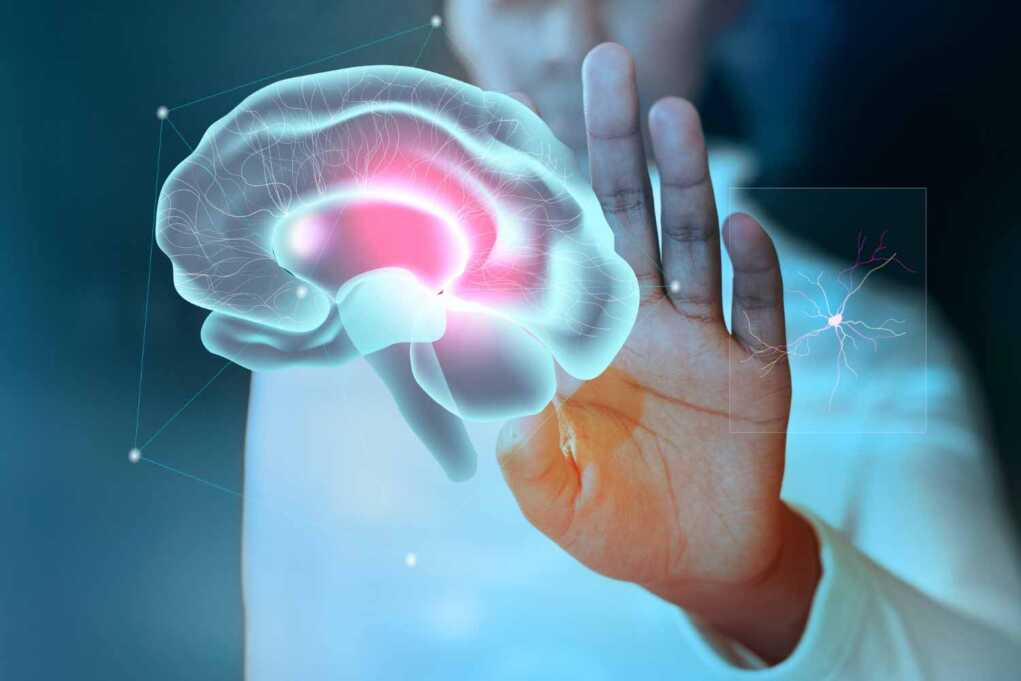
Menopause marks a profound transition in a woman’s bodily and hormonal life, but its effects extend far beyond hot flashes and changes in the reproductive system. Emerging research reveals that this stage of life—typified by the end of menstrual cycles and a significant drop in estrogen and progesterone—can reshape the brain in subtle but meaningful ways. Changes in mood, memory, and mental clarity are not just anecdotal; they reflect real neurobiological shifts during the menopausal transition.
While many women experience what is colloquially called “brain fog,” the story goes deeper. The brain is subject to structural, metabolic, and vascular changes during and after menopause. These alterations may affect cognitive domains such as verbal memory, processing speed, attention, and executive function—and may also intersect with long-term brain health and risk of dementia. Understanding what happens to the brain during menopause is vital both for reassurance and for tailoring strategies to support women’s cognitive well-being.
Hormonal Shifts and Brain Function
The hallmark of menopause is the decline in ovarian hormones—chiefly estrogen and progesterone. Estrogen, in particular, has neuroprotective roles: it helps regulate synaptic plasticity, supports blood flow to the brain, modulates neurotransmitters and has anti-inflammatory effects. When estrogen levels decline, the brain may undergo compensatory changes, but the transition can expose vulnerabilities. According to the Menopause Society, during the menopausal transition declines in verbal memory and processing speed are often observed, even when other cognitive functions remain relatively stable.
In addition, vasomotor symptoms (hot flashes, night sweats), sleep disruption, mood changes and vascular health shifts—often co-occurring with menopause—appear to amplify the impact of hormonal declines on cognition and brain structure.
Structural and Vascular Brain Changes
Neuroimaging studies have identified measurable differences in the brains of women undergoing the menopausal transition compared to age-matched men or pre-menopausal women. A structured review found consistent reductions in grey matter volume in regions such as the frontal and temporal cortices and hippocampus—areas key for memory and executive control.
Differences in cerebral blood flow and vascular reactivity have also been reported. For example, women who experience an earlier onset of menopause show less responsive brain blood flow and more signs of brain lesions than those with a later menopause.
Together, these findings suggest that menopause might be an inflection point in brain ageing for women, rather than simply a reproductive milestone.
Cognitive Symptoms and Everyday Implications
Many women report cognitive symptoms around the time of menopause—commonly described as “brain fog,” where attention, word-finding, memory retrieval and multi-tasking feel more challenging. According to Healthline, around 44–62% of women in perimenopause report cognitive difficulties.
While most of these changes are mild and often resolve or partially improve after menopause, for some they can interfere with daily life and raise concern about long-term brain health. Importantly, such symptoms do not necessarily indicate dementia. The Menopause Society notes that typical mid-life cognitive changes are subtle and do not equate to conditions like Alzheimer’s disease.
Risk factors that may elevate cognitive symptoms include more intense menopausal symptoms (e.g., hot flashes, mood disturbance), early menopause onset, surgical menopause, poor sleep, and cardiovascular factors. For example, research shows that women with more menopausal symptoms had measurable signs of cognitive ageing in later life.
Implications for Long-Term Brain Health and Risk of Dementia
A significant question is whether menopause influences long-term risks of cognitive decline or dementia. Some studies suggest that the timing of menopause and the duration of hormonal exposure may matter. For instance, earlier menopause correlates with higher risk of Alzheimer’s-type changes later on.
However, the picture is complex: hormone replacement therapy (HRT) may benefit some women’s brain health—especially when initiated earlier after menopause—but the benefits are not uniform, and the optimal approach remains under investigation.
Thus, menopause may represent a window of opportunity—a time when promoting brain health through lifestyle modifications and managing vascular/metabolic risks might be particularly beneficial.
What Women Can Do to Support Their Brain During Menopause
Given the many interacting factors, several strategies can help support brain health during the menopausal transition:
- Prioritize good sleep: Sleep disruption is common during menopause and can worsen cognitive symptoms. Addressing hot flashes, night sweats or insomnia can help.
- Maintain physical activity and cardiovascular health: Regular aerobic exercise supports brain blood flow and cognitive resilience.
- Manage vascular/metabolic risk factors: Hypertension, diabetes, and poor cholesterol profiles may interact with menopausal brain changes. Preventing or treating these conditions is key.
- Engage the brain: Challenging cognitive tasks, social engagement, new learning can help build cognitive reserve.
- Consider medical options: Discuss with your healthcare provider if HRT is appropriate for you—especially if menopause occurred early or your symptoms are severe. The decision must weigh benefits and risks on an individual basis.
- Address menopausal symptoms proactively: For example, managing hot flashes, mood symptoms or sleep disturbances may indirectly benefit cognitive health since these symptoms influence brain strain.
Conclusion
Menopause is not just a reproductive transition—it is a neurological one. With the drop in ovarian hormones, the brain faces shifts in structure, blood flow, neurotransmitter activity and cognitive function. While many women navigate this period without major cognitive disruption, others face considerable “brain fog,” memory lapses and concerns about long-term brain health. The good news is that understanding these changes opens doors for proactive brain-healthy behavior and individualized medical guidance.
By recognizing that menopause affects the brain, we shift from a narrative of decline to one of adaptation and opportunity. The brain’s plasticity remains intact; the key is supporting that plasticity with good sleep, cardiovascular and metabolic health, cognitive engagement, and thoughtful symptom management. For women and their clinicians, menopause is a pivotal moment—not one to passively endure—but one to engage with and optimize for the brain’s sake.
Sources:
- “Cognition” – UCLA Health. https://www.uclahealth.org/medical-services/obgyn/menopause/clinical-services/cognition UCLA Health
- “Is Brain Fog a Common Menopause Symptom?” – Healthline. https://www.healthline.com/health/menopause/how-common-is-brain-fog-in-menopause Healthline
- “Brain volumetric changes in menopausal women and its association with cognitive function: a structured review” – PubMed. https://pubmed.ncbi.nlm.nih.gov/37818479/ PubMed
- “One size does not fit all: how type of menopause and hormone therapy matters for brain health” – The British Journal of Psychiatry. https://www.cambridge.org/core/journals/the-british-journal-of-psychiatry/article/one-size-does-not-fit-all-how-type-of-menopause-and-hormone-therapy-matters-for-brain-health/4B603143A42A6A3A061EFD5D4BDCF42A6A3A061EFD5D4BDCF42A6A3A) Cambridge University Press & Assessment
- “Menopause and Brain Health: Hormonal Changes Are Only Part of the Story” – PubMed. https://pubmed.ncbi.nlm.nih.gov/33071945/ PubMed
Disclaimer
The watching, interacting, and participation of any kind with anything on this page does not constitute or initiate a doctor-patient relationship with Dr. Farrah™. None of the statements here have been evaluated by the Food and Drug Administration (FDA). The products of Dr. Farrah™ are not intended to diagnose, treat, cure, or prevent any disease. The information being provided should only be considered for education and entertainment purposes only. If you feel that anything you see or hear may be of value to you on this page or on any other medium of any kind associated with, showing, or quoting anything relating to Dr. Farrah™ in any way at any time, you are encouraged to and agree to consult with a licensed healthcare professional in your area to discuss it. If you feel that you’re having a healthcare emergency, seek medical attention immediately. The views expressed here are simply either the views and opinions of Dr. Farrah™ or others appearing and are protected under the first amendment.
Dr. Farrah™ is a highly experienced Licensed Medical Doctor certified in evidence-based clinical nutrition, not some enthusiast, formulator, or medium promoting the wild and unrestrained use of nutrition products for health issues without clinical experience and scientific evidence of therapeutic benefit. Dr. Farrah™ has personally and keenly studied everything she recommends, and more importantly, she’s closely observed the reactions and results in a clinical setting countless times over the course of her career involving the treatment of over 150,000 patients.
Dr. Farrah™ promotes evidence-based natural approaches to health, which means integrating her individual scientific and clinical expertise with the best available external clinical evidence from systematic research. By individual clinical expertise, I refer to the proficiency and judgment that individual clinicians acquire through clinical experience and clinical practice.
Dr. Farrah™ does not make any representation or warranties with respect to the accuracy, applicability, fitness, or completeness of any multimedia content provided. Dr. Farrah™ does not warrant the performance, effectiveness, or applicability of any sites listed, linked, or referenced to, in, or by any multimedia content.
To be clear, the multimedia content is not intended to be a substitute for professional medical advice, diagnosis, or treatment. Always seek the advice of your physician or other qualified health providers with any questions you may have regarding a medical condition. Never disregard professional medical advice or delay in seeking it because of something you have read or seen in any website, video, image, or media of any kind. Dr. Farrah™ hereby disclaims any and all liability to any party for any direct, indirect, implied, punitive, special, incidental, or other consequential damages arising directly or indirectly from any use of the content, which is provided as is, and without warranties.