
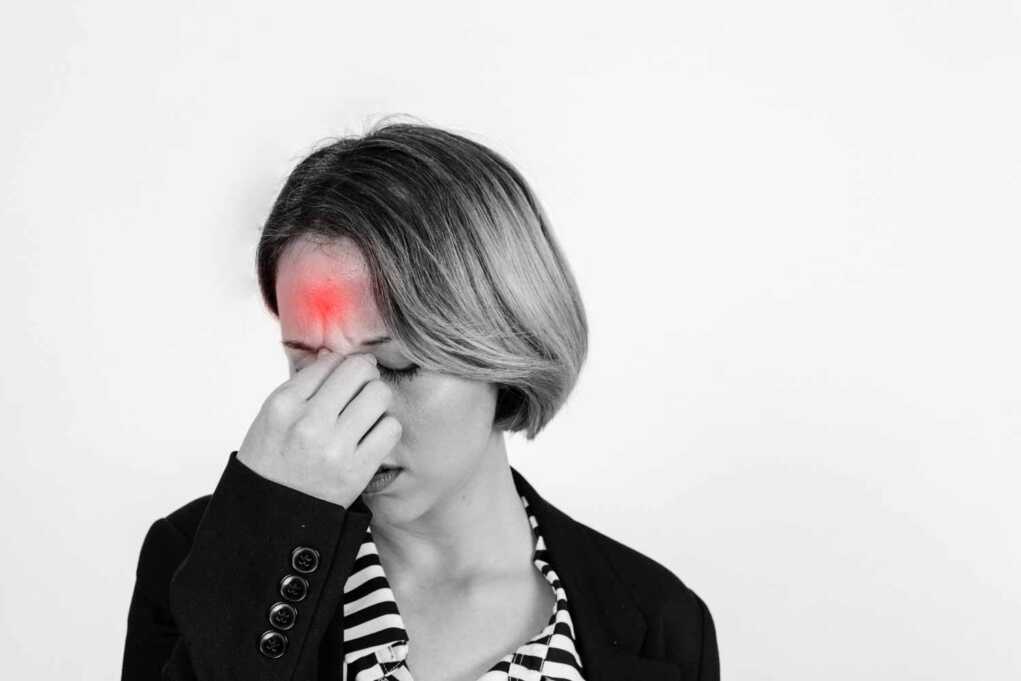
Headaches are one of the most common health complaints, affecting people of all ages and backgrounds. While usually not a sign of something serious, they can be incredibly disruptive to daily life — interfering with work, sleep, and concentration. Headaches can range from a dull, nagging ache to intense, throbbing pain and may occur occasionally or frequently. Understanding what causes them is the first step in finding lasting relief.
Contrary to popular belief, the brain itself doesn’t feel pain. Instead, headaches arise from irritation or dysfunction in surrounding structures — including nerves, blood vessels, muscles, and connective tissues in the head and neck. Depending on the type of headache and its triggers, the underlying causes can differ significantly, ranging from stress and poor posture to dehydration, hormonal changes, or even certain foods. This article explores why headaches happen, the most common triggers, and evidence-based ways to alleviate and prevent them.
Types of Headaches
To understand why headaches happen, it helps to classify them broadly:
- Primary headaches occur on their own, not as a symptom of another illness. The most common types are tension-type headaches, migraines, and cluster headaches.
- Secondary headaches are symptoms of an underlying condition — for example, sinus infection, neck injury, high blood pressure, or medication overuse.
Common Triggers and Mechanisms
While the exact mechanism isn’t always clear, many headaches are triggered by a combination of physiological, neural, and environmental factors. Some well-supported reasons include:
- Muscle tension / poor posture
Especially in tension-type headaches, tightness in neck, scalp, and shoulder muscles can activate pain pathways. Poor posture (e.g. leaning over a computer) stresses these muscles. - Stress and emotional tension
Stress increases muscle tension and alters levels of neurotransmitters, making the pain‑sensing nerves more sensitive. - Sleep disruption and fatigue
Irregular sleep or insufficient rest is strongly linked to headache onset. - Skipping meals / low blood sugar (hypoglycemia)
Fasting or missing meals deprives the brain of glucose, potentially triggering headaches. - Dehydration
When your body lacks water, tissues—including those around the brain—may shrink slightly, pulling on pain-sensitive membranes. - Hormonal changes
Fluctuations in estrogen (e.g. menstrual cycles, menopause) are known to influence migraine risk. - Dietary triggers, caffeine, and withdrawal
Certain foods or additives (like MSG, aged cheese, processed meats) may provoke headaches in sensitive individuals. Abrupt caffeine withdrawal is another known trigger. - Medication overuse (“rebound headache”)
Frequent use of over-the-counter pain meds can backfire: when the drug effect wears off, a headache returns, perpetuating a cycle. - Environmental stimuli
Bright or flickering lights, loud noises, strong smells, or weather changes can trigger headaches, especially migraines. - Neurological and vascular changes (for migraines & cluster headaches)
In migraines, abnormal brain activity may cause vasodilation (widening of blood vessels) or neuroinflammation, which stimulates pain pathways.
When headaches are chronic, occurring more days than not, healthcare providers may classify them as chronic daily headaches, which need more careful diagnostic evaluation and management.
How to Alleviate and Prevent Headaches
Because multiple factors contribute to head pain, a multi‑pronged approach tends to work best. Here are evidence-based strategies:
Immediate Relief Techniques
When a headache strikes, you might try:
- Cold or warm compresses
For a migraine, a cold pack on the forehead may reduce pain; for tension headaches, a warm compress on the neck or back of the head helps relax muscles. - Massage and gentle stretching
Massaging temples, scalp, neck, or shoulders can reduce muscle tightness. Gentle neck stretches may relieve pressure. - Hydration and eating something light
Drinking water and consuming a small balanced snack (protein + complex carbs) often helps, especially if dehydration or low blood sugar is a factor. - Rest in a dark, quiet space
Reducing sensory stimulation (light, noise) allows your nervous system to calm down. - Over-the-counter (OTC) pain relief
Drugs like ibuprofen, acetaminophen, or aspirin may help mild to moderate headaches — but use them cautiously and not too frequently (to avoid rebound headaches). - Breathing, relaxation, or biofeedback techniques
Deep breathing, progressive muscle relaxation, or biofeedback (learning to change bodily responses) can help reduce tension and headache severity. - Consider supplements with some supportive evidence
Some people find relief with magnesium, riboflavin (vitamin B2), or coenzyme Q10 — especially for migraines — though their effectiveness varies. - Alternative therapies
Techniques such as acupuncture, massage therapy, or nerve stimulation (in some cases) may reduce frequency and intensity for chronic sufferers.
Long‑Term Prevention and Lifestyle Habits
To reduce how often headaches occur, consider:
- Maintain consistent sleep habits
Go to bed and wake up around the same time daily. Avoid drastic sleep deprivation or oversleeping. - Manage stress proactively
Tools can include mindfulness, yoga, cognitive behavioral therapy (CBT), regular exercise, and structured relaxation. - Watch posture and ergonomics
Set up your workstation so your head, neck, and torso are aligned. Take breaks, stretch, and avoid awkward positions over long periods. - Hydrate and eat regularly
Drink water consistently and try not to skip meals. Small, frequent, balanced meals help maintain stable blood sugar. - Track and avoid your triggers
Keep a headache diary to identify food, environmental, hormonal, or behavioral triggers. Once known, minimize exposure to them. - Limit caffeine, alcohol, and the use of OTC painkillers
Use caffeine judiciously (sometimes it helps, sometimes it triggers or contributes to withdrawal headaches). Avoid overuse of pain relievers. - Consider preventative medications or therapies (for chronic sufferers)
For frequent migraines or chronic tension headaches, doctors may prescribe preventive medications (e.g. beta-blockers, antidepressants, anticonvulsants) or recommend therapies like CBT or neuromodulation.
When to Seek Medical Attention
While most headaches are benign, certain warning signs merit prompt medical evaluation:
- Sudden, severe “thunderclap” headache
- Headache after head injury
- Fever, stiff neck, confusion, seizures
- Changes in vision, speech, or strength
- Persistent worsening pattern, or headaches that don’t respond to usual treatments
- New headaches after age 50
In such cases, secondary causes (such as vascular disorders, infections, or tumors) must be ruled out.
Conclusion
Headaches are multifactorial: muscle stress, neurologic changes, lifestyle habits, and environmental triggers all play roles. Fortunately, many strategies — from posture adjustments, hydration, stress management, and smart use of medications — can help you reduce both pain and frequency. If headaches become frequent, severe, or unusual in nature, it’s important to consult a healthcare professional to rule out underlying causes and tailor a management plan.
References & Further Reading:
- What Causes Headaches? — Healthline Healthline
- How to Get Rid of a Headache — WebMD WebMD
- Headache basics — Harvard Health Harvard Health
- Headaches: Treatment depends on your diagnosis and symptoms — Mayo Clinic Mayo Clinic
- 18 Remedies to Get Rid of Headaches Naturally — Healthline Healthline
Disclaimer
The watching, interacting, and participation of any kind with anything on this page does not constitute or initiate a doctor-patient relationship with Dr. Farrah™. None of the statements here have been evaluated by the Food and Drug Administration (FDA). The products of Dr. Farrah™ are not intended to diagnose, treat, cure, or prevent any disease. The information being provided should only be considered for education and entertainment purposes only. If you feel that anything you see or hear may be of value to you on this page or on any other medium of any kind associated with, showing, or quoting anything relating to Dr. Farrah™ in any way at any time, you are encouraged to and agree to consult with a licensed healthcare professional in your area to discuss it. If you feel that you’re having a healthcare emergency, seek medical attention immediately. The views expressed here are simply either the views and opinions of Dr. Farrah™ or others appearing and are protected under the first amendment.
Dr. Farrah™ is a highly experienced Licensed Medical Doctor certified in evidence-based clinical nutrition, not some enthusiast, formulator, or medium promoting the wild and unrestrained use of nutrition products for health issues without clinical experience and scientific evidence of therapeutic benefit. Dr. Farrah™ has personally and keenly studied everything she recommends, and more importantly, she’s closely observed the reactions and results in a clinical setting countless times over the course of her career involving the treatment of over 150,000 patients.
Dr. Farrah™ promotes evidence-based natural approaches to health, which means integrating her individual scientific and clinical expertise with the best available external clinical evidence from systematic research. By individual clinical expertise, I refer to the proficiency and judgment that individual clinicians acquire through clinical experience and clinical practice.
Dr. Farrah™ does not make any representation or warranties with respect to the accuracy, applicability, fitness, or completeness of any multimedia content provided. Dr. Farrah™ does not warrant the performance, effectiveness, or applicability of any sites listed, linked, or referenced to, in, or by any multimedia content.
To be clear, the multimedia content is not intended to be a substitute for professional medical advice, diagnosis, or treatment. Always seek the advice of your physician or other qualified health providers with any questions you may have regarding a medical condition. Never disregard professional medical advice or delay in seeking it because of something you have read or seen in any website, video, image, or media of any kind. Dr. Farrah™ hereby disclaims any and all liability to any party for any direct, indirect, implied, punitive, special, incidental, or other consequential damages arising directly or indirectly from any use of the content, which is provided as is, and without warranties.