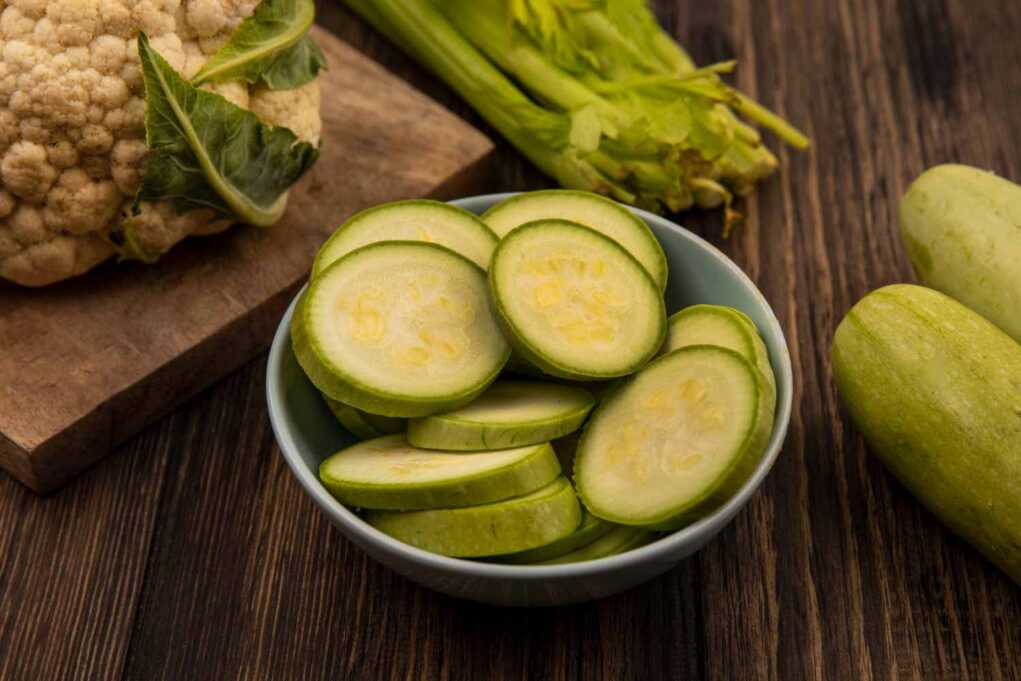
When it comes to vegetables that pack a nutritional punch, zucchini is often overlooked. However, this versatile and mild-flavored summer squash is gaining recognition for its potential health benefits, especially when it comes to supporting heart and eye health. With its rich content of vitamins, minerals, and antioxidants, zucchini offers more than just a tasty addition to your meals—it could be a key ingredient in maintaining vital aspects of your wellbeing.
Emerging research highlights how zucchini’s unique nutrient profile contributes to cardiovascular health by helping regulate blood pressure and cholesterol levels. At the same time, its powerful antioxidants and carotenoids play an important role in protecting the eyes from age-related damage. Whether you’re looking to improve heart function or maintain sharp vision, incorporating zucchini into your diet is a simple, delicious step toward better health.
Heart Health Benefits of Zucchini
Zucchini is rich in several nutrients that contribute to heart health. It contains potassium, a vital mineral that helps regulate blood pressure by counteracting the effects of sodium. Maintaining balanced blood pressure is crucial for reducing the risk of heart disease and stroke.
Moreover, zucchini is high in dietary fiber, particularly soluble fiber, which can help lower LDL cholesterol—the “bad” cholesterol that clogs arteries. Fiber promotes healthy cholesterol levels and supports overall cardiovascular health by improving blood lipid profiles.
The antioxidants found in zucchini, including vitamin C and beta-carotene, also play a protective role. Oxidative stress and inflammation are known contributors to heart disease, and antioxidants neutralize harmful free radicals, potentially reducing damage to blood vessels.
Eye Health Benefits of Zucchini
Your eyes can benefit greatly from the antioxidants and vitamins in zucchini. This vegetable is packed with lutein and zeaxanthin, two carotenoids that accumulate in the retina and help filter harmful blue light while protecting against oxidative damage. These nutrients are linked to a reduced risk of age-related macular degeneration (AMD) and cataracts.
Vitamin C in zucchini further supports eye health by promoting healthy blood vessels in the eyes and reducing the risk of cataracts.
Easy to Include in Your Diet
Zucchini is incredibly versatile in the kitchen. It can be grilled, sautéed, spiralized into noodles, added to soups, or even baked into bread and muffins. Its mild flavor blends well with many dishes, making it easy to enjoy these health benefits regularly.
Final Thoughts
Adding zucchini to your diet is a simple, delicious way to promote both heart and eye health. With its mix of potassium, fiber, antioxidants, lutein, and zeaxanthin, zucchini stands out as a vegetable that supports multiple critical systems in the body. Whether you’re aiming to lower cholesterol, protect your vision, or simply eat more nutrient-rich foods, zucchini is a smart choice.
Sources:
- American Heart Association – Vegetables and Heart Health
- Mayo Clinic – Eye Health: Vitamins and Nutrients
- Harvard T.H. Chan School of Public Health – Fiber and Cardiovascular Disease
- National Eye Institute – Lutein and Zeaxanthin
- WebMD – Potassium and Heart Health
Disclaimer
The watching, interacting, and participation of any kind with anything on this page does not constitute or initiate a doctor-patient relationship with Dr. Farrah™. None of the statements here have been evaluated by the Food and Drug Administration (FDA). The products of Dr. Farrah™ are not intended to diagnose, treat, cure, or prevent any disease. The information being provided should only be considered for education and entertainment purposes only. If you feel that anything you see or hear may be of value to you on this page or on any other medium of any kind associated with, showing, or quoting anything relating to Dr. Farrah™ in any way at any time, you are encouraged to and agree to consult with a licensed healthcare professional in your area to discuss it. If you feel that you’re having a healthcare emergency, seek medical attention immediately. The views expressed here are simply either the views and opinions of Dr. Farrah™ or others appearing and are protected under the first amendment.
Dr. Farrah™ is a highly experienced Licensed Medical Doctor certified in evidence-based clinical nutrition, not some enthusiast, formulator, or medium promoting the wild and unrestrained use of nutrition products for health issues without clinical experience and scientific evidence of therapeutic benefit. Dr. Farrah™ has personally and keenly studied everything she recommends, and more importantly, she’s closely observed the reactions and results in a clinical setting countless times over the course of her career involving the treatment of over 150,000 patients.
Dr. Farrah™ promotes evidence-based natural approaches to health, which means integrating her individual scientific and clinical expertise with the best available external clinical evidence from systematic research. By individual clinical expertise, I refer to the proficiency and judgment that individual clinicians acquire through clinical experience and clinical practice.
Dr. Farrah™ does not make any representation or warranties with respect to the accuracy, applicability, fitness, or completeness of any multimedia content provided. Dr. Farrah™ does not warrant the performance, effectiveness, or applicability of any sites listed, linked, or referenced to, in, or by any multimedia content.
To be clear, the multimedia content is not intended to be a substitute for professional medical advice, diagnosis, or treatment. Always seek the advice of your physician or other qualified health providers with any questions you may have regarding a medical condition. Never disregard professional medical advice or delay in seeking it because of something you have read or seen in any website, video, image, or media of any kind. Dr. Farrah™ hereby disclaims any and all liability to any party for any direct, indirect, implied, punitive, special, incidental, or other consequential damages arising directly or indirectly from any use of the content, which is provided as is, and without warranties.