
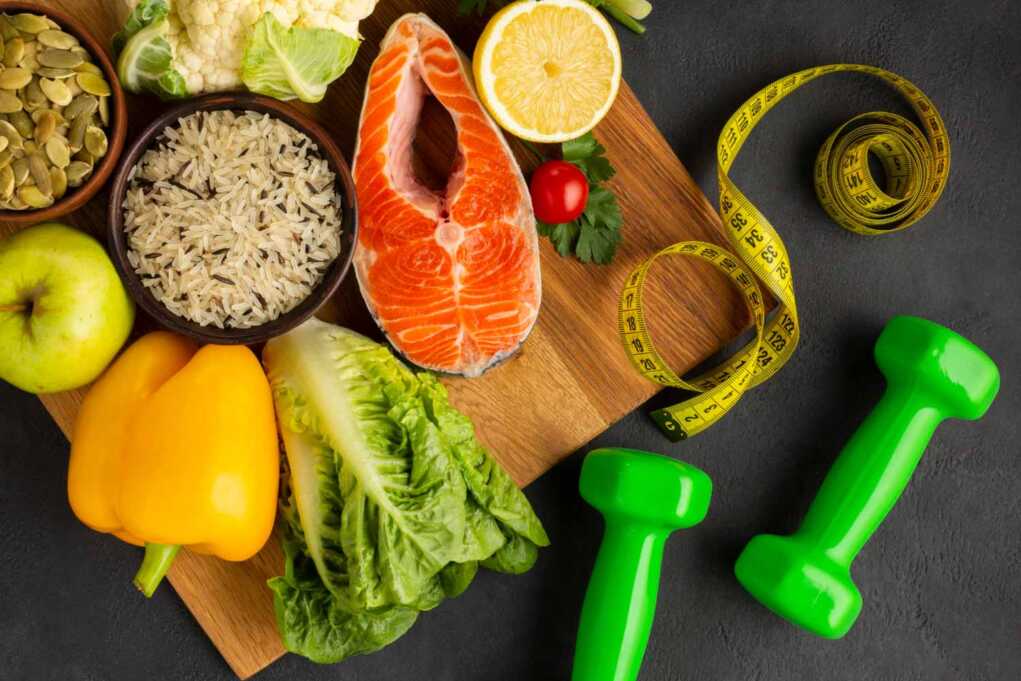
In today’s diet-obsessed culture, the idea that consuming fewer calories leads to better health and faster weight loss is still widespread. From intermittent fasting to ultra-low-calorie meal plans, the emphasis is often on restriction rather than nourishment. While eating less might deliver short-term results, it often comes at the cost of energy, mood, metabolism, and overall well-being. This calorie-centric mindset can also lead to nutrient deficiencies, muscle loss, and unhealthy relationships with food.
Instead, a growing body of research and expert opinion supports a more sustainable, empowering alternative: eating right. That means focusing on the quality of food—nutrient density, variety, and balance—rather than just reducing quantity. A diet rich in whole foods, fiber, lean proteins, healthy fats, and essential vitamins not only supports physical health but also enhances mental clarity, energy levels, and long-term weight management. In short, eating better is far more beneficial than simply eating less.
1. Nutrient Density Fuels the Body
Cutting calories without attention to composition often leads to deficiencies. According to Healthline, restrictive diets may result in fatigue, weakened immunity, muscle loss, and metabolic slowdown. In particular, lack of protein, iron, vitamins B12 and A, calcium, and magnesium are common shortfalls with severe calorie reduction Healthline.
By contrast, choosing foods rich in vitamins, minerals, protein, and fiber—notably whole grains, legumes, vegetables, and fruits—nourishes the body and supports health and vitality Harvard HealthPersonal Trainer Authority.
2. Low-Calorie-Density Foods Offer More, With Less
Rather than eating less of poor-quality foods, eating more of high-satiety, low-calorie-density foods keeps you fuller while naturally reducing overall calorie intake. Vegetables, fruits, whole grains, legumes, and low-fat dairy allow volume without excess calories Verywell HealthMedical News Today.
A study highlighted in Medical News Today emphasizes that opting for nutritious, low-calorie-density choices is more sustainable and effective than merely shrinking portion sizes of energy-dense foods Medical News Today.
3. Long-Term Health, Not Short-Term Restriction
Research using yeast models suggests that focusing on higher-quality nutrition—not just fewer calories—promotes healthier aging trajectories Medical News Today. While direct human results are still being studied, dietitian insights echo that quality makes longevity uniquely more attainable and sustainable.
Also, the Blue Zones approach—regions around the world known for high longevity—recommends eating until 80% full and prioritizing whole, plant-based foods over strict calorie counting EatingWell.
4. Mental Health & Relationship With Food
Strict restrictive diets can harm your mental well-being and foster disordered eating patterns. Marie Claire warns against gimmicky trends like TikTok’s “Three-Bite Rule,” which masks food restriction as mindfulness and risks perpetuating unhealthy habits Marie Claire UK.
Instead, mainstream dietitians encourage balanced, flexible approaches such as intuitive eating—listening to hunger and fullness cues—over rigid meal limits or calorie counting Wikipedia.
5. Performance, Energy & Immune Resilience
High-quality, nutrient-rich diets support energy, immune function, and performance more effectively than calorie restriction alone. Bicycling magazine dispels the myth that “a calorie is just a calorie,” illustrating that nutrient-dense foods boost training, satiation, and recovery beyond just caloric math Bicycling.
Moreover, well-balanced diets help protect against illness, reinforce immunity, and sustain energy—benefits that calorie restriction often undermines HealthlineCPD Online College.
Summary: Why “Eating Right” Wins Over “Eating Less”
| Benefit | Eating Less (Calorie Restriction) | Eating Right (Quality-Focused) |
| Nutrient Sufficiency | Risk of deficiencies, fatigue, weakened immune system Healthline | Strong supply of essential nutrients; supports energy and health Harvard HealthPersonal Trainer Authority |
| Satiety & Adherence | Hunger, deprivation, hard to sustain over time Medical News TodayVerywell Health | High-fiber, low-density foods keep you full longer naturally |
| Long-Term Impact | Short-lived gains, rebound weight gain Medical News Today | Promotes healthier aging and sustained habits EatingWell |
| Mental Well-Being | Increased stress, disordered eating risk Marie Claire UK | Encourages mindful, intuitive relationship with food Wikipedia |
| Physical Health | Muscle loss, metabolic slowdown, weaker immunity HealthlineBicycling | Better performance, strong immune support, overall wellness CPD Online College |
Final Thoughts
Focusing on what you eat—not just how much—creates a pathway to vibrant, lasting health. Embrace meals rich in whole foods, listen to your body’s needs, and build habits that nourish both body and mind. Over time, you’ll find that eating well is easier, more fulfilling, and more effective than simply eating less.
Sources:
- Healthline – 5 Ways Restricting Calories Can Be Harmful Healthline
- Medical News Today – Eating less not the best way to lose weight, study shows Medical News Today
- Medical News Today – Dietary changes and healthy aging … without calorie restrictions Medical News Today
- Blue Zones healthy habits: Eat until 80% full, plant‑based focus EatingWell
- Marie Claire – TikTok “Three‑Bite Rule” nutritionists warn against Marie Claire UK
- Wikipedia – Intuitive eating overview and benefits Wikipedia
- Bicycling – Quality matters: fat loss myths busted Bicycling
- Harvard Health – Importance of healthy nutrition Harvard Health
- UnityPoint – 10 reasons doctors talk about the need for good nutrition unitypoint.org
Disclaimer
The watching, interacting, and participation of any kind with anything on this page does not constitute or initiate a doctor-patient relationship with Dr. Farrah™. None of the statements here have been evaluated by the Food and Drug Administration (FDA). The products of Dr. Farrah™ are not intended to diagnose, treat, cure, or prevent any disease. The information being provided should only be considered for education and entertainment purposes only. If you feel that anything you see or hear may be of value to you on this page or on any other medium of any kind associated with, showing, or quoting anything relating to Dr. Farrah™ in any way at any time, you are encouraged to and agree to consult with a licensed healthcare professional in your area to discuss it. If you feel that you’re having a healthcare emergency, seek medical attention immediately. The views expressed here are simply either the views and opinions of Dr. Farrah™ or others appearing and are protected under the first amendment.
Dr. Farrah™ is a highly experienced Licensed Medical Doctor certified in evidence-based clinical nutrition, not some enthusiast, formulator, or medium promoting the wild and unrestrained use of nutrition products for health issues without clinical experience and scientific evidence of therapeutic benefit. Dr. Farrah™ has personally and keenly studied everything she recommends, and more importantly, she’s closely observed the reactions and results in a clinical setting countless times over the course of her career involving the treatment of over 150,000 patients.
Dr. Farrah™ promotes evidence-based natural approaches to health, which means integrating her individual scientific and clinical expertise with the best available external clinical evidence from systematic research. By individual clinical expertise, I refer to the proficiency and judgment that individual clinicians acquire through clinical experience and clinical practice.
Dr. Farrah™ does not make any representation or warranties with respect to the accuracy, applicability, fitness, or completeness of any multimedia content provided. Dr. Farrah™ does not warrant the performance, effectiveness, or applicability of any sites listed, linked, or referenced to, in, or by any multimedia content.
To be clear, the multimedia content is not intended to be a substitute for professional medical advice, diagnosis, or treatment. Always seek the advice of your physician or other qualified health providers with any questions you may have regarding a medical condition. Never disregard professional medical advice or delay in seeking it because of something you have read or seen in any website, video, image, or media of any kind. Dr. Farrah™ hereby disclaims any and all liability to any party for any direct, indirect, implied, punitive, special, incidental, or other consequential damages arising directly or indirectly from any use of the content, which is provided as is, and without warranties.