
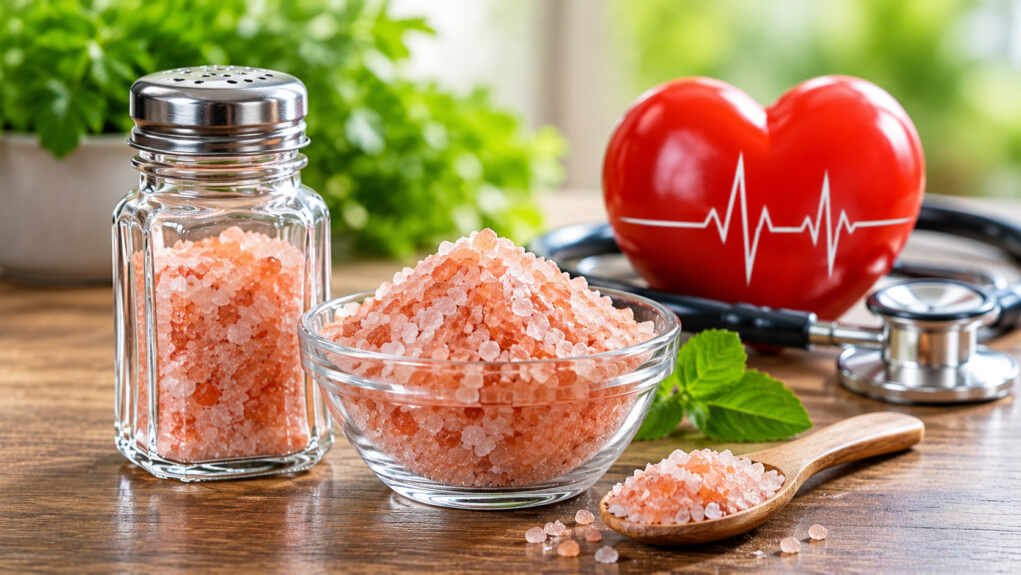
A simple change in the salt people use every day could have a remarkable impact on global health. Researchers are highlighting the potential of potassium-enriched salt substitutes to reduce blood pressure, protect cardiovascular health, and potentially prevent millions of premature deaths worldwide. Unlike ordinary table salt, which is primarily made of sodium chloride, these alternatives replace some of the sodium with potassium chloride, a mineral that plays an important role in regulating blood pressure.
The findings offer a promising approach to tackling heart disease and stroke, two of the world’s leading causes of death. A recent global analysis published in Nature Health estimates that replacing conventional salt with potassium-enriched alternatives could prevent approximately 2.96 million deaths from cardiovascular and kidney diseases every year if implemented worldwide. While this estimate is based on a modeled scenario rather than a guaranteed outcome, it highlights how a relatively small dietary change could make a substantial difference to public health.
What Is Potassium-Enriched Salt?
Potassium-enriched salt is a salt substitute designed to provide the familiar salty taste while reducing the amount of sodium consumed. Instead of containing 100% sodium chloride, like conventional table salt, it combines sodium chloride with potassium chloride.
Some commercially available substitutes contain approximately 25% potassium chloride and 75% sodium chloride, although formulations vary.
The idea behind this alternative is straightforward: reduce sodium intake while increasing potassium intake.
Both minerals help regulate important functions in the body, but they have different effects on blood pressure. Excessive sodium consumption can contribute to fluid retention and increased blood pressure, while adequate potassium intake helps the body manage sodium levels and supports healthy blood vessel function.
This combination makes potassium-enriched salt an interesting option for people looking to improve their cardiovascular health.
Study Suggests Healthier Salt Could Prevent Nearly 3 Million Deaths Annually
One of the most significant findings comes from a global analysis published in November 2026 in Nature Health.
Researchers assessed the potential health effects of replacing regular salt with potassium-enriched alternatives across 193 countries.
Their findings suggested that a worldwide switch could prevent:
- 2.96 million deaths from cardiovascular and kidney diseases annually.
- 10.17 million new cases of cardiovascular and kidney diseases.
- 69.4 million disability-adjusted life years, representing years of healthy life lost because of illness, disability, or premature death.
The researchers also examined different approaches to replacing conventional salt.
Switching only the salt people add during home cooking and at the dining table could potentially prevent 1.85 million deaths annually. Replacing salt used in processed and restaurant foods could prevent another 1.56 million deaths.
These estimates demonstrate the potentially enormous impact of reducing sodium consumption across the food supply.
However, they represent modeled projections based on available evidence and assumptions about worldwide adoption. They should not be interpreted as deaths that have already been prevented or as guaranteed results.
How Does Potassium-Enriched Salt Protect the Heart?
The potential cardiovascular benefits of potassium-enriched salt come from the way sodium and potassium work together in the body.
Here is how this healthier alternative may help protect the heart:
1. It Helps Lower Blood Pressure
High blood pressure, also known as hypertension, is one of the major risk factors for heart attacks, strokes, and other cardiovascular complications.
Consuming too much sodium can cause the body to retain water, increasing the volume of blood circulating through the blood vessels. This can place additional pressure on artery walls.
Potassium helps counteract some of sodium’s effects by encouraging the kidneys to remove more sodium through urine. It also supports the relaxation of blood vessel walls.
Replacing some regular salt with potassium-enriched salt may therefore help reduce blood pressure and lower cardiovascular risk.
2. It May Reduce the Risk of Stroke
Evidence from a large clinical trial published in the New England Journal of Medicine supports the potential benefits of salt substitutes.
The study, known as the Salt Substitute and Stroke Study (SSaSS), involved approximately 21,000 participants in rural China. Participants were assigned to use either regular salt or a substitute containing 75% sodium chloride and 25% potassium chloride.
After approximately five years, researchers found that participants using the salt substitute experienced:
- A 14% lower rate of stroke.
- A 13% lower rate of major cardiovascular events.
- A 12% lower rate of death from any cause.
These findings suggest that replacing conventional salt with a potassium-enriched alternative could provide meaningful protection, particularly among people at elevated cardiovascular risk.
However, the participants were predominantly older adults with a history of stroke or high blood pressure, so the findings should not automatically be applied to every population.
3. It Supports Better Sodium and Potassium Balance
Many people consume more sodium than their bodies need while failing to get enough potassium.
This imbalance can contribute to elevated blood pressure and increase the risk of cardiovascular disease.
Potassium is essential for several bodily functions, including:
- Maintaining normal fluid balance.
- Supporting healthy nerve signaling.
- Regulating muscle contractions.
- Maintaining a normal heartbeat.
- Helping regulate blood pressure.
Potassium-enriched salt offers a practical way to reduce sodium while increasing potassium intake.
Nevertheless, it should complement a balanced diet rather than replace other healthy sources of potassium, such as fruits, vegetables, beans, and other nutrient-rich foods.
Why Reducing Salt Consumption Matters for Heart Health
Salt is a common ingredient in everyday meals, but excessive consumption can have serious consequences for long-term health.
The World Health Organization (WHO) recommends that adults consume less than 2,000 milligrams of sodium daily, equivalent to less than 5 grams of salt.
Unfortunately, many populations consume considerably more than this recommendation.
Excessive sodium intake is associated with several health problems, including:
- Hypertension: High sodium intake can increase blood pressure over time.
- Heart disease: Persistently elevated blood pressure places additional strain on the heart.
- Stroke: Hypertension can damage blood vessels supplying the brain.
- Kidney disease: Excessive sodium intake can contribute to kidney damage and worsen existing kidney problems.
- Heart failure: High blood pressure can make the heart work harder, potentially weakening it over time.
Reducing sodium consumption is therefore an important part of preventing cardiovascular disease.
Switching to potassium-enriched salt may make this change easier because people can maintain a familiar salty flavor while consuming less sodium.
Who Could Benefit Most From This Healthier Salt Alternative?
Potassium-enriched salt may be particularly useful for people who consume substantial amounts of conventional salt and have elevated blood pressure.
Potential beneficiaries include:
- Adults with high blood pressure.
- People with diets high in sodium.
- Individuals at increased risk of cardiovascular disease.
- Older adults who need to pay closer attention to blood pressure.
- Communities where salt added during home cooking accounts for a substantial proportion of sodium consumption.
However, the benefits may vary depending on individual health conditions, dietary habits, and the amount of salt consumed.
People should also understand that changing their salt does not eliminate the need for other cardiovascular health measures, such as regular exercise, maintaining a healthy weight, and eating a balanced diet.
Is Potassium-Enriched Salt Safe for Everyone?
Although potassium-enriched salt offers promising health benefits, it is not suitable for everyone.
One important concern is a condition called hyperkalemia, which occurs when potassium levels in the blood become excessively high.
Healthy kidneys generally remove excess potassium from the bloodstream. However, people with impaired kidney function may struggle to eliminate additional potassium, allowing it to accumulate.
Excessively high potassium levels can interfere with the heart’s electrical activity and potentially cause dangerous heart rhythm abnormalities.
People who should consult a healthcare professional before using potassium-based salt substitutes include:
- Individuals with chronic kidney disease.
- People with impaired kidney function.
- Those with a history of elevated blood potassium.
- People taking certain medications that increase potassium levels, including some ACE inhibitors, angiotensin receptor blockers, and potassium-sparing diuretics.
- Individuals with medical conditions that affect potassium regulation.
For these groups, replacing regular salt with potassium-enriched salt without medical advice could create additional health risks.
The safest approach is to consult a healthcare professional who can assess kidney function, medication use, and potassium levels before recommending a salt substitute.
Simple Ways to Make Your Diet More Heart-Friendly
Switching to a healthier salt alternative can be a useful first step, but protecting your heart requires a broader approach to nutrition and lifestyle.
Here are several practical habits that can help:
1. Choose Lower-Sodium Foods
Read food labels and compare sodium levels before purchasing packaged products. Processed meats, instant noodles, canned foods, salty snacks, and ready-made sauces can contain substantial amounts of sodium.
2. Eat More Fruits and Vegetables
Foods such as bananas, oranges, spinach, potatoes, tomatoes, and avocados provide potassium and other nutrients that support cardiovascular health.
People with kidney disease or potassium restrictions should follow their healthcare team’s dietary recommendations.
3. Reduce Processed Food Consumption
Many processed and restaurant foods contain considerable amounts of sodium. Preparing meals at home using fresh ingredients can make it easier to control salt intake.
4. Use Herbs and Spices Instead of Extra Salt
Garlic, ginger, black pepper, lemon, turmeric, basil, and other herbs and spices can enhance the flavor of meals without requiring additional sodium.
5. Stay Physically Active
Regular physical activity supports healthy blood pressure, improves cardiovascular fitness, and helps maintain a healthy weight.
Adults should generally aim for at least 150 minutes of moderate-intensity physical activity each week, unless their healthcare professional recommends otherwise.
6. Monitor Your Blood Pressure
High blood pressure often develops without noticeable symptoms. Regular monitoring can help identify problems early and allow individuals to seek appropriate treatment.
Could Healthier Salt Become a Global Public Health Solution?
The potential impact of potassium-enriched salt extends beyond individual dietary choices.
Governments, food manufacturers, healthcare organizations, and public health professionals could all play a role in making lower-sodium alternatives more accessible.
One important opportunity is reformulating commonly consumed foods to reduce sodium content while maintaining acceptable taste.
Another is educating consumers about healthier cooking practices and the potential benefits of appropriate salt substitutes.
The World Health Organization has also published guidance on lower-sodium salt substitutes as part of broader efforts to reduce sodium consumption and prevent hypertension.
However, implementing such changes requires careful consideration of local dietary habits, food manufacturing practices, affordability, and public health risks.
In particular, programs promoting potassium-enriched salt must account for people with chronic kidney disease and others at risk of hyperkalemia.
The global research suggests that even partial replacement of regular salt could produce substantial health benefits. This makes salt reformulation an important opportunity for countries seeking practical and affordable ways to reduce cardiovascular disease.
The Bottom Line: A Small Dietary Change Could Make a Big Difference
Potassium-enriched salt represents a promising development in the fight against heart disease and stroke. By replacing some of the sodium in conventional salt with potassium, this alternative may help lower blood pressure and reduce the risk of serious cardiovascular complications.
A global analysis published in November 2026 estimated that widespread adoption could prevent approximately 2.96 million deaths from cardiovascular and kidney diseases annually.
Although these figures are projections rather than guaranteed outcomes, the findings highlight the enormous potential of improving everyday dietary habits.
Still, potassium-based salt substitutes are not appropriate for everyone, particularly people with kidney disease or conditions that affect potassium regulation. Medical guidance is important before making the switch.
Ultimately, healthier salt is not a magic solution to heart disease. However, alongside a balanced diet, regular exercise, reduced sodium consumption, and routine blood pressure monitoring, it could become a valuable tool in helping millions of people live longer, healthier lives.
Sources:
- Nature Health – Global Health Outcomes From Replacing Dietary Sodium Chloride With Potassium-Enriched Salt
- The George Institute for Global Health – A Healthier Form of Salt Could Prevent Millions of Deaths From Stroke and Heart Disease
- World Health Organization (WHO) – Sodium Reduction and Recommendations for Healthy Sodium Consumption
- American Heart Association – How Potassium Can Help Prevent or Treat High Blood Pressure
- Harvard Health Publishing – Are Salt Substitutes a Smart Choice?
- National Institutes of Health (NIH) – Potassium: Fact Sheet for Health Professionals
- The New England Journal of Medicine – Effect of Salt Substitution on Cardiovascular Events and Death
- World Health Organization – Use of Lower-Sodium Salt Substitutes: WHO Guideline
Website operated and published by:
FAB LTD
Ground Floor, 14 Stewart Dr.
Berea, East London 5241
South Africa
Disclaimer
The watching, interacting, and participation of any kind with anything on this page does not constitute or initiate a doctor-patient relationship with Dr. Farrah™. None of the statements here have been evaluated by the Food and Drug Administration (FDA). The products of Dr. Farrah™ are not intended to diagnose, treat, cure, or prevent any disease. The information being provided should only be considered for education and entertainment purposes only. If you feel that anything you see or hear may be of value to you on this page or on any other medium of any kind associated with, showing, or quoting anything relating to Dr. Farrah™ in any way at any time, you are encouraged to and agree to consult with a licensed healthcare professional in your area to discuss it. If you feel that you’re having a healthcare emergency, seek medical attention immediately. The views expressed here are simply either the views and opinions of Dr. Farrah™ or others appearing and are protected under the First Amendment.
Dr. Farrah™ is a highly experienced Licensed Medical Doctor certified in evidence-based clinical nutrition, not some enthusiast, formulator, or medium promoting the wild and unrestrained use of nutrition products for health issues without clinical experience and scientific evidence of therapeutic benefit. Dr. Farrah™ has personally and keenly studied everything she recommends, and more importantly, she’s closely observed the reactions and results in a clinical setting countless times over the course of her career involving the treatment of over 150,000 patients.
Dr. Farrah™ promotes evidence-based natural approaches to health, which means integrating her individual scientific and clinical expertise with the best available external clinical evidence from systematic research. By individual clinical expertise, I refer to the proficiency and judgment that individual clinicians acquire through clinical experience and clinical practice.
Dr. Farrah™ does not make any representations or warranties with respect to the accuracy, applicability, fitness, or completeness of any multimedia content provided. Dr. Farrah™ does not warrant the performance, effectiveness, or applicability of any sites listed, linked, or referenced to, in, or by any multimedia content.
To be clear, the multimedia content is not intended to be a substitute for professional medical advice, diagnosis, or treatment. Always seek the advice of your physician or other qualified health providers with any questions you may have regarding a medical condition. Never disregard professional medical advice or delay in seeking it because of something you have read or seen in any website, video, image, or media of any kind. Dr. Farrah™ hereby disclaims any and all liability to any party for any direct, indirect, implied, punitive, special, incidental, or other consequential damages arising directly or indirectly from any use of the content, which is provided as is, and without warranties.