
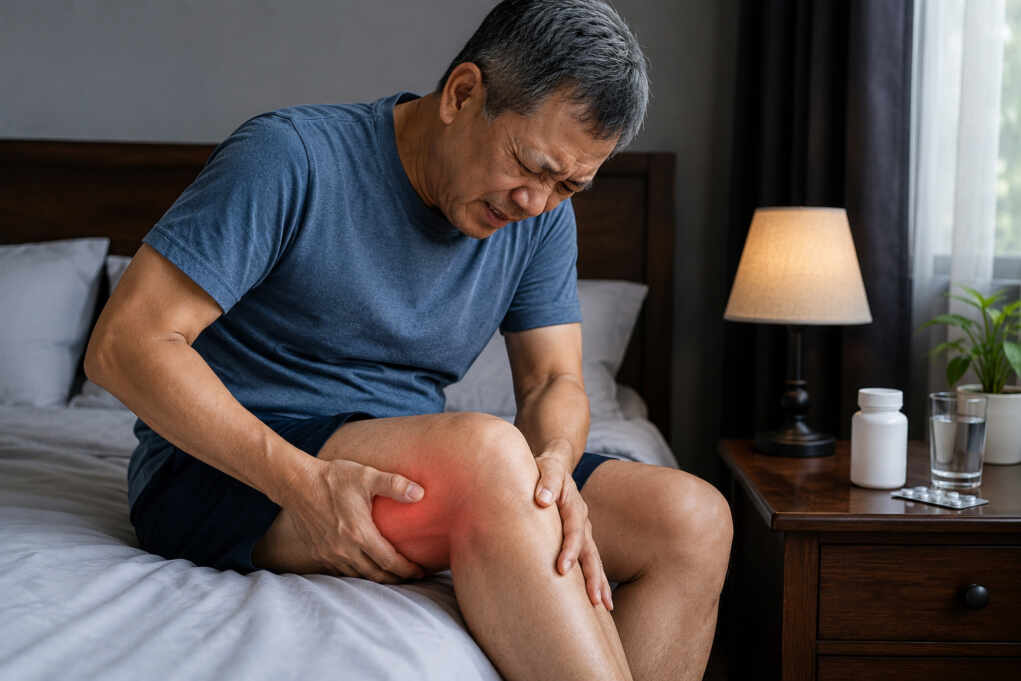
Millions of people around the world rely on cholesterol-lowering medications known as statins to reduce their risk of heart attacks and strokes. These medications are widely regarded as one of the most effective tools for preventing cardiovascular disease, especially for people with high LDL (“bad”) cholesterol or a history of heart-related conditions. While statins have saved countless lives, some patients have long reported experiencing muscle pain, weakness, and fatigue after starting treatment.
A new study is providing researchers with fresh insight into why these muscle-related side effects occur in certain individuals. Rather than questioning the overall effectiveness of statins, the findings help explain the biological processes that may trigger muscle discomfort while preserving the drugs’ cholesterol-lowering benefits. The research could eventually pave the way for treatments that reduce these side effects without compromising the cardiovascular protection statins provide.
New Research Offers Clues
Scientists recently identified a potential mechanism that may explain why some statin users develop muscle pain and weakness. According to the study, statins may alter the way muscle cells use glucose, creating a form of metabolic stress that activates a specific immune response. Researchers believe this response may make certain individuals more vulnerable to statin-associated muscle injury.
Importantly, the investigators found that this pathway appears to be separate from the medication’s ability to lower cholesterol. This discovery raises the possibility that future therapies could target the side effects while allowing patients to continue receiving the heart-protective benefits of statins.
How Common Are Muscle Side Effects?
Muscle symptoms are among the most frequently reported side effects of statins. These symptoms can include:
- Muscle soreness
- Weakness
- Fatigue during physical activity
- Muscle cramps
- Reduced exercise tolerance
For most people, these symptoms are mild and manageable. In rare cases, however, statins can lead to severe muscle damage known as rhabdomyolysis, a serious condition that requires immediate medical attention.
Researchers estimate that muscle-related complaints occur in approximately 10% to 25% of statin users in everyday clinical practice, although controlled clinical trials suggest that many reported symptoms may not be directly caused by the medication itself.
Why Patients Shouldn’t Stop Taking Statins on Their Own
Although reports of muscle discomfort are common, healthcare experts continue to emphasize that the benefits of statins generally far outweigh their risks for people at elevated risk of heart disease. Stopping cholesterol medication without medical guidance can significantly increase the likelihood of heart attack, stroke, and other cardiovascular complications.
If muscle pain develops after starting a statin, physicians may recommend checking blood tests, adjusting the dosage, switching to a different statin, or trying another cholesterol-lowering therapy. Patients should never discontinue treatment without first consulting their healthcare provider.
Symptoms That Require Medical Attention
While mild muscle aches are relatively common, certain symptoms warrant prompt medical evaluation, including:
- Severe or worsening muscle weakness
- Persistent muscle pain that interferes with daily activities
- Dark or cola-colored urine
- Extreme fatigue
- Yellowing of the skin or eyes
These symptoms could indicate a more serious reaction or another underlying medical condition requiring immediate care.
What This Means for the Future
The latest findings do not suggest that statins are unsafe. Instead, they provide researchers with a better understanding of why muscle symptoms develop in some patients while others tolerate the medications without difficulty. As scientists continue to investigate these biological pathways, future treatments may help prevent muscle-related side effects while preserving the life-saving cardiovascular benefits of cholesterol-lowering therapy.
For now, medical experts continue to recommend statins for patients who need them, while encouraging anyone experiencing muscle pain or weakness to speak with their healthcare provider rather than stopping treatment independently.
Sources:
- Verywell Health – Cholesterol Medication May Contribute to Muscle Pain and Weakness, Study Finds: https://www.verywellhealth.com/statins-may-contribute-to-muscle-weakness-12010808
- Mayo Clinic – Statin Side Effects: https://www.mayoclinic.org/diseases-conditions/high-blood-cholesterol/in-depth/statin-side-effects/art-20046013
- Cleveland Clinic – Statins: https://health.clevelandclinic.org/statins
- Harvard Health Publishing – Understanding Statin Side Effects: https://www.health.harvard.edu
- American Heart Association – Cholesterol Medications: https://www.heart.org
Disclaimer
The watching, interacting, and participation of any kind with anything on this page does not constitute or initiate a doctor-patient relationship with Dr. Farrah™. None of the statements here have been evaluated by the Food and Drug Administration (FDA). The products of Dr. Farrah™ are not intended to diagnose, treat, cure, or prevent any disease. The information being provided should only be considered for education and entertainment purposes only. If you feel that anything you see or hear may be of value to you on this page or on any other medium of any kind associated with, showing, or quoting anything relating to Dr. Farrah™ in any way at any time, you are encouraged to and agree to consult with a licensed healthcare professional in your area to discuss it. If you feel that you’re having a healthcare emergency, seek medical attention immediately. The views expressed here are simply either the views and opinions of Dr. Farrah™ or others appearing and are protected under the first amendment.
Dr. Farrah™ is a highly experienced Licensed Medical Doctor certified in evidence-based clinical nutrition, not some enthusiast, formulator, or medium promoting the wild and unrestrained use of nutrition products for health issues without clinical experience and scientific evidence of therapeutic benefit. Dr. Farrah™ has personally and keenly studied everything she recommends, and more importantly, she’s closely observed the reactions and results in a clinical setting countless times over the course of her career involving the treatment of over 150,000 patients.
Dr. Farrah™ promotes evidence-based natural approaches to health, which means integrating her individual scientific and clinical expertise with the best available external clinical evidence from systematic research. By individual clinical expertise, I refer to the proficiency and judgment that individual clinicians acquire through clinical experience and clinical practice.
Dr. Farrah™ does not make any representation or warranties with respect to the accuracy, applicability, fitness, or completeness of any multimedia content provided. Dr. Farrah™ does not warrant the performance, effectiveness, or applicability of any sites listed, linked, or referenced to, in, or by any multimedia content.
To be clear, the multimedia content is not intended to be a substitute for professional medical advice, diagnosis, or treatment. Always seek the advice of your physician or other qualified health providers with any questions you may have regarding a medical condition. Never disregard professional medical advice or delay in seeking it because of something you have read or seen in any website, video, image, or media of any kind. Dr. Farrah™ hereby disclaims any and all liability to any party for any direct, indirect, implied, punitive, special, incidental, or other consequential damages arising directly or indirectly from any use of the content, which is provided as is, and without warranties.